
The One Street Photography Camera Most People Should Buy First
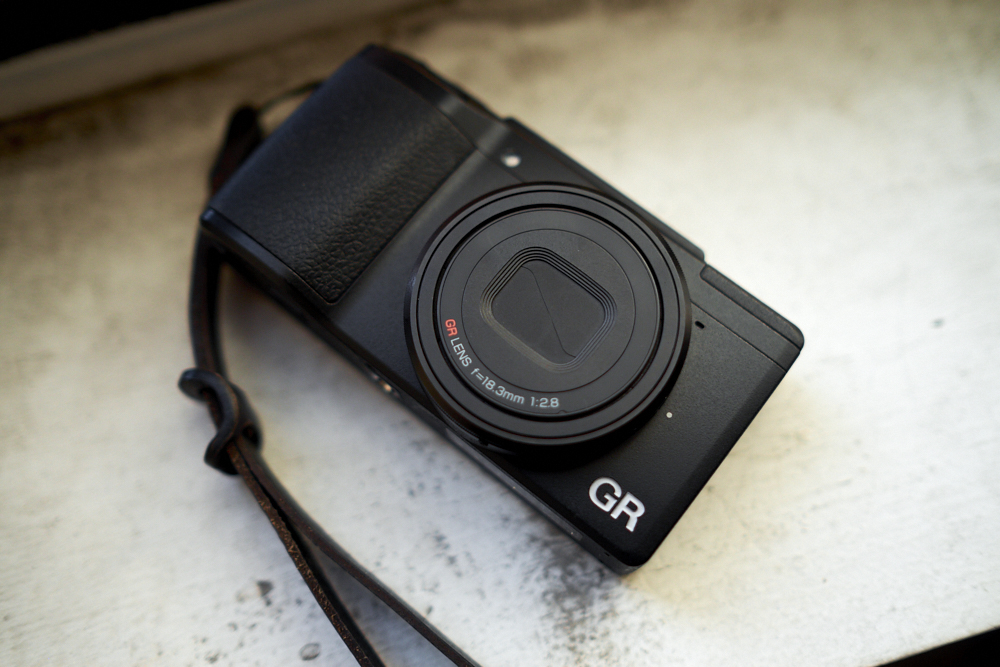
Street photography cameras are compact, fast‑reacting tools with simple controls, fixed focal lengths, and durable bodies that let photographers focus on composition, timing, and presence instead of menus and interchangeable lenses, making it easier to capture candid moments in busy environments with minimal technical distraction. For most people today, the Ricoh GR II is the best street photography camera to buy first. It balances modern digital convenience with the classic compact ethos: small size, a fixed lens, and controls that stay out of your way. The GR II uses a 16MP sensor, a 28mm lens, a built‑in flash, and a 3‑inch LCD, while weighing only 251g and offering ISO up to 25,600. That combination gives you discreet handling, serious low‑light capability, and image quality that can handle anything typical street shooting throws at it. If you want one camera that feels purpose‑built for walking the streets, this is it.
Ricoh GR II: The Modern Classic for Everyday Streets
If your goal is to carry a camera everywhere and never overthink settings, the Ricoh GR II should be your top choice. Its autofocus is strong for daylight work, and can be used with the focus‑and‑recompose method to keep shooting fluid; in low light it slows, but remains acceptable for a decade‑old design. The camera can focus close in macro mode, which is perfect for details and textures you discover on the street. Image quality is its secret weapon: the GR II produces colorful, high‑contrast JPEGs that compare favorably with rivals—“Fujifilm and Olympus tend to deliver really nice JPEGs, but the Ricoh GR II beats both of them in my opinion”. RAW files offer plenty of latitude for recovering details from over‑ or underexposed scenes. At USD 900–1200 (approx. ₱50,400–₱67,200), it is somewhat expensive but still reasonable for an APS‑C compact built for daily use.
Ergonomically, the Ricoh GR II is near ideal for street work. Its low‑profile body slips into a pocket, keeping you discreet and ready in crowded places. Buttons and dials on the top and back are thoughtfully placed, making one‑handed operation natural. Battery life supports long days outside, and the camera’s size and weight make it easy to carry for hours without fatigue. The lens delivers sharp images with attractive bokeh when you get close to your subject, and switching from color to black and white gives even more striking results on the camera’s LCD. The major trade‑off is durability in bad weather: the GR II lacks weather sealing, so it is challenging to use confidently in rain or harsh conditions. Despite that, for most urban photographers who value portability, quick operation, and excellent JPEG color, this is the most balanced choice.
Leica XE: Affordable Way Into the Leica Street Experience
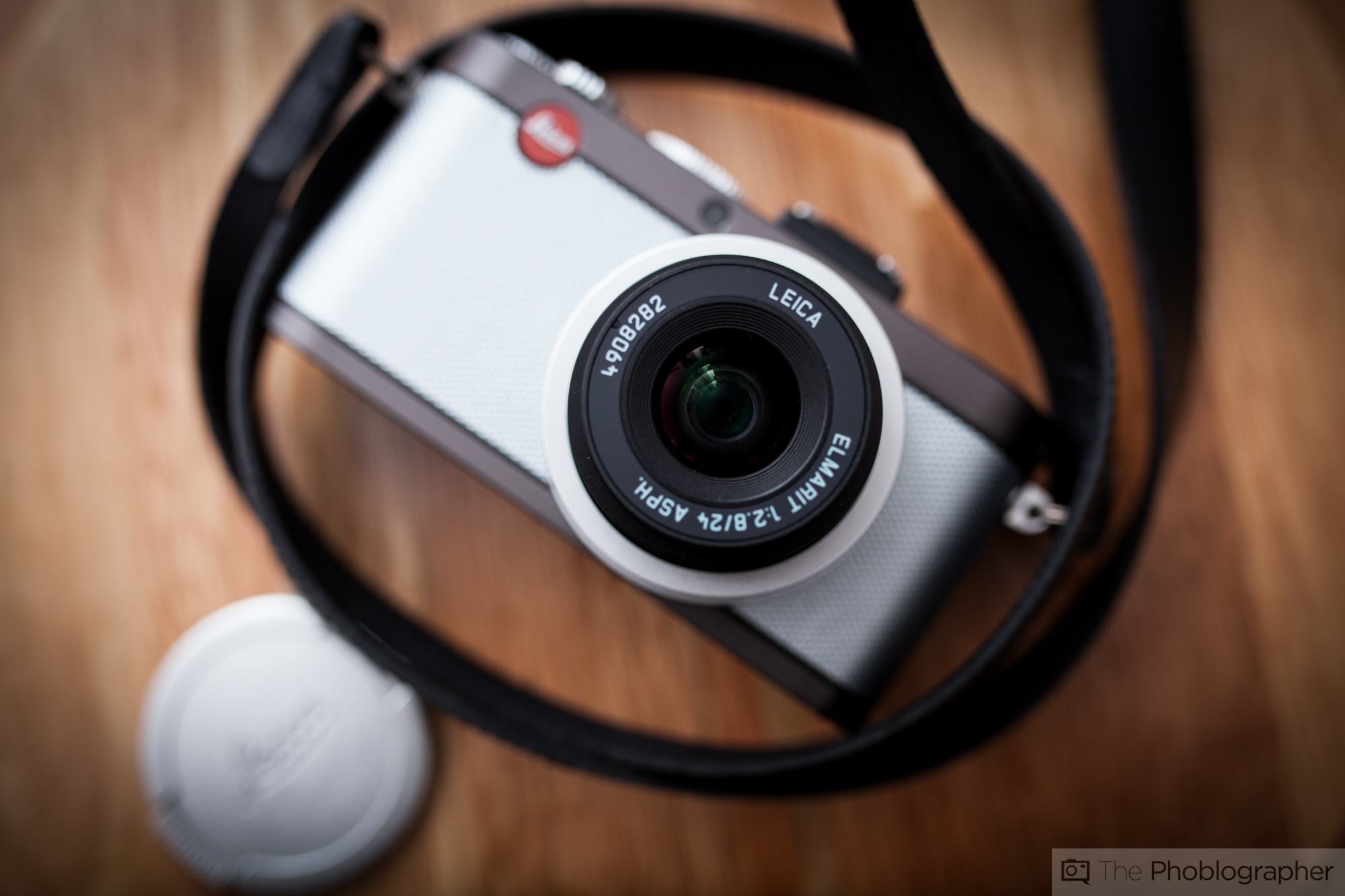
If you have always wanted the Leica feel without the typical luxury price tag, the Leica XE is the smart entry point. Introduced in 2014, it pairs a 16MP APS‑C sensor with a fixed 24mm f2.8 lens, a 230K‑dot TFT LCD, 11 autofocus points, and a maximum ISO of 12,500. At the moment, it costs about USD 1,100–1,500 (approx. ₱61,600–₱84,000), a fraction of many current Leica offerings. Ergonomically, the XE is stylish and fun to use; the grip is comfortable, the controls sit sensibly on the top and back, and the rear focusing dial invites manual and zone‑focus techniques that street photographers prefer. You can shoot both JPEG and DNG RAW files, which keeps your workflow flexible. For young photographers, it is described as “a perfect fit,” offering premium build quality and long‑term longevity without veering into collectible‑only territory.
Autofocus performance on the Leica XE is solid for its class, with modes including single point, 11‑point, face detection, spot, and manual focusing. Single‑point AF is fast, but for street photography you are better served using zone focusing or manual focus to avoid lag when a moment unfolds. The Sony‑made sensor delivers versatile RAW files and excellent high‑ISO behavior; ISO 12,800 images convert into black and white with pleasing, film‑like grain. The XE retains a lot of shadow detail, though it captures less in the highlights, so you should expose carefully in bright scenes. Menus are straightforward but quite long, which may slow you down at first. Still, if you want a compact, fixed‑lens camera that “feels really nice in your hands” and channels old rangefinder ergonomics while remaining approachable in price, the XE is the Leica to buy.
Canon AE-1: Film Simplicity That Still Works After Decades
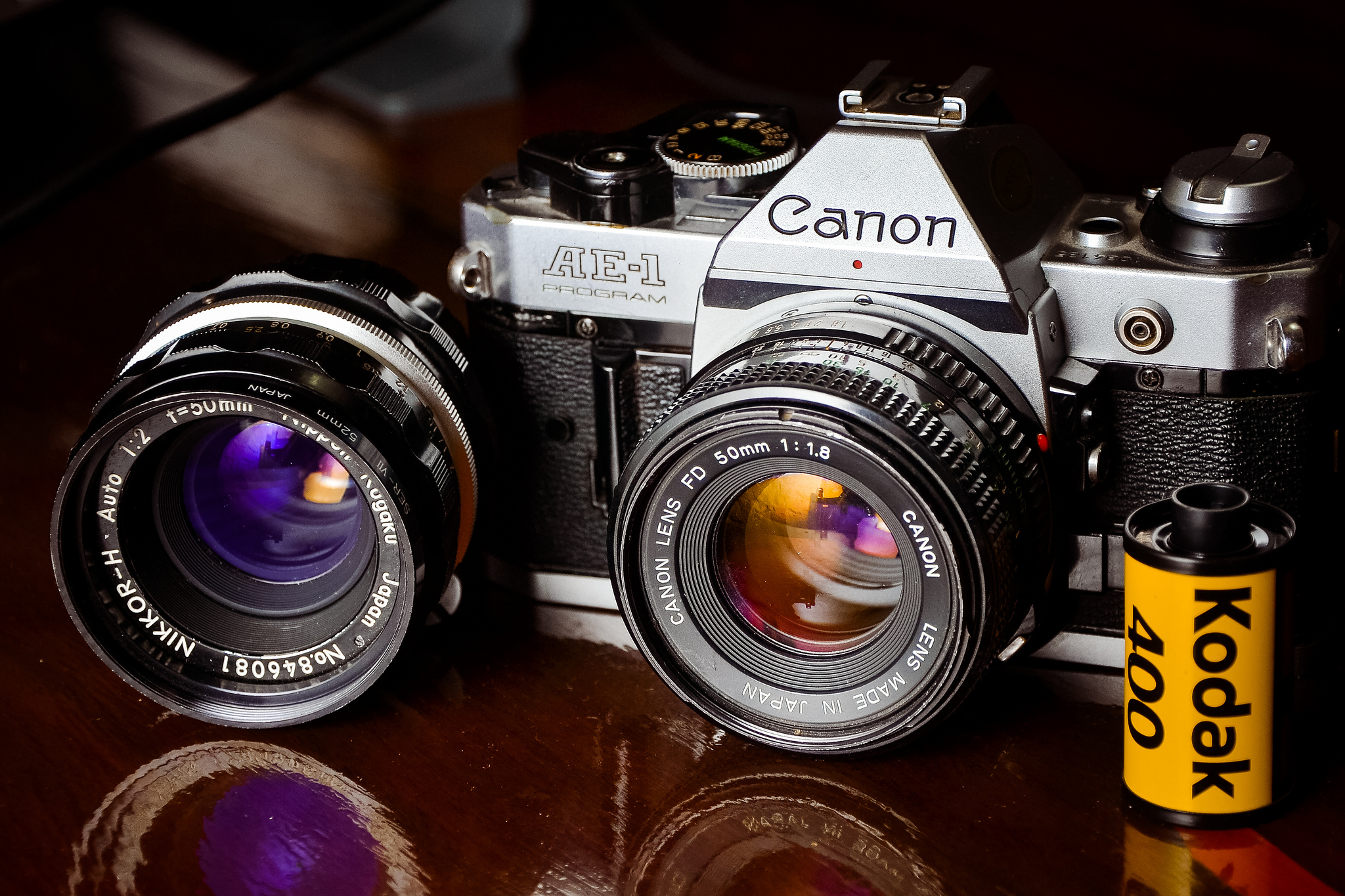
For photographers who want to slow down and learn street photography on film, the Canon AE‑1 remains a standout choice. Built around 35mm film and a focal‑plane shutter, it was designed to use Canon FD lenses, which remain popular among mirrorless users today. The camera supports film ISO from 25 to 3200 (or pushing/pulling as desired), with shutter speeds up to 1/1000s and bulb mode for long exposures. When it launched in 1976, it cost USD 250 (approx. ₱14,000), around 40% more affordable than rival cameras at the time. The AE‑1 was advertised as “so advanced it’s simple,” thanks to automatic program exposure and a CPU that handled exposure metering, self‑timer, power winder, automatic flash, and shutter release. That blend of automation and manual options made film street shooting accessible to a wide audience—and still does.
The AE‑1’s body uses plastic molded to look and feel like metal, a manufacturing choice that kept weight down to 590 grams without a lens and reduced the risk of damage from impacts. Canon engineers aimed to give this plastic a metallic feel to satisfy photographers who associated metal with quality. Decades later, that retro styling and tactile feedback have aged well; many similar cameras approaching their 40th year still function reliably. The AE‑1 divides its mechanism into five major parts—viewfinder, shutter, mirror, AE mechanism, and automatic aperture control—which the CPU coordinates to keep operation straightforward. For street use today, its strengths are durability, clear manual controls, and the discipline that comes from shooting a limited number of film frames. If you want a vintage rangefinder‑adjacent experience with classic ergonomics and proven longevity, the AE‑1 is the film body to seek out.
Buy if / Skip if
- Buy the Ricoh GR II if you want a pocketable digital street photography camera with excellent JPEG color and discreet handling.
- Skip the Ricoh GR II if you often shoot in rain or harsh weather and need full weather sealing for your street photography cameras.
- Buy the Leica XE if you want an affordable entry into the Leica look and feel with a fixed lens and solid street autofocus options.
- Skip the Leica XE if long menus and less highlight detail in your files would frustrate your editing workflow for street images.
- Buy the Canon AE-1 if you want a classic film body with simple automatic exposure and proven durability over decades of use.
- Skip the Canon AE-1 if you prefer modern digital conveniences and do not want to commit to buying and processing 35mm film.
- Buy the Ricoh GR II if you are a young photographer seeking a compact camera comparison winner that stays within a reasonable budget.
- Buy the Leica XE if you are a young photographer who wants a camera that feels like old rangefinders and will grow with your skills.