
From ARM Curiosity to Business-Grade Workhorse
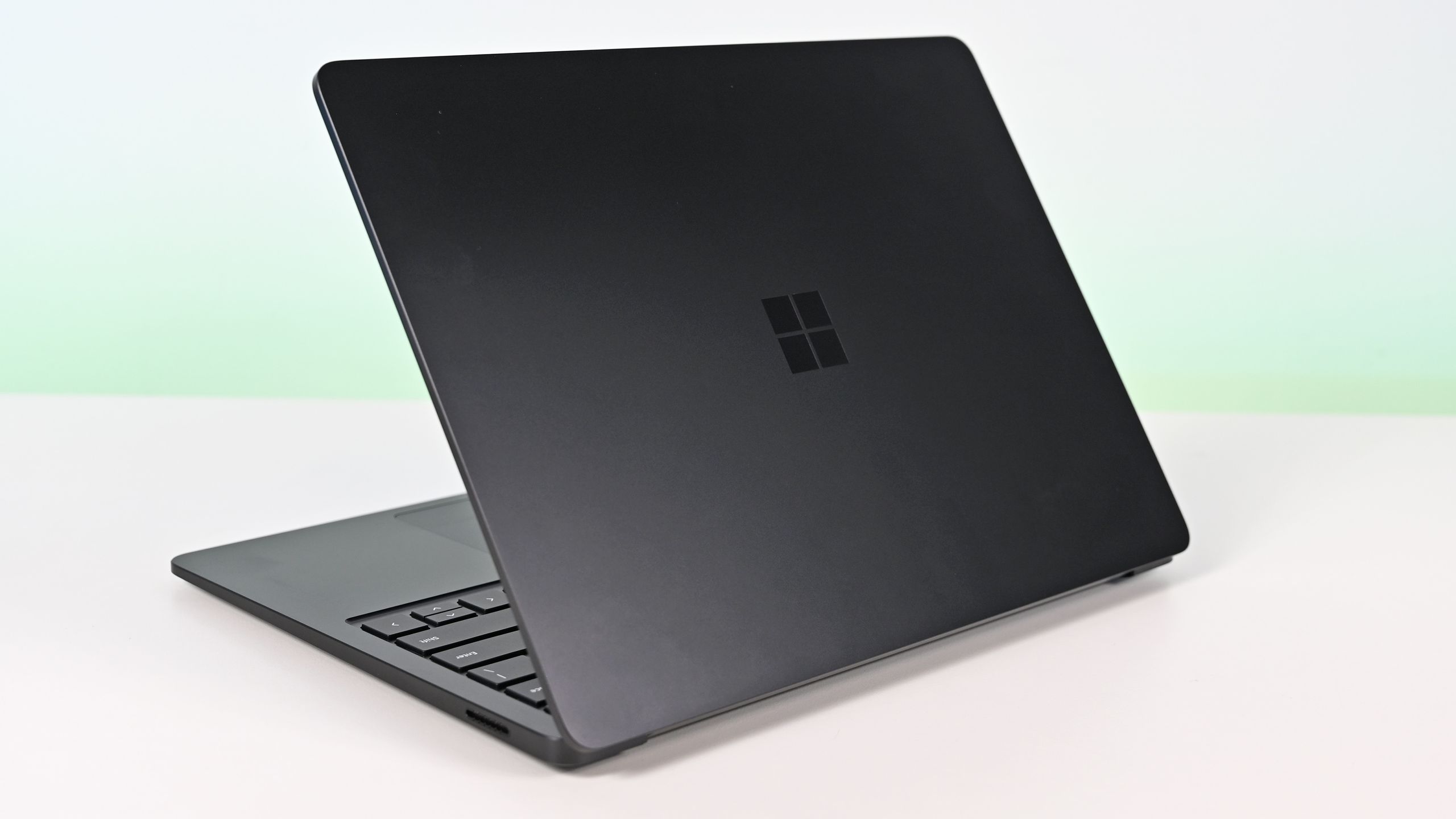
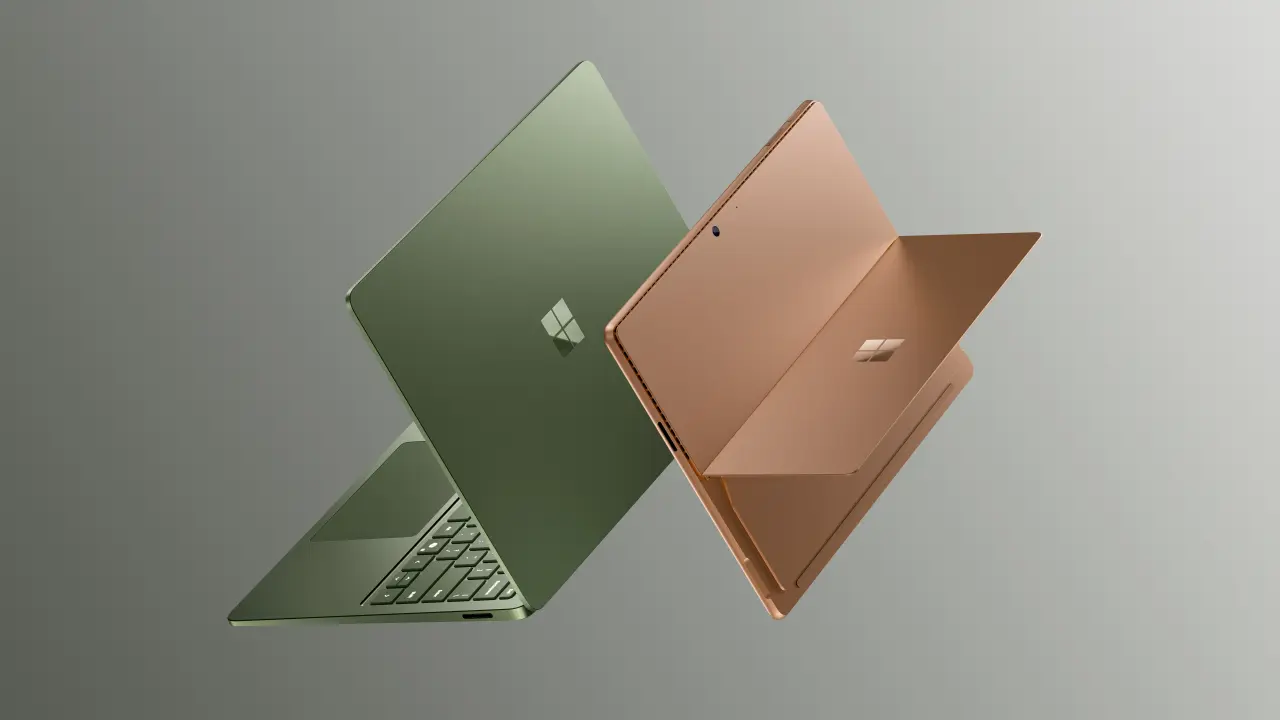
Snapdragon X2 performance in Microsoft’s new Surface Laptop 8 and Surface Pro for Business refers to ARM-based Windows processors that now deliver competitive speed, long battery life, and enterprise features, finally positioning these devices as realistic alternatives to traditional Intel and AMD business laptops for everyday productivity and demanding workflows. This is the turning point many IT teams have been waiting for. Last month, Microsoft announced new Surface Pro and Surface Laptop models powered by Qualcomm’s Snapdragon X2 processors, with consumer units landing first. Now the Surface Pro for Business, 13-inch (12th Edition), and Surface Laptop for Business, 13.8-inch and 15-inch (8th Edition), are generally available with Windows 11 Pro and enterprise-focused security and management features. In short: these are no longer tech pilot projects. They are deployment-ready PCs aimed squarely at the mainstream business laptop comparison against x86 incumbents.
Specs and Features: Surface Laptop 8 Grows Up
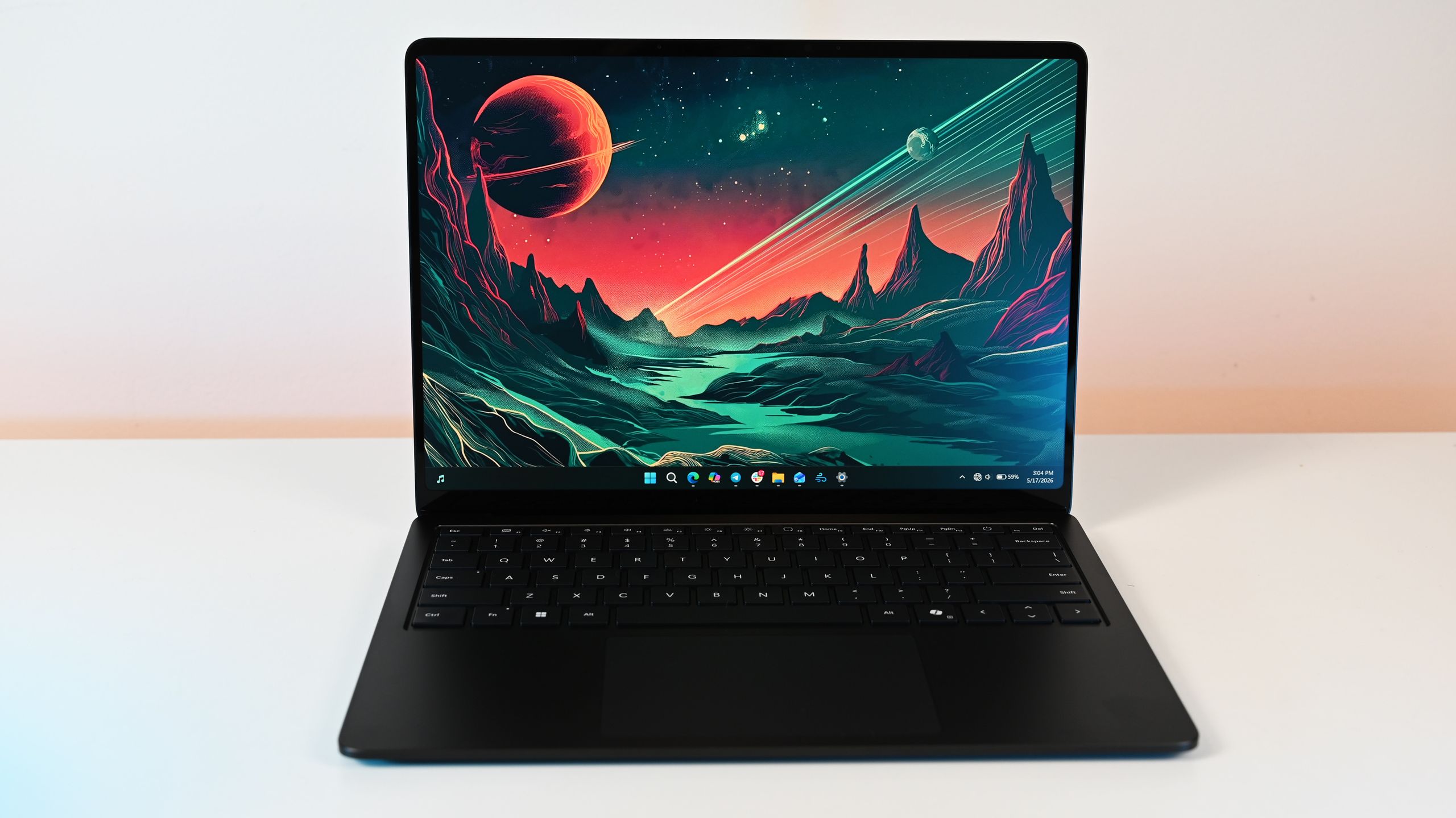
The most striking change is how grown-up the Surface Laptop 8 specs and configuration story has become. Businesses can choose between a 10-core Snapdragon X2 Plus or a 12-core Snapdragon X2 Elite, both backed by a Qualcomm Hexagon NPU that delivers up to 80 TOPS of AI performance—almost twice the 45 TOPS in previous Snapdragon X-powered Surfaces. That figure is not marketing fluff; it is a concrete signal that Windows ARM processors are being built for local AI-heavy workflows, not just battery benchmarks. The business Surface Laptop arrives in 13.8-inch and 15-inch sizes with up to 64GB of LPDDR5x RAM and up to 2TB of removable PCIe Gen 4 storage, plus claims of up to 20 hours of video playback for the 13.8-inch model and up to 19 hours for the 15-inch. Those numbers matter in boardrooms and on flights, where uptime beats raw synthetic scores every time.
Real-World Performance: Still Chasing, But Close Enough
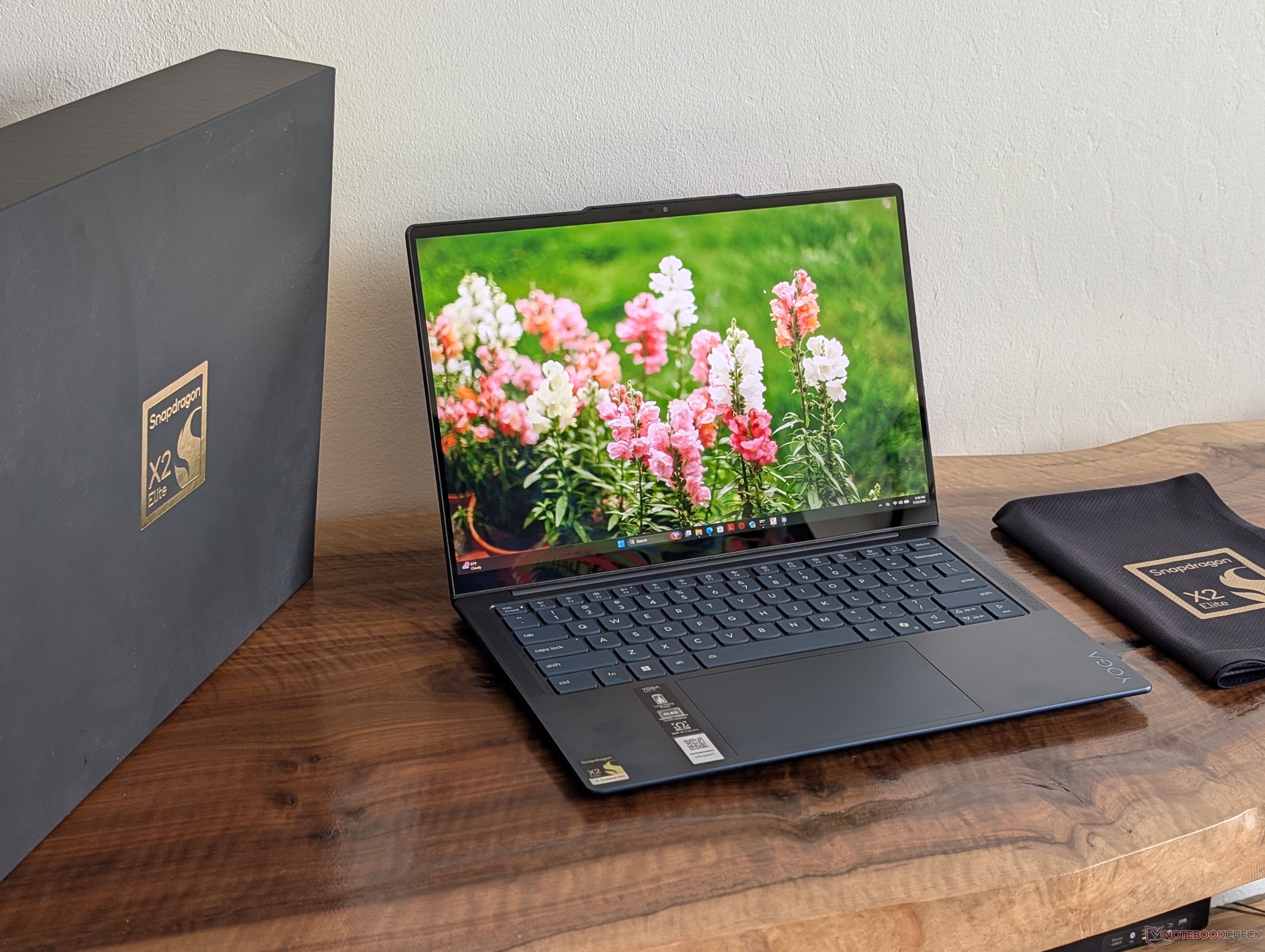
Benchmarks tell a more nuanced story. In demanding graphics tests like Baldur’s Gate 3 at 1080p, a Panther Lake-based MSI Prestige 16 AI C3MTG with an Intel Core Ultra X7 358H and Intel Arc B390 iGPU clearly leads, hitting 51.7 fps at Ultra settings, while Snapdragon X2 Elite laptops such as the Asus Zenbook A16 reach 42.5 fps and stay behind that Intel configuration. AMD’s Ryzen AI 9 HX 370 in the Framework Laptop 13.5 also remains a strong x86 option. Microsoft’s own Snapdragon-powered hardware sits lower in that stack: the Surface Pro 13 OLED with Snapdragon X2 Elite manages 39.4 fps at 1080p Low, and the Surface Laptop 8 with Snapdragon X2 Plus reaches 34.2 fps. On paper, that looks like a deficit. In practice, it is “good enough” for the majority of business workloads that revolve around Office, conferencing, browsers, and AI-assisted apps rather than AAA gaming.
The Only Laptop That Lets You Feel Windows 11
Where Snapdragon X2 Surfaces stop being copies of x86 laptops and start feeling genuinely new is in the way you interact with them. The updated Surface Laptop includes a larger haptic touchpad, and on select 13.8-inch business configurations, an integrated privacy screen for shoulder-surfing protection. More importantly, the Surface Laptop 8 is currently the only laptop that supports Windows 11’s advanced haptics feature. Advanced haptics sends subtle bumps through the touchpad, mouse, or stylus so you can feel Snap Layouts, window controls, and file movements instead of just seeing them. The haptic touchpad of the Surface Laptop 8 sends subtle vibrations when you perform actions like moving a file within File Explorer, making confirmation tactile instead of purely visual. According to one editor who tried the feature, “Windows 11’s new ‘Haptic Signals’ feature is a quality of life upgrade [he] didn’t realize the OS needed until [he] tried it.”
Business Implications: Time to Take Windows on ARM Seriously
The bigger story is not that ARM can almost keep up with Intel and AMD on some tests; it is that Snapdragon X2 performance is now being shipped in machines that tick every enterprise checkbox. The Surface Pro for Business offers 16GB, 32GB, or 64GB of LPDDR5x RAM and up to 1TB of removable storage, while the Surface Laptop for Business scales to 64GB and 2TB, both with Wi‑Fi 7 and Copilot+ PC experiences running locally on the 80 TOPS NPU. They ship with Windows 11 Pro and management and security features that matter to IT, and they start at USD 1,649.99 (approx. ₱96,000) in the US. For years, ARM laptops were interesting side projects; now they are priced and equipped like mainstream fleet machines. Businesses that ignore this wave risk locking themselves into hotter, shorter-lived x86 notebooks while their competitors quietly gain longer battery life, integrated privacy, haptics, and AI acceleration as standard equipment.