
Full frame vs crop sensor: what this choice really means
A full frame vs crop sensor comparison is a sensor size comparison between a 36x24mm sensor and smaller formats, asking how that size difference changes field of view, image quality, lens choice, and cost in real-world photography.
If you shoot mostly in daylight or controlled light and use good lenses, the image quality difference between modern full frame and crop sensors is often invisible in normal prints and online use. For most photographers, technique, light, timing, and lens quality matter more than whether the sensor is 36mm wide or 24mm wide. Sensor size still matters, but as a tool choice tied to your style, not a magic upgrade. Full frame bodies make more sense when low light and maximum dynamic range are your daily reality; crop sensors shine when reach, weight, and price matter most. In practice, the photographer’s decisions about exposure, depth of field, contrast, and color shape the final image far more than the camera format choice.
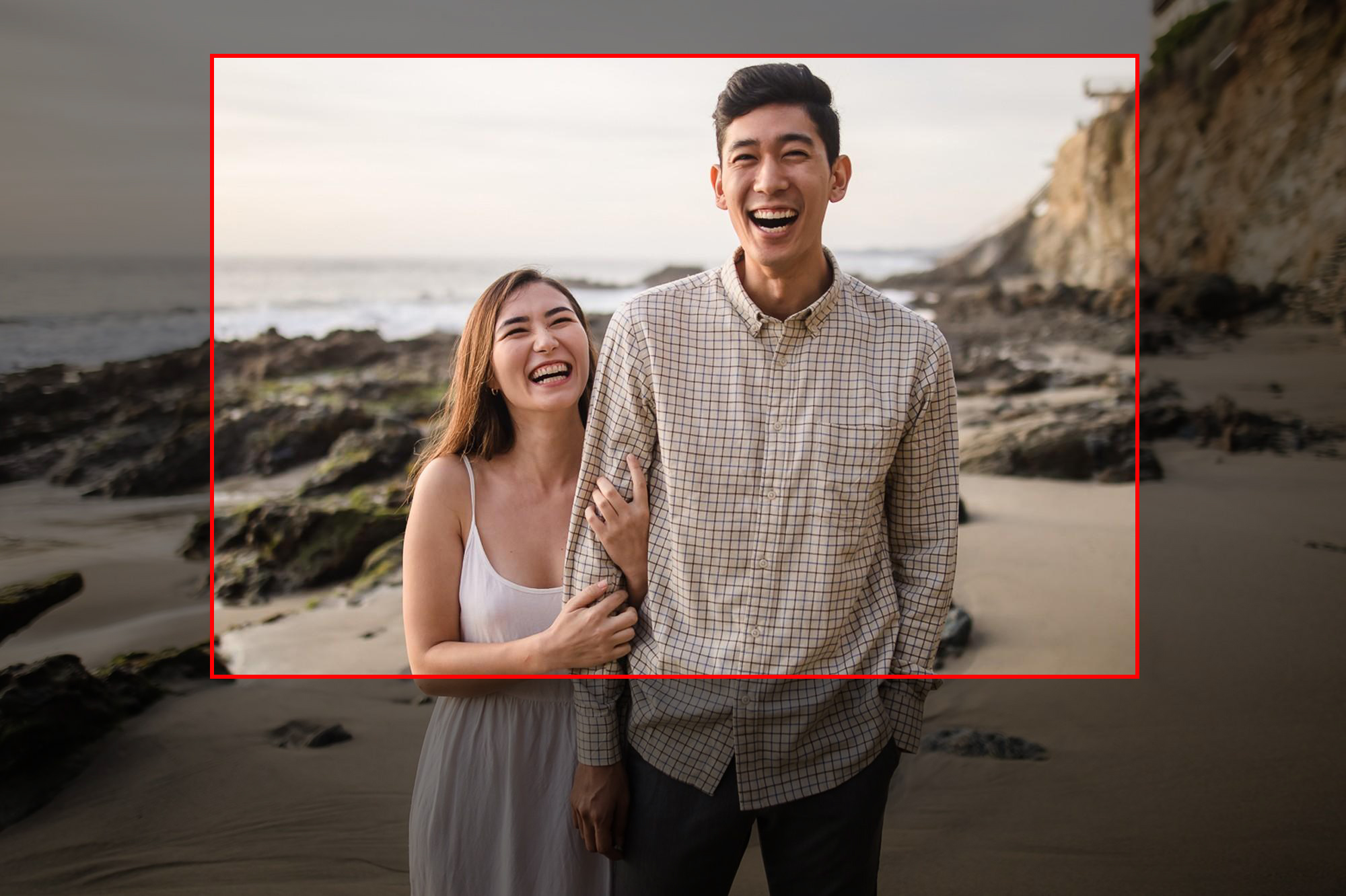
Where crop sensors win: reach, size, and price
Crop sensors are not a watered-down version of full frame; in some jobs they are the better tool. Because the sensor captures a smaller portion of the lens’s image circle, you gain effective focal length multiplication. A 70–200mm on APS-C gives the field of view of roughly a 105–300mm on full frame, which is free telephoto reach without adding heavier glass. For wildlife, sports, and bird photography, that extra framing tightness is a clear advantage, not a compromise.
Smaller sensors allow smaller bodies and lenses, so crop systems tend to be lighter and more travel‑friendly. Manufacturing a full frame sensor is dramatically more expensive than manufacturing an APS-C sensor, and that cost flows into both bodies and lenses. A capable APS-C camera plus a quality 70–200mm f/2.8 equivalent can be put together for significantly less than a comparable full frame kit. If you care about value, portability, or reach more than extreme low‑light performance, a crop camera format choice is often the smarter buy.
| Dimension | Crop sensor (APS-C / Micro Four Thirds) | Full frame |
|---|---|---|
| Telephoto framing with the same lens | Tighter field of view (effective focal length multiplied by crop factor) | Wider field of view at the same focal length and distance |
| Body and lens size/weight | Typically smaller and lighter systems | Generally larger and heavier systems |
| System cost | Lower body and lens manufacturing cost; full telephoto kits available for significantly less overall spend | Higher body and lens cost due to larger sensor manufacturing expense |
| Daylight image quality | Indistinguishable from full frame in good light at most output sizes | Indistinguishable from crop in good light at most output sizes |
| Low-light / high ISO performance | Good, but shows noise earlier at the highest ISOs | Cleaner files at higher ISO thanks to larger photosites |
| Dynamic range headroom | Solid, but less room for extreme highlight/shadow recovery | Broader dynamic range for challenging contrast and heavy editing |
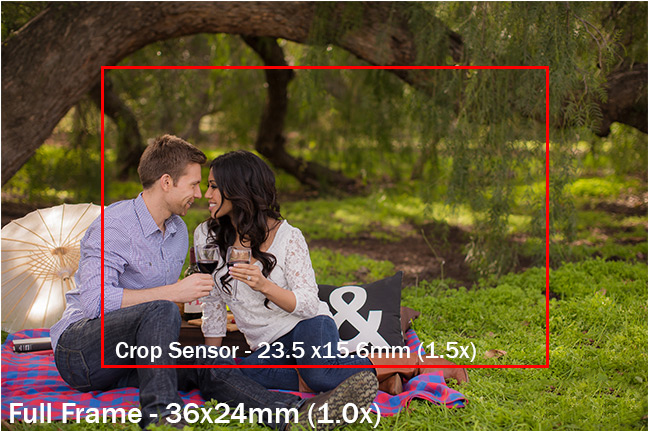
Where full frame wins: low light, dynamic range, and depth of field
Full frame sensors bring their biggest gains when light is scarce or contrast is harsh. With larger photosites at the same megapixel count, they produce a stronger signal relative to noise, so images stay usable at higher ISOs where APS-C files start to break down. That matters for weddings in dim reception halls, fast action indoors, and documentary work under mixed artificial light. Full frame cameras also offer broader dynamic range, so they retain more detail in both bright highlights and deep shadows in high‑contrast scenes like backlit portraits or interiors with bright windows.
At equivalent fields of view and apertures, full frame gives a shallower depth of field than a crop sensor. That extra subject-background separation is useful for portraits and detail shots. You can imitate a “full frame look” on smaller sensors with faster or longer lenses and by moving closer, but that requires more deliberate setup. For photographers whose main limitation is image quality in bad light or maximum editing headroom, full frame’s benefits are worth the higher system cost.
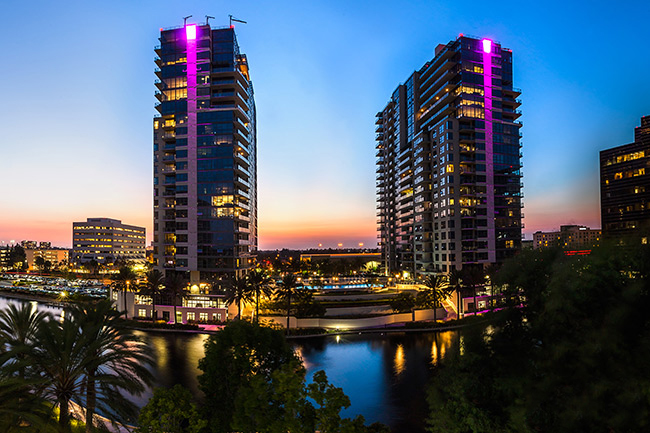
Image quality difference in practice: light, lenses, and technique
In everyday shooting, especially in good light, the sensor size difference is not what caps your image quality. Current APS-C sensors from major brands can deliver daylight images that are indistinguishable from full frame at common viewing sizes. Smaller formats like APS-C and Micro Four Thirds can produce jaw‑dropping photos when used well. One quotable way to think about it: “Here’s the absolute truth about sensor sizes and image quality: in the hands of a photographer that sits there and uses a camera for what it is, the camera will produce fantastic images.”
To make crop sensor images look like they came from larger sensors, you rely on the same fundamentals: control depth of field by using wider apertures, longer lenses, and by moving closer to your subject; shape light and contrast; pay attention to color. A fast lens, such as an f/0.95 prime on Micro Four Thirds, can give depth of field similar to around f/1.9 on full frame while benefiting from careful composition and lighting. Technique, light, timing, and lens quality matter more than sensor dimensions for most photographers shooting in reasonable light.

Budget, ecosystems, and matching sensor size to your style
Because full frame sensors cost more to manufacture, their bodies and lenses are more expensive. That affects your whole kit, from wide zooms to fast primes. Meanwhile, you can build an APS-C body and a quality 70–200mm f/2.8 equivalent for significantly less than a comparable full frame setup. Even outside cameras, subscription content tied to photography can be inexpensive; for example, one platform cites a subscription at USD 3.99 (approx. ₱225) per month or USD 25 (approx. ₱1,400) per year. Your budget should guide not only sensor size but how much you can invest in lenses and education.
For many, the deciding factor is system fit rather than sensor bragging rights. Full frame makes the most sense for wedding and event shooters in variable light, portrait photographers hungry for smooth background blur, landscape and architectural photographers who need maximum dynamic range and true wide perspectives, and anyone whose main limitation is image quality in difficult light. Crop sensor systems suit wildlife and sports photographers who want maximum telephoto reach, travel photographers who care about portability, photographers building skills on a budget, and anyone who works mostly in good light where high ISO performance is seldom tested.
Buy if / Skip if
- Buy the full frame option if your work often pushes ISO high in dark venues and you need cleaner files and wider dynamic range more than you need a small kit.
- Skip the full frame option if you are still learning, shoot mostly in good light, and your budget limits how much you can spend on lenses and accessories.
- Buy the crop sensor option if you shoot wildlife, birds, or sports and want the extra effective telephoto reach without heavier, longer lenses.
- Skip the crop sensor option if your priority is the shallowest possible depth of field and maximum editing latitude in extreme high‑contrast scenes.
- Buy the full frame option if you focus on portraits, weddings, or high‑end landscape and architectural work where subtle image quality gains matter to your clients.
- Skip the full frame option if carrying a compact, lightweight travel kit matters more to you than the marginal gains of a larger sensor.
- Buy the crop sensor option if you want the best performance per dollar and prefer to invest more of your budget in quality lenses and learning your craft.