
Film Lab Education: The Missing Piece in Digital Photography Fundamentals
Film lab education for digital photographers means learning how negatives are exposed, developed, and printed so you can treat your sensor data like a malleable emulsion instead of a fixed picture, using ideas from chemistry, optics, and darkroom craft to guide every capture and edit decision.
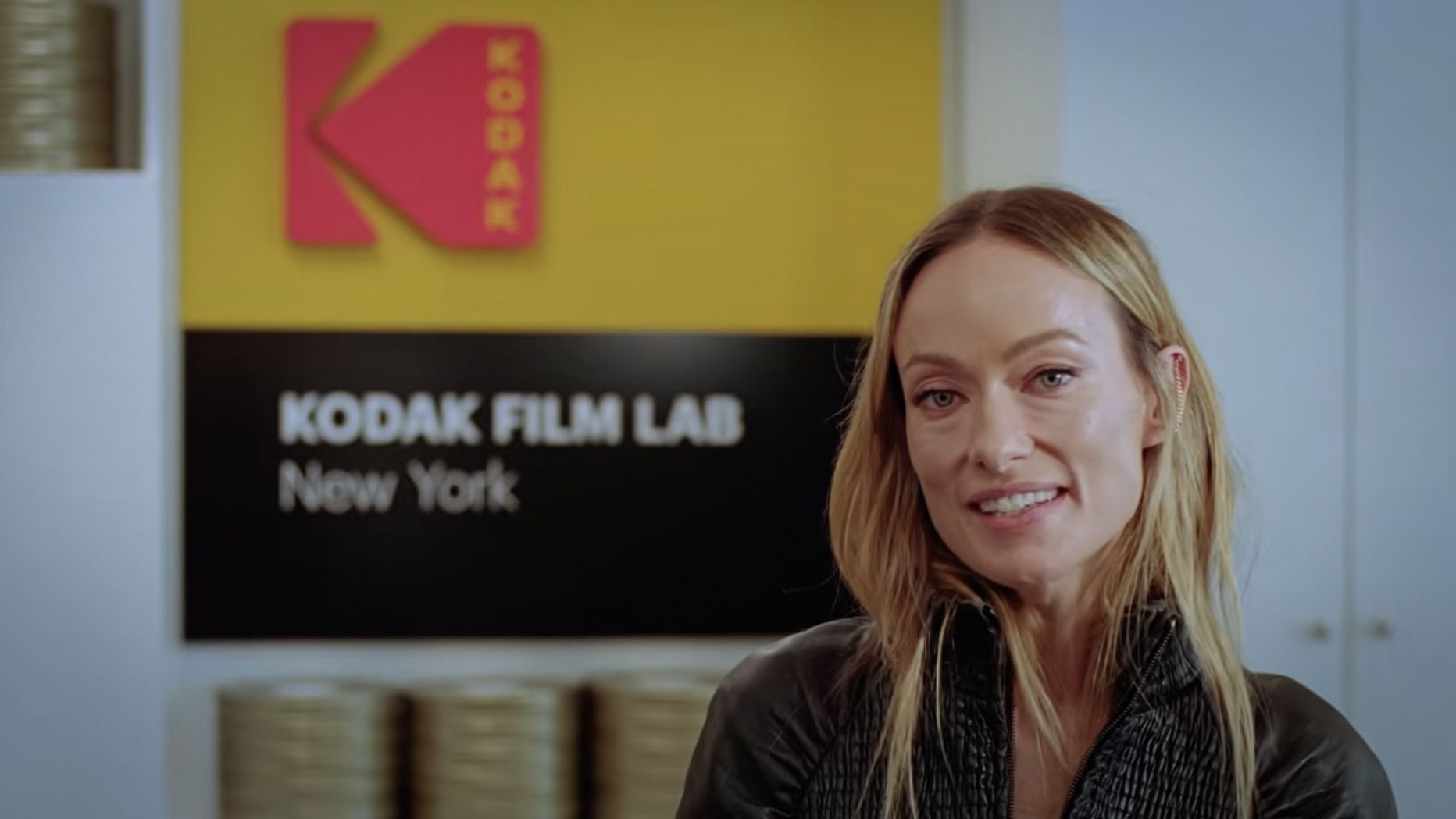
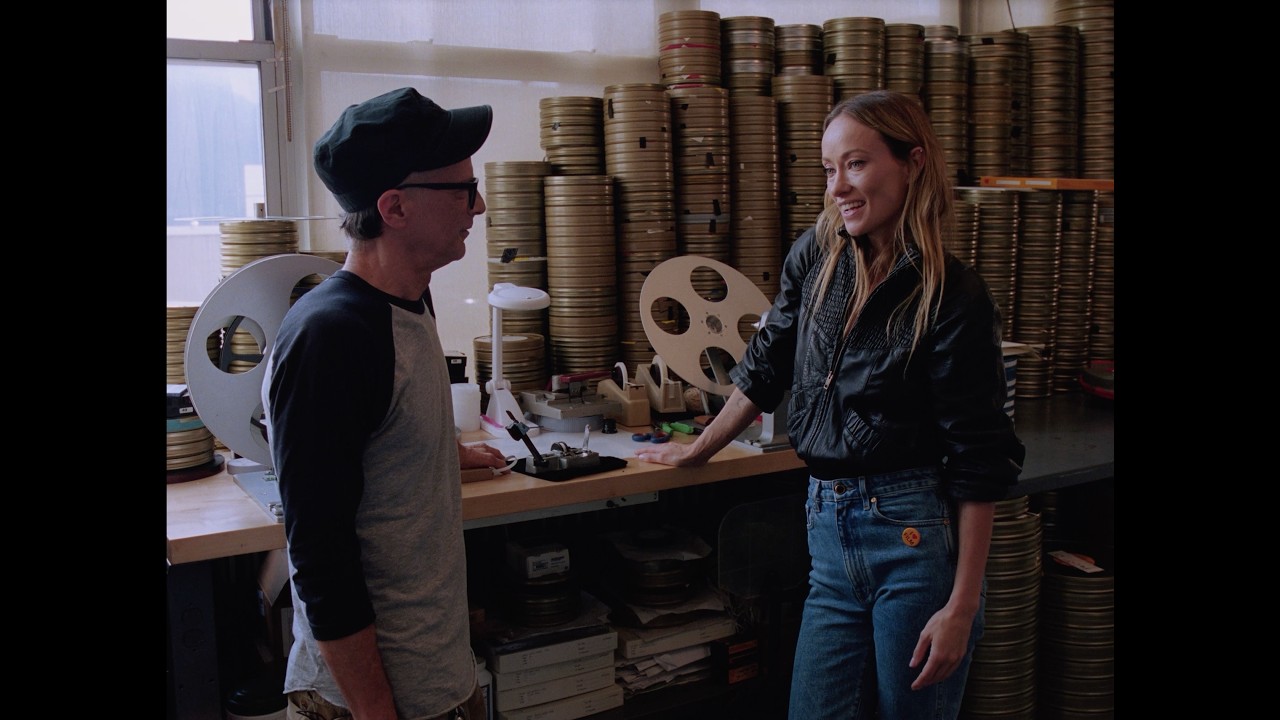
If you shoot only digital, you might think film processing knowledge is irrelevant. That assumption quietly limits your work. When a digital-native photographer admits they have “zero knowledge of how film is processed” while being glued to sensor-driven cameras, what they are also admitting is a blind spot in understanding how images become images. Watching a tour of a major film lab makes this gap obvious, because it reveals not only machines but the process and craft of film photography. This isn’t nostalgia; it is a different way of thinking about exposure, tone, and intent. Digital files are not photos; they are raw material. Film thinking trains you to respect that material and shape it with purpose instead of sliding sliders until it looks good on your monitor.
What Hand‑Built Film Negatives Teach You About Making a RAW File
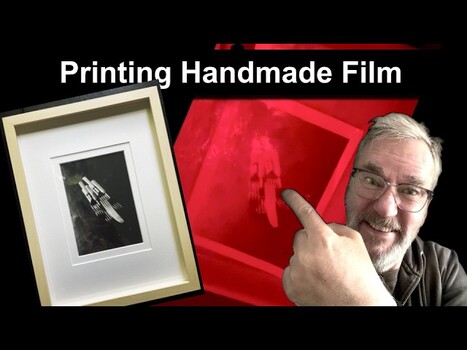
A chemist coating emulsion by hand from raw silver, gelatin, and chemicals onto film is the analog equivalent of how you configure your camera’s sensor, profiles, and exposure decisions before pressing the shutter. When a photographer asks for film that is heavy on nuance, low on contrast, and slow, they are asking for a negative that protects information and defers big tonal choices to the darkroom. The same photographer treats dust spots and blemishes as character, not defects, using a deliberately soft negative so that contrast and mood can be added later in printing rather than baked in at exposure. That is exactly how you should think about digital photography fundamentals: expose to retain detail, keep in-camera contrast and saturation modest, and treat your RAW file as a soft, information-rich negative whose real personality emerges in the “print” stage, whether that is a screen export or physical paper.
According to one account of this custom emulsion project, the photographer even built compositions around the missing anti-halation layer, embracing bright metal on black backgrounds that produce aggressive blacks and shining highlights instead of trying to hide the quirk. This is a masterclass in intentionality. You can mirror that mindset by learning how your sensor blooms, clips, or flares and then composing to exploit those traits. Film lab thinking is not about copying a retro look; it is about designing the behavior of your negative—analog or digital—so that the important creative work happens at the right stage, not by accident in post.
From Darkroom Chemistry to Lightroom: Why Process Matters More Than Presets
Standing in a darkroom watching an image appear on orthochromatic film under red light, the photographer can see development happen in real time, adjusting timing and technique instead of guessing in the dark. That kind of feedback loop is exactly what most digital editors skip when they charge straight into presets. Film lab workers live inside a pipeline: exposure, development, printing, washing, and finishing. Digital photographers, by contrast, often treat editing in Lightroom as an afterthought rather than the digital equivalent of being in the lab. Yet the tour of a major film lab shows how much craft sits between the shutter click and a finished photograph.
The same analog mindset improves your color science decisions in software. In the lab, small shifts in chemistry or timing change density and tone across the negative; you either respect that chain or ruin the roll. In software, global changes to white balance, camera profiles, or tone curves are your chemical bath. Film printers pick paper, exposure, and dodging to fit each negative, then spend time washing prints to clear leftover fixer and signing the backs before framing. You should be that deliberate: choose a profile that suits the file, use local adjustments instead of global sledgehammers, and treat soft proofing and output as part of the image, not an afterthought. Process, not presets, is what gives your work consistency.
Digital–Analog Parallels: Building a Real Bond With Your Photographs
One digital-native writer noted that something digital photography may never replicate is the bond film photographers develop with their craft, because it is as much about being in the lab with materials and chemicals as it is about taking the photo. That bond matters. It slows you down, forces you to understand cause and effect, and makes each frame feel earned. You can mimic that bond in digital by treating editing as more than screen time. Yes, editing in Lightroom is the digital equivalent of darkroom printing, but only if you approach it as a physical maker would: with intention, patience, and a sense that nothing is finished until it is printed or meaningfully displayed.
Film printers will selectively correct dust, leave some flaws as character, trim curled edges, and match frame color and mount to each image. That level of attention is not nostalgia; it is respect for the photograph. Digital photographers who learn from film processing knowledge start to see their files as objects that deserve the same care. If you feel detached from your work, film lab education might be the cure. It pushes you to think in stages, accept the physicality of light-sensitive materials even when they are silicon, and commit to your choices. You do not need to shoot film to benefit. You just need to stop treating digital as a shortcut and start treating it as a craft.