

Counterfeit PC Components: A Hidden Threat to Enthusiast Builds
Counterfeit PC components are fake or tampered hardware items—such as RAM, SSDs, and other parts—sold as genuine products, often with convincing packaging and labels, that may work briefly or partially but ultimately fail, underperform, or misreport their true capacity, risking data loss, system instability, and wasted money for unsuspecting buyers. If you’re planning a premium build with parts like RTX 4090 GPUs or large SSDs, you are in the scammers’ crosshairs. They know enthusiasts will pay for performance and are more likely to chase attractive deals on big-name brands. That doesn’t mean you should stop buying online, but it does mean you can’t treat a component box as proof of legitimacy. Counterfeit PC components are no longer obvious junk; they’re subtle, deceptive products designed to survive a quick glance and a basic benchmark.
What Real PC Component Scams Look Like in Practice
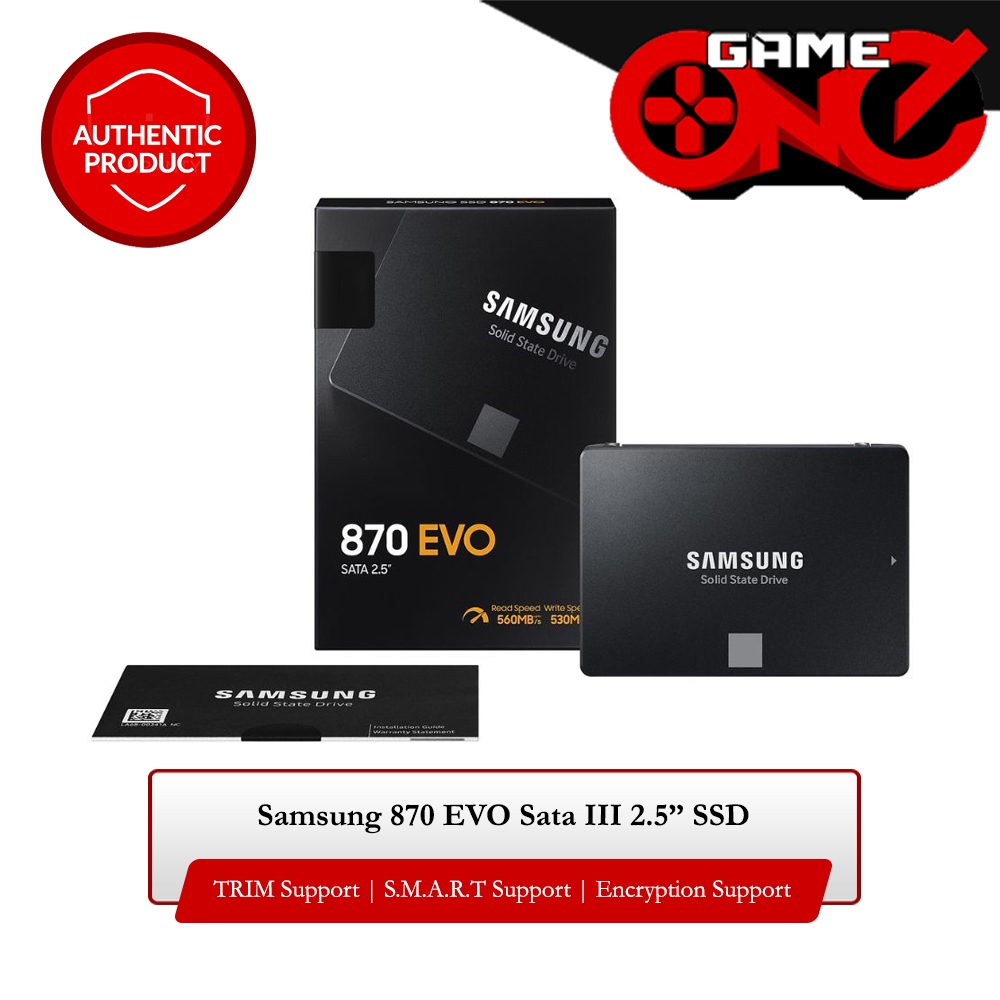
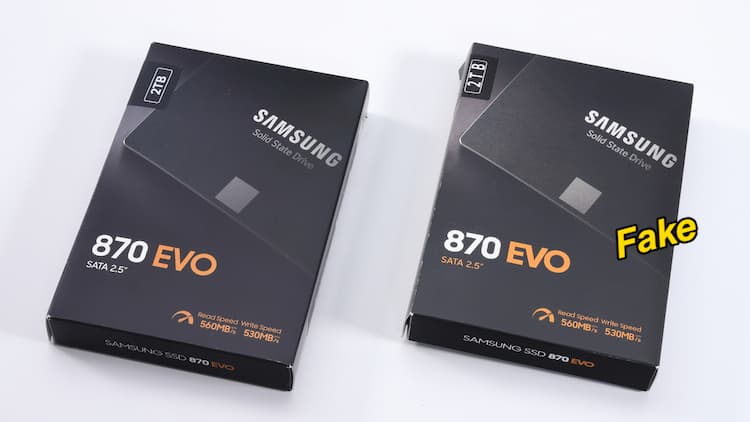
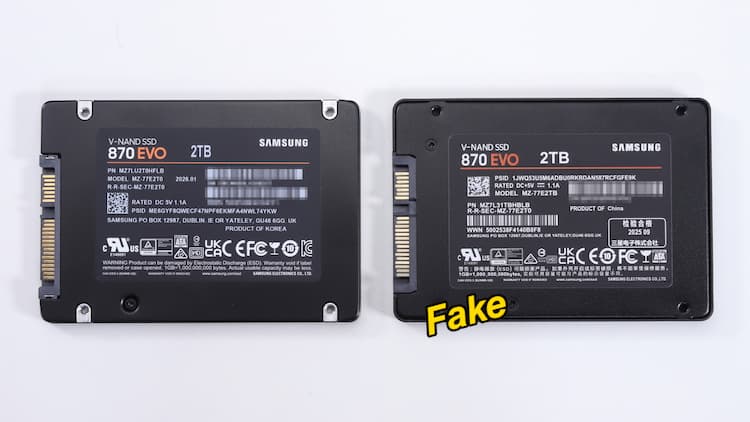
Scams around RAM and SSDs now rely on being believable, not brilliant. Overclocking.com reviewed a fake Samsung 870 Evo SSD whose box and drive looked close to the real thing: near-identical packaging, slight color differences, and misaligned labels that only stood out once examined. In Windows, the drive appeared as a 2 TB SSD and delivered around 492 MB/s read and 467 MB/s write speeds—perfectly plausible for SATA. The fraud only revealed itself when a full-capacity test caused writes to stall at roughly 120 GB, corrupting data and breaking drive detection. In other words, a 120 GB SSD was disguised as a 2 TB model. On the RAM side, a Redditor reported to TechRadar that they ordered Corsair DDR5 RAM from Amazon and opened the box to find dummy light enhancement sticks instead of memory modules. According to TechRadar, the buyer’s decision to record the unboxing is what made their return straightforward.
Fake RAM Detection and Counterfeit SSD Identification: What to Check First
You should assume every high-value component you buy could be counterfeit until it proves otherwise. That mindset pushes you to verify, not trust. For RAM and SSDs, start with packaging: check print quality, color saturation, and whether the box style matches current manufacturer practice. TechRadar notes that Corsair moved from cardboard boxes to clear blister packs to fight return scams, so receiving older-style packaging is a red flag worth investigating. On SSDs like the fake Samsung 870 Evo, misaligned capacity markings, off-color boxes, and sloppy compliance logos are all signals. Next, inspect the label and serials—uneven fonts, QR codes that fail to resolve, or barcodes that don’t match the product page are warning signs. When possible, use vendor tools or support sites to confirm serial numbers. High-end builders chasing rare GPUs and large-capacity drives should treat "too good" deals as suspect until verified.
Test Immediately: How to Expose Hidden Scams Before They Hurt You
Visual inspection is only the first filter; testing is where PC component scams usually fall apart. For SSDs, don’t stop at a quick benchmark. Fill as much of the advertised capacity as you can with test data and watch performance. In the fake 870 Evo case, normal speeds collapsed to 0 MB/s after about 120 GB, and a reboot left the drive misdetected with data inaccessible. That failure pattern—working up to a smaller real capacity, then breaking—is typical of capacity-misreported drives. For RAM, boot into the BIOS and confirm that the correct capacity and speed are detected, then run a memory test. If you receive non-functional RAM or dummy light sticks, like the Redditor’s "light enhancement kits" inside a RAM box, your system will either refuse to boot or show the wrong capacity. Enthusiast systems built around parts like RTX 4090s should undergo this kind of testing as routine, because any weak link can take the whole build down.
Use Marketplace Protections—But Be Ready to Prove Everything
Marketplaces are not powerless, but their protections favor buyers who act fast and document everything. TechRadar’s coverage of the Amazon RAM scam makes one point crystal clear: recording your unboxing is cheap insurance. It turns your suspicion into evidence—a dated video showing you opened the box and received a fake item or light kit instead of real RAM. If your SSD corrupts data or fails capacity tests, take screenshots of benchmark results and error messages. Overclocking.com’s deep dive into the fake Samsung 870 Evo shows how effective thorough testing and documentation can be in proving a component is counterfeit or misrepresented. The longer you wait to test, the harder refunds become and the greater your risk of data loss. Treat every delivery like a limited-time window to challenge a seller: verify immediately, record your findings, and escalate disputes before return periods expire.