
3D bioprinting startups move from hype to tangible regenerative tissue
3D bioprinting startups are young companies that use high‑resolution 3D printing, biocompatible resins, and tissue scaffolds to create patient‑specific anatomical models and regenerative implants, shifting medicine from standardized devices to custom tissue engineering 3D printing solutions. Instead of chasing distant dreams of printing whole organs, these teams are targeting concrete problems: surgeons who cannot read flat scans, patients stuck with aging silicone implants, and labs that lack safe flexible materials. The key takeaway is clear: regenerative tissue manufacturing is no longer a research side project inside big corporations, but a focused startup agenda attracting attention and awards. That shift is not just a change in ownership structure; it is changing what gets built, how fast it is tested, and whose needs define the product roadmap.
MedScan 3D shows why surgical guide 3D printing is now a business, not a novelty
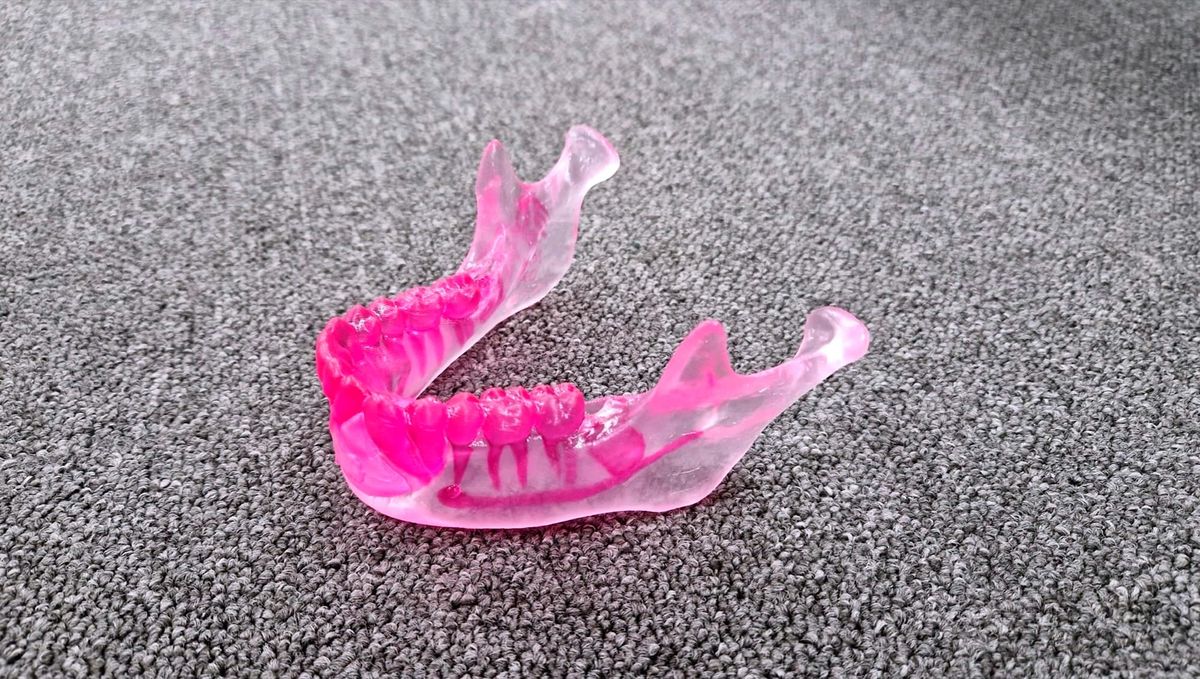
MedScan 3D began with a practical frustration in the operating theatre more than seven years ago, when surgical rep Jacqui O’Connor kept watching surgeons struggle to interpret the depth and scale of 2D scans. During maternity leave, she turned that observation into a startup that converts scan data into anatomically precise vascular models for training, research, and surgical planning. This is not gadgetry; it is a direct answer to the chaos of making high‑stakes decisions in a frantic operating room where flat images of complex brains are an obvious mismatch for reality. MedScan 3D’s win at the MedTech Innovation Expo start‑up pitch competition signals that investors and judges are finally willing to treat such surgical guide 3D printing as a serious business case, not a side‑show demo. When O’Connor says that, if investment came to their door, they would consider it, she is reflecting a market that is waking up to the value of patient‑specific planning tools.
Genesis Tissue and the push to replace silicone with living breast tissue
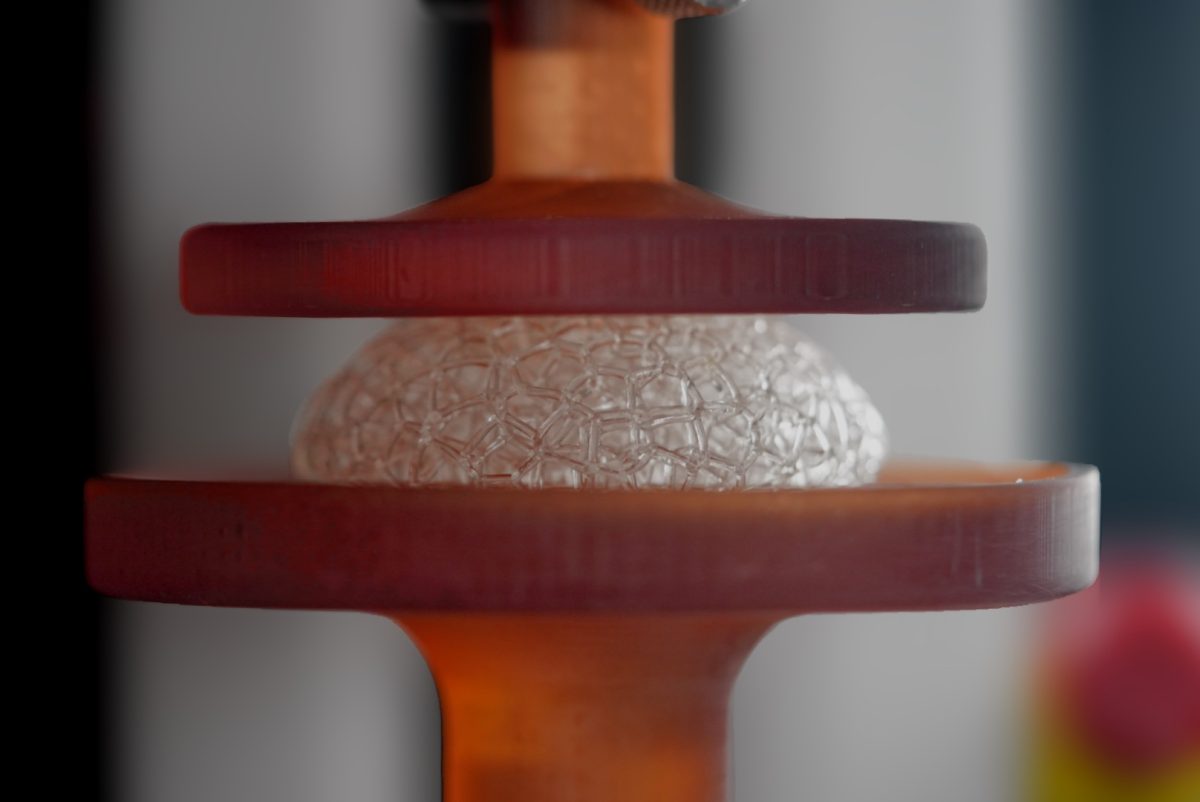
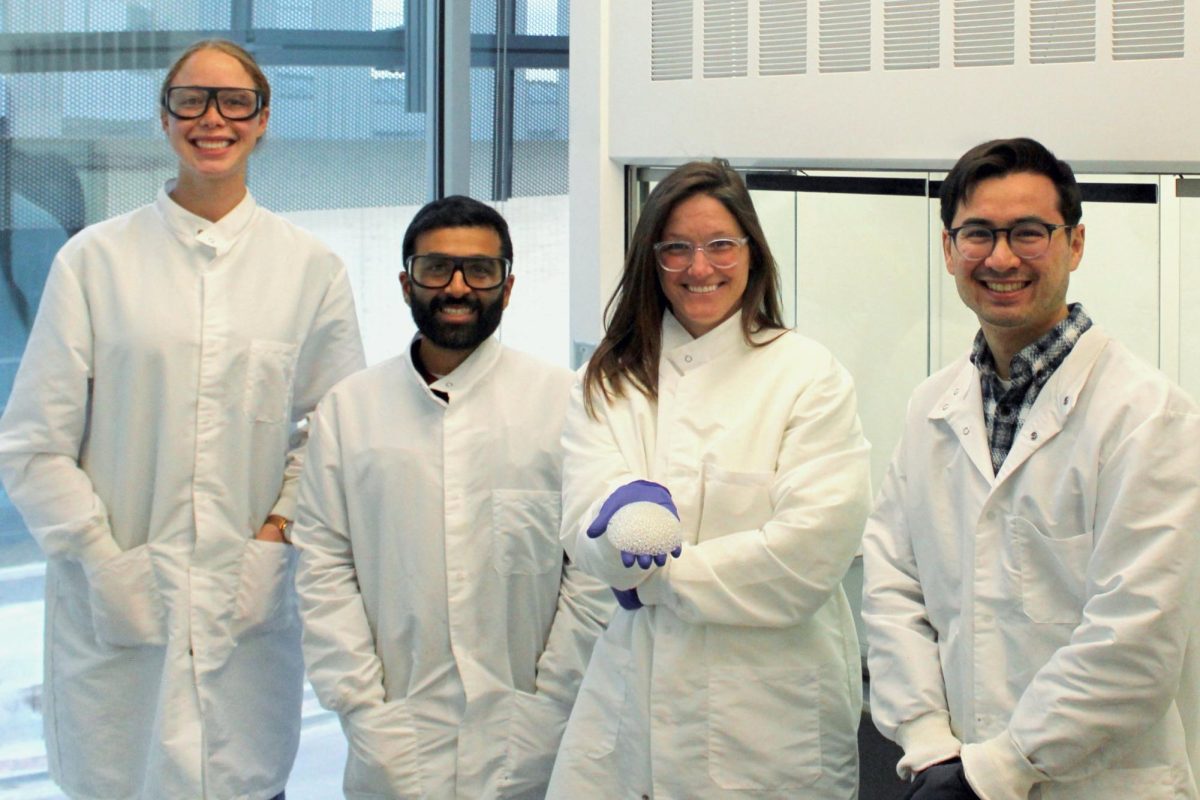
The more radical story in regenerative tissue manufacturing is Genesis Tissue, founded after Katie Weimer left a 17‑year run building healthcare applications at a major 3D printing company to save a regenerative breast tissue project from being shelved. That choice alone is a market signal: meaningful tissue engineering 3D printing work can die inside large organizations unless someone spins it out with focused money and attention. Genesis Tissue is developing a 3D printed scaffold that helps patients regenerate their own breast tissue after cancer surgery, using the body as the bioreactor by filling a patient‑specific scaffold with the patient’s fat, which is rich in stem cells and regenerative components. This directly challenges a status quo in which silicone implants represent roughly 80–90% of breast implants placed each year, even though about one‑third develop complications and tens of thousands are removed annually. The point is not to demonize silicone, but to argue that continuing to rely on permanent foreign implants when we can print degradable, anatomically matched scaffolds is an avoidable compromise.
Biocompatible resins medical labs needed: from rigid guides to flexible anatomy
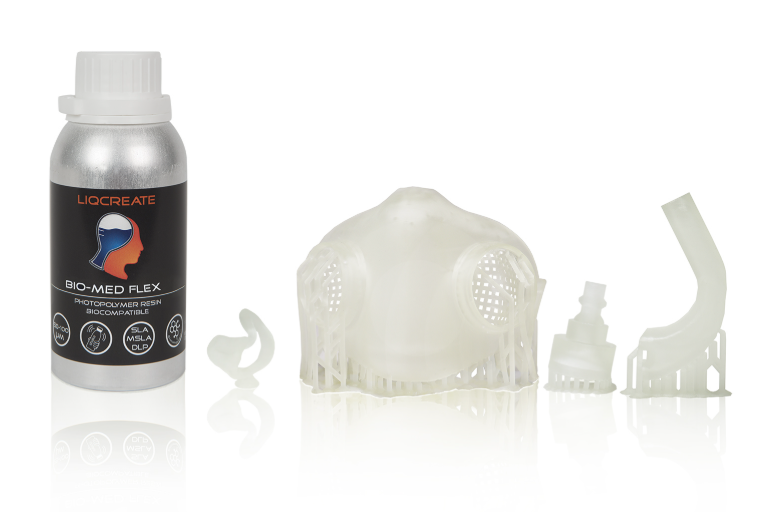
Hardware and vision do not matter if materials cannot safely touch the body. For years, rigid biocompatible resins have handled dental models and surgical guide 3D printing workflows, but they are useless for soft fixtures, flexible anatomical models, and wearable housings. Labs either went without or relied on industrial elastomers that were expensive, slow to source, and often had to be made out‑of‑house. Liqcreate’s Bio‑Med Flex targets that gap: a clear flexible photopolymer designed for sterilizable, biocompatible medical and biomedical applications, positioned as the flexible counterpart to its long‑used rigid Bio‑Med Clear resin. With a Shore A hardness of 73, tensile strength of 5.0 MPa, elongation at break between 180 and 250%, and tear strength between 20 and 28 kN/m, it behaves like a firm rubber gasket that can bend and stretch before failure. The more important story is its validated workflow, which allows printed parts to pass cytotoxicity, sensitization, and irritation testing under multiple ISO 10993 standards when processed correctly. That is what moves biocompatible resins medical applications from promising prototypes to reliable clinical tools.
The next phase: focused platforms, validated workflows, and realistic timelines
The emerging pattern is that 3D bioprinting startups win when they pick specific problems and build platform technologies around them. Genesis Tissue is still in the preclinical phase, running large‑animal studies and facing the full grind of multi‑year testing and regulatory review before reaching patients. Its immediate aim is breast reconstruction, but its scaffold‑plus‑fat platform could extend to pressure ulcers, traumatic injuries, cosmetic procedures, and other soft‑tissue indications over time. Likewise, material providers that publish validated print profiles and update them as new machines qualify turn abstract resin specs into usable lab workflows, often deciding whether a resin becomes a staple or gathers dust. The lesson is uncomfortable for those who want instant disruption: regenerative tissue manufacturing will move on the timelines of biology and regulation, not software. But the combination of patient‑specific models from companies like MedScan 3D, degradable scaffolds from tissue engineering 3D printing startups, and rigorously validated biocompatible resins is already changing how surgeons plan, how patients heal, and how labs prototype. That is enough to say the revolution has started; it is just arriving case by case, scaffold by scaffold, rather than in a single dramatic organ print.