
Metal AM Capacity Becomes Strategic Infrastructure
Metal additive manufacturing capacity for aerospace and defense is the installed base of industrial 3D printing equipment and process know-how that allows contract manufacturers to serially produce complex, high‑value metal components at aerospace manufacturing scale, using large‑format, high‑throughput systems as a hedge against long lead times and fragile supply chains. What Beehive Industries and Mears Machine Corporation are doing now is not a modest technology trial; it is a strategic move. By buying multiple ultra‑large‑format metal 3D printing systems, they are treating additive manufacturing equipment as core production infrastructure, not a niche prototyping tool. That shift matters. When contract manufacturers commit fleets of machines to metal 3D printing capacity, they signal to aerospace primes and defense programs that the technology is ready to carry real production loads, with serial output measured in programs and platforms, not one‑off demonstrators.
Beehive Industries: Owning Scarce Ultra-Large-Format Capacity
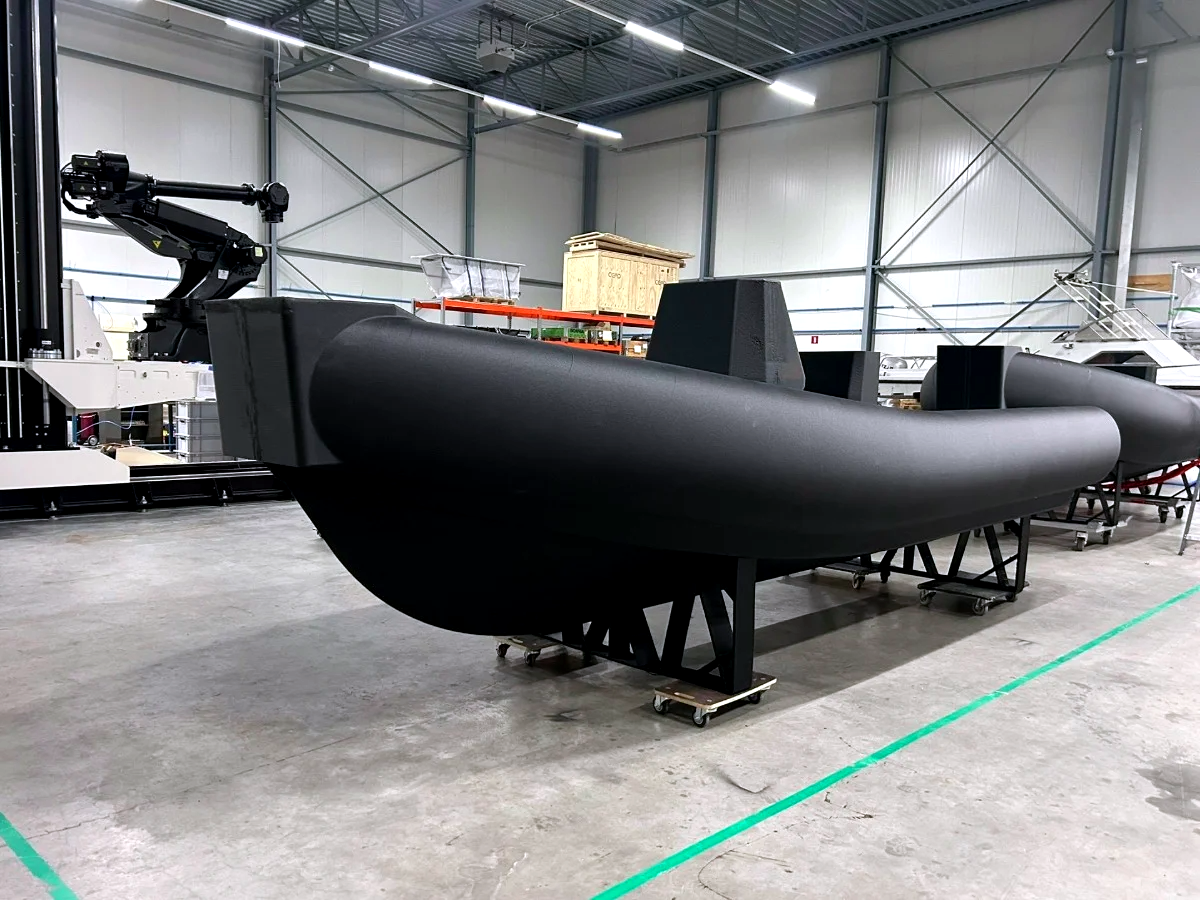
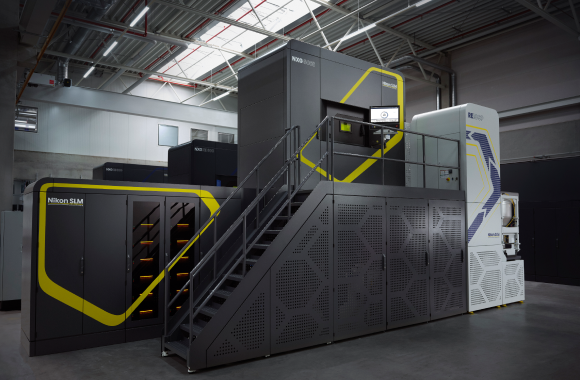
Beehive Industries’ multi‑unit order of Nikon SLM Solutions’ NXG 600E systems is a deliberate bet on scale. The NXG 600E combines a 600 x 600 x 1500 mm build envelope with twelve 1 kW lasers aimed squarely at high‑throughput serial production of large metal parts. Beehive will dedicate one machine to Constellium’s Aheadd CP1 aluminum and another to titanium Ti‑6Al‑4V, letting it print vehicle bodies and large satellite substructures in a single build. According to 3D Printing Industry, domestic ultra‑large‑format laser powder bed fusion capacity remains scarce, and whoever owns these machines “owns the queue.” Beehive is buying that queue position and turning it into a contract manufacturing investment: customers can book time on the hardware, effectively renting access to metal 3D printing capacity they cannot justify owning themselves. This is a clear statement that ultra‑large‑format metal AM is now part of defense and space infrastructure.
Mears Machine: Scaling a Fleet for Serial Aerospace Production
Mears Machine Corporation’s decision to purchase a fifth Velo3D Sapphire XC—and secure options for more—shows similar intent from a different angle. Rather than chasing the absolute largest build volume, Mears is building a standardized fleet aimed at large, complex metal components across aviation, defense, energy, and space. The Sapphire XC platform runs with Flow print preparation software and Assure quality reporting, paired with software‑driven calibration and process controls that keep output consistent across multiple systems and sites. This focus on repeatability is not about fancy demos; it is about supporting programs “from concept through production,” as Mears’ CEO James Lloyd puts it. By expanding production capacity in nickel superalloys like Inconel 718 and Haynes 282 as well as CP1 aluminum, Mears is positioning metal AM as a dependable path for serial production runs, where aerospace primes expect predictable lead times and documented quality, not heroic one‑off builds.
Why Multi-Unit Purchases Change the Aerospace AM Equation
The critical shift here is not that Beehive and Mears own metal 3D printers; it is that they own multiple, production‑grade systems and treat them as a single, scalable manufacturing platform. Multi‑unit purchases of NXG 600E and Sapphire XC machines change the conversation around aerospace manufacturing scale. Instead of asking whether a single part can be printed, contract manufacturers can promise program‑level throughput backed by fleets of identical or complimentary systems. That matters for aerospace and defense customers under pressure to shorten development cycles and diversify supply chains. Ultra‑large‑format systems can consolidate assemblies into fewer, more integrated parts, reducing machining, welds, and tooling, while distributed fleets let production be spread across sites without re‑qualifying every machine from scratch. The result is a more resilient supply base where metal 3D printing capacity is a first‑line option for high‑value components, not a last‑resort workaround.
From Experimental Tool to Production Workhorse
The real message in these equipment decisions is that the era of additive manufacturing as an experimental sideline in aerospace is ending. Beehive’s ultra‑large‑format NXG 600E systems and Mears’ growing Sapphire XC fleet represent a contract manufacturing investment in production, not experimentation. Nikon SLM Solutions and Velo3D are clearly targeting this shift: both emphasize scalable, serial production and qualification‑friendly process controls. For aerospace and defense programs, the upside is obvious—complex, lightweight, highly integrated structures that can be produced closer to home with shorter, more predictable lead times. The risk is that companies slow‑walk adoption and miss the window where early movers lock in design wins and long‑term agreements. The conclusion is blunt: if you are still treating metal AM as a lab curiosity while your manufacturing partners commit entire fleets to it, you are already behind the curve in building the next generation of aerospace hardware.