
Detonation engines meet 3D printing — and real flight
Venus Aerospace’s rotating detonation rocket engine is a high‑thrust propulsion system that uses a continuous supersonic detonation wave inside a 3D printed combustion chamber to gain about 15% efficiency over conventional rockets while remaining reusable and suited to domestic mass production. This is not a lab curiosity anymore. Venus has closed a USD 91 million (approx. ₱5,096,000,000) Series B round to scale its detonation engine technology from successful tests into deployable products for defense and space. The raise follows what the company describes as the first successful flight test of a high‑thrust rotating detonation rocket engine, achieved in May 2025. The signal is clear: investors now believe 3D printed rocket engines, particularly detonation designs, are ready to move from exotic research into industrial hardware.

Why investors are betting on Venus Aerospace funding now
Venus Aerospace is being treated less like a speculative science project and more like a strategic supplier. The company’s USD 91 million (approx. ₱5,096,000,000) Series B, led by Mercury Fund with participation from Lockheed Martin Ventures, MESH, PEAK6, Starboard Star Venture Capital, Green Sands Equity, and others, is explicitly about moving from breakthrough to scale. One quotable summary comes from Mercury Fund’s Blair Garrou: the firm backs Venus because it blends frontier technologies with domestic manufacturing and clear defense and commercial relevance. That clarity matters. The funding arrives as the U.S. and its allies prioritize hypersonic and long‑range capability, driving demand for propulsion that outperforms legacy systems in speed and reach. In that context, Venus is positioning itself as a dependable, domestically sourced propulsion platform rather than a one‑off engine program.
Detonation engine technology: efficiency with a manufacturing problem
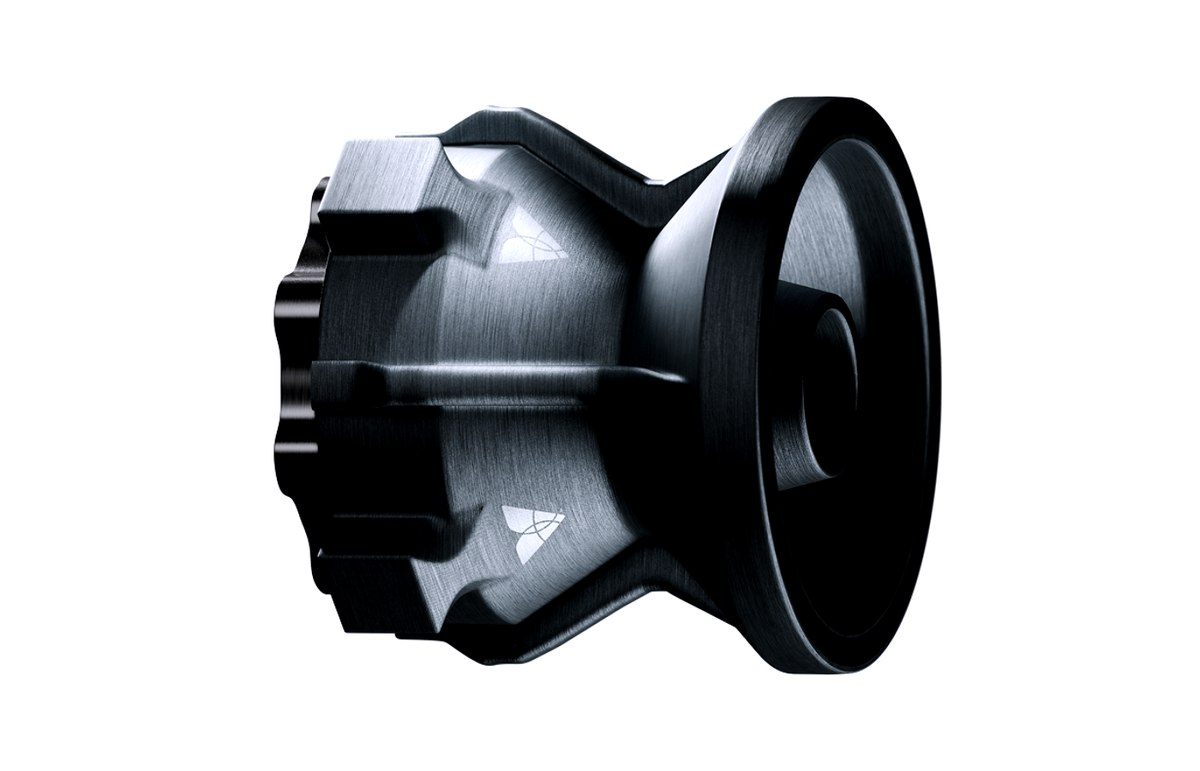
The appeal of detonation engines is straightforward: instead of the subsonic combustion used in conventional rockets, Venus’s RDRE drives a continuous supersonic detonation wave that rotates around the combustion chamber, improving efficiency by about 15% and enabling more flexible payloads. Venus even calls this “the most efficient rocket engine architecture ever flown,” a claim grounded in that double‑digit performance gain. That efficiency, however, comes at a cost. Detonation combustion creates far harsher thermal and pressure environments than traditional engines. Containing that environment and keeping hardware cool demands intricate injectors, internal flow paths, and tightly packed coolant channels that are essentially impossible to fabricate with conventional machining. In other words, detonation engines have always had a manufacturing problem as much as a physics problem—and that is why they stalled in research for decades.
3D printed rocket engines turn theory into hardware
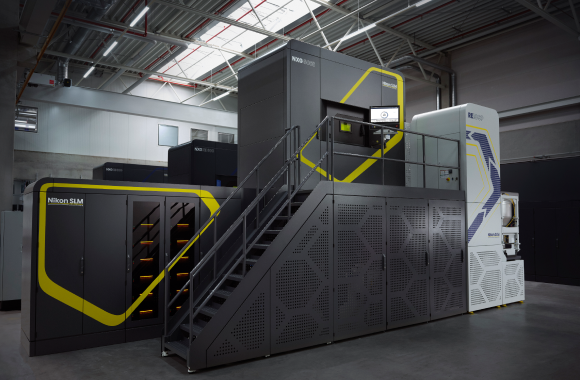
Venus’s answer is to make additive manufacturing aerospace‑grade and central, not optional. Its RDRE is built from 3D printed components paired with standard materials, and designed from the outset for domestic manufacturing at scale to avoid constrained or foreign supply chains. This is not a vanity choice. Across multiple programs, from NASA’s work using laser powder bed fusion and specialized alloys to Astrobotic’s long‑duration RDRE hot‑fire tests, the pattern is the same: detonation combustion is too extreme for traditional fabrication, and 3D printing is what turns the concept into hardware. Venus has shown unusual capital efficiency, reaching its first high‑thrust RDRE flight test in a little over four years on USD 80 million (approx. ₱4,480,000,000) before this round, which suggests that additive workflows are paying off in speed of iteration as well as complexity. 3D printed rocket engines are becoming the default for this class of propulsion, not the exception.
From prototype to platform: what comes next
The most important shift in this funding news is architectural, not financial. Venus is not pitching one engine per mission; it is pitching a common propulsion architecture that can power munitions, space launch vehicles, orbital transfer stages, and landers from the same RDRE platform. The engine is reusable and throttleable, which aligns with that multi‑mission aim. The new capital is earmarked for the next phase of development and production, pushing Venus from demonstration into full‑scale production for near‑term defense and space applications. If the company delivers, detonation engine technology will stop being a niche experiment and become a baseline option for high‑performance propulsion. The wider takeaway is that additive manufacturing aerospace strategies are no longer side projects; they are now the enabling infrastructure for the next generation of rocket architectures.