
BB.01: A 3D-Printed Basketball Shoe Built Around One Player, Not a Mass
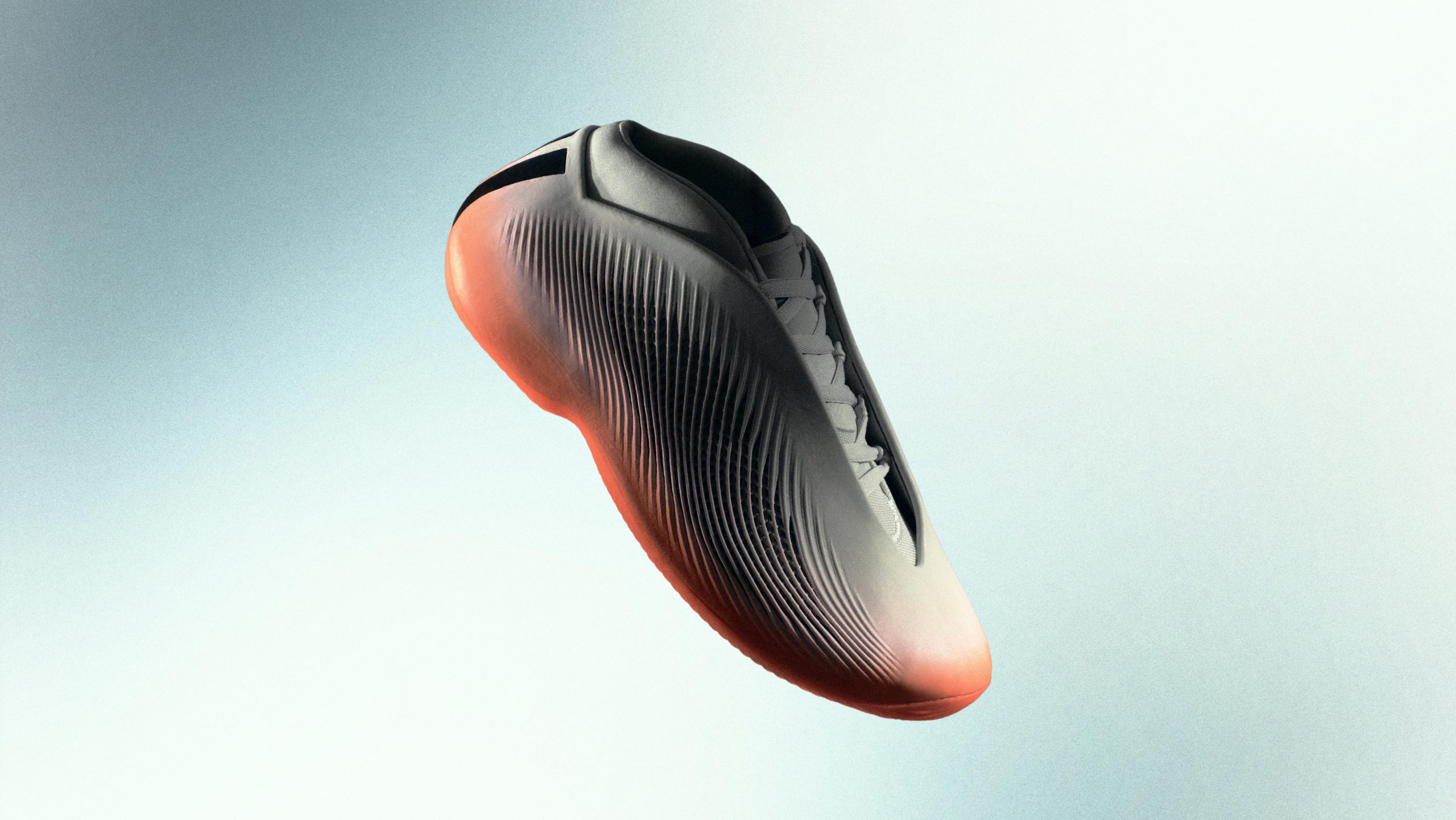
Adidas BB.01 is a performance basketball sneaker built on a 3D printed lattice platform that encloses the foot, using additive manufacturing to deliver custom fit footwear tuned to individual athlete movement and the specific demands of basketball, rather than relying on traditional mass-produced midsoles and uppers. This matters because it turns 3D printed basketball shoes from novelty prototypes into a product designed to take real minutes in NBA-level play, not just sit in a lab. Adidas Basketball has revealed the BB.01 as the opening product of its Project: Radical Athlete Perception (R.A.P.) initiative, framing it as a new approach to athletic footwear that starts with the individual athlete and builds outward. The shoe will first appear on court at NBA Summer League, worn by Adidas athlete Mikel Brown Jr. during his opening game, signaling that this is performance gear, not a tech demo.
Project R.A.P.: From Mass Production to Athlete-Specific Manufacturing
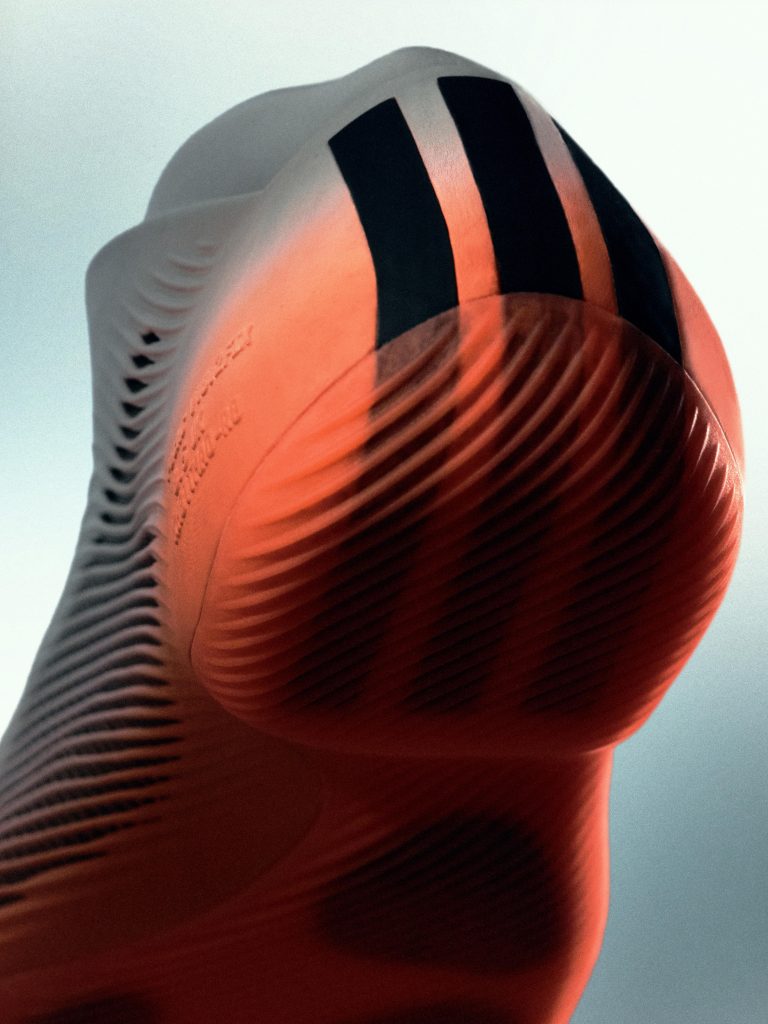
The most important story behind the Adidas BB.01 sneaker is Project: Radical Athlete Perception, a platform that treats additive manufacturing sports products as a way to serve the individual before the masses. Instead of starting with a single last and scaling up, R.A.P. is built to tailor a printed lattice to each player and to the movements a given sport demands, closing the gap between mass-produced footwear and support shaped to one person’s foot. According to Adidas, “Project: R.A.P. relies on additive manufacturing to tailor products to individual athletes and to the specific demands of a given sport”. This is a clear challenge to the old model where personalization meant minor tweaks on top of a generic structure. In R.A.P., the structure itself is the variable. If Adidas can make that repeatable, performance footwear starts to look less like standardized equipment and more like soft hardware tuned per user.
Why BB.01 Proves 3D Printing Is Ready for Real Performance
BB.01 matters because it shows that additive manufacturing sports gear can survive the leap from concept to competitive play. The shoe is built around a 3D printed lattice that encloses the foot, designed to deliver a customized, forward-looking feel with every movement on court. Adidas, which already has a history of using 3D printing in midsoles, is now betting that a full basketball silhouette can turn one-off customization into a repeatable edge in performance footwear. That bet is not being made in isolation: in running, Brooks has partnered with HP to fine-tune midsoles down to the millimeter, based on the belief that every runner has a unique motion path. Swiss brand On has scaled its 3D printed LightSpray upper into the Cloudmonster line, using its form-fitting structure to trim weight and pressure points for long runs. BB.01 slots into this trend, but pushes it into the high-impact, lateral-movement world of basketball.
Scarcity Today, Signal for Scalable Custom Fit Tomorrow
For ordinary fans, BB.01 is less about access today and more about the future it points toward. This first public Project R.A.P. release is deliberately scarce: only 169 pairs of the 3D printed basketball shoes will be available worldwide. Of those, 50 pairs are reserved for the Adidas Las Vegas flagship store, 89 pairs for the CONFIRMED app, and 30 pairs for Greater China. The Las Vegas activation on July 10 lets visitors watch the shoe’s development and design process up close, while a second release hits the CONFIRMED app on July 14 at USD 250 (approx. ₱14,600), aimed at fans who cannot attend in person. That scarcity might frustrate buyers, but it underlines Adidas’ message: this is a first step, not the finish line. The real impact will come if R.A.P. can turn such limited drops into on-demand custom fit footwear accessible to more athletes over time.
The Bigger Picture: Democratizing Advanced Manufacturing in Sport
The BB.01 launch is not just a brand story; it is part of a wider move to democratize advanced manufacturing in sport. Spanish startup ATHOS, working with HP and Sculpteo, has produced custom-fit 3D printed climbing shoes that hug the foot with ergonomic precision previously out of reach in that discipline. These examples show that additive manufacturing sports products are shifting from experimental components to full, athlete-tested gear in multiple categories. Adidas describes the Las Vegas drop of BB.01 as one step in a longer program, positioning Project R.A.P. as an ongoing effort to push the limits of performance footwear. In parallel, industry conversations are broadening, with events on additive manufacturing applications in energy, healthcare, automotive and mobility, aerospace, space and defense, and software focusing on real production deployments and supply chain integration. The direction is clear: as the tools mature, individualized manufacturing is moving from niche to normal, and BB.01 is basketball’s early proof point.