
The OLED iPad Mini: A Small Tablet With Big Professional Ambition
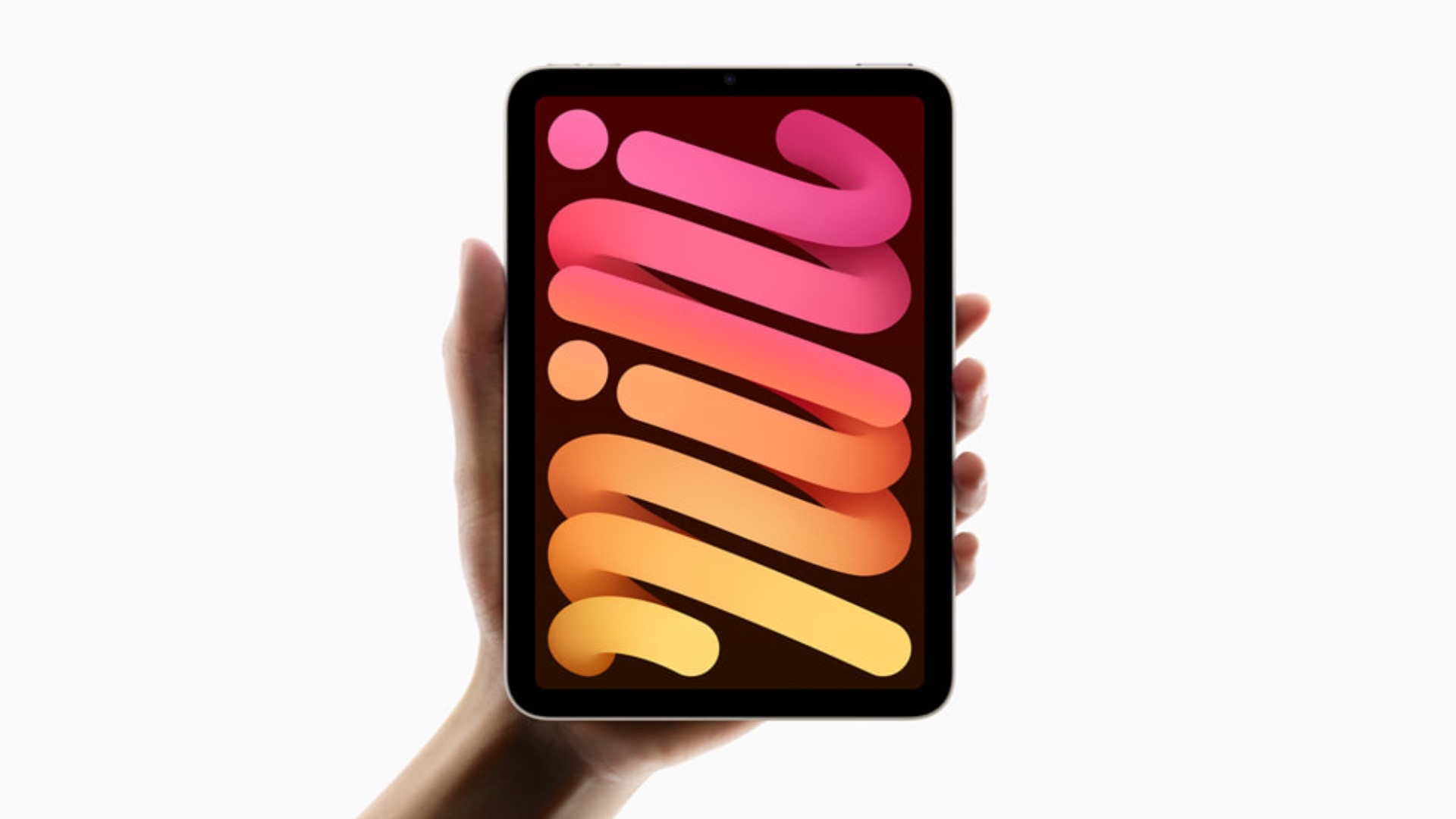
The iPad Mini OLED display is an upcoming tablet screen upgrade that replaces the current LCD panel with self‑lit pixels, delivering higher contrast, truer blacks, sharper text and improved energy efficiency for users who rely on a compact device for reading, sketching, note‑taking and visual work across different environments. Apple is preparing this iPad Mini refresh as a “big upgrade” that could arrive as early as this fall, with the updated tablet—code named J510—targeted for release by October. According to Mark Gurman, the next iPad Mini will feature an OLED screen for the first time, bringing it in line with the iPhone and iPad Pro lines that already use the technology. This is not a cosmetic tweak; it is a strategic change that repositions the smallest iPad as a viable portable design tool rather than a junior tablet that lags behind the company’s pro‑grade hardware.
Why OLED Changes What Portable Design Tools Can Do
OLED is not about prettier movies; it is about trust in what you see. Because each pixel emits its own light, OLED displays deliver superior contrast and vibrant colours, along with true blacks and better energy efficiency that can translate into improved battery life over LCD panels. For designers and visual thinkers who depend on portable design tools, this matters daily. Sharper, more defined text against dark backgrounds in night mode makes long note‑taking or markup sessions less tiring, while reduced emitted light makes late‑night reading more comfortable. In practice, this means the iPad Mini OLED display stops being the weak link in a multi‑device workflow: colour and contrast decisions made on the Mini should line up far more reliably with work reviewed later on larger OLED screens, instead of feeling like guesses made on a compromised panel.

From E‑Reader Adjacent to Serious Creative Companion
The current iPad Mini has lived in an odd space between tablet and e‑reader, with its size and one‑hand use making it a popular choice for focused reading more than precision design. Rumours around the OLED tablet upgrade suggest a deliberate push away from that second‑tier status: the shift from LCD to OLED could make the iPad Mini more appealing as a reading device, but also as a compact canvas for sketching and visual review. Text will appear sharper and more defined, especially in dark modes, which helps architects, designers and heavy note‑takers who annotate PDFs and drawings for hours at a time. At the same time, OLED has already reached the iPad Pro line, so this Mini refresh directly addresses long‑standing criticism that the smallest iPad lagged behind more advanced tablets in display quality. The gap between “Mini” and “Pro” is about to shrink dramatically, and that should change which device professionals feel comfortable throwing into their bag.
Price, Lineup Strategy, and What Comes Next
The upgrade will not be free of trade‑offs. The current iPad Mini starts at USD 499 (approx. ₱29,400), and rumors suggest an OLED version could cost up to USD 100 (approx. ₱5,900) more, putting it well above typical e‑readers that range from USD 110 (approx. ₱6,500) to USD 300 (approx. ₱17,700) depending on features. That pricing signals a clear intent: this is a portable design tool for people who expect tablet‑class performance, not a casual book device. According to one report, “The updated tablet is code named J510, and people with knowledge of Apple’s plans say it could launch as early as this fall, with a release planned by October.” Another source expects an OLED iPad Mini with an A19 Pro chip in the second half of 2026, while refreshed entry‑level iPad (J581) and iPad Air models (J807 and J837) are also in the works for next year. Whatever the exact date, the direction is unmistakable: OLED is becoming the standard across the tablet lineup, and the Mini is no longer an exception.
Conclusion: A Small Screen That Finally Deserves Big Work
The incoming iPad Mini OLED display will not end the era of dedicated e‑readers; e‑ink screens still offer superior outdoor readability, weeks‑long battery life, and a distraction‑free reading experience that tablets cannot match. But it should end the era of the Mini as a compromise device in professional workflows. OLED screens will make the iPad Mini a much better reading device than it already is, while bringing its visual quality in line with larger OLED tablets that already serve serious creative work. For many architects, designers and note‑centric professionals, that combination of color‑accurate, high‑contrast visuals and one‑hand portability will be enough to justify carrying a single small tablet instead of a tablet plus an e‑reader. The Mini has always been about traveling light; with OLED, it can finally travel light without feeling second‑class.