
Lenovo’s Legion Y700 Infinite: A New Kind of Gaming Tablet OLED
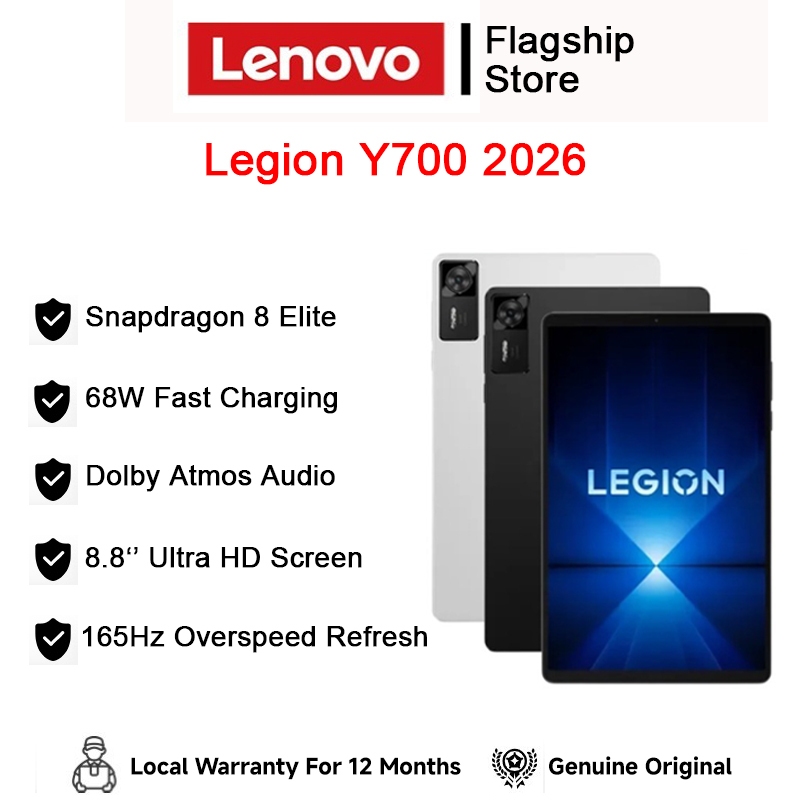
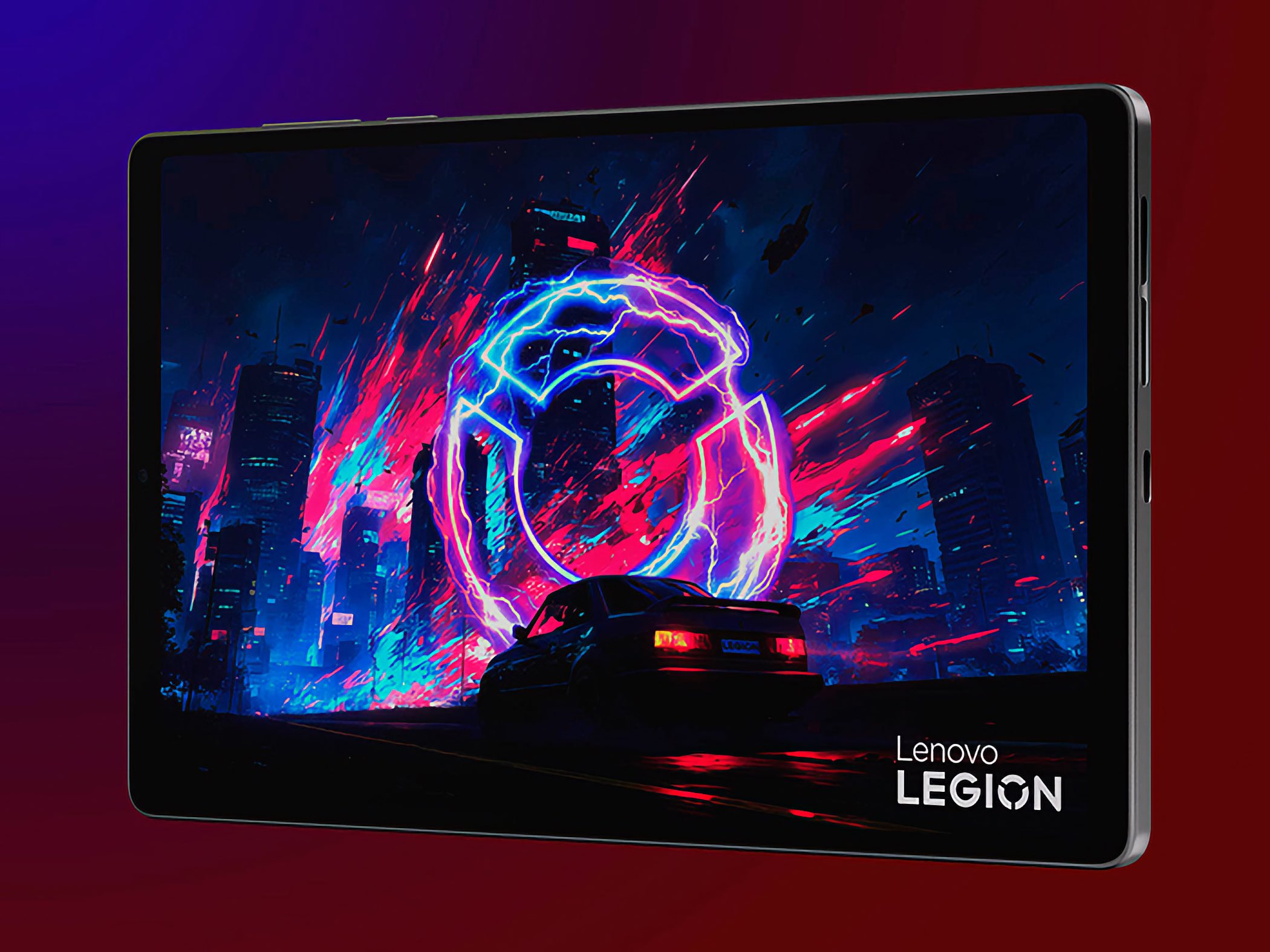
The Lenovo Legion Y700 Infinite is an Android gaming tablet that combines an approximately 8-inch OLED display, 5G connectivity, and an overclocked Snapdragon 8 Elite Gen 5 chipset with up to 24GB of RAM to chase handheld performance usually reserved for gaming laptops.
Lenovo is not tossing another niche gadget into the void; it is making a pointed statement about what a gaming tablet OLED experience should be. The Legion Y700 Infinite is set to launch in China in August 2026, signalling a serious push toward premium portable performance rather than a casual media slate. Unlike the Legion Y700 Gen 5, this Infinite variant finally embraces cellular with dual-SIM standby and support for the N79 5G band, turning it into a true 5G tablet. The message is clear: gaming tablets are no longer accessories; they are primary devices for players who want console-grade power on a screen that still fits in one hand.
Flagship 5G Tablet Specs: Why the Numbers Actually Matter
On paper, the Lenovo Legion Y700 Infinite reads like a spec-sheet flex, but the details hint at a shift in how Android gaming tablets will be judged. Lenovo confirmed an overclocked Snapdragon 8 Elite Gen 5 hitting a peak CPU frequency of 4.74 GHz, paired with four memory options: 12GB/256GB, 16GB/512GB, 24GB/512GB, and 24GB/1TB. In an era where many phones stop at 16GB, offering up to 24GB RAM in a tablet is not subtle—it is Lenovo telling gamers that multitasking, heavy emulation, and long play sessions should not come with compromises.
Weight and connectivity choices also show intent. At around 310g, the Legion Y700 Infinite is roughly 50g lighter than Lenovo’s own Legion Tab Gen 5, a rare case of more power arriving in a lighter body. Add 5G, dual-SIM, and an 8-inch OLED panel with a centered punch-hole, and this stops being a basic video-watching slab. It becomes a deliberately portable esports screen—small enough for thumb comfort, powerful enough to run titles that push phones to their thermal limits.
Liquid-Cooled Competition: What Astra 2’s Global Launch Signals
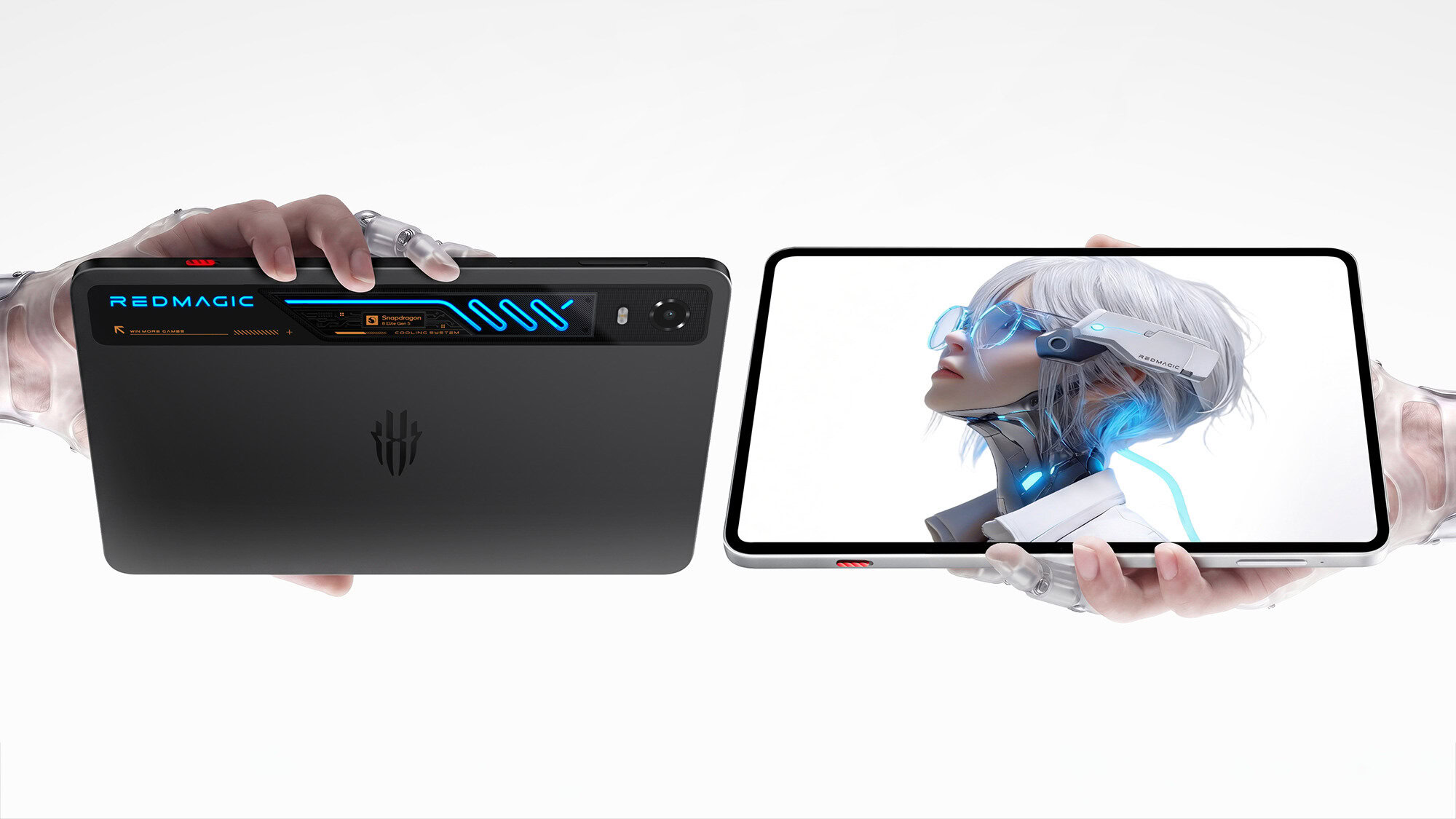
If Lenovo’s Legion Y700 Infinite is the warning shot, REDMAGIC’s Astra 2 is the rival already landing blows. After launching in China last month, this liquid-cooled tablet is launching globally as Astra 2. It’s built on the same Snapdragon 8 Elite Gen 5 platform, adds an 185Hz 9-inch OLED display at 2.4K resolution, and uses a dedicated Synaptics chip for faster touch response. Where Lenovo leans on 5G and compact size, Astra 2 leans hard into spectacle and sustained performance.
The Astra 2’s blue-hued liquid-cooling system is visible through the back glass, with RGB lighting layered on top. The coolant operates between -60ºC and 125ºC, a temperature range that reads more like lab equipment than consumer tech. This is not just about keeping components safe; it’s about selling the idea that tablets can run PC-level workloads for extended periods. An 8,300mAh split battery and 80W fast wired charging—using nearly any USB-PD charger—underline that ambition. According to one report, “the tablet also supports fast wired charging at 80W, and even though you’d get a brick in the box, you can use just about any USB-PD compatible charger to reach those speeds.”
Pricing is aggressive for an enthusiast device: Astra 2 starts at USD 749 (approx. ₱43,700) for 12GB + 256GB and reaches USD 849 (approx. ₱49,500) for 16GB + 512GB. That plants it squarely in the same emotional price bracket as gaming laptops, forcing buyers to ask whether they prefer a portable screen or a clamshell powerhouse.
Native PC Game Emulation and the New Android Gaming Tablet Reality
The most disruptive part of this new wave is not the silicon; it is software. Astra 2 supports native PC game emulation, letting users tap into libraries far beyond Android titles. Combine that with Snapdragon 8 Elite Gen 5 performance and a RedCore R4 gaming chip that sits on top of games to drive extra features, and you get a tablet that treats Windows-era PC catalogs as fair game. The global variant runs REDMAGIC OS 11 based on Android 16, reinforcing that this is still an Android gaming tablet at its core.
Lenovo has not yet matched that explicit software promise in the Legion Y700 Infinite leaks, but the hardware is paving the way for similar use cases. When you pair an overclocked Snapdragon 8 Elite Gen 5 with up to 24GB of RAM and substantial storage options, you’re not targeting casual puzzle titles; you’re preparing for high-demand 3D games, emulators, and PC-like workloads. As these devices cross borders—Astra 2 is launching globally with early-bird vouchers and pre-orders lined up before late August availability, even though you cannot buy it until later in the month—players everywhere will start to expect their tablets to act like hybrid consoles, not oversized phones.
Conclusion: Why Legion Y700 Infinite Matters Beyond Lenovo Fans
Lenovo’s Legion Y700 Infinite and REDMAGIC’s Astra 2 together signal that the era of the timid Android tablet is over. One pushes an 8-inch OLED, 5G-ready, overclocked Snapdragon 8 Elite Gen 5 package up to 24GB RAM; the other adds visible liquid cooling, native PC game emulation, and a 9-inch 185Hz OLED screen with 80W charging. This is a direct challenge to the idea that serious gaming belongs only on consoles, PCs, or a handful of high-end phones.
The practical impact for ordinary users is straightforward: more choice, more power, and more pressure on traditional tablets to evolve. Early adopters willing to pay gaming-laptop money for a tablet will gain access to OLED panels, high-refresh screens, and performance that can handle both Android titles and PC-era classics. Meanwhile, mainstream brands will have to respond or risk watching gaming-focused Android tablets steal the most demanding users. If Lenovo follows through with broad availability for the Legion Y700 Infinite, it will not just launch another gadget; it will help redefine what we expect from the screen we carry in our bag.