
The Samsung Galaxy Tab S12 Problem: Same Shell, Higher Expectations
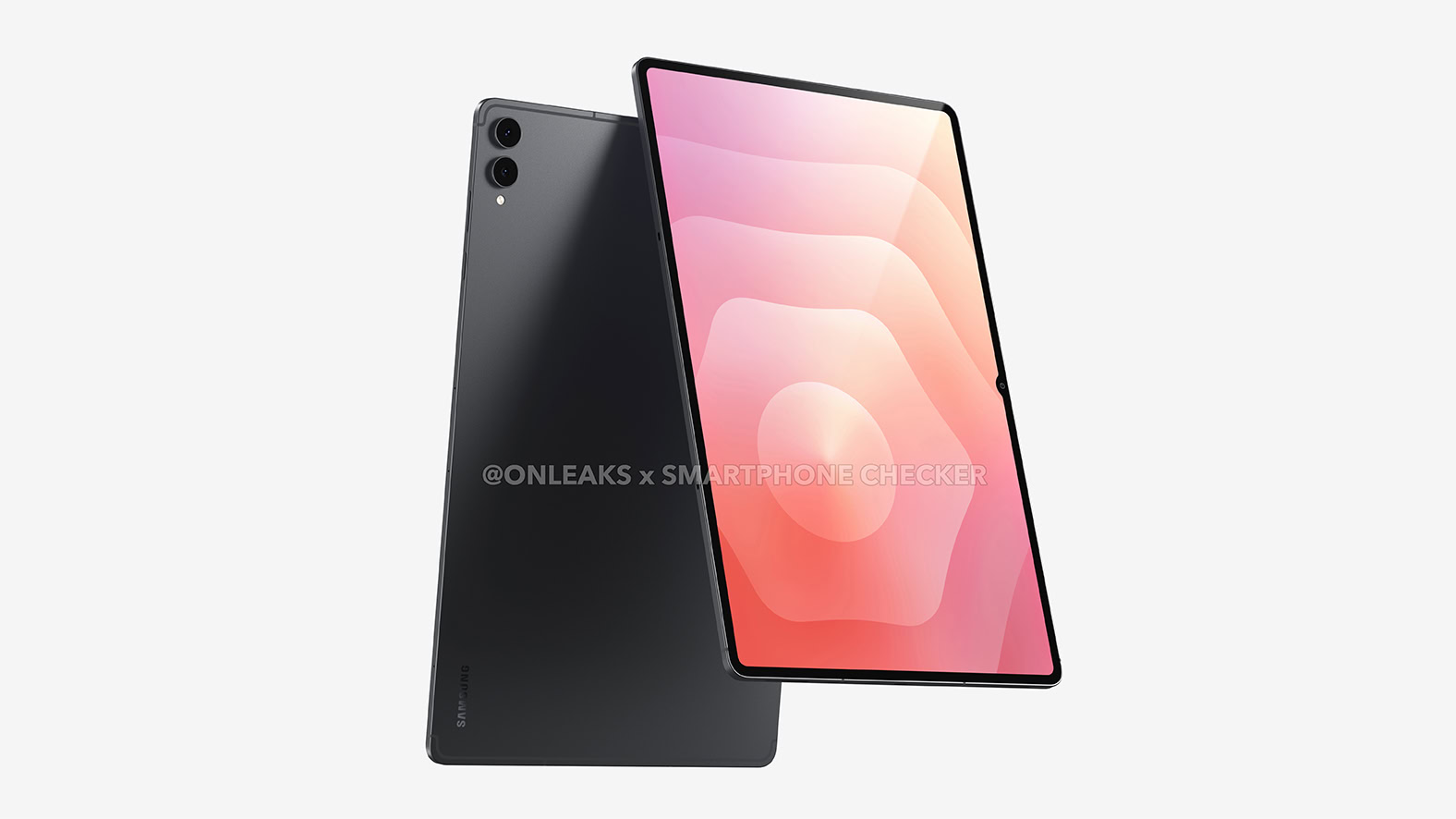
Samsung Galaxy Tab S12 refers to the company’s next generation of premium Android tablets, led by the Galaxy Tab S12 Ultra, which leaked in CAD renders and certification images showing a design that closely mirrors its predecessor while keeping a controversial display notch and promising internal upgrades for high-end buyers.
The core issue with the Samsung Galaxy Tab S12 Ultra is not the notch itself; it is what the notch represents about Samsung’s tablet design priorities. Recent leaks show a flagship slate that is nearly a carbon copy of the Tab S11 Ultra, right down to its dimensions of 326.34 x 208.46 x 5.12mm and the familiar 14‑inch AMOLED panel. While Samsung is busy promoting its next wave of foldables, the company appears content to park its highest‑end tablet in aesthetic neutral, asking premium buyers to pay for incremental internals wrapped in last year’s shell. In a segment where design is part of the value proposition, that is a risky bet.
A Notch That Gives Up Screen Real Estate Without Clear Payoff
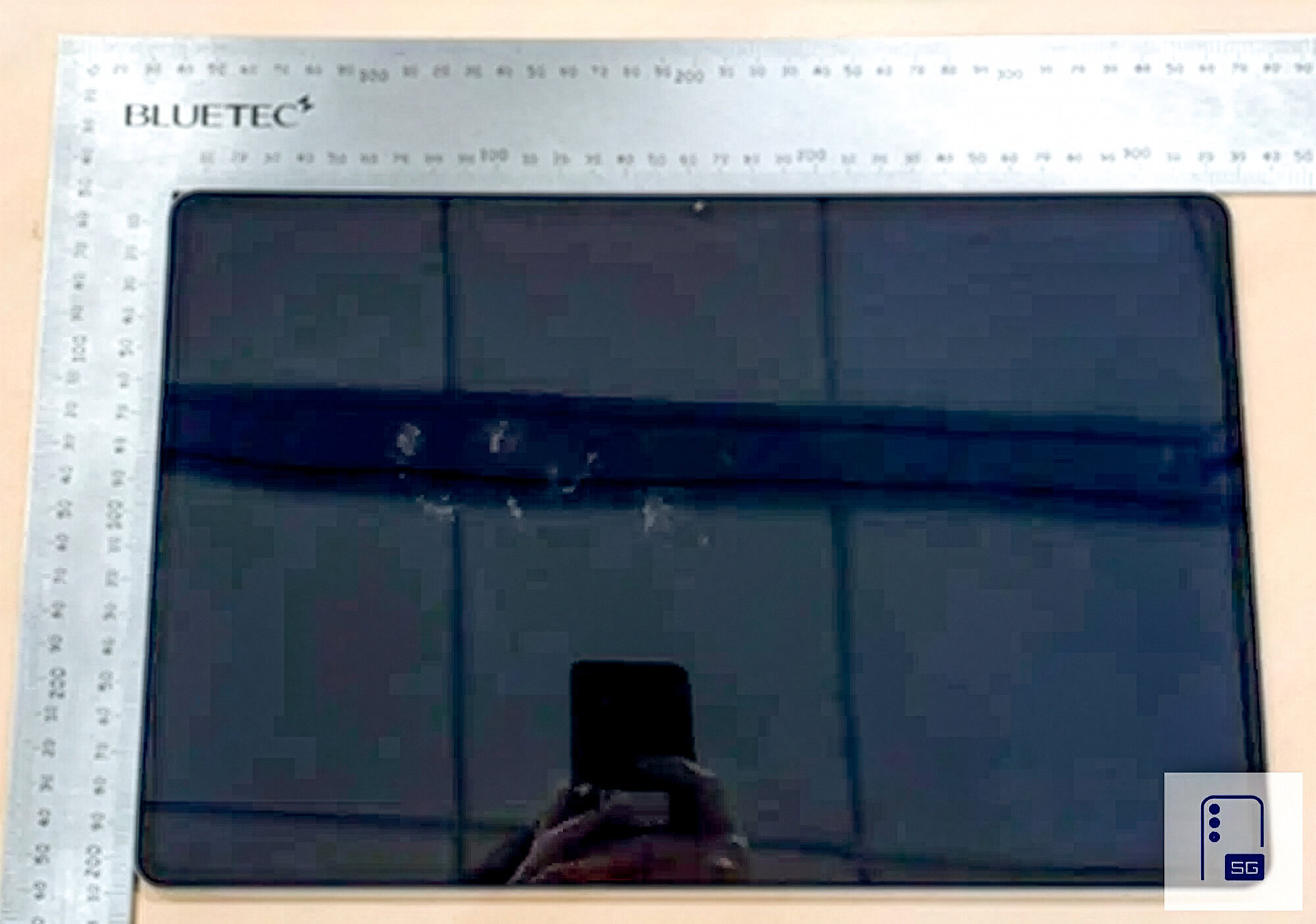
Leaked images confirm that the Samsung Galaxy Tab S12 Ultra keeps its semi‑circular notch instead of moving to a cleaner hole‑punch or fully bezel‑integrated camera. Earlier One UI 9 animations had hinted at a punch‑hole future, but the reality appears more conservative: the notch remains visibly unchanged from last year. According to one report, "the Galaxy Tab S12 Ultra still retains the semi-circular notch, visibly unchanged from last year." On a phone, that might be tolerable; on a large tablet held horizontally, the same cutout drifts toward the center of the frame, where it interrupts landscape video and games instead of hiding at the edge.
The only defensible case for a premium tablet notch is if it houses front‑facing hardware that cannot fit in a punch‑hole or slim bezel. A depth‑sensing biometric array or a significantly upgraded camera system could justify the intrusion. But so far, leaks focus on a new Dimensity 9500 chip and a battery matching last year’s capacity, not transformative front camera technology. Without a clearly named sensor system or measurable improvements, the notch looks less like engineering necessity and more like design inertia.
Tablet Design Trends Have Moved On, But Samsung Hasn’t
Premium tablet buyers increasingly see design as more than decoration; it signals how seriously a brand takes the category. Competing devices have set a tough benchmark by integrating biometrics and front cameras cleanly into slim bezels without any display cutout, showing that a large slate can deliver advanced face unlock and high‑quality video calls while keeping the panel visually uninterrupted. That is the standard the Samsung Galaxy Tab S12 lineup will be judged against, and it is a standard the current notch‑heavy design fails to meet.
Tablet design trends now reward clarity: either embrace a punch‑hole for minimal disruption or invest in under‑bezel integration that treats the display as sacred territory. Instead, Samsung seems to be splitting the difference, keeping a conspicuous notch without clearly explaining what users get in return. When reviews arrive, the comparison will be unforgiving: front camera quality and biometric performance will be stacked directly against premium tablets that reach similar or better results with no cutout at all. If the Galaxy Tab S12’s notch delivers only phone‑grade hardware, the design will not just look dated; it will look unjustified.
Who Wins and Who Loses With Samsung’s Current Strategy
A notch‑centered design on a large screen creates winners and losers by default. Anyone who uses the Samsung Galaxy Tab S12 mainly for passive consumption—watching shows, streaming sports, or gaming in landscape—pays an immediate price: the cutout sits in the middle of the action, not at the periphery. That geometric cost is unavoidable. On the other hand, users who live in video calls and remote collaboration might benefit if the notch hides a wider field‑of‑view camera, better low‑light performance, or more reliable biometric authentication than a punch‑hole could provide. The upside, however, is narrower and far more speculative until Samsung names the exact hardware or teardowns confirm it.
This is the trade‑off that defines Samsung’s premium tablet notch: the mass‑market use case loses something obvious and constant, while a smaller group might gain something subtle and context‑dependent. The burden is on Samsung to prove that the notch serves more than a small niche and that the Galaxy Tab S12 does more than recycle a shell around a faster chip and similar battery. Without that proof, the design reads less like vision and more like complacency in a category that cannot afford it.
Design Limbo Is a Luxury Samsung’s Premium Tablets Can’t Afford
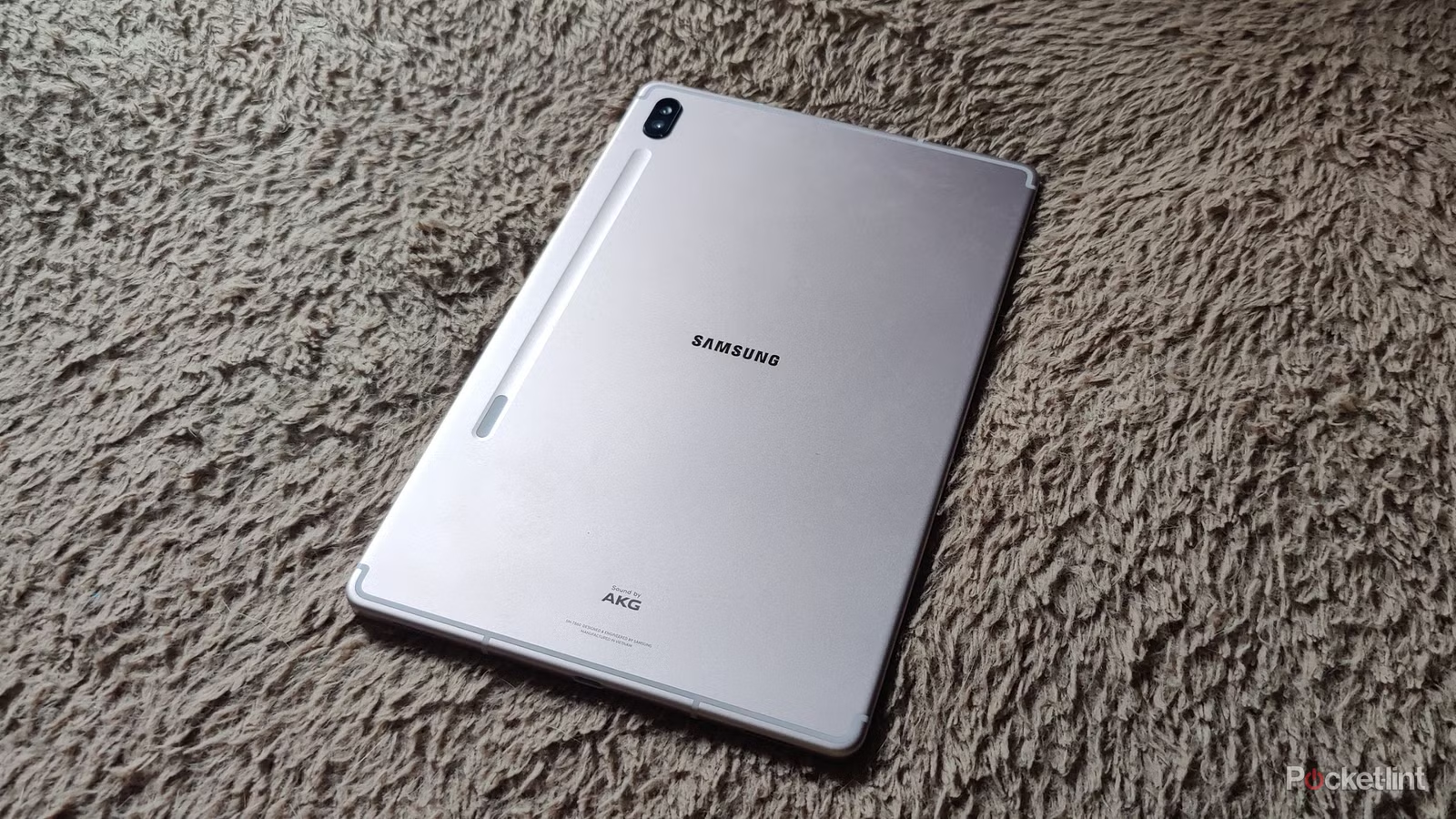
Taken together, the leaks paint a consistent picture: the Samsung Galaxy Tab S12 Ultra arrives with near‑identical dimensions, an unchanged 14‑inch AMOLED panel, a recycled metal shell, and the same dark gray aesthetic that defined the previous generation. Live images from a safety certification database back up the idea that the design is largely locked, not a placeholder concept. Internally, a Dimensity 9500 chip and expected performance gains are welcome, but they do not offset the sense that Samsung is treating its most expensive tablet as a static hardware platform, tweaking internals while leaving the exterior frozen.
In the premium tablet space, you are not only buying performance; you are buying a vision of how a large screen should look and feel. If Samsung’s vision for the Galaxy Tab S12 is a familiar rectangle with a stubborn notch, it risks ceding the design narrative to rivals who have moved beyond cutouts altogether. The notch is not enough. Without meaningful design evolution—clear benefits from the cutout, or a bolder rethink of the front face—Samsung’s latest flagship tablet risks being remembered less as a new chapter and more as proof that the company is idling in design limbo.