
An OLED iPad Mini at Last—and Why It Matters
The iPad Mini OLED display refers to Apple’s upcoming refresh of its smallest tablet, which replaces the current LCD panel with an organic light-emitting diode screen for deeper blacks, higher contrast, and more efficient power use while keeping the compact form factor that defines the Mini line.
After years of minor spec bumps, the iPad Mini refresh 2026 is finally poised to be more than a chip swap. Multiple reports say Apple is preparing a redesigned iPad Mini with an OLED display, code‑named J510, for release as early as October. This would make it the first Mini—and the first non‑Pro iPad—to move to OLED, a change that immediately raises expectations about image quality, HDR performance, and how serious Apple is about its smallest tablet. An OLED-based model might give people who have held onto older Minis an overdue reason to upgrade, especially if they care about display quality.
Here is one quotable takeaway: “According to Bloomberg’s Mark Gurman, a redesigned iPad mini with an OLED display, codenamed J510, will be the first tablet out the door, arriving as soon as October.”
OLED iPad Mini Specs: Premium Panel, Mid-Tier Speed
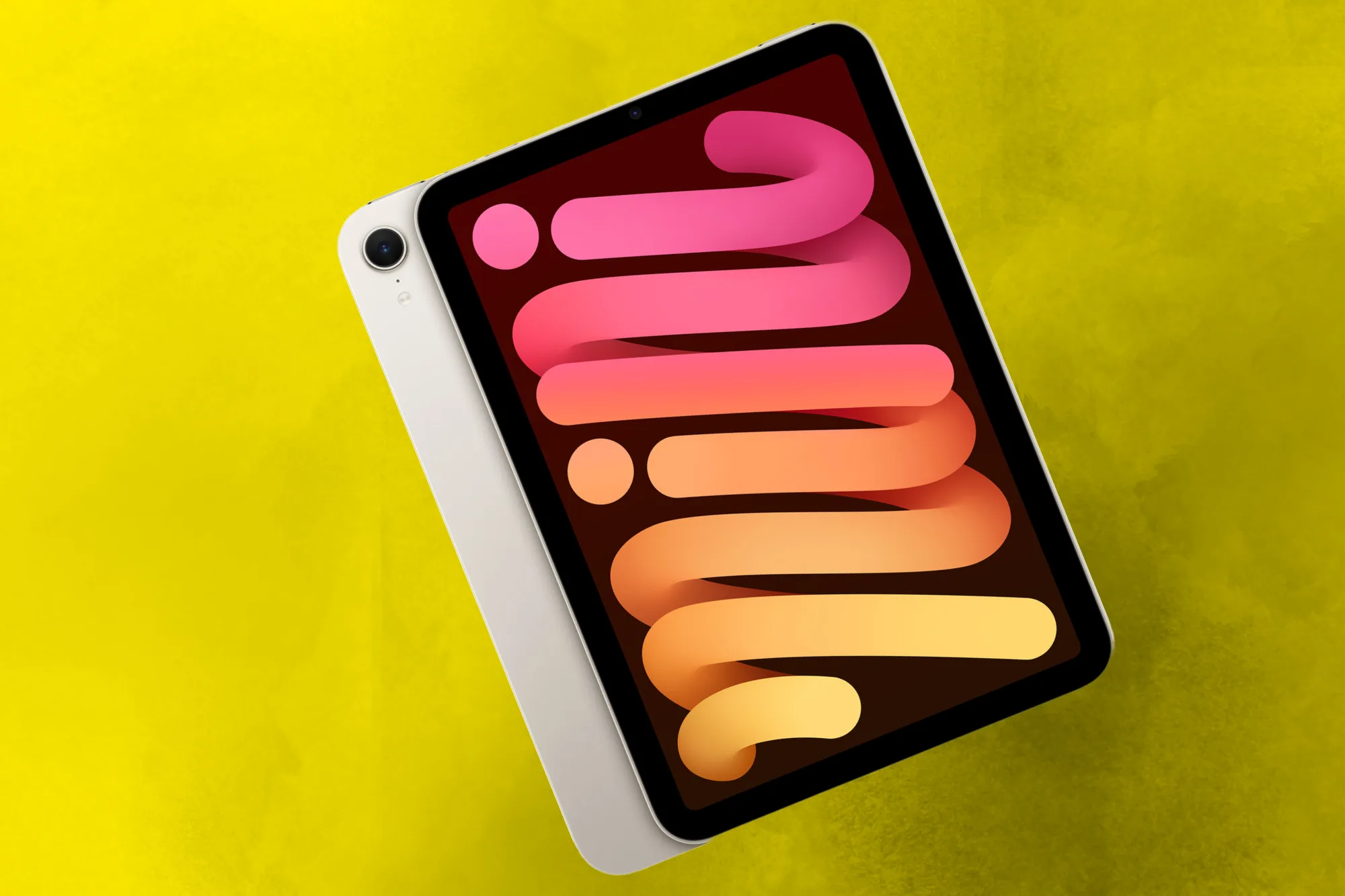
On paper, the OLED iPad Mini specs look like a classic Apple compromise: a big lift in panel tech, paired with a stubbornly basic refresh rate. One leak says Apple will use an 8.4‑inch hybrid OLED with LTPS technology, produced on Samsung’s A2 G5.5 line, which is a solid step up from the current 8.3‑inch Liquid Retina IPS LCD. Another report points to Apple’s Silicon A18 chip and support for Apple Intelligence tools, suggesting the Mini will share processing DNA with the standard iPhone 16.
The catch: that shiny new panel is reportedly locked to 60Hz. In other words, no ProMotion, no 120Hz, and no variable refresh rate. This lines up with Apple’s habit of reserving higher refresh rates for devices with “Pro” on the box, even as it makes rare exceptions elsewhere. If those leaks hold, the Mini’s visuals will look richer and cleaner, but motion will not feel any smoother than on the 2024 model.

The 60Hz Decision: Who Wins and Who Loses
A 60Hz cap on a premium OLED iPad Mini is not a technical limitation; it is a product decision. Reports say the Mini revamp will use an OLED panel but be restricted to 60Hz rather than the 120Hz ProMotion display used on Pro models. Another leak reinforces this, stating the new Mini will “deliver a fixed refresh rate of 60Hz,” just like its 2024 predecessor.
For many casual users, that might be acceptable. An OLED panel alone will make movies and games look better, with deeper blacks and punchier contrast. But anyone who has grown used to 120Hz scrolling on high‑end phones and tablets will feel the downgrade the moment they start flicking through home screens. The decision draws a bright line between the Mini’s role as a higher‑end consumer tablet and the Pro line’s status as Apple’s only destination for both OLED and fast refresh.
A Domino Effect for Apple Tablet Upgrades
The iPad Mini refresh 2026 does not stand alone; it is the first tile in a broader row of Apple tablet upgrades. One report describes the OLED Mini as “the first tablet out the door,” leading a wave of new iPads that extends into 2027. According to the same reporting, an entry‑level iPad, code‑named J581, is expected in the first quarter of 2027, with its main change being a faster processor rather than a redesign.
New 11‑inch and 13‑inch iPad Air models (J807 and J837) are said to arrive in spring 2027 alongside fresh iPad Pro models and updated Apple Pencils. Eventually, Apple is reportedly working on an OLED upgrade for the iPad Air too, while the base iPad is expected to stay with LCD panels. This staggered rollout shows Apple testing OLED in the Mini before moving it down the line, keeping the lowest‑cost iPad anchored on cheaper display tech.
Rising Prices and the Value Question
Even before OLED arrives, the iPad Mini’s price has already climbed. One report notes the Mini cost USD 499 (approx. ₱27,900) before recent hikes and now sits at USD 599 (approx. ₱33,500). The 11‑inch iPad Pro rose to USD 1,199 (approx. ₱67,000), while the iPad Air moved from USD 599 (approx. ₱33,500) to USD 749 (approx. ₱41,900). These jumps are tied to RAM and memory chip shortages, which are said to be pushing hardware prices higher across the industry.
It is not hard to see where this is going. Reports warn the first OLED iPad Mini “could run you a pretty penny” and that a lower price tag is unlikely, even as new models roll out. The OLED refresh may land with a higher price, though it could also push the current Mini down the ladder, making that model a better value later in the year. Here is another quotable line: “New iPad models may be on the way, but a lower price tag likely isn’t.”
The bottom line: Apple is about to make the smallest iPad display much better and probably more expensive at the same time. For buyers, the smart move will be timing—either paying up for the OLED iPad Mini display right away or waiting to see how far Apple drops the outgoing LCD model once the new wave hits.