
What Hidden Storage Is and Why Your Phone Feels Full
Hidden storage on Android phones is the mix of cached data, temporary files, app leftovers, and obscure “Other files” that don’t show clearly in standard storage views yet quietly consume gigabytes, making your phone feel full even when photos, videos, and apps seem to add up correctly.
If your phone keeps nagging about low space even after you tidy your gallery and remove obvious apps, you are facing this hidden clutter. On many Samsung and Android devices, the storage breakdown shows images, videos, documents, and apps, but the total still does not match the “used storage” number at the top. That mismatch comes from categories that are hard to see: cached data, orphaned app folders, old backups, and stuck downloads. The good news is you can free up Android storage without wiping your memories, as long as you know where to look and what is safe to remove. Before you start, all you really need is some time, your phone’s Settings app, and a basic file manager.
Step-by-Step Cleanup: From Visible Trash to Hidden Phone Files
You’ll go through a single pass that starts with obvious rubbish, then moves into deeper system areas. Think of it like helping a friend clear a closet: first the trash bag, then the boxes at the back. On Samsung phones, the path usually begins in Settings, under Device Care and Storage, where you see your main categories. On other Android phones, similar options sit under Storage, but names may vary slightly. Throughout this, the aim is to reclaim phone space safely, not nuke anything important. Deleted items will often move to Trash first, so you get a second chance before they disappear.
- Empty visible Trash: Go to Settings > Device Care > Storage > Trash. Tap Gallery to review deleted photos and videos; restore anything worth keeping, then open the three-dot menu and select Empty to clear everything. Repeat for Trash in your Files app.
- Remove duplicate files: In the same Storage screen, open Duplicate files. Tap All so the phone selects duplicate versions while leaving originals untouched, then tap Delete; remember those still sit in Trash until you empty it again.
- Clear app cache safely: Long-press any app icon, tap the “i” button, then Storage, and use Clear cache. Do not press Clear data, as that wipes login details and app information. On some Samsung phones, you can also go to Settings > Device Care > Storage > App cache, tap All, then Clear caches to clear many apps at once.
- Delete offline Google Maps you no longer need: Open Google Maps, tap your profile picture, choose Offline maps, then review every listed area, not just the latest one. Tap any outdated map and then Delete to recover the space it was occupying.
- Clean old WhatsApp database backups: Open your file manager, navigate to Internal storage > Android > media > com.whatsapp > WhatsApp > Databases, then sort files by date. Keep the newest file, which is your active backup, and delete older ones—but be careful not to touch the current updated file WhatsApp uses to restore your account.
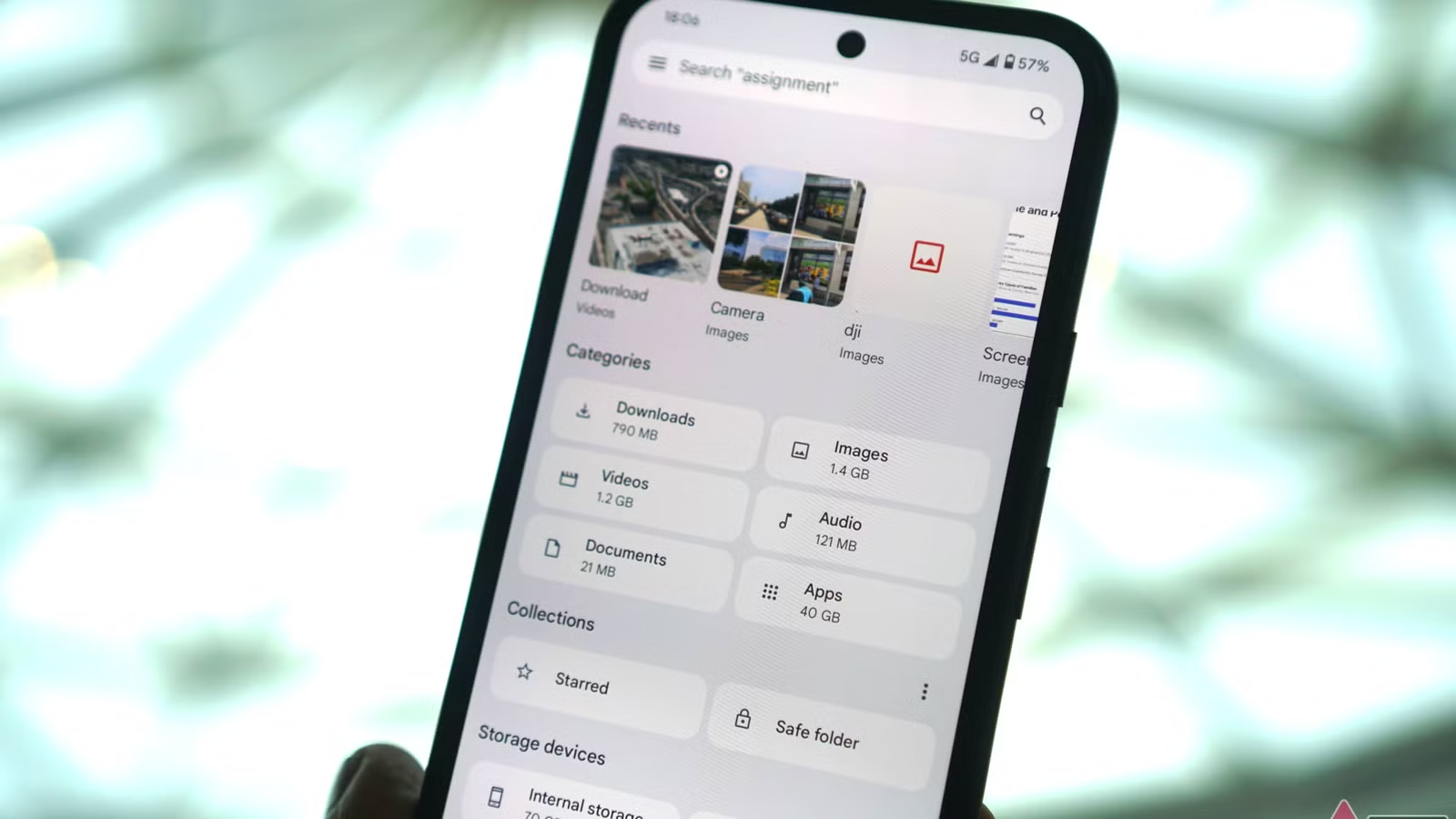
- Remove app leftovers and other files: In Device Care > Storage, tap Show more to reveal Other files, where you’ll often see duplicate photos, backups, stuck file transfers, and old data. On Samsung phones, you can tap Other files to see categories and delete items one by one or in bulk; on other Android devices, you may need a third-party file manager like Files by Google to locate and clear junk in these folders.
Each of these steps targets a different kind of hidden phone files: visible Trash, duplicates, caches, offline areas, and backups. Cache clearing is safe because it only removes temporary data and leaves logins and settings intact, which is why it is a reliable way to clear cache safely without losing personal information. According to one detailed walkthrough, the Other files section alone can hold more than 13GB of data on a single device. Taken together, these areas are often responsible for the chunk of storage your phone is using even after gallery cleanups.
Gotchas: What Not to Delete and Common Mistakes
Walking a friend through this, the real warnings are simple: don’t delete live backups, don’t clear app data by accident, and don’t forget about Trash. Old WhatsApp database files are safe to remove, but the newest one is your lifeline if you switch phones; make sure you keep the current, updated file, as that is what WhatsApp uses to restore your account. Browsing Other files can feel tempting, yet blindly pruning folders you do not recognize might affect how some apps behave.
Two mistakes come up all the time. First, hitting Clear data instead of Clear cache under an app’s Storage page wipes logins and app information along with temporary files, which is far more disruptive than intended. Second, people delete duplicates or backups but never empty Trash afterward, so the storage warning barely moves. Remember that by default, removed duplicates and many deleted items move into Trash, and that space only returns once you empty it. If your device does not let you delete items directly inside Other files, use a third-party file manager to remove junk from the folders those files belong to, rather than random system areas.
What You Gain When You Free Up Android Storage
After a careful round of cleanup like this, you should see a noticeable drop in the used storage number and feel the phone breathe easier. On some devices, the Other files section alone has been found holding more than 13GB of data, from duplicates to backups and stuck transfers. These little things are responsible for gigabytes of space your phone uses behind the scenes. Clearing offline maps that outlived their trip, stale WhatsApp databases, and app leftovers can reclaim phone space without touching your favorite photos, videos, or essential apps.
Running out of storage does more than limit new installs; it can make the phone sluggish, as the system has less room for temporary operations. The encouraging part is that the built-in tools on many Samsung phones provide everything needed to free up space without erasing anything important, from Trash management to duplicate detection and cache clearing. Overall, if you’ve already cleaned a bloated photo gallery and the device still feels cramped, you are likely not looking in the right direction. Make this deeper cleanup a habit every few months, pay attention to Trash, and treat active backups as off-limits. It is a small effort for a phone that feels lighter and more reliable.