
OLED iPad mini: A visual leap that starts with a compromise
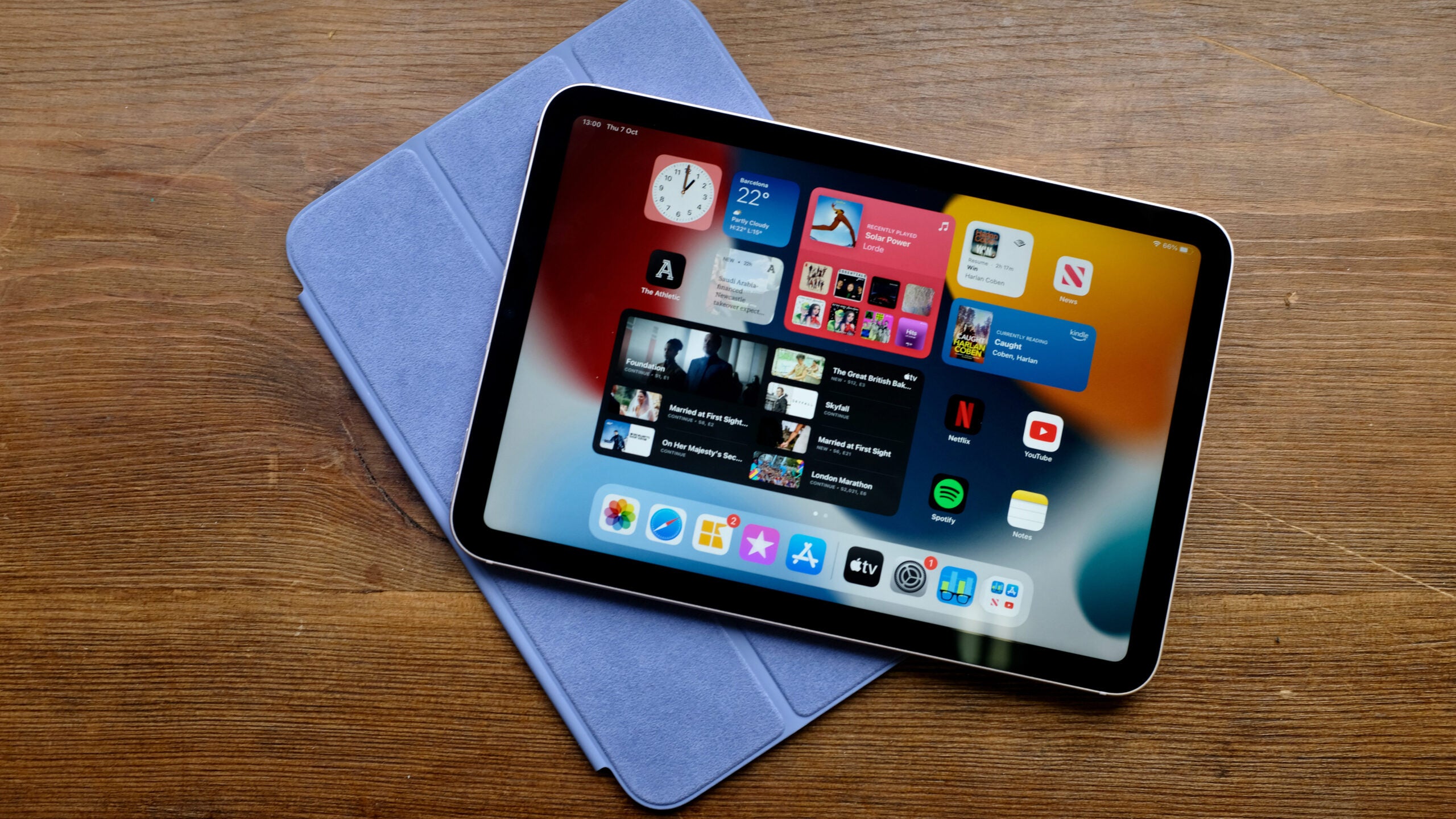
The upcoming iPad mini refresh refers to Apple’s long-rumoured move to an 8.4-inch OLED display sourced from Samsung, paired with a fixed 60Hz refresh rate instead of the 120Hz ProMotion technology used on its top-tier tablets, creating a product that visually advances while deliberately staying behind in motion smoothness for strategic and cost reasons. Apple’s next iPad mini is widely expected to trade its current LCD panel for a compact iPad mini OLED display built on a hybrid LTPS OLED design. Mass production has reportedly begun at Samsung Display’s A2 line, signalling that this is more than a vague rumour and that the iPad mini 2026 refresh is moving toward reality. The headline upgrade is clear: deeper blacks, higher contrast, richer colours and better power efficiency over the existing tablet. But the more important story is what Apple is choosing not to include—a high refresh rate—and what that says about how seriously it takes creative professionals who prefer small tablets.
60Hz refresh rate: Why smoothness still matters on a small canvas
According to a leak, the OLED iPad mini is expected to ship with a 60Hz refresh rate, not ProMotion’s 120Hz ceiling. In isolation, 60Hz is far from unusable; it is the baseline for most mainstream screens. The problem is context. Apple’s premium iPad Pro models use LTPO OLED panels that can dynamically move between 10Hz and 120Hz, delivering much smoother scrolling, animations and interaction while saving power. When your flagship tablets glide at 120Hz, a fixed 60Hz panel on a brand-new OLED tablet comparison model feels intentionally hobbled. This is not a mere spec-sheet quibble. Motion clarity affects perceived responsiveness. A stylus stroke that appears more quickly and more precisely on screen feels better, especially in fast sketching sessions or rapid note capture. By confirming that the iPad mini OLED display will likely sit at 60Hz, Apple appears to signal that responsive fluidity is a "Pro-only" luxury, not a baseline expectation.
Hybrid LTPS OLED: The upgrade that stops halfway
The panel choice underscores the half-step nature of this upgrade. The leak points to a low-temperature polycrystalline silicon (LTPS) hybrid OLED panel, rather than the LTPO OLED used in the latest iPad Pro models. LTPS OLED panels usually run at fixed refresh rates and typically do not match LTPO for brightness tuning or power-saving tricks. In other words, Apple appears to be embracing OLED while deliberately avoiding the most flexible version of the technology. From a consumer angle, that means the iPad mini 2026 refresh will offer much richer image quality yet behave more like a traditional tablet in how animations and scrolling feel. It is the kind of move that makes sense on a product segmentation spreadsheet: keep the mini visually compelling but avoid cannibalising the iPad Pro line. For people who treat the mini as a serious creative tool, it feels like Apple is valuing lineup hierarchy over the day-to-day experience.
Real-world impact: What creatives gain—and lose
On paper, the iPad mini OLED display will be a welcome improvement for anyone who spends hours looking at their tablet. Users can expect deeper blacks, higher contrast, more vibrant colours and better power efficiency than the current LCD iPad mini 7. For colour-sensitive work—grading video clips on-site, reviewing photography, checking brand colours—the visual leap is significant. Yet the fixed 60Hz refresh rate could make the OLED iPad mini feel "less of an upgrade than some had anticipated" for motion-heavy workflows. Creative professionals who bounce between high-refresh tablets and monitors know how jarring 60Hz can feel once your baseline shifts. It does not break the experience, but it subtly slows it down: sketching feels slightly less immediate, rapid annotation slightly less snappy, interface animations a bit more smeared. This tradeoff makes sense for casual users; for professionals who rely on responsiveness, it raises the question of whether the mini is still positioned as a true creative-first device.
Portability vs. performance: Where the new mini fits
The strongest argument in favour of this design is size. An 8.4-inch OLED panel sits in a sweet spot that balances portability with enough screen real estate to work on-site without feeling cramped. For location scouts, designers checking layouts with clients, or filmmakers reviewing dailies, the iPad mini has always been about fitting serious tasks into small bags and tight spaces. If recent reports are accurate, the OLED iPad mini is on track for a late 2026 debut, though Apple has not confirmed the timing and display specs should still be treated with caution. That timeline gives professionals ample opportunity to decide whether an upgraded image at 60Hz is worth trading away Pro-level motion smoothness. My view: this refresh cements the mini as a premium portable viewer and note-taker, not a primary creative workstation. If Apple wants the smallest tablet to be a serious creative tool, ProMotion needs to stop being a privilege and become the norm.