
The iPad Mini OLED is real—now the price question begins
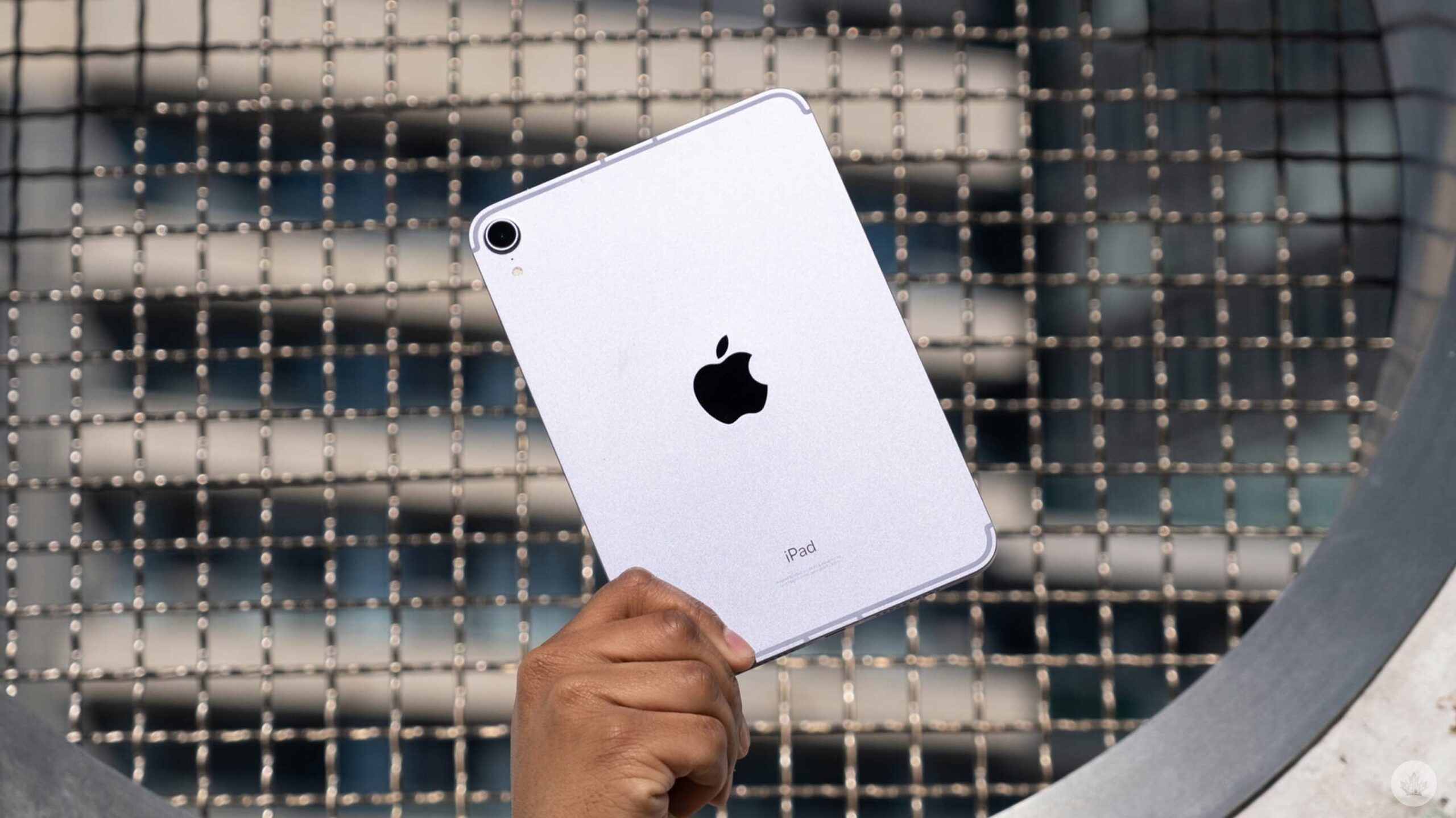
The iPad Mini OLED is a rumored upcoming version of Apple’s smallest tablet that replaces its current LCD screen with an OLED panel, promising a redesigned device with a new display technology and a fall launch window while raising serious questions about how much more buyers will be asked to pay for the upgrade.
After years of speculation, the OLED iPad Mini is no longer a fantasy; it is now expected to launch as early as this fall and be released by October. A separate report describes it as a redesign of the iPad Mini with an OLED screen arriving around the same time, alongside other new Apple hardware. That makes this iPad Mini fall launch the first time Apple’s smallest tablet steps into the OLED display tablet world, while the base iPad line is still expected to rely on LCD panels to keep costs down.
The catch is obvious: this upgrade will not be cheap. The current iPad Mini now starts at USD 599 (approx. ₱33,500) after a recent price hike, and reports already suggest the new OLED model may be more expensive than that. For many buyers, the headline is not that OLED is coming; it is whether the iPad Mini pricing will push this compact tablet out of reach.
OLED comes in—but not without compromise
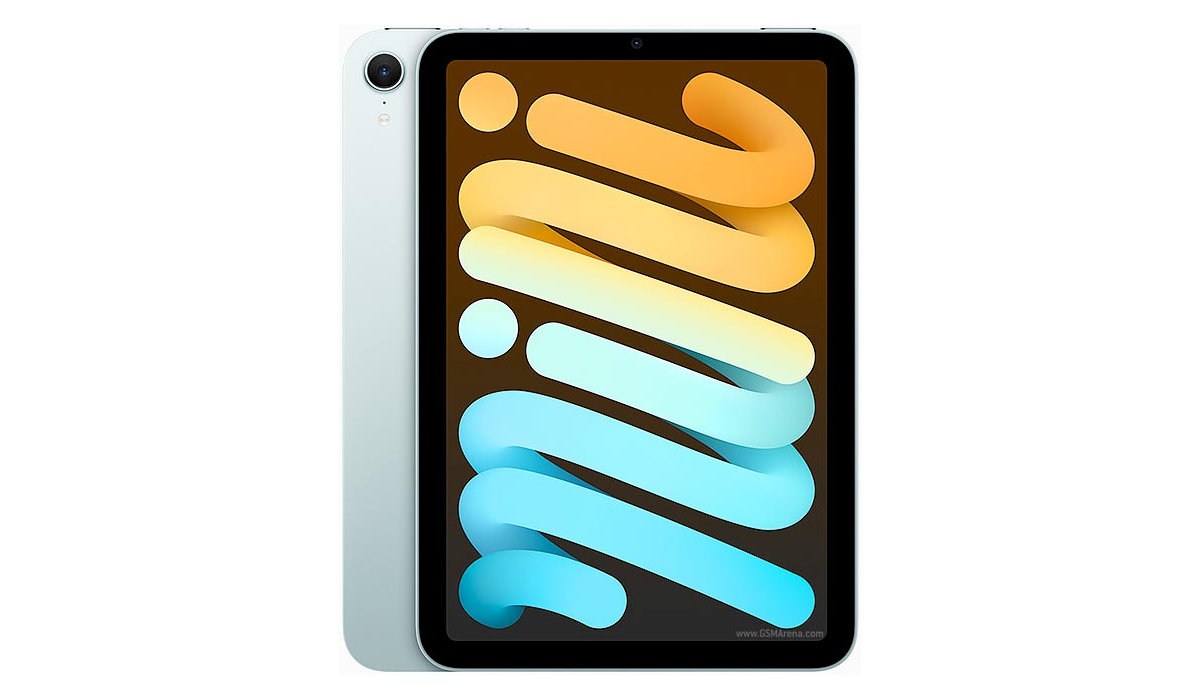
On paper, the shift to an OLED display should move the iPad Mini firmly into premium territory. According to one report, the new model will adopt an OLED panel while dropping any mention of Apple’s ProMotion feature, and a recent rumor claims it will stay locked to a 60Hz refresh rate. That means the iPad Mini OLED will try to sell itself as a high-end OLED display tablet while still behaving like a standard tablet when it comes to smoothness.
The tension here is obvious: buyers are being primed to expect a step up in display quality, yet the hardware rumor mill suggests Apple may deliberately hold back higher refresh rates for its more expensive lines. If that plays out, the iPad Mini OLED becomes a study in controlled upgrades—enough enhancement to justify a higher price, but not enough to threaten the company’s other tablets. That is a familiar Apple pattern, and it risks making this fall’s upgrade feel more like strategic segmentation than a straightforward win for consumers.
Rising prices and a shrinking value gap
The pricing story around the iPad Mini OLED is less about a single number and more about direction. The current iPad Mini already climbed to a starting price of USD 599 (approx. ₱33,500) after Apple’s recent increase, and reports warn that the OLED version may carry an even higher price tag. One analysis notes that Apple has been affected by chip shortages and has raised prices on several models to offset shrinking profits, and it argues that the upcoming iPad Mini is unlikely to be spared further increases.
Meanwhile, the broader lineup is marching on. The next entry-level iPad is expected in the first quarter of next year, with a new system-on-chip but the same LCD display approach to keep costs down, and new iPad Air models are reportedly in the works, with plans to eventually bring OLED to that line as well. As prices float upward across the board, the risk is that the value gap between the compact iPad Mini OLED and the larger iPad Air or Pro narrows so much that buyers question why they should pay more for the smallest screen in the family.
How the OLED Mini stacks up against today’s model
The current iPad Mini has not changed much since its overhaul in 2021, aside from a refresh that brought the A17 chip to the device in 2024. That means the existing model already feels modern on the inside, and its recent price hike to a USD 599 (approx. ₱33,500) starting point makes it a relatively expensive compact tablet even before OLED enters the conversation.
In that context, the rumored OLED redesign is less a rescue mission and more a bet that buyers will pay extra for a better screen above all else. Reports suggest the new model’s standout feature will be the OLED panel, while the rest of the lineup evolves on its own schedule: an entry-level iPad refresh with a stronger chip arriving early next year, new iPad Air models in the spring alongside updated iPad Pros, and additional iPad and Apple Pencil updates anticipated in 2027. The iPad Mini OLED, then, is positioned as a premium niche inside a rapidly diversifying lineup.
| Spec / Factor | Current iPad Mini | Rumored iPad Mini OLED |
|---|---|---|
| Display type | LCD | OLED |
| Refresh rate | 60Hz (no ProMotion mentioned) | Rumored 60Hz, no ProMotion |
| Starting price | USD 599 (approx. ₱33,500) | Expected to be higher than current model |
| Design changes | Largely same since 2021 overhaul | Described as a redesign with OLED screen |
A fall launch that forces a choice
What this all adds up to is a fall launch that forces buyers to decide how much the iPad Mini’s compact form is worth to them. According to a report, the OLED iPad Mini is scheduled for release by October, arriving as part of a broader hardware wave that includes other tablets and devices. At the same time, Apple appears content to keep the base iPad on LCD displays for the foreseeable future to contain costs, which underlines the company’s willingness to use screen technology as a clear price divider.
If the OLED iPad Mini ends up substantially more expensive than today’s already costly model, the company will be asking you to pay a premium for a smaller screen with a better panel in a lineup where cheaper LCD options are improving their internals every year. That is a bold bet on the power of OLED and the appeal of the Mini’s form factor. Whether it pays off depends on how many people are willing to accept a higher iPad Mini pricing tier for the privilege of owning Apple’s smallest OLED display tablet.