
What the Galaxy S26 Ultra Red Screen Issue Is – And Why It’s Serious
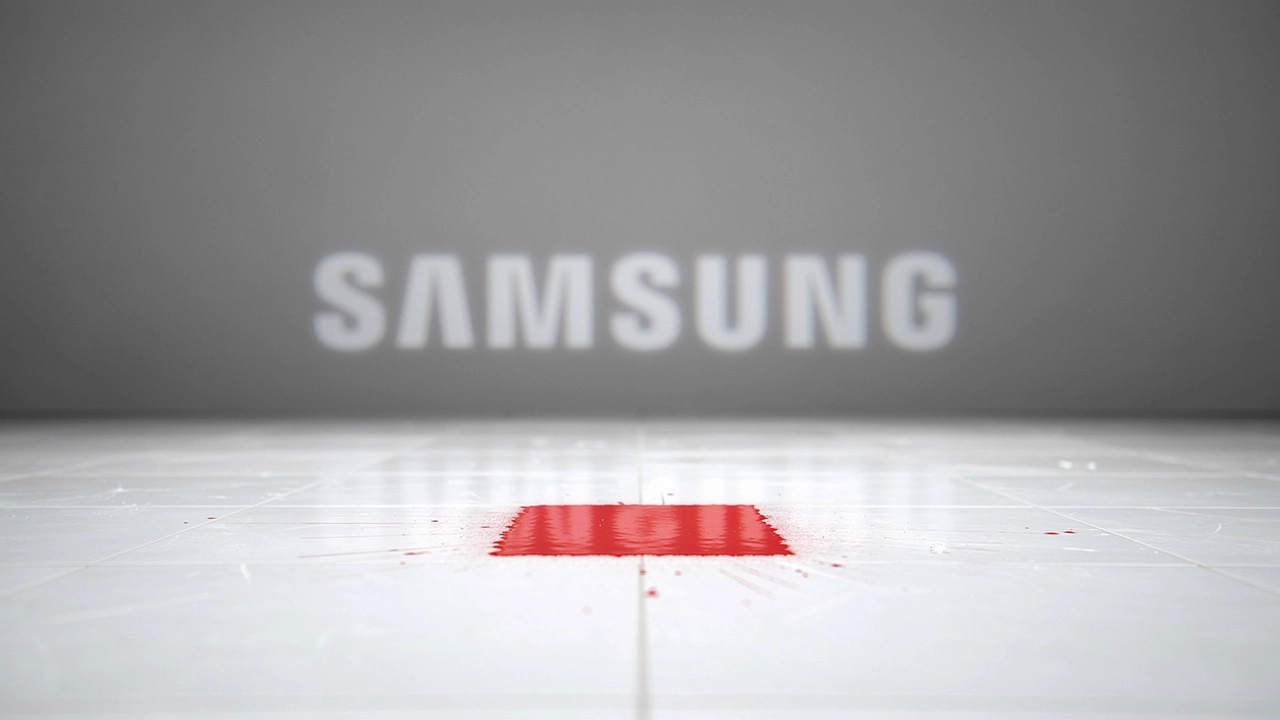
The Galaxy S26 Ultra red screen issue is a growing display defect where a rectangular, reddish tint slowly appears in the center of the phone’s OLED panel after weeks or months of use, affecting visibility, causing eye strain, and undermining the flagship’s Privacy Display promise. This is not a minor cosmetic quirk; it strikes at the core of why people pay for top-tier hardware. When you buy one of the most expensive mainstream phones and its screen starts turning red in a predictable pattern, that is a failure of trust more than a simple technical glitch. Samsung can call this an investigation, but users are already living with a device that feels like a beta test masquerading as a finished product.
How the Problem Appeared and Why Privacy Display Is the Prime Suspect
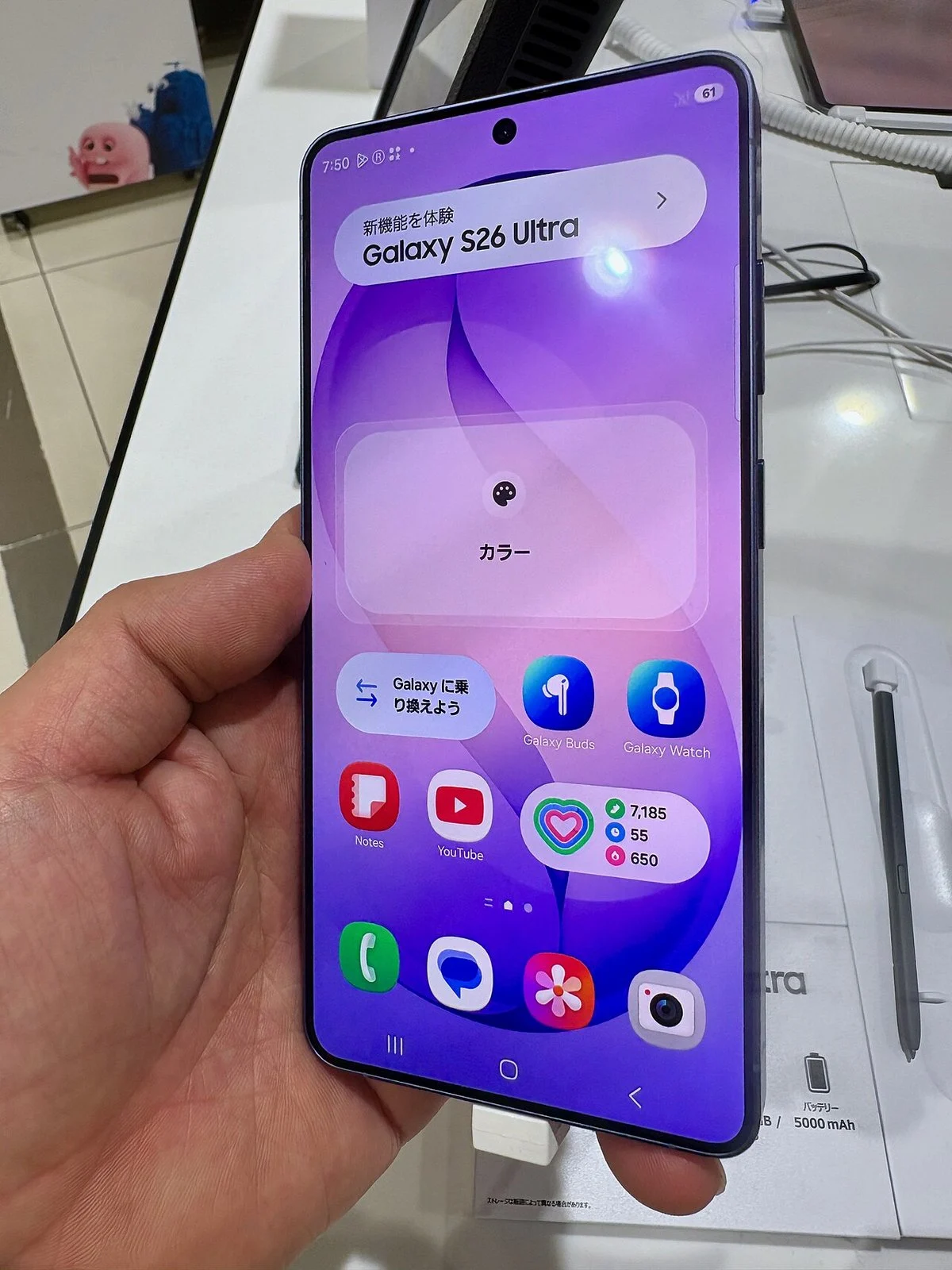
Reports of the red tint screen issue began surfacing in March, only weeks after the Galaxy S26 Ultra went on sale, and have continued through mid-July. Owners describe a slowly intensifying, blurred rectangular patch in the screen center that becomes more visible over two to three months of everyday use. What makes this alarming is that the same symptom keeps appearing regardless of how people use their phones, and even retail demo units show the same discolored region right in the middle of the display. The common thread is Samsung’s headline feature: the built‑in Privacy Display, based on Flex Magic Pixel OLED technology that changes an embedded liquid crystal layer to limit side‑angle visibility. Technical observers have warned that altering the panel’s internal light‑emitting structure to enable privacy could stress pixels unevenly, potentially causing localized degradation that now shows up as those red stains. When a flagship innovation becomes the leading suspect in a Samsung display defect, the marketing story collapses.
Samsung’s Investigation: Big Promises, Thin Answers
Samsung has launched an internal investigation after multiple Galaxy S26 Ultra users and in‑store units reported localized red patches in the middle of their screens. A company representative says they are examining the matter to confirm the cause and reproduce the phenomenon, and some retail display devices have been recalled for detailed analysis. Officially, Samsung has not decided whether this is an isolated manufacturing flaw or a broader Samsung display defect tied to the design of the Privacy Display. Here is the uncomfortable reality: as of mid‑July, there is no fix, no recall, and no published timeline for a solution. Meanwhile, this phone sits at around ¥220,000 (around USD 1,357, approx. ₱79,900), and it reportedly recorded 1.35 million pre‑orders, about 70% of which were the Ultra model. When a premium device with that kind of scale develops an obvious hardware‑like fault, the lack of clear communication looks less like caution and more like corporate hedging.
What This Means for Everyday Users Right Now
For ordinary users, the Galaxy S26 Ultra red screen problem is not a theoretical engineering debate; it interferes with daily use. The defect emerges in the exact area people stare at most, and some early owners had already complained of eye strain and visibility issues tied to the Privacy Display’s microscopic pixel‑level changes. Many affected devices did not show issues out of the box, but developed a reddish tint slowly, which makes the phone feel unreliable over time. Images posted by users show a rectangular red stain that is hard to ignore when reading text or watching video. Attempts at temporary fixes—like manually changing display color settings—can mask the problem slightly but do not address the underlying cause. This is the worst type of defect: gradual, centrally visible, and seemingly tied to the very feature that was supposed to make the phone special. Buyers expected privacy and premium quality; they received privacy and a creeping color failure.
How to Protect Yourself If Your Galaxy S26 Ultra Screen Turns Red
Until Samsung finishes its investigation, users have to protect themselves. If you see a growing pink or red patch—especially a rectangular area in the screen center—start documenting it immediately with clear photos over several days. Then contact Samsung support or visit an authorized service center while your device is still under warranty; current guidance suggests that confirmed cases are expected to receive free repairs. Disable the Privacy Display feature and see whether the stain worsens; while this won’t fix existing damage, it may reduce further stress on affected pixels if the feature is indeed the culprit. Do not accept vague reassurances without written service records. Press for an official diagnosis and replacement if the defect is acknowledged. The company’s next move will depend on its internal findings, but your leverage depends on how clearly you present the problem. A flagship phone at this price should not be turning red in the middle; users should treat this as a warranty‑level failure, not a cosmetic annoyance.