
NAS drives for small offices: what’s at stake
A NAS drive comparison for small offices is an evaluation of storage hard drives designed for always-on network-attached systems, weighing performance, reliability, and price to decide which option offers the best NAS storage drive value for tasks such as backups, shared documents, and media libraries. In this showdown, the Toshiba N300 and WD Red Plus aim at similar NAS workloads but deliver value in very different ways. The bottom line: Toshiba N300 performance favours speed-focused setups that can exploit higher throughput, while WD Red Plus wins on cost control and predictable capacity expansion. If your bottleneck is backup windows and heavy file activity, the premium N300 may make sense; if your priority is stretching the budget for more terabytes, the discounted WD Red Plus 8TB is the safer default.
Hard specs: where Toshiba N300 and WD Red Plus differ
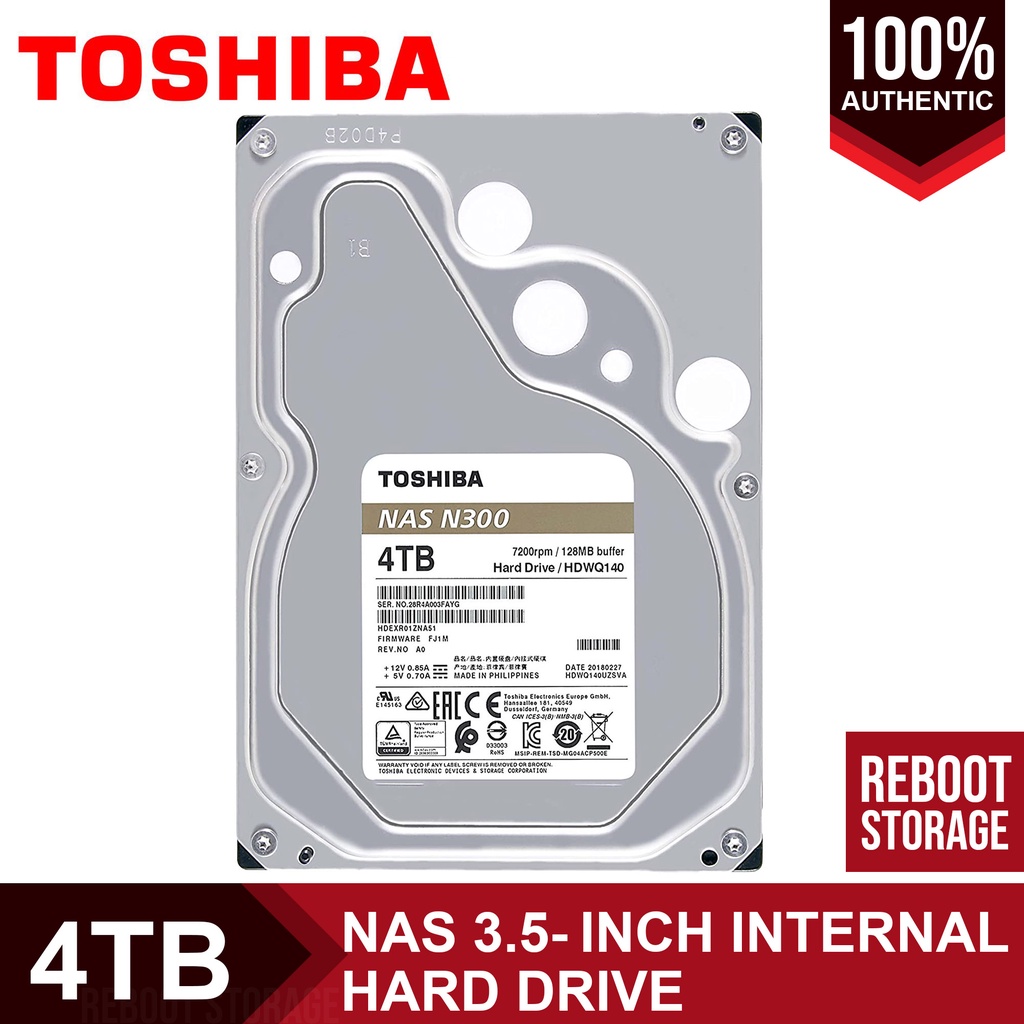
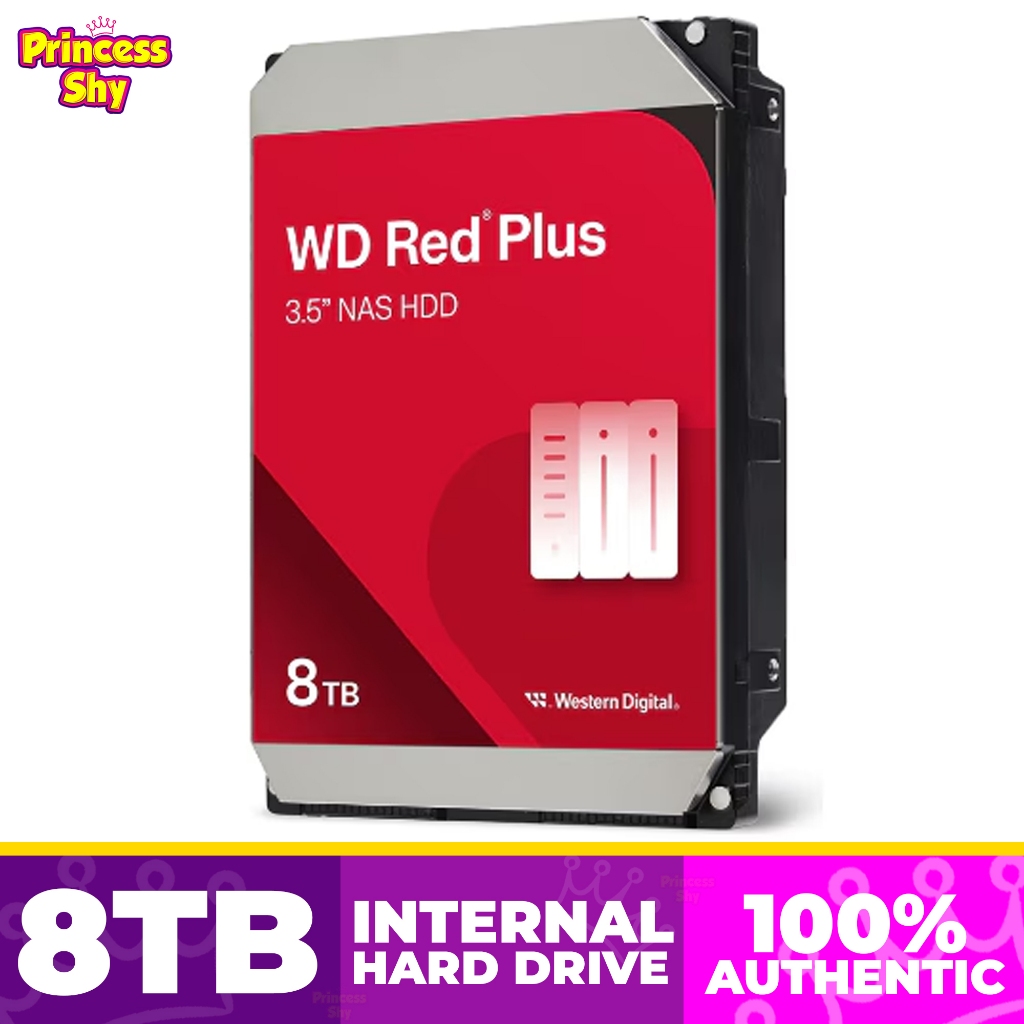
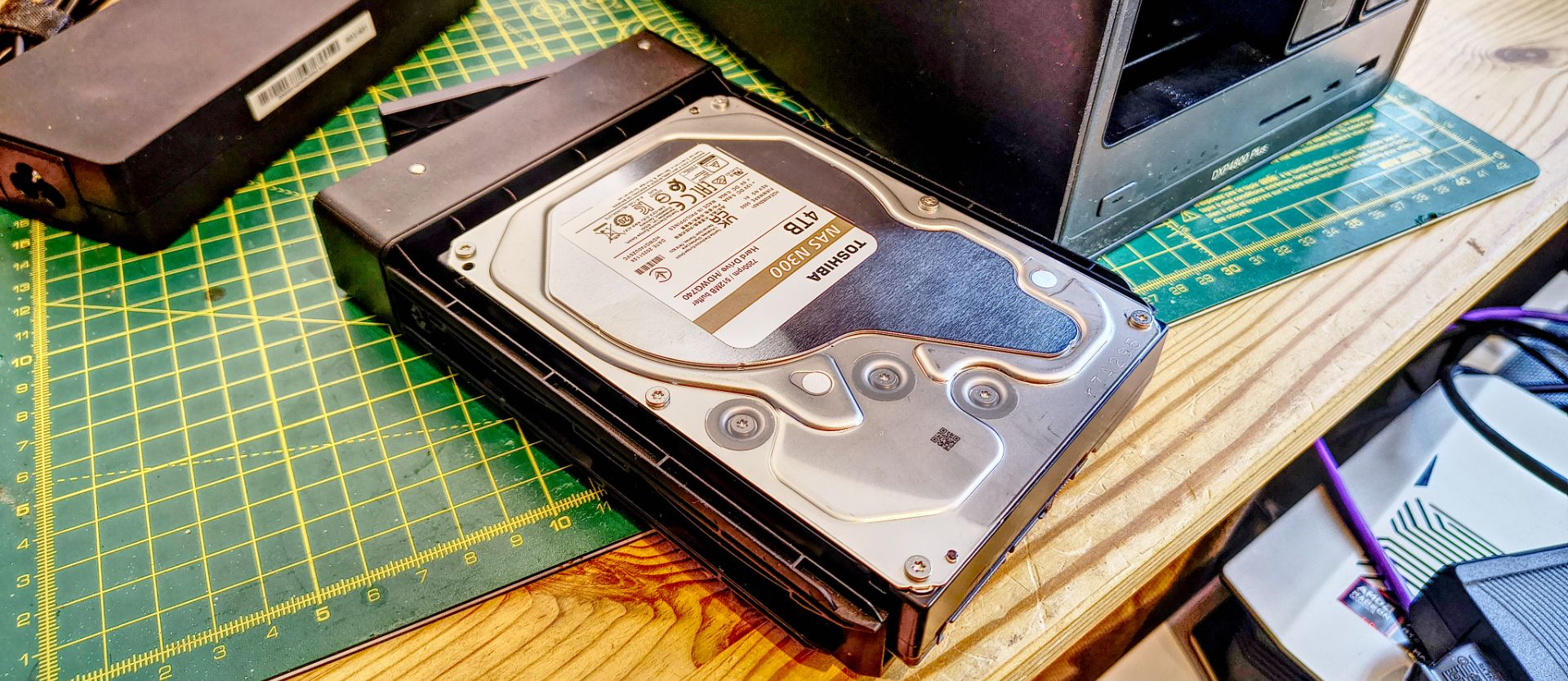
On paper, both drives are NAS-focused CMR models tuned for RAID arrays, but they take different hardware paths to get there. The Toshiba N300 line runs at 7200 RPM across all capacities and reaches sustained transfer speeds of up to 298 MB/s, clearly ahead of rival NAS drives in raw sequential throughput. The WD Red Plus 8TB, by contrast, spins at 5640 RPM and is built around NASware firmware, SATA 6Gb/s connectivity, and a 256MB cache to provide dependable performance for file transfers, backups, and media streaming in small and medium business environments. Both are rated for workloads of up to 180TB per year, so they share similar endurance headroom even though the N300 positions itself as the faster option.
| Spec | Toshiba N300 (example 4TB model) | WD Red Plus 8TB |
|---|---|---|
| Recording technology | CMR, NAS-focused | CMR, NAS-focused |
| Spindle speed | 7200 RPM | 5640 RPM |
| Sustained transfer speed | Up to 298 MB/s | Around 180–190 MB/s for similar Red Plus capacities |
| Cache size | Typically higher; newer 4TB model up to 512MB | 256MB |
| Workload rating | Up to 180TB/year | Up to 180TB/year |
| Current example price | 4TB model around USD 330 (approx. ₱18,480) at one major retailer | 8TB model down to USD 259 (approx. ₱14,536) from USD 355 (approx. ₱19,920) |
Toshiba N300: premium speed with real-world trade-offs
The N300 series was late to the NAS party, so Toshiba made a clear decision to go faster rather than match competitors on like-for-like specs. Running at 7200 RPM and backed by proprietary features such as Stable Platter Technology, Dynamic Cache Technology, and Ramp Load Technology, the N300 turns that higher rotational speed into noticeably better sequential throughput and strong multi-drive behaviour in NAS enclosures. In testing, the N300 4TB model achieved read and write speeds over 285 MB/s, hitting the practical ceiling of 2.5GbE LAN ports. According to TechRadar Pro, “aside from PCMark10, all other tests show that the N300 is a country mile faster than either of the alternative NAS drives with the same capacity”. The downside is clear: more speed means more power use, more heat, and more noise, and the N300’s pricing has surged far beyond rival NAS drives of similar capacity.
WD Red Plus 8TB: value-focused capacity for backup and media
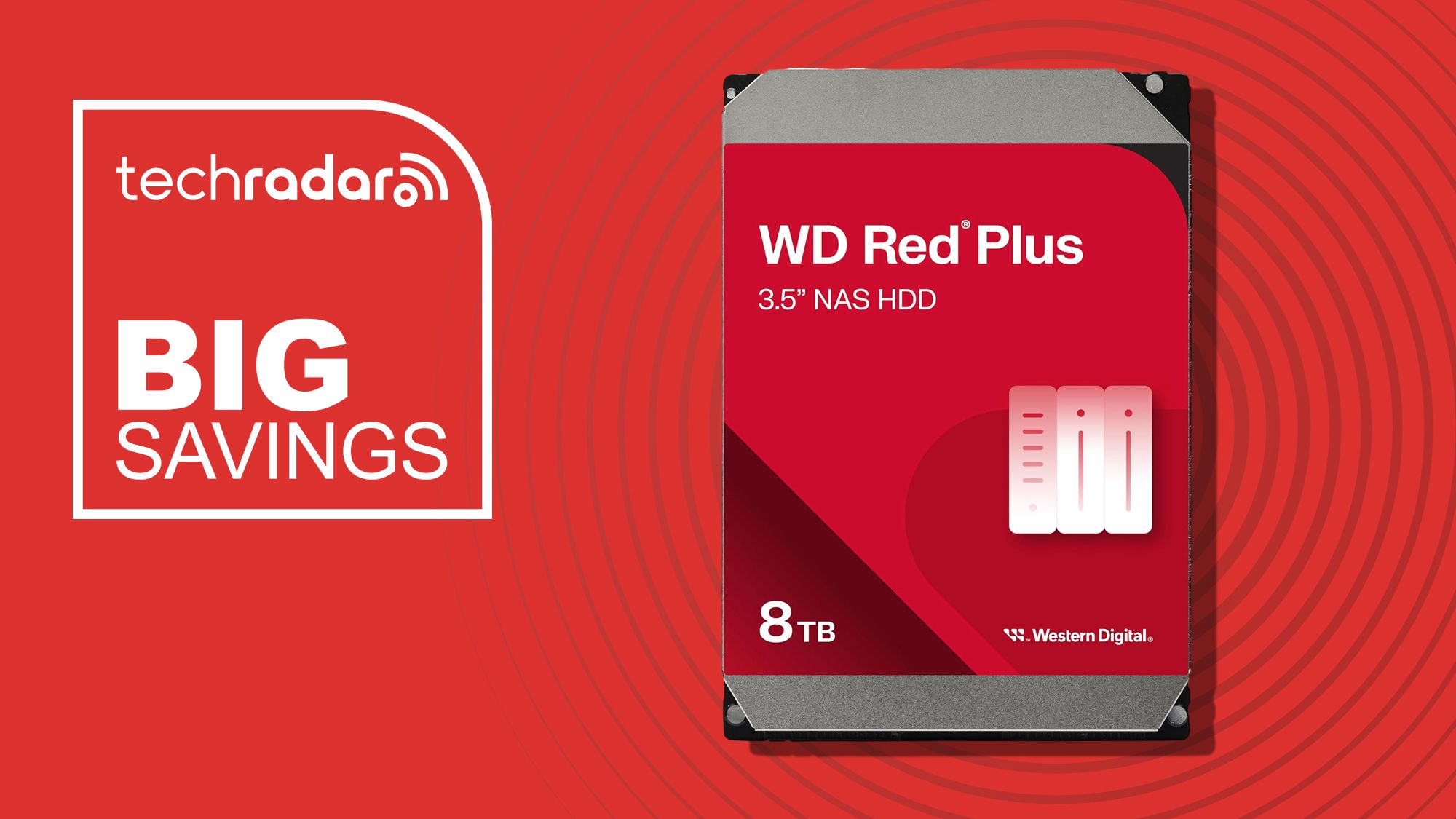
Where the N300 leans into speed, the WD Red Plus line and especially the 8TB model lean into value and predictable capacity. Built specifically for always-on NAS systems, the drive uses NASware firmware to improve compatibility with RAID-optimized enclosures and offers 8TB of space that comfortably holds family photos, videos, backups, documents, and large media libraries. Spinning at 5640 RPM, it prioritizes quiet, dependable operation over headline throughput, backed by SATA 6Gb/s and a 256MB cache for smooth file transfers and media streaming workloads. The 8TB WD Red Plus NAS is currently down to USD 259 (approx. ₱14,536) from USD 355 (approx. ₱19,920), a discount of USD 96 (approx. ₱5,384) that turns it into one of the better prices seen recently for NAS-specific storage. That discount, combined with its workload rating of up to 180TB per year, makes it a strong fit for small offices that focus on reliable backup and shared storage over raw performance.
Performance-to-cost: which NAS drive is right for your office?
From a small office perspective, the value question is simple: do you pay a premium for speed or maximise terabytes per dollar? The N300’s higher RPM and larger cache deliver a clear performance edge that can shrink heavy backup windows and accelerate large file operations, and based on its benchmark numbers, it might be worth the asking price if your NAS configuration and workflow are truly limited by disk throughput. However, the same drive currently sells around USD 330 (approx. ₱18,480) for 4TB at one large retailer, after previously being available at USD 215.62 (approx. ₱12,105) and USD 154.99 (approx. ₱8,699) in the past, a steep rise that outpaces competing NAS drives. The WD Red Plus 8TB, meanwhile, offers double the capacity of that 4TB N300 and a workload rating of 180TB/year at a discounted price, making it easier to build or expand a NAS without blowing the hardware budget. Both drives share the same 180TB/year workload rating and three-year expectations, so neither is uniquely durable. For most small offices, the performance-to-cost balance tilts toward the WD Red Plus unless you have clear, measurable storage bottlenecks that demand the N300’s speed.
Buy if / Skip if
- Buy the Toshiba N300 if your NAS regularly pushes 2.5GbE links during backup or sync jobs and you can measure that disk speed is your main bottleneck.
- Skip the Toshiba N300 if your small office NAS sits in a shared workspace where extra noise, heat, and higher power draw are unwelcome.
- Buy the WD Red Plus 8TB if your priority is affordable, reliable backup and media storage with plenty of capacity per dollar and standard NAS workloads.
- Skip the WD Red Plus 8TB if you run extremely backup-intensive workflows and have already tuned your network and caching to the point where drive throughput is now the limiting factor.
- Buy the Toshiba N300 if you want NAS-specific features and faster sequential performance and can justify its higher price compared with other NAS drives of similar capacity.
- Skip the WD Red Plus 8TB if you prefer to standardize on higher-RPM NAS drives and are willing to pay more for peak transfer speeds across the array.