
From steel oceans to digital supply chains
RIMPAC’s integrated at-sea additive manufacturing and autonomous drone delivery network is a military 3D printing experiment that links shipboard 3D printers, floating factories, and self-driving surface drones into a single system that can receive digital part requests, print components near the front line, and deliver them across rough seas without waiting for traditional supply ships. The U.S. defense establishment is running its largest-ever combined test of 3D printing and autonomous drone delivery during the Rim of the Pacific exercise this month, pairing onboard manufacturing with unmanned resupply runs to cut turnaround time for replacement parts. In a theater where every spare bolt has historically depended on a long, exposed logistics chain, this is less a tech demo than a quiet revolt against the tyranny of distance.
Why the largest at-sea additive manufacturing test matters
At the center of this shift is a bold bet: that distributed naval manufacturing can outpace traditional supply lines when they are too slow, vulnerable, or far away. The Naval Postgraduate School is leading what it calls the largest operational demonstration of advanced manufacturing ever undertaken by the defense department during RIMPAC, testing whether a distributed manufacturing network can produce and deliver replacement parts closer to operational forces and reduce reliance on conventional supply chains during military operations. In practice, that means a digital production network that receives requests, assigns production to the nearest qualified facility, and delivers parts directly to units instead of routing everything through distant depots. RIMPAC is the ideal laboratory: between 35 and 38 nations, about 40 surface ships, five submarines, more than 140 aircraft, and tens of thousands of personnel are involved. At this scale, small efficiency gains become strategic advantages.
Printing parts where the fight happens
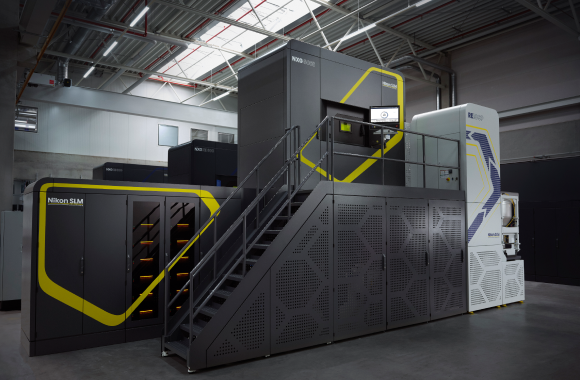
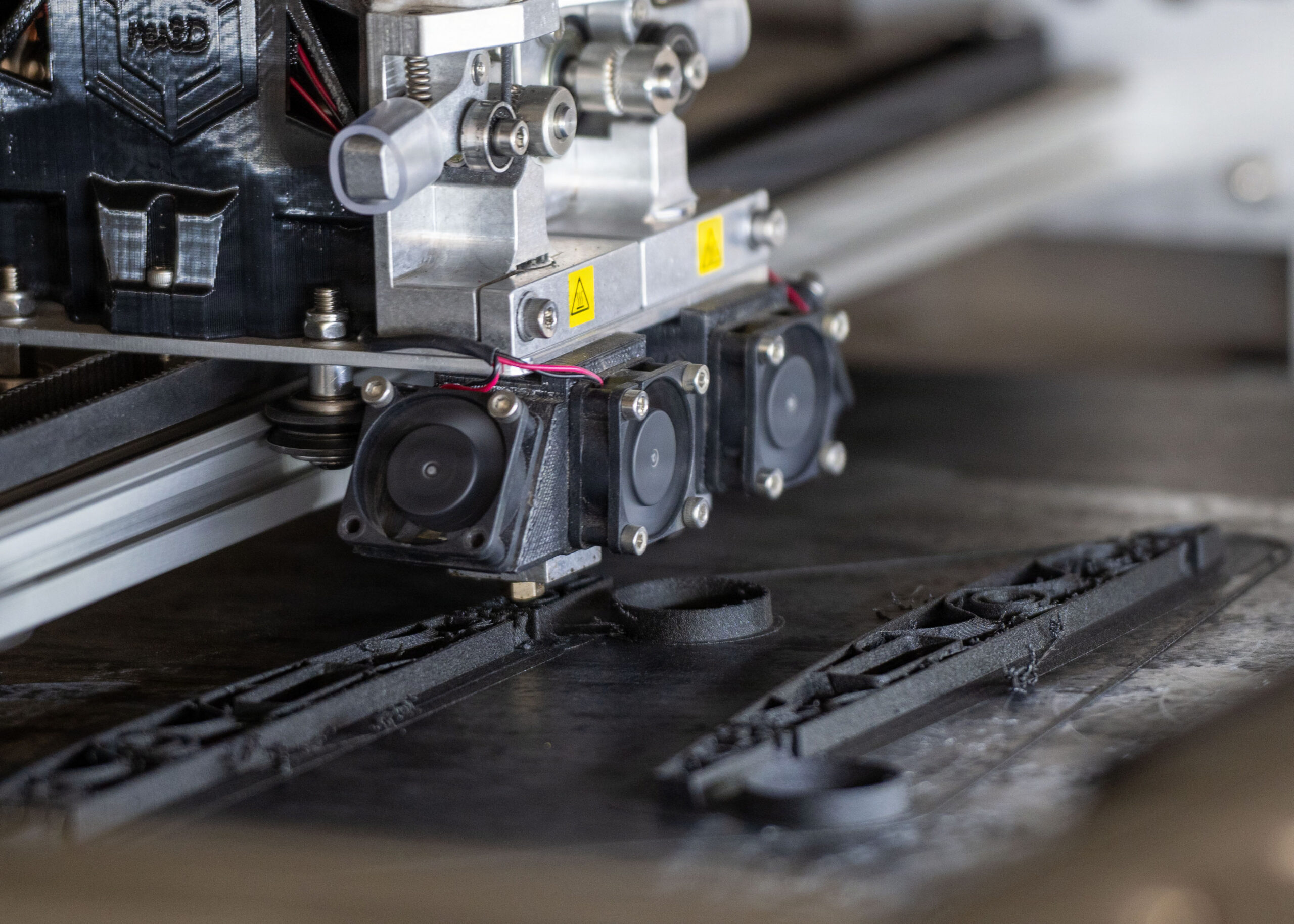
The most radical change is that manufacturing is moving from the rear to the front. Containerized 3D printing platforms and micro factories are being pushed into the field, onto decks, and even out of aircraft. One expeditionary advanced manufacturing cell, installed aboard the amphibious assault ship USS Essex, produced more than 1,000 parts for the navy, marines, coast guard, and army while underway, including in waves up to 12 feet high. During the exercise, the Joint Advanced Manufacturing System connects metal additive manufacturing systems aboard four naval vessels, allowing ships to manufacture parts not only for their own needs but also for other ships and forces ashore. Rugged printers that can be parachuted from a plane and set up in minutes push the logic further: if you can drop a sensor, you can now drop a factory. This is naval manufacturing as a mesh, not a hierarchy.
Autonomous drone delivery: the wet-end of the network
If printers are the new front-line workshops, autonomous drone delivery is the courier service binding them together. Self-driving surface drones are no longer science projects; they are now the last mile of a digital logistics chain. A 10‑foot Typhoon water surface drone delivered a needed component to the USS Essex in fully autonomous mode, docking itself in the ship’s intake bay as it moved at about 10 knots, before returning with cargo loaded by the crew. A larger drone boat then navigated roughly 85 miles through terrible seas at night to reach an aircraft carrier without any support vessel following. These are not stunt runs; they prove that unmanned resupply can survive the same rough water that strains crewed tenders. When drones can routinely deliver needed components through waves as high as 12 feet while 3D printers operate aboard vessels in choppy seas, the excuse of “waiting for the supply ship” starts to disappear.
‘Uber for manufacturing’ and the future of military logistics innovation
The most telling line from this experiment comes from Marine Lt. Col. Michael Radigan, who described the goal as “Uber for manufacturing delivered at the speed of Amazon, for the highest quality of parts” in the most contested environments. That ambition matters more than any individual printer or drone. Coordinated by Fleetwerx and the Naval Postgraduate School’s Consortium for Advanced Manufacturing Research and Education, the effort brings together advanced manufacturing, autonomous systems, and artificial intelligence to “deliver true parts that the joint force needs” rather than prototypes. The initiative is explicitly designed to test whether distributed manufacturing can function under operational conditions that cannot be replicated in laboratories, including contested logistics, multinational coordination, and sustaining production during expeditionary operations. The likely outcome is not a perfect system, but a clear verdict: future forces that treat code, printers, and drones as core logistics infrastructure will outpace those still waiting on the pier for the next supply ship.