
Biocompatible resin on demand: from prototyping accessory to production tool
On-demand biocompatible 3D printing resin for medical and dental devices means certified photopolymers and validated printer workflows are available as a service, enabling direct production of surgical guides, diagnostic components, and other regulated parts without owning hardware or managing in‑house material qualification. This is quietly changing how clinics, dental labs, and device makers move from CAD model to sterilizable part. Digital manufacturing provider Protolabs has begun offering Medical White (MED-WHT 10), a biocompatible photopolymer, through its on-demand production services, running on Axtra3D’s Lumia X1 Hi-Speed SLA platform. The move is not a niche material update; it is a signal that contract manufacturers now see photopolymer medical applications as a production business, not a prototyping sideline.
Inside the Protolabs–Axtra3D play: workflows, not toys
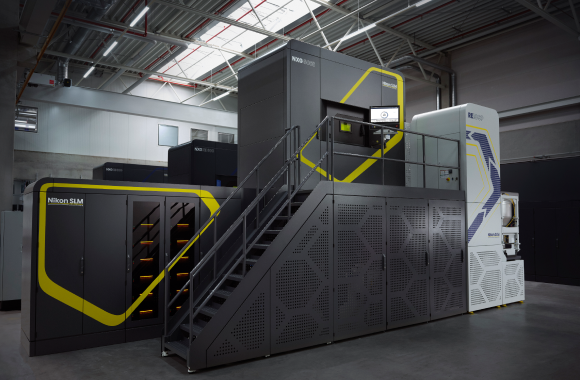
The headline is not that a new resin exists; it is that Medical White arrives as a fully qualified workflow on serious production equipment. Protolabs now offers Medical White as the fifth qualified material on the Lumia X1 platform and currently operates three Lumia X1 systems to support industrial and medical orders. That scale matters. It shows that biocompatible 3D printing resin is being treated as production infrastructure, not an experimental option tucked in a lab corner.
Crucially, Protolabs and Axtra3D work as an integrated engineering partnership: they jointly identify high‑value applications, pick materials from Axtra3D’s expanding partner ecosystem, and qualify complete production workflows before customers ever click “order.” In other words, they are selling predictable outcomes, not hobbyist chemistry. As one of the partners points out, qualified workflows, not new machines, are now the growth engine of this collaboration.
Why Medical White matters for dental and surgical parts
If this were just another white resin, the market would shrug. Instead, Medical White is tuned for the harsh realities of the clinic. It is a biocompatible 3D printing resin that targets parts where biocompatibility, sterilization compatibility, dimensional stability, and a clean visual finish are non‑negotiable. The material meets ISO 10993‑5 cytotoxicity and ISO 10993‑10 sensitisation and irritation requirements, positioning it for regulated end‑use production rather than concept models.
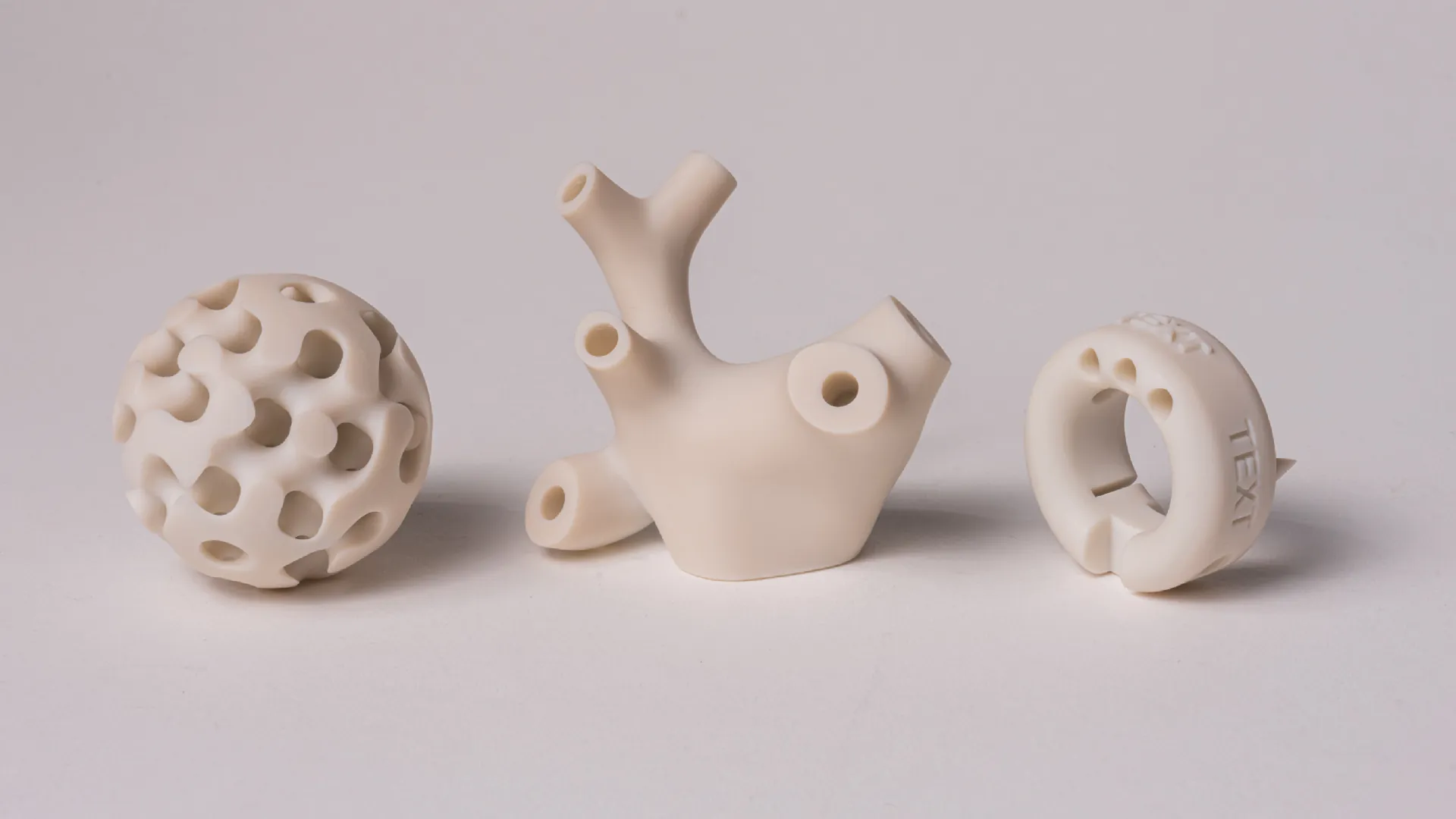
Suggested photopolymer medical applications include medical devices, surgical guides, splints, diagnostic components, anatomical models, and dental applications, including dental parts for treatment planning and device fabrication. Dental surgical guide production, in particular, benefits from the fine feature resolution, dimensional accuracy, smooth surface finish, and high‑temperature resistance claimed for the material. Paired with Axtra3D’s Hybrid PhotoSynthesis process, the Lumia X1 is said to support commercial‑scale output without sacrificing detail—exactly what clinicians need when a guide has to match a patient’s anatomy, not a rendering on a screen.
On-demand medical device manufacturing is shifting the supply chain
The real disruption lies in how this kind of on-demand medical device manufacturing reshapes who controls production. With Medical White immediately available through on‑demand services, a design engineer or dental lab can move from CAD to sterilizable component without investing in a printer fleet or building a regulatory-quality post‑processing line. That undermines the old assumption that certified parts must pass through a traditional, multi‑step outsourcing chain.
Across the industry, the pattern is the same: material makers, printer OEMs, and service providers increasingly ship complete, pre‑qualified workflows rather than standalone resins, because medical customers buy predictability, not just chemistry. Similar validation‑driven strategies around open biocompatible resins and co‑developed medical photopolymers confirm that Medical White is part of a broader shift, not an isolated product launch. The winners in this new landscape will be those who can turn a certified material portfolio into same‑week, regulator-ready parts.
The next competitive edge: certified access, not exotic materials
The lesson from the Protolabs–Axtra3D collaboration is clear: the frontier in medical 3D printing is no longer exotic chemistries; it is accessible, certified production capacity. By expanding Advanced Photopolymers with a production‑grade resin designed for biocompatibility, sterilisation, dimensional stability, and strong visual appearance, Protolabs is courting customers who are moving beyond prototyping toward regulated production. Those customers want a digital quote and a regulatory‑friendly part, not a tour of the resin catalog.
Medical White on the Lumia X1 shows how contract manufacturers can turn material ecosystems into strategic assets. It supports medical devices, surgical guides, splints, diagnostic components, anatomical models, dental parts, and even industrial or electronic components that need dimensional and thermal stability. The takeaway for device makers and dental labs is simple: the competitive edge is shifting to whoever can tap these on‑demand, biocompatible workflows fastest—and integrate them cleanly into design, validation, and clinical routines.