
The Budget iPad’s Long-Overdue Leap Into Apple Intelligence
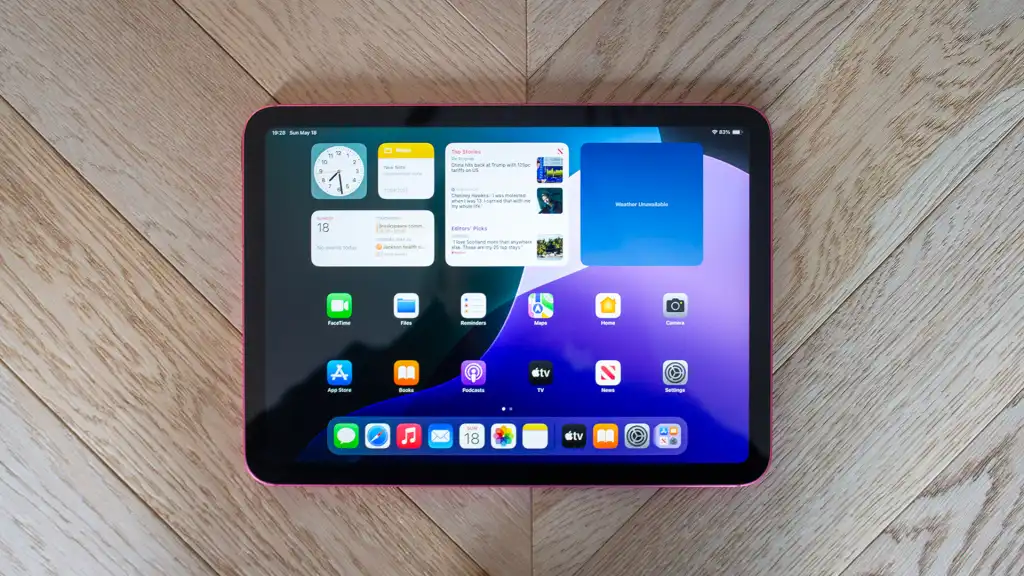
The entry-level iPad upgrade refers to the expected refresh of Apple’s cheapest tablet with a faster A18 or A19 processor, 8GB of RAM, and modern wireless chips so it can finally run Apple Intelligence features and keep pace with the rest of the iPad lineup in everyday productivity and AI tasks.
This refresh matters because it changes what “budget iPad” means. Instead of a basic consumption screen, the next base model is poised to become the gateway to Apple’s AI ecosystem. Reports describe a new iPad that is “ready to go” with an A18 chip, which debuted in the iPhone 16 and 16 Plus, firmly pointing to Apple Intelligence support on the most affordable tablet tier. In other words, the AI party finally moves from premium-only to mainstream. That shift will have bigger consequences than any minor design tweak: it decides who gets access to on-device assistants, smarter apps, and AI-enhanced workflows—and who is left stuck with yesterday’s hardware ceiling.
A18 vs A19: Two Chips, One Goal—Apple Intelligence Support
The central question for the next base iPad is not if it will get a new chip, but which one. The biggest upgrade coming to the new iPad will be a processor swap, with evidence split between the A18 and A19. Most signs, including a March 2026 report saying the device is “ready to go” with an A18, suggest Apple will choose that chip. This is the safer path: the A18 already powers iPhone 16 models, making it mature silicon with known thermals and performance.
The A18 is expected to bring a 6‑core CPU and 5‑core GPU, plus a 30–40 percent performance boost over the older A16. That jump, paired with Apple Intelligence support that the A16 cannot deliver, is the real story. A leaked alternative shows Apple testing A19-based iPads, codenamed J581 and J582, with performance around 50 percent faster than A16 and the same 6‑core CPU and 5‑core GPU structure. Either way, this is no minor bump; it is Apple deciding that even its cheapest tablet should be a first-class AI citizen.
Why 8GB RAM Turns a Cheap iPad Into a Serious Productivity Tool
Chip headlines grab attention, but RAM is what will change day-to-day life on the entry-level iPad. Both the A18 and A19 configurations expected for this tablet are paired with 8GB of RAM, up from 6GB in the current A16-based model. That extra memory is not a luxury; it is a requirement. The A18’s 30–40 percent performance boost comes alongside 8GB of RAM, which is explicitly described as enabling Apple Intelligence. Likewise, the A19 is expected to use 8GB because this capacity is essential for those AI features.
In practical terms, 8GB means more apps can stay alive in the background, split-screen multitasking becomes less of a compromise, and AI-heavy processes like summarising documents or generating images are less likely to crash or reload. This is the difference between a “video and browsing only” tablet and something that can handle serious note-taking, research, and light creative work. If Apple holds the line on price, the base iPad suddenly becomes the default recommendation for anyone who wants Apple Intelligence support without stepping up to premium models.
Connectivity and the Wider iPad Lineup: A Smarter Ecosystem Play
Processor and RAM are only part of the entry-level iPad upgrade. Apple is also expected to bring its N1 connectivity chip to this device. That single move could push the tablet to Wi‑Fi 6E or even Wi‑Fi 7 and Bluetooth 6.x, up from today’s Wi‑Fi 6 and Bluetooth 5.3. Faster, more stable wireless matters when the whole pitch is “AI everywhere.” If Apple Intelligence features sync across devices and lean on both on-device processing and cloud services, the last thing users need is a bargain-tier radio holding them back.
This update also fits into a wider reshuffle of the iPad family. An all‑new iPad mini with an OLED screen, aimed at power users who prefer a small form factor, is reportedly in the pipeline. Over the past few years, the mini has become the compact powerhouse, while the base model has been the casual user’s tablet. Aligning both with Apple’s in-house connectivity and modem chips keeps the lineup coherent: every iPad tier gets modern radios and at least one model in each size can participate fully in the Apple Intelligence story.
What the Timeline Tells Us About Apple’s AI Priorities
The timing around this budget iPad 2026-style refresh speaks volumes about Apple’s priorities. In December 2025, code leaks already showed Apple testing new iPads with A19 chips. By March 2026, reports said an A18-powered model was “ready to go,” suggesting Apple has been iterating on configurations for some time. At the same time, broader reporting points to the biggest upgrade in the 2027 iPad being its new processor, with debate still swirling over whether A18 or A19 will win out.
Overlay that with plans for an OLED iPad mini launch near the debut of a first foldable iPhone, and it is clear Apple is reshaping the whole iPad family around performance tiers and AI expectations. The takeaway is simple: the era where only top-end iPads got meaningful silicon and memory upgrades is over. Once the entry-level iPad ships with an A18 or A19, 8GB RAM, and Apple Intelligence support, the most affordable tablet in the lineup stops being a compromise and starts being the default AI tablet for most people. That is the right move—and long overdue.