
Medical White Signals a Shift From Prototyping to Regulated Production
Protolabs’ launch of Medical White (MED-WHT 10), a biocompatible photopolymer offered on Axtra3D’s Lumia X1 Hi-Speed SLA platform, marks a clear move toward on-demand, production-grade biocompatible resin workflows for medical and dental parts that demand sterilization compatibility, dimensional stability, and a clean visual finish. That is the real story: additive manufacturing is finally treating materials, printers, and post-processing as a single validated system for regulated end-use, not as a loose toolkit for quick prototypes. Digital manufacturing providers have long promised agility for healthcare, but biocompatible resin production has often stalled at the qualification stage. By making Medical White immediately available through its on-demand production services and positioning it as the fifth qualified material on the Lumia X1 platform, Protolabs is arguing that speed and certification can coexist rather than trade off. This is less a niche material launch than a sign that on-demand dental manufacturing and surgical guide 3D printing are moving into a more disciplined phase.
Inside the Protolabs–Axtra3D Workflow: Machines Matter Less Than Validation
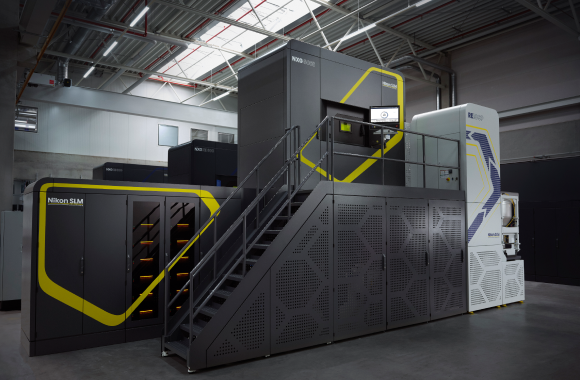
The headline upgrade is the material, but the deeper shift lies in how Protolabs and Axtra3D are building their ecosystem. Protolabs now operates three Lumia X1 production systems to serve industrial and medical work, yet both companies emphasize that hardware alone is not the growth engine. Their engineering teams jointly identify high-value applications, select resins from Axtra3D’s network of material partners, and then qualify the full workflow before any customer sees a quote or presses "order." That approach reflects a sober recognition: medical customers buy predictability, not exotic chemistries. Protolabs’ 3D Printing Director of Manufacturing Operations Kenny Capps states that the addition of Medical White "reflects our continued commitment to providing customers with production-ready materials that solve real manufacturing challenges," a pointed contrast with the industry’s habit of shipping unproven resins. In an era where SLA dental applications and surgical devices face regulatory pressure, this validation-first mindset is not optional—it is the price of serious participation.
What Medical White Changes for Dental Labs and Surgical Teams
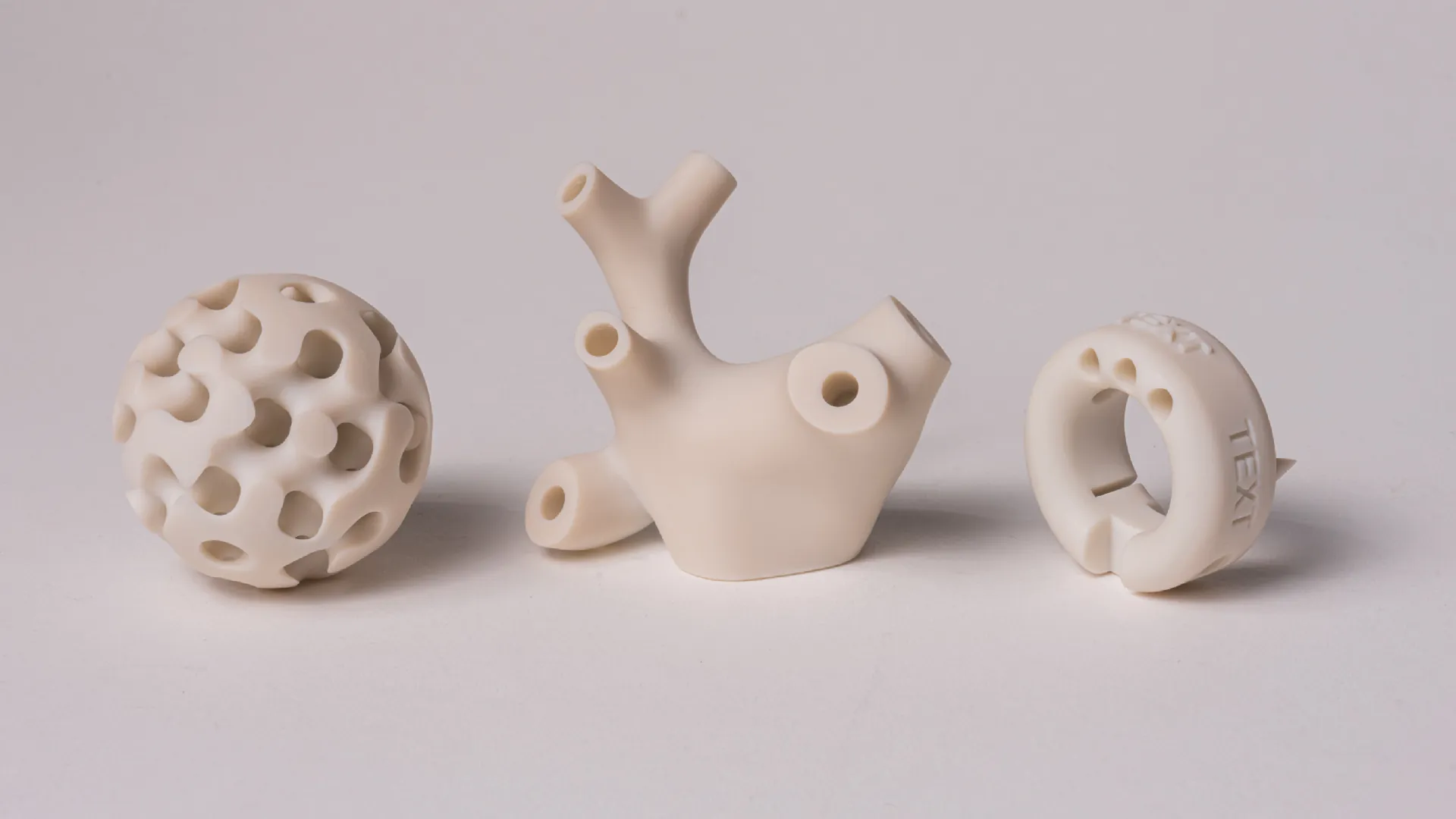
Medical White is designed for parts where biocompatibility, sterilization compatibility, dimensional stability, and visual quality are non-negotiable, and it meets ISO 10993-5 and ISO 10993-10 requirements for cytotoxicity, sensitisation, and irritation. This turns SLA dental applications and surgical guide 3D printing from clever R&D exercises into viable paths for regulated production. Suggested use cases include medical devices, surgical guides, splints, diagnostic components, anatomical models, and dental parts, as well as selected industrial and electronic components that need thermal and dimensional stability. The combination of fine feature resolution, dimensional accuracy that stays true to CAD geometry, smooth surface finish, and high-temperature resistance means dental labs and surgeons can treat on-demand resin production as a way to secure precise, sterilizable models without maintaining large in-house resin inventories. In practice, that shifts more work to service providers and away from capital-heavy, underutilized equipment in individual clinics—a redistribution that some will welcome and others will find uncomfortable.
Biocompatible Resin Production Is Becoming a Networked Discipline
Medical White does not arrive in a vacuum; it fits a broader pattern in biocompatible resin production where printer OEMs, material makers, and service bureaus collaborate on complete workflows rather than standalone resins. Axtra3D’s Axtra Solutions model explicitly favors qualifying third-party materials on its Lumia X1 systems over owning all the chemistry in-house, mirroring what other resin printers have done with medical-grade photopolymers and defined post-processing steps. The message is clear: the future of on-demand dental manufacturing and surgical guide 3D printing will be shaped by ecosystems, not lone products. According to Axtra3D Chief Strategy Officer Rajeev Kulkarni, Protolabs "has become an outstanding example of how this collaborative approach accelerates adoption of additive manufacturing into production," and that comment cuts both ways. Providers unwilling to participate in such networks risk being stuck in prototype-only work, while those who embrace qualified paths like Medical White can claim a more credible role in regulated care.
Conclusion: Qualified On-Demand Workflows Are the Real Competitive Edge
Protolabs’ decision to add Medical White as the fifth production-ready resin on its three Lumia X1 Hi-Speed SLA systems is noteworthy, but the strategic lesson is broader. Biocompatible resin production for dental and surgical parts is leaving its improvisational phase; providers are expected to deliver validated, repeatable outcomes, not experimental prints dressed up as clinical solutions. As dental labs and surgical teams weigh their options, the smart choice is to favor on-demand partners that treat materials, machines, and post-processing as a single, certified workflow. Medical White, with its ISO-tested biocompatibility and sterilization compatibility, is one concrete example of that philosophy. The competitive edge will belong to those who invest in qualification and reliability rather than flashy announcements—because in regulated medicine, a resin is only as valuable as the process that proves it safe.