
From Industrial Machines to Playful Creative Tools
Playful design in consumer 3D printers refers to using familiar imagery, licensed characters, and community-driven challenges to make 3D printing feel like an inviting creative activity rather than intimidating technical equipment, lowering perceived barriers for newcomers while still serving serious makers and creators. The most interesting shift in 3D printing accessibility today is not about faster motors or cheaper hardware; it is about personality. Brands have finally realized that if consumer 3D printers keep looking like lab gear, mainstream audiences will keep assuming they are not for them. Instead of neutral boxes and engineering-heavy messaging, companies are leaning into cultural relevance, gamified participation, and visual friendliness. That change matters because it reframes 3D printing as part of everyday maker culture, closer to a camera or a game console than a factory robot.
Elegoo’s Emoji Printer: Branding as an On-Ramp to 3D Printing
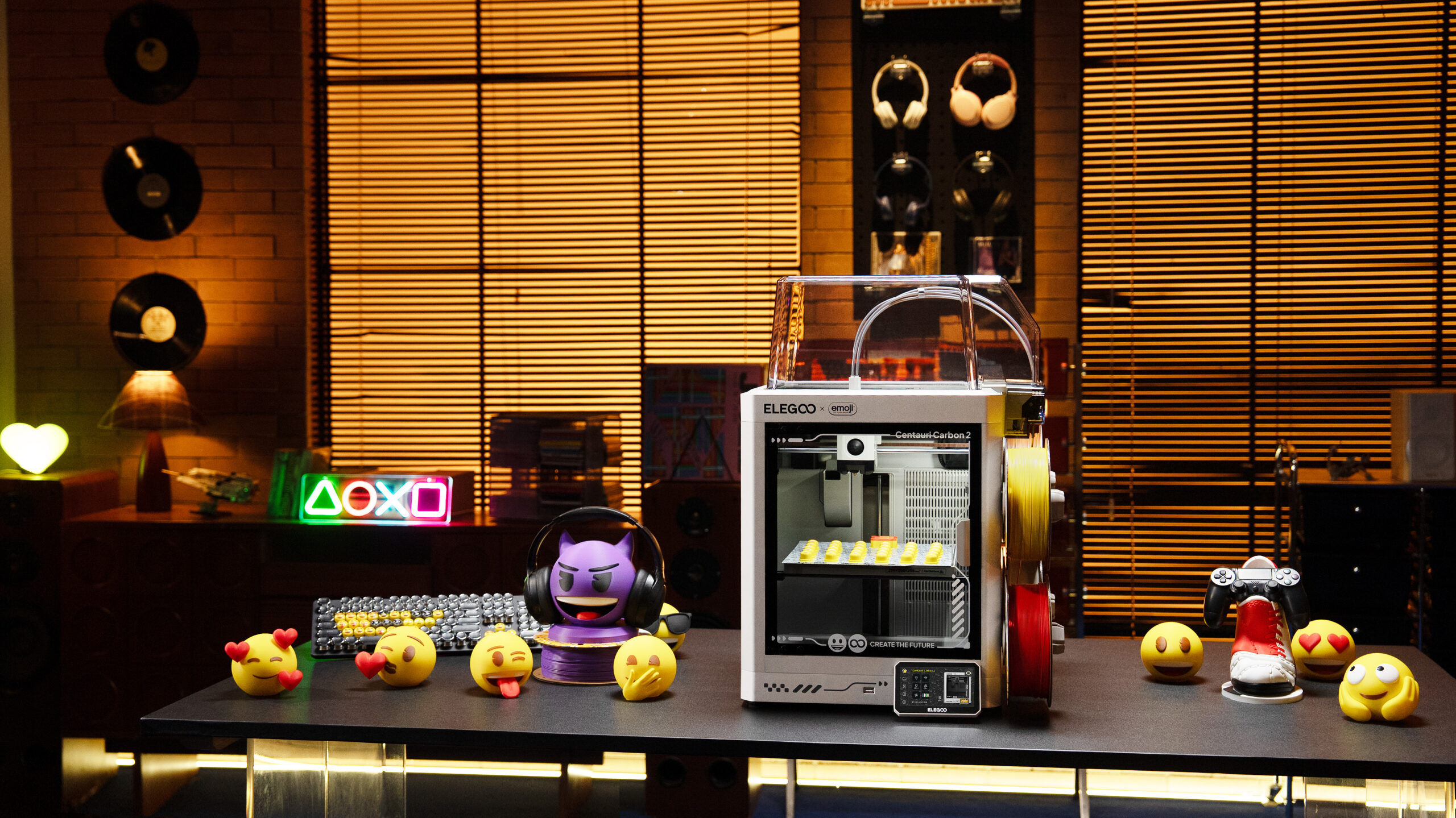
Elegoo’s emoji-themed printer is the clearest signal that consumer 3D printers are being reimagined as lifestyle products rather than niche tools for enthusiasts. The company unveiled the world’s first officially licensed emoji-themed 3D printer to test whether a global, familiar brand could make the technology feel less intimidating to people who have never printed before. Ryan Wang argues that while technical barriers are lower, psychological barriers remain because most machines still look cold and impersonal. Matching a high-speed CoreXY platform capable of up to 500 mm/s with an emoji-inspired exterior, custom interface, and access to licensed emoji models lets Elegoo focus on redesigning the experience, not the mechanics. That is the strategic point: make the printer feel culturally relevant and approachable so newcomers feel comfortable using it, while giving existing makers a device that reflects their personality instead of blending into a beige hardware lineup.
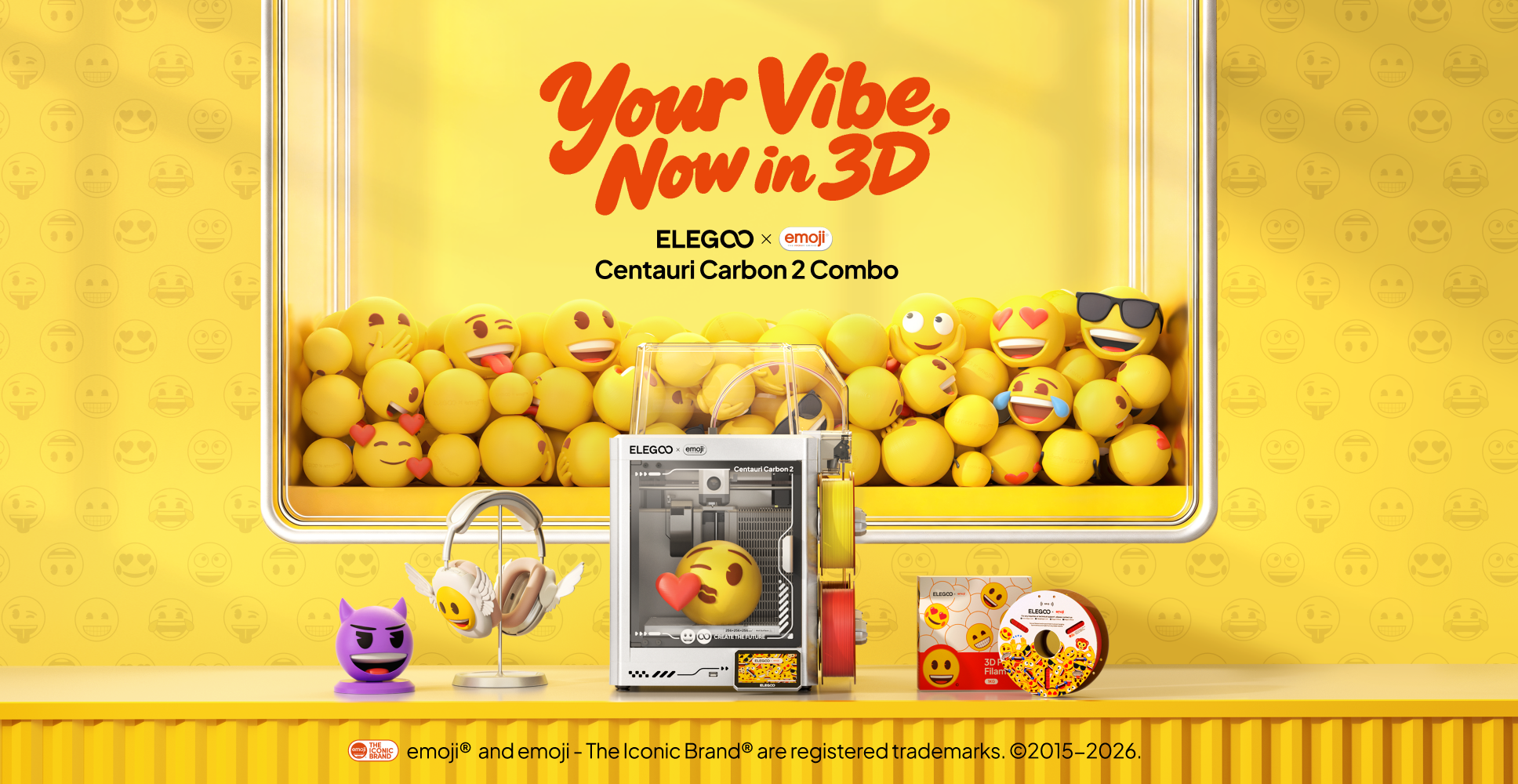
Gamified Design Challenges Turn 3D Printing Into Play
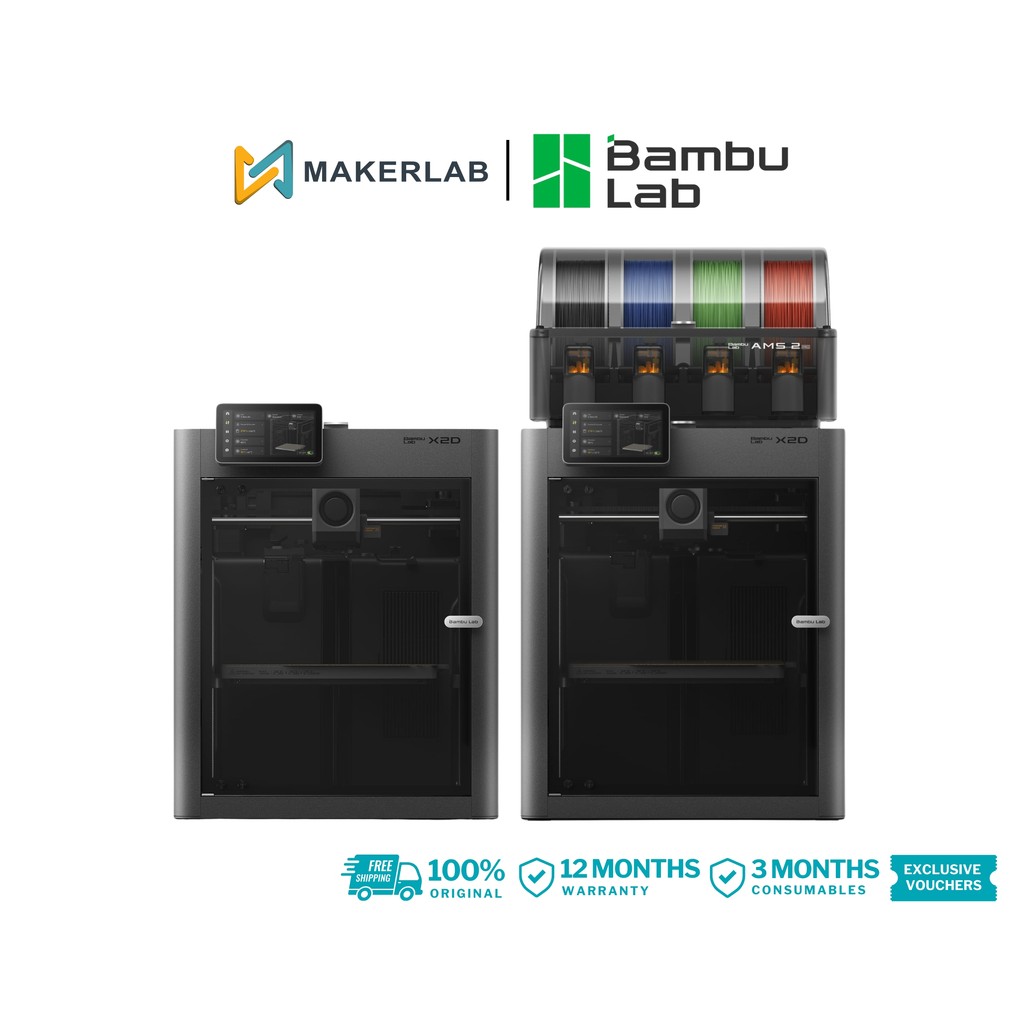
Where Elegoo softens the front door to 3D printing, Bambu Lab and Insta360 turn what happens inside into a game. To promote the Luna Ultra dual-lens 8K gimbal camera, the camera brand teamed up with the 3D printing company to launch a design challenge on the MakerWorld platform for custom accessories and mods. The contest, running until August 9, 2026, offers 40 prizes worth over USD 11,000 (approx. ₱616,000), split across model design and social content tracks. The top social entries can win a Luna Ultra bundle plus a Bambu Lab X2D Combo printer worth a combined USD 1669 (approx. ₱93,500). More important than the prize pool is the message: 3MF and STL files for the camera are released so makers can design practical rigs and mounts alongside playful covers and housings. One standout accessory may even become an official product, turning ordinary users into co-designers of the hardware ecosystem.
Community and Visual Appeal Beat Raw Specs for Accessibility
Hardware progress has made 3D printing technically accessible, but brands are finally admitting that specs alone do not make a newcomer hit “print.” Wang is blunt: 3D printing “has entered a stage where it’s really accessible to everyone,” yet many people still do not feel the magic because the products look overly technical. Elegoo’s emoji interface, licensed models, and lifestyle-focused launch event for non-technical media are designed to make people feel comfortable before they try the technology. Bambu Lab’s MakerWorld challenge does something similar for maker culture: it invites users to share designs and social posts with dedicated hashtags, and backs that invitation with released design files and the chance for a community-made mod to become official. Both efforts show a pivot from price obsession toward experience design—visual friendliness, cultural hooks, and spaces where creators share models and inspire one another.
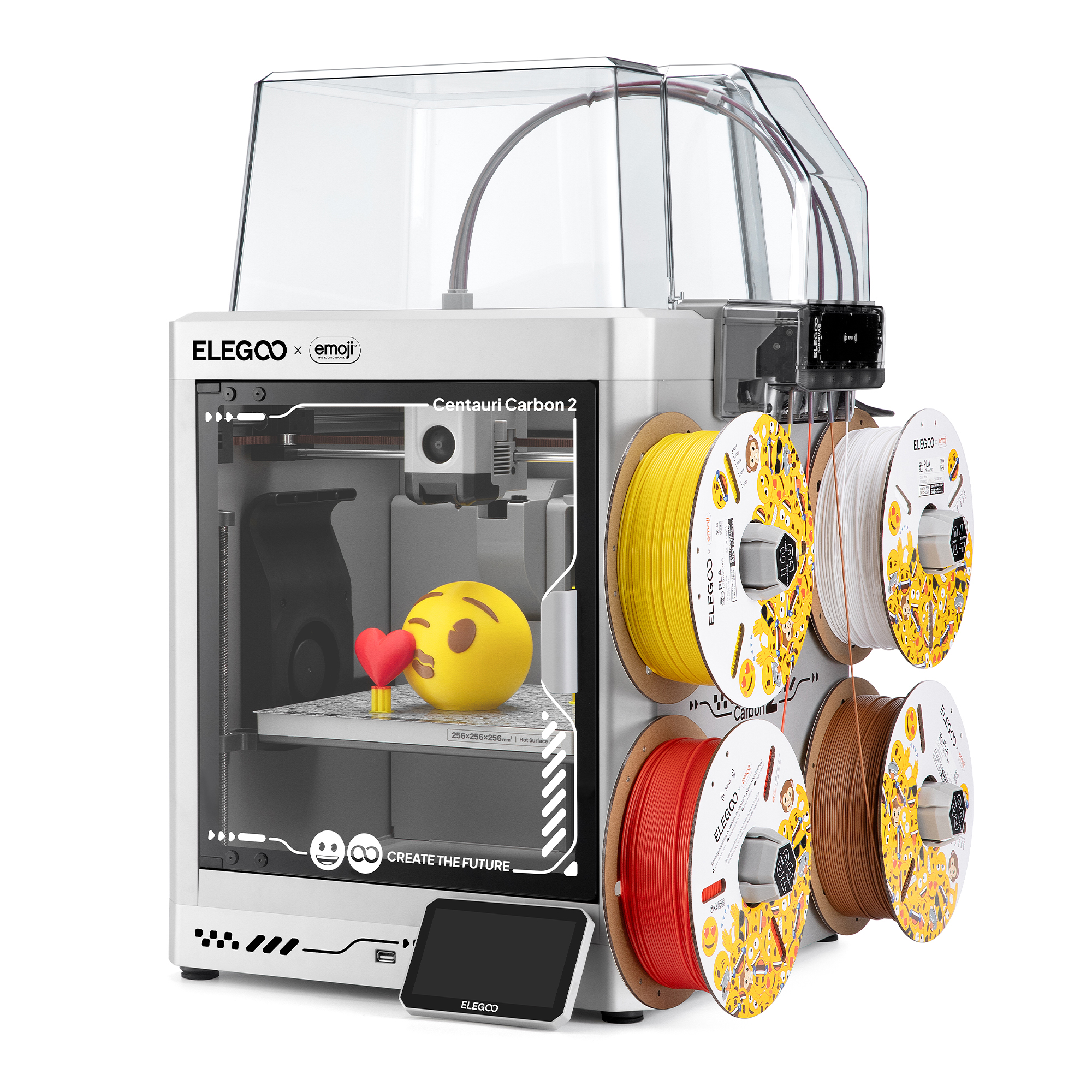
3D Printing as Personal Expression, Not Industrial Production
The deeper change behind these playful strategies is a redefinition of what 3D printing is for. Wang frames it as another way people express themselves, with prints reflecting whether someone is a fixer, a comic fan, or a car enthusiast. Design challenges reinforce that identity-driven use: makers are not only capturing images with the Luna Ultra but shaping the tools that capture those images, as Insta360’s Max Richter notes. This is 3D printing positioned as a tool for creators and makers, not only for industrial manufacturers. In this view, the hardware becomes a personal product, customizable in appearance, interface, and accessories, much like smartphones. Emoji-branded machines and gamified contests may look playful, but they are strategic moves to anchor 3D printing inside everyday creative habits. If brands keep leaning into familiar culture and community-driven design, consumer 3D printers stop being intimidating machines and start being trusted companions in maker culture.