
Ceramic 3D printing aerospace cores: from constraint to design freedom
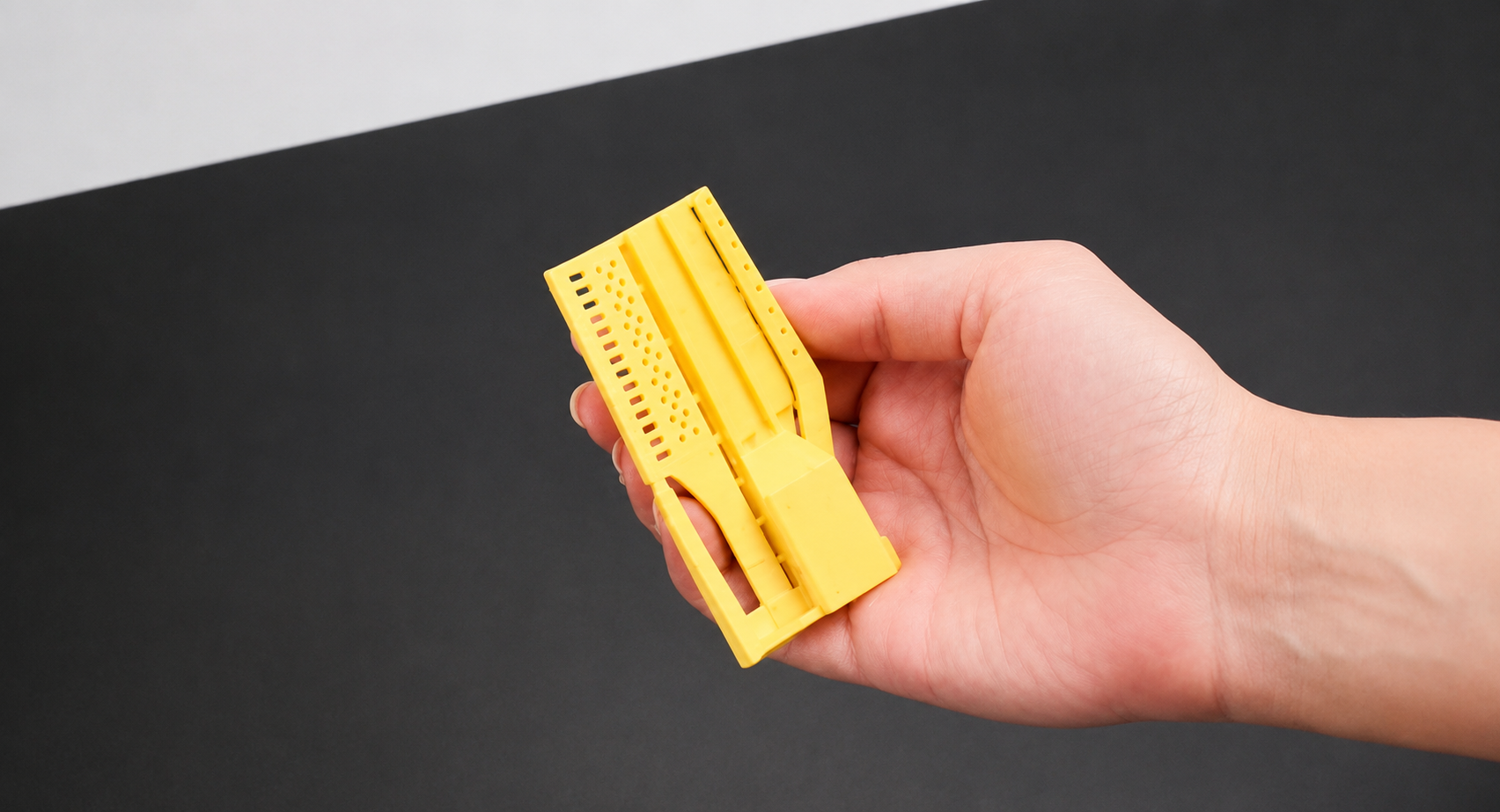
Ceramic 3D printing aerospace core manufacturing is the use of additive manufacturing ceramics to create investment casting cores with intricate internal geometries that conventional ceramic injection molding cannot achieve, enabling faster development cycles and more complex turbine and engine components. The partnership between 3DCeram Sinto and Avignon Ceramic matters because it turns that definition into a working industrial workflow, not a lab experiment. Instead of treating additive as a bolt‑on, these companies are rebuilding the core-making process around it. 3DCeram Sinto and Avignon Ceramic have released a video outlining their co‑development partnership for producing ceramic cores for aerospace investment casting. This is more than a marketing clip. It shows how a traditional ceramic injection molding specialist that has supplied aerospace and gas turbine customers such as Howmet, Rolls‑Royce and Safran is betting on ceramic AM to keep pace with demand for complex parts.
Why injection molding hit a wall—and AM ceramics broke through
The trigger for this shift is blunt: ceramic injection molding cannot produce the geometries next‑generation aerospace cores now require. Avignon Ceramic explains that CIM struggles with intricate designs, especially double‑ or triple‑skin cores that cannot be injected using conventional tooling. This limitation pushed the company to start developing ceramic 3D printing capabilities in 2017, long before it was fashionable to talk about industrial AM. Here, ceramic 3D printing aerospace workflows move from nice‑to‑have to non‑negotiable. The joint process developed by 3DCeram Sinto and Avignon Ceramic enables ceramic cores with geometries that injection molding cannot achieve at all. That is the real competitive edge: not cost per part, but the ability to manufacture cores that unlock higher‑performing castings. Without additive manufacturing ceramics, those designs would stay on the CAD screen.
Material collaboration: the new playbook for aerospace core manufacturing
What makes this partnership strategically interesting is its focus on materials, not machines. Avignon Ceramic brought expertise in minerals and core production; 3DCeram Sinto contributed deep knowledge of organic binders for 3D printing. Together they created an SLA‑printable ceramic core paste tailored to directional solidification (DS) and single‑crystal (SX) casting. This is a template for aerospace core manufacturing going forward: specialist material collaborations instead of one‑size‑fits‑all powders and resins. The value of ceramic AM here lies in building repeatable manufacturing workflows that can support aerospace production, not in showing a single impressive prototype. The industry trend is clear—engine makers will reward suppliers who co‑develop processes that respect mechanical strength, dimensional accuracy, and surface finish requirements from raw material through to finished core.
Speed, geometry, and a real aerospace customer
The most telling proof that this is more than hype is on the calendar. Mold design and fabrication that used to take weeks or months can now be completed—printed, fired, and finished—within two weeks, with design changes implemented within hours. That is a direct attack on one of aerospace’s most stubborn bottlenecks. The payoff is already visible. In 2025, this faster turnaround led an undisclosed major aerospace company to adopt the 3D printing approach for a test involving military parts, a project that then moved into small‑series production. That progression from test to production is the statement that matters. It shows that when ceramic AM delivers both intricate geometries and reliable lead times, risk‑averse aerospace buyers are prepared to shift critical core work away from conventional injection molding.
From experiment to full production chain
The next battle is scale. The partners say they plan to keep expanding the collaboration with the goal of overseeing the full production chain, from raw material to finished part, while tracking mechanical strength, dimensional accuracy, and surface finish. That ambition reflects a necessary realism: aerospace will not fully embrace ceramic AM until the process is as controlled and auditable as legacy methods. Other engine manufacturers are exploring similar paths in ceramic 3D printing aerospace applications, underlining that this is a sector‑wide pivot rather than a one‑off experiment. The lesson is clear: advanced aerospace materials are no longer only about alloy chemistry; they depend on whether cores with demanding internal structures can be produced at speed and with confidence. On that front, specialized additive manufacturing ceramics partnerships like 3DCeram Sinto and Avignon Ceramic are setting the pace—and traditional core suppliers that ignore this shift risk being left behind.