
Metal Additive Manufacturing Moves From Experiment to Infrastructure
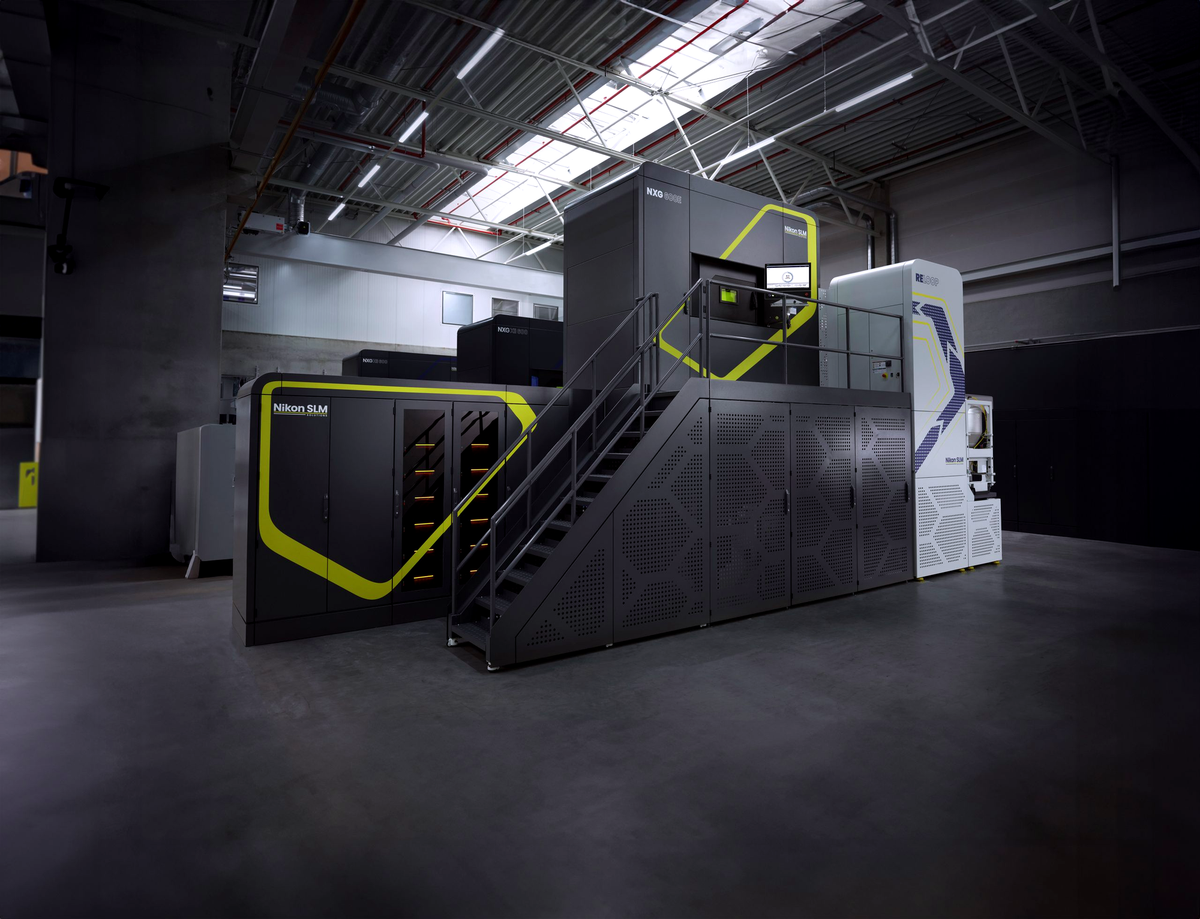
Metal additive manufacturing is the use of industrial 3D printing processes to build functional metal components layer by layer from digital designs, enabling complex, lightweight, and large-format 3D printing of parts that are difficult or impossible to produce with conventional machining and casting at production scale manufacturing volumes. Beehive Industries’ multi-unit order of NXG 600E metal additive manufacturing systems from Nikon SLM Solutions is the clearest sign yet that large format 3D printing is turning into hard manufacturing infrastructure rather than a science project. This move follows a USD 50m (approx. ₱2.8 billion) investment in 30 EOS metal AM machines last month, and the pattern matters: Beehive is not dabbling. It is stacking industrial metal AM systems with a scale and intent that screams serial production, not prototyping.
Why Ultra-Large-Format Capacity Is the New Competitive Moat
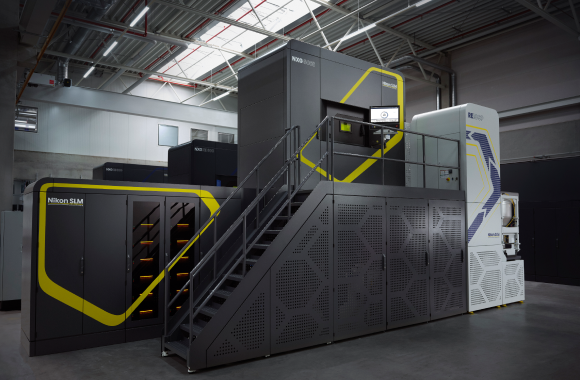
The NXG 600E is Nikon SLM Solutions’ largest machine, with a 600 x 600 x 1500 mm build envelope and twelve 1 kW lasers tailored for high-throughput serial production of large metal parts. That combination makes these industrial metal AM systems more than shiny hardware; they are capacity for printing entire vehicle bodies and large satellite substructures in a single build. In the space and defense world, this kind of ultra-large-format metal additive manufacturing is not a nice-to-have. Programs need bigger, more complex parts while cutting assembly steps and qualification work. Beehive dedicating one NXG 600E to Constellium’s Aheadd CP1 aluminum and another to titanium Ti-64 puts core aerospace materials on tap for those oversized parts. Whoever owns these machines owns the queue—and increasingly, the contract.
From Prototyping Shop to Vertically Integrated Production Partner
Beehive’s recent buying spree is less about chasing headlines and more about reshaping its business model. Thirty EOS machines plus multiple NXG 600E systems means a consolidated fleet designed for production scale manufacturing, not one-off demonstration parts. The new systems sit inside a vertically integrated setup—engineering, additive production, and testing in the same facility—giving space and aerospace and defense customers domestic serial-production access for mission-critical hardware. External customers can book time directly on these large format 3D printing platforms, turning scarce ultra-large-format capacity into a rentable asset. This is what a metal additive manufacturing foundry looks like: multiple high-end platforms, tuned materials like Aheadd CP1 and Ti-64, and a business model centered on throughput and qualification, not experimentation.
Why Now: Demand Is Outrunning the Machine Base
Beehive’s timing is not accidental. Demand from space and defense programs for very large printed metal parts is growing faster than the domestic machine base that can make them. Ultra-large-format laser powder bed fusion machines are becoming defence infrastructure, and whoever owns them domestically owns the queue. Other suppliers have seen the same gap, expanding with additional Nikon SLM platforms and new facilities focused on defense programs through 2030. Government funding is reinforcing the trend: one large-format metal AM effort for high-temperature aerospace structures secured a USD 7.65 million (approx. ₱430 million) U.S. Air Force contract. In that context, Beehive self-funding multiple NXG 600E systems is aggressive but rational—buy capacity ahead of demand, then sell it back as booked machine time.
Conclusion: Production-Scale Metal AM Has Arrived
Beehive’s multi-unit NXG 600E order, on top of a USD 50m (approx. ₱2.8 billion) EOS metal AM investment, is more than corporate bravado. It signals that metal additive manufacturing, especially in ultra-large-format configurations, is crossing the line into mainstream production scale manufacturing for aerospace and defense. With build envelopes big enough for whole vehicle bodies, high-power laser arrays, and dedicated material configurations, these industrial metal AM systems are being treated like strategic assets, not lab toys. For ordinary program teams and engineers, the impact is concrete: fewer welded assemblies, faster iteration on large structures, and domestic access to serial production through bookable machine time. The message from Beehive’s bet is clear: if you still see large format 3D printing as optional, you are about to be outpaced by those who do not.