
Digital identity for 3D printed parts is no longer optional
Digital identity for 3D printed parts is a secure system that links each physical component to a unique, non‑clonable digital record describing its origin, materials, production history, and conformity, enabling real‑time 3D printed parts authentication, supply chain verification, and counterfeit prevention across the entire product lifecycle. The uncomfortable truth is that additive manufacturing has outgrown its old, informal trust model. When mission‑critical aerospace brackets or medical housings can be printed on demand, "looks right" is not a safety strategy. The only realistic way to stop counterfeit or out‑of‑spec parts from slipping into complex supply chains is to make every component prove who it is, where it came from, and how it was made—on demand and in a way that cannot be forged.
CRP Group’s new UniqTrust platform is a sharp example of this shift from paper trust to digital proof. It assigns a digital identity to each additively manufactured component made from its Windform composites, recording origin, conformity, and production history for authorised users. Instead of treating quality documentation as a side file that can be copied or lost, UniqTrust makes it the core feature of the part itself. That is the key takeaway: in serious additive manufacturing, quality is no longer what you say in a PDF; it is what the part can verify about itself, in real time.
How CRP UniqTrust turns a printed part into a traceable asset
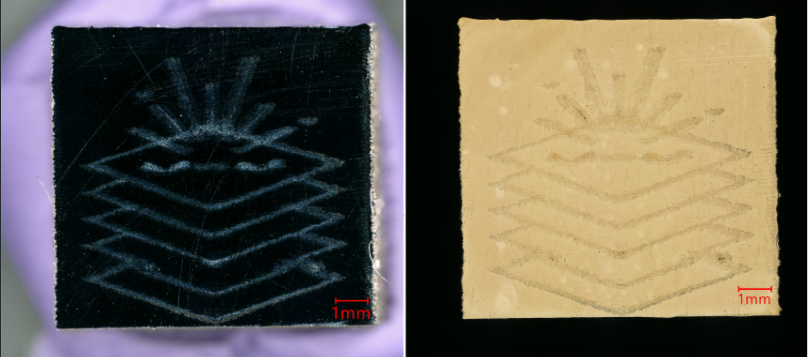
UniqTrust’s power lies in how tightly it binds the physical and digital worlds. Each Windform component receives its own digital identity, letting approved users see where the part came from, whether it conforms to specification, and how it was produced. At the core of the system is a link between the physical part and a secured digital file, created by placing a non‑clonable element on the part’s packaging as it is produced at CRP Technology.
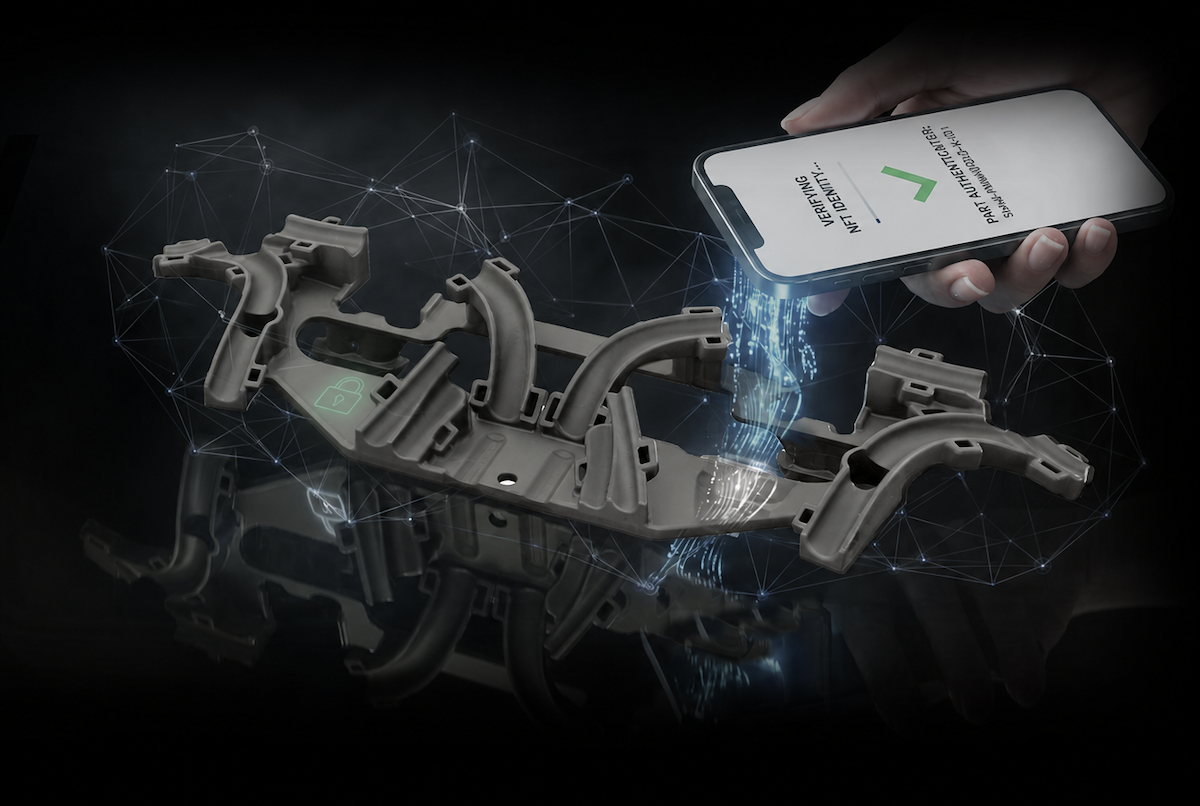
Scan the packaging with an authorised device and you gain instant access to a certificate of authenticity, order references, part code, the material used, and optional technical documentation. That is digital identity tracking in practice: one scan, one source of truth. According to CRP Group’s CEO Franco Cevolini, “It is no longer enough for a part to be expertly made – it must be able to prove its own identity and conformity at any point in its life cycle.” That statement captures a mindset change: proof beats reputation.
From paperwork to live supply chain verification
The traditional approach to quality assurance in additive manufacturing has been paperwork: certificates, datasheets, and emailed PDFs. That model invites errors and fraud. UniqTrust flips this by replacing scattered documents with a single, secured record. CRP says the process can reduce reliance on paper certificates and datasheets, giving authorised users digital access to uniform, retrievable product information instead.
More important than convenience is control. The non‑clonable tag can be verified by an authorised operator’s device throughout the supply chain, and the system flags read requests that come from a company other than the intended recipient. That is active supply chain verification, not passive record‑keeping. Every scan is both an authentication event and a security check, adding a layer of counterfeit prevention that paper can never provide. If a part appears where it should not, the identity system exposes that gap in real time.
Why high‑stakes industries cannot ignore digital identity tracking
Counterfeit or mis‑identified parts are an annoyance in consumer goods; in aerospace, motorsport, defense, or medical contexts, they can be lethal. CRP is explicitly targeting UniqTrust at aerospace, motorsport and defense, where components often operate in demanding, mission‑critical roles. For aerospace and defense buyers especially, the platform is meant to provide tighter oversight of additively manufactured parts as they move through complicated supply networks.
The deeper point is that for these industries, proving origin and conformity is becoming as valuable as the physical quality of the part itself. A flawless printed bracket with no verifiable history is a liability. UniqTrust’s 3D printed parts authentication model ensures that conformity and material composition can be confirmed at any point in the product lifecycle. That is exactly what regulators and customers are beginning to expect: not faith in a supplier, but auditable evidence that every part is what it claims to be.
Regulation, fraud pressure, and the road to fully digitised parts
UniqTrust is not appearing in a vacuum. Europe’s Digital Product Passport now requires almost all products sold in the EU to provide details on origin, materials, environmental impact, and disposal recommendations. CRP says its move is designed to align with that framework, and the release mirrors a broader shift toward digital product passports and lifecycle records that manufacturers will be pushed to deliver. Ignoring this trend is not rebellion; it is a future compliance problem.
Strategically, CRP is betting on a future where every part carries a passport of material batch data, sensor readings, and machine state, treated as proof of provenance rather than admin overhead. UniqTrust already connects digital identity technology with established additive manufacturing workflows, tying the non‑clonable element to the component during production in its Windform SLS 3D printing operations. That integration is what turns a traceability requirement into genuine counterfeit prevention and supply chain fraud deterrence. The lesson for manufacturers is clear: if your parts cannot identify themselves, they will soon struggle to compete at all.