
The Tab S12 Ultra in a Sentence: Same Tablet, Same Notch, Different Message
Samsung’s Galaxy Tab S12 Ultra is a premium Android tablet that, according to leaked CAD renders and early specifications, keeps almost identical dimensions, design language, and the controversial front display notch of the Galaxy Tab S11 Ultra, raising sharper questions about where innovation matters in the high‑end tablet market and how much design compromise manufacturers think users will tolerate for incremental upgrades. This is not just a new model; it is a statement about stagnation and priorities. Tipster-based CAD leaks show the S12 Ultra as the successor to last year’s S11 lineup, but without any visible attempt to fix the one design decision that generated the most debate: the notch cut into an otherwise expansive AMOLED canvas. In a segment defined by thin bezels and clean fronts, repeating such a divisive choice demands a strong justification that Samsung has yet to provide.
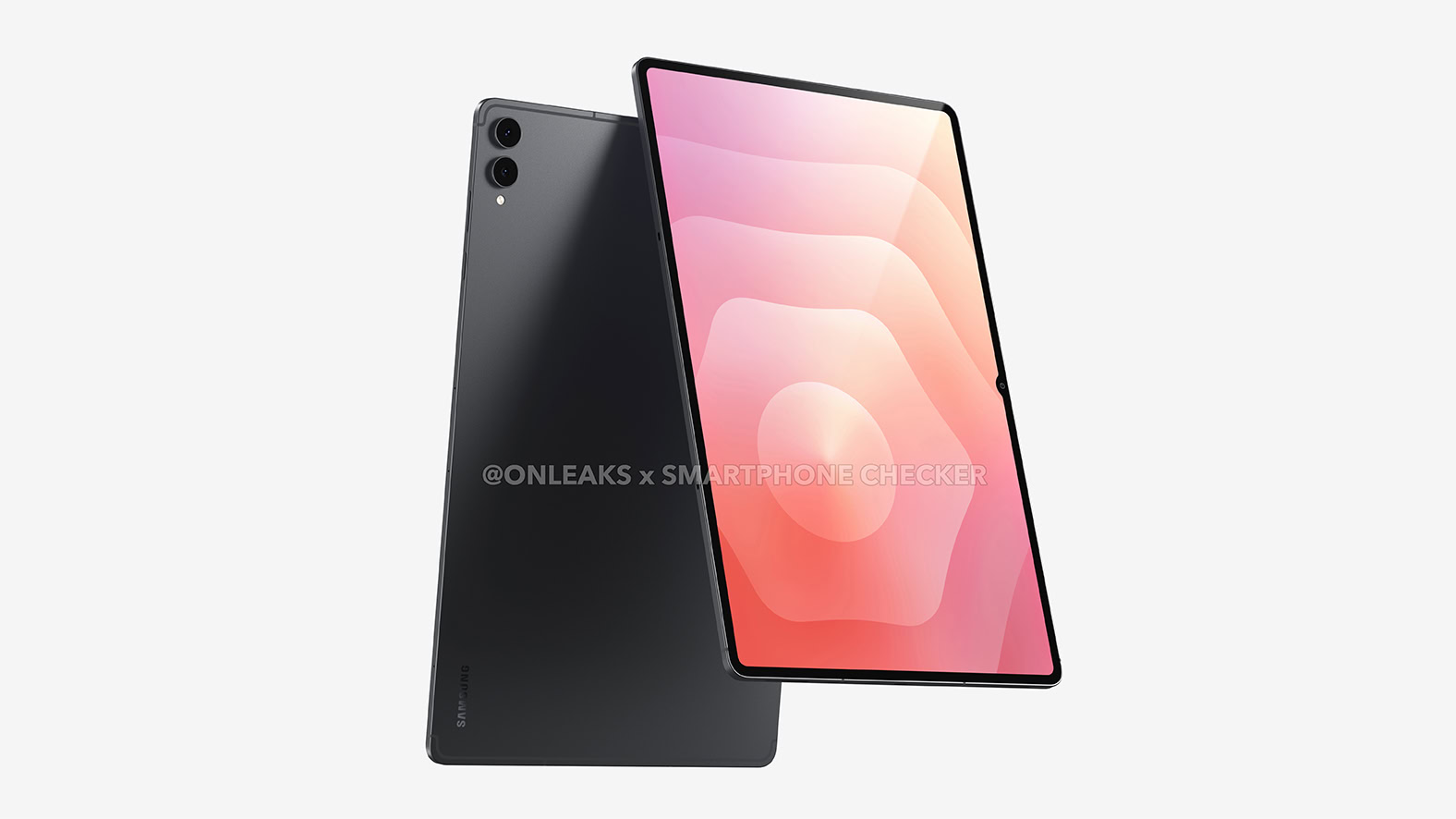
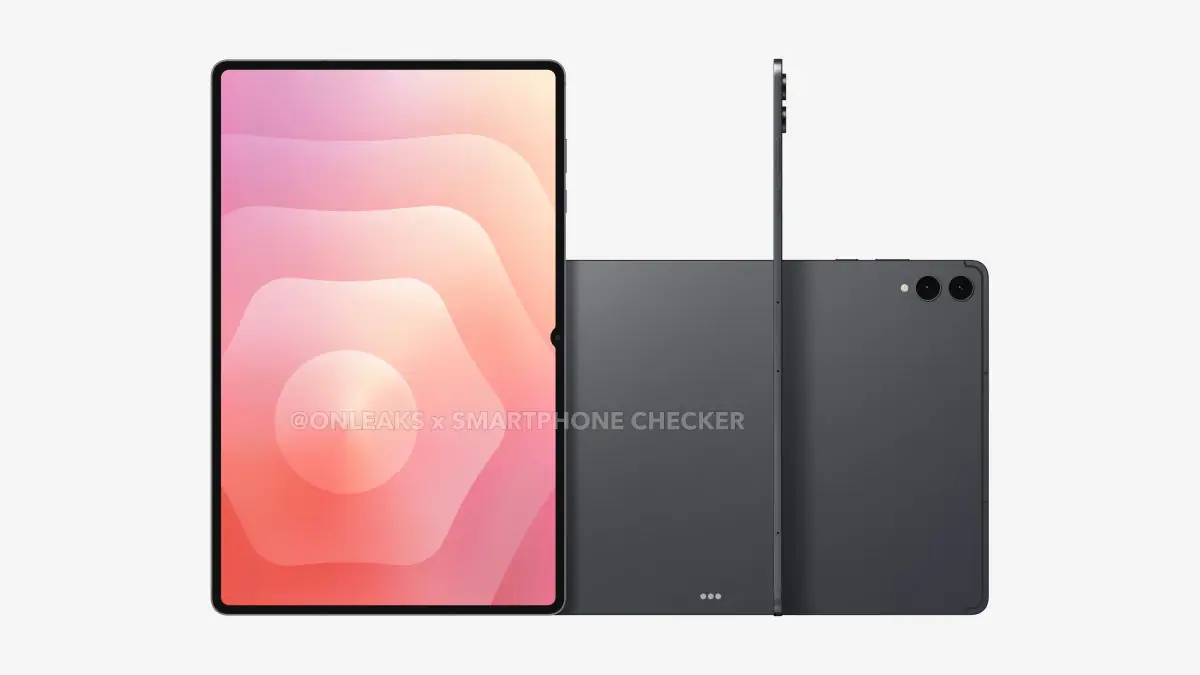
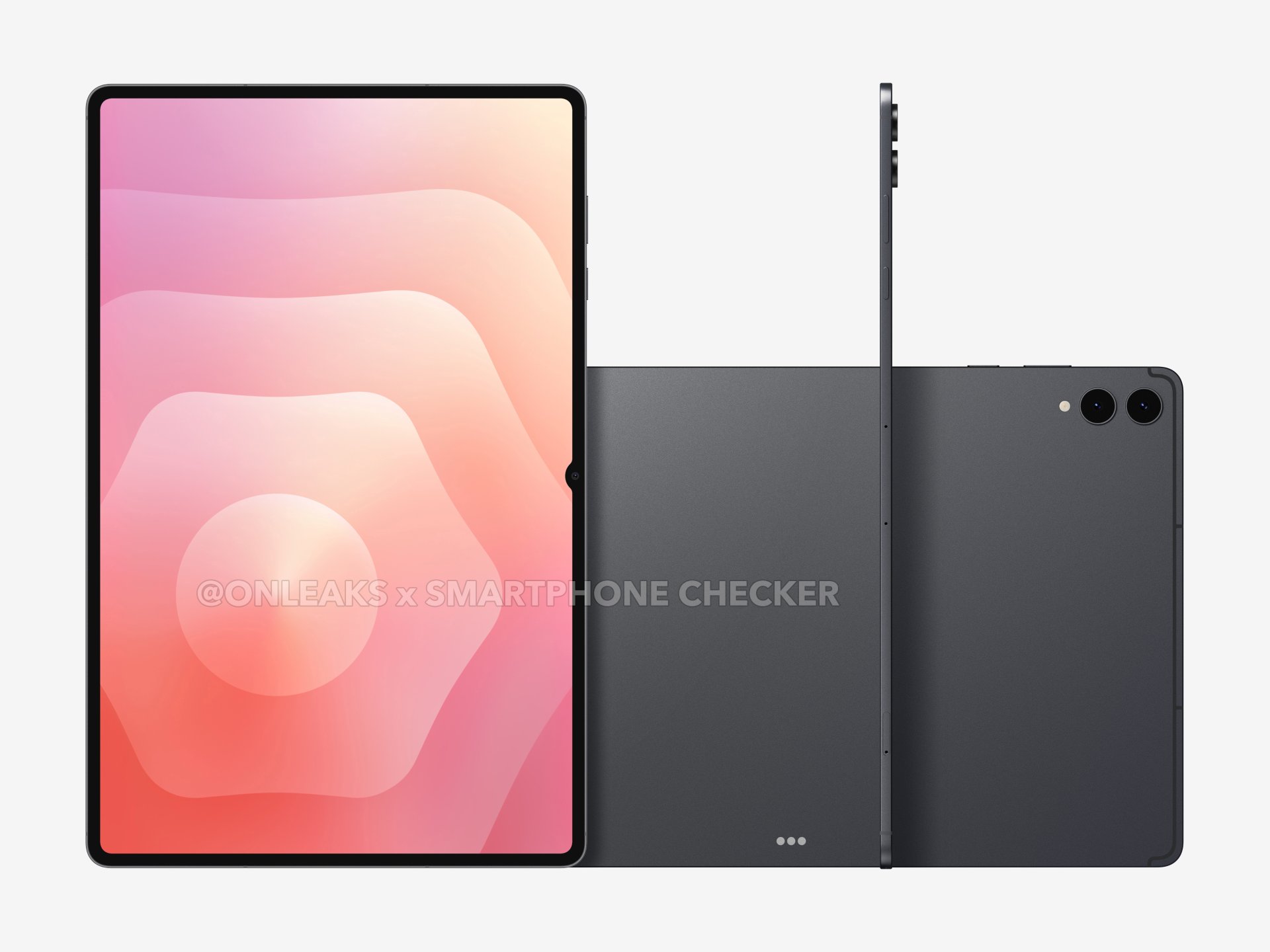
According to CAD renders from a well-known leaker working with a UK publication, the unannounced Galaxy Tab S12 Ultra arrives later this year with the same footprint as its predecessor at 326.34 x 208.46 x 5.12mm, and with a 14.6-inch Dynamic AMOLED 2X display that mirrors the existing Ultra model. That would make the Galaxy Tab S12 Ultra less a fresh flagship and more a hardware revision wearing last season’s clothes. The real question is why Samsung feels so comfortable standing still at the top of its tablet range.
The Notch Returns: A Trade-Off Samsung Refuses to Reopen
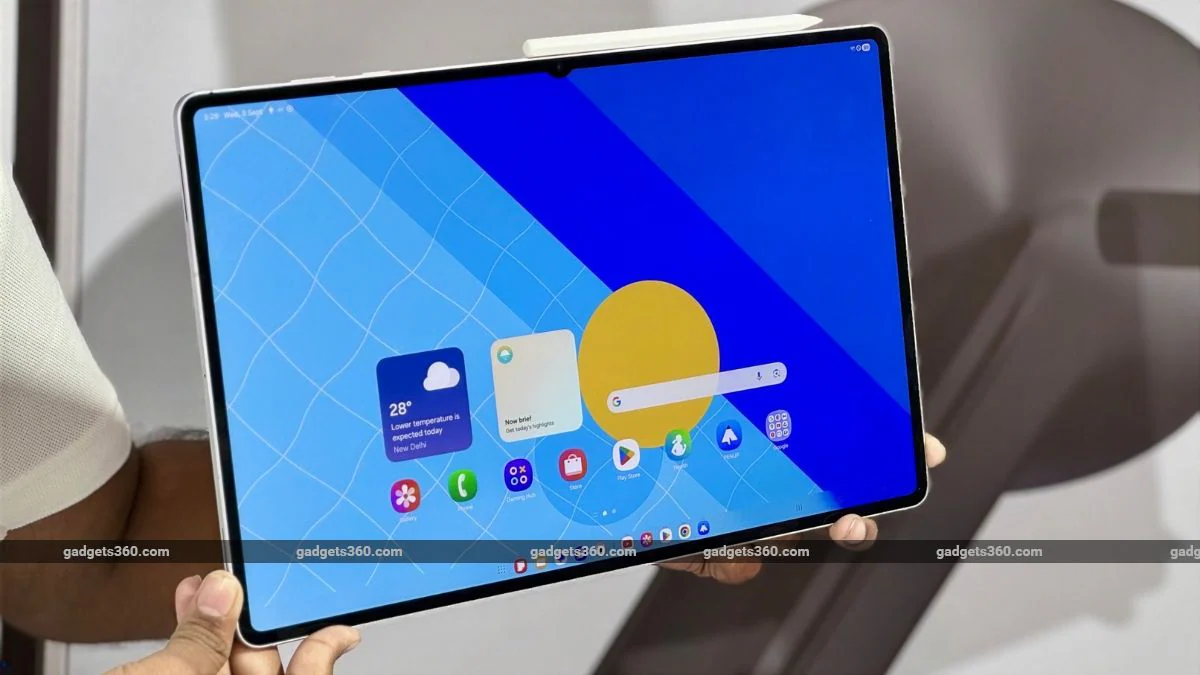
The Galaxy Tab S12 Ultra design doubles down on the shallow, centered notch introduced with the S11 Ultra, despite prior criticism. Leaked CAD images show a small cutout at the top of the display, housing a single front-facing camera. That design first broke with Samsung’s own Galaxy Tab S and Tab A history, where no previous tablet had used a notch. Once again, the notch interrupts what could have been a clean 14.6‑inch Dynamic AMOLED 2X canvas. On a large tablet held horizontally, this notch drifts toward the center of your field of view; during landscape video playback, it sits in the middle of the action, not at the fringe. For users who binge shows, game, or edit content full-screen, that is not a trivial annoyance—it is a permanent design scar.
From an engineering standpoint, a notch on a premium tablet is defensible only if it enables a front-facing hardware package—biometric sensors, advanced imaging, or both—that would not fit inside a punch-hole or slim bezel. Apple’s current iPad Pro manages front-facing cameras and sensors without any display cutout, and that has become the benchmark at this price tier. If the Tab S12 Ultra’s notch still houses only a conventional single camera, Samsung is telling power users that they must accept a visible compromise without gaining next-level face authentication or pro-grade video calling hardware in return. In a market where buyers can compare clean-bezel alternatives, that is an unapologetically bold, and arguably tone-deaf, move.
Copy-Paste Hardware: What the Specs Say About Innovation Priorities
The Tab S12 specifications confirm that Samsung’s energy went into predictable internal upgrades while the exterior stands still. The device is expected to use a MediaTek Dimensity 9500 chipset, paired with at least 12GB of RAM and 256GB of storage, and powered by an 11,600mAh battery with 45W charging support. The 14.6-inch Dynamic AMOLED 2X display, quad speakers with Dolby Atmos, and Ultra-thin chassis all return almost unchanged. Certification and leak timelines suggest a launch around September, slotting into Samsung’s usual release rhythm rather than signaling any disruptive new direction. What emerges is a familiar formula: faster silicon, same shell.
On paper, this is a powerful tablet. A Dimensity 9500 SoC plus Android 17 with One UI 9.0 should deliver smoother multitasking and better longevity for apps, while the large battery and 45W charging remain well-matched to heavy use. But the absence of visible hardware leaps—no under-display camera, no reworked bezels, no new S Pen integration beyond the existing magnetic charging strip and pogo connector—underscores where Samsung thinks premium tablet innovation begins and ends. Performance and software polish matter, yet design and ergonomics define how often those strengths are felt. When the body stays static, Samsung is effectively betting that raw power and familiar accessories will be enough to keep buyers engaged, even if the Galaxy Tab S12 Ultra design feels like a reheated version of last year’s flagship.
Everyday Use: Who Wins and Who Loses From This Stagnation
For ordinary users, the Galaxy Tab S12 Ultra’s design choices have clear winners and losers. Those who live in video calls and remote work may benefit if the notch hides a better camera or more reliable biometric authentication than a punch-hole alternative, supporting wider field-of-view calls and low-light performance that earlier hardware could not deliver. In that scenario, the notch’s visual intrusion is repaid in daily convenience—snappier face unlock, sharper meetings, fewer authentication hiccups. Combined with powerful internals and rich Tab S12 specifications, these users get a high-performance communication slab that treats the display cutout as a necessary cost of more capable front hardware.
Yet for entertainment-focused buyers, the calculus is harsher. When a tablet spends most of its time as a portable cinema, any cut into the screen’s edge feels like the wrong kind of premium. In keeping the Galaxy Tab S12 Ultra design nearly identical to its predecessor, Samsung is signaling that these users rank below its priorities—a risky message in a competitive field where rivals show that slim bezels and advanced cameras can coexist. In short, the S12 Ultra seems built around the assumption that power and software will matter more than visual cleanliness. If you disagree, the notch is no longer an experiment; it is evidence that your preferences are not driving this roadmap.
What the Repeat Design Says About the Tablet Market—and Your Next Upgrade
Samsung’s decision to keep the notch and largely freeze the Galaxy Tab S12 Ultra design tells a blunt story about the premium tablet market. Flagship tablets are no longer chasing annual design revolutions; they are converging on stable shells, with performance and software doing the heavy lifting. In that context, the Tab S12 Ultra is less a bold new object and more a reference platform for One UI 9.0, Android 17, and the Dimensity 9500. Innovation, in Samsung’s view, happens under the glass, not around it. But repeating a controversial front layout suggests the brand is comfortable alienating notch-sensitive users as long as the majority accept the trade-off, or fail to find a better alternative.
If you are shopping at the high end, this stagnation forces a more strategic decision. You are not just picking between Tab S12 specifications and a rival’s spec sheet; you are choosing a philosophy of progress. Do you value clean design and invisible hardware as much as speed, or are you willing to let a notch sit in the middle of your content in exchange for a familiar ecosystem and predictable upgrades? The Tab S12 Ultra makes that question unavoidable. Until Samsung proves that the notch is earning its place with front hardware that competitors cannot match, it is hard to see this design as anything but a compromise the company expects you to accept. Whether you do will shape not only this tablet’s success, but how aggressively manufacturers push, or pause, true premium tablet innovation next.