
Your ‘outdated’ tablet is probably fine
Tablet lifespan expectations describe how many years a tablet stays fast, secure, and compatible enough with modern apps to remain practical for everyday tasks like browsing, streaming, and light gaming before users feel forced to replace it.
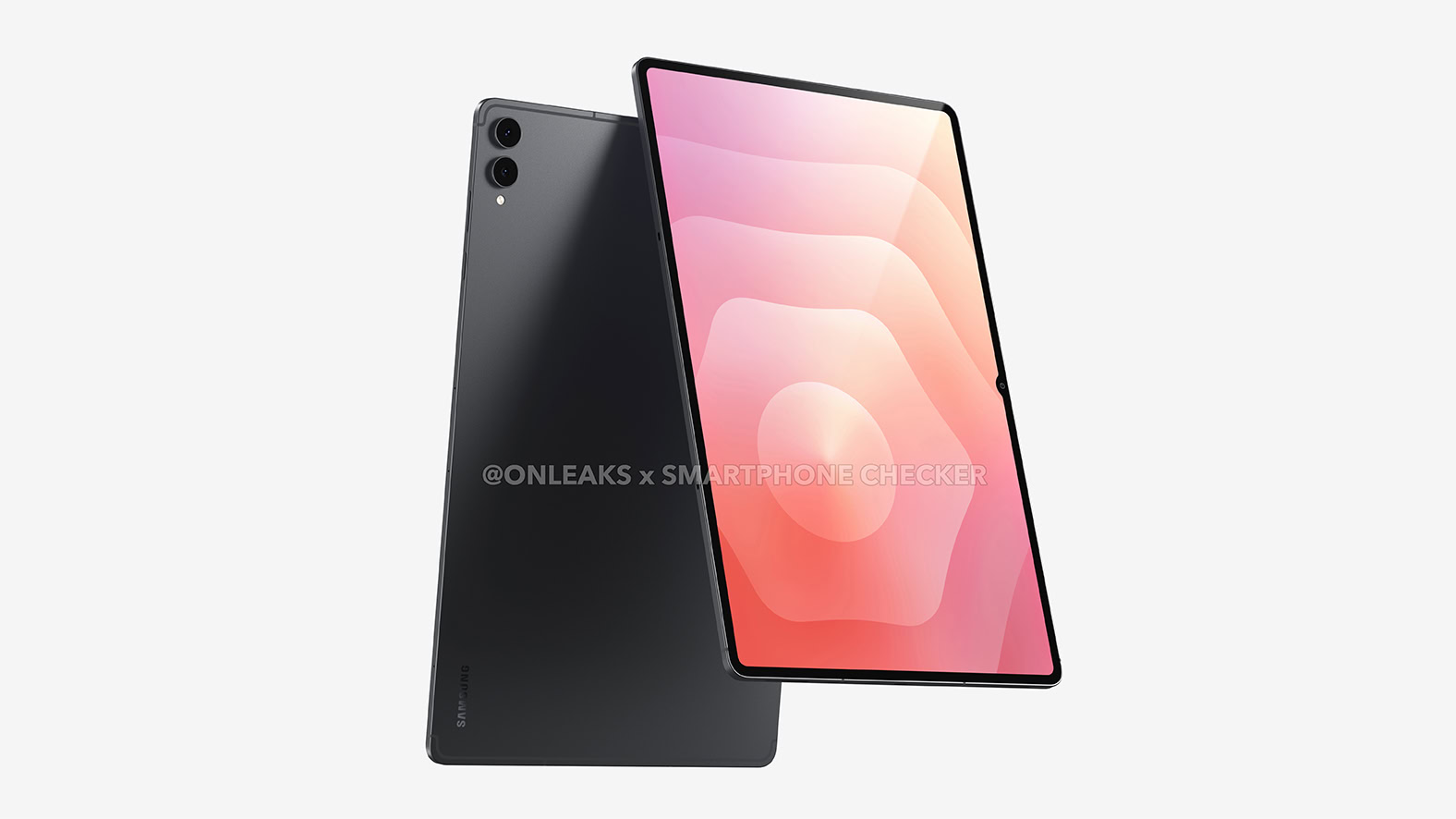
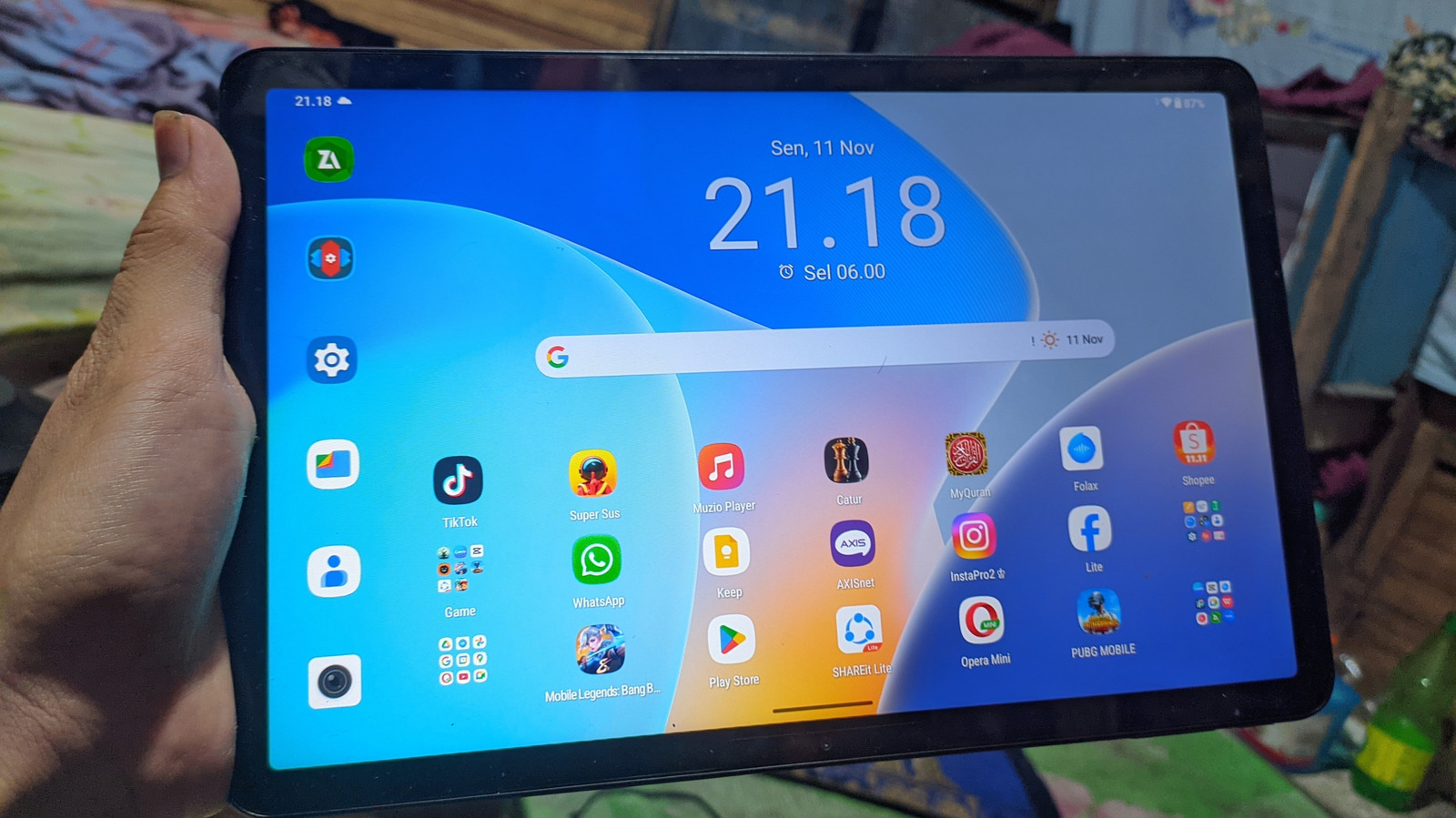
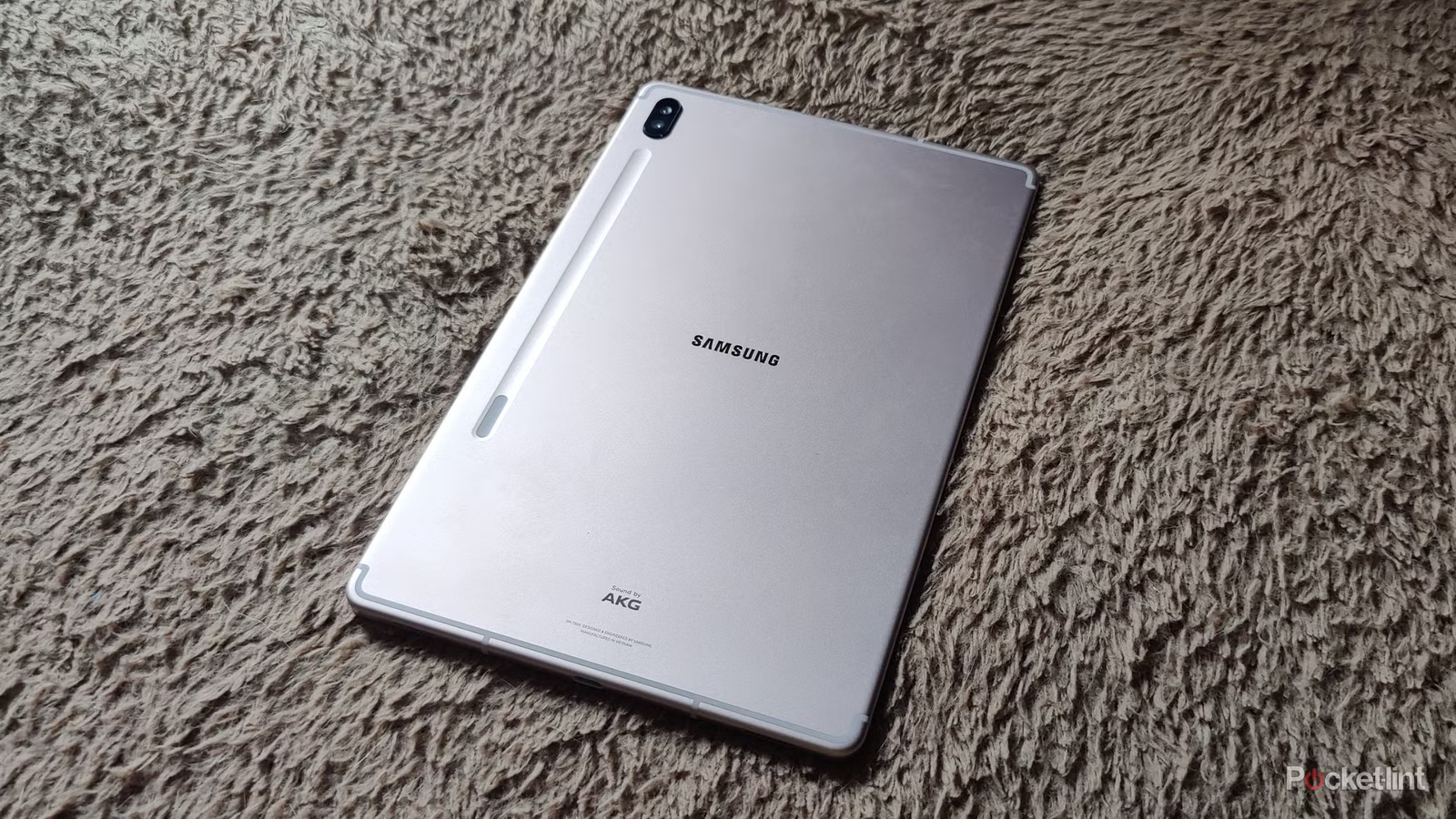
If you own a seven-year-old tablet and it still runs smoothly, you are not an outlier—you are proof that the tablet upgrade cycle is broken. One user reports that a Samsung tablet released in 2019 still performs well: it charges every two days, runs every app they want, and its performance holds up despite official software support ending in 2023. That is not forced obsolescence; that is a product quietly outliving the marketing narrative. When people ask how long do tablets last, real-world answers increasingly show that hardware and day‑to‑day usability outstretch the artificial timelines implied by annual launch events. The result is a widening gap between what companies promote and what users experience in their hands.
Real tablet lifespan: longer than the spec sheet suggests
User reports show that the hardware side of android tablet durability is not the weak link. One long‑time owner of several budget, no‑name tablets noted only a few hardware issues over time, mainly broken ports. Generally speaking, the hardware is the more dependable part. The real constraint comes later, when software demands grow and older operating systems stop receiving updates.
So how long do tablets last in practice? According to one summary of user experiences, careful owners can expect at least three to five years of use, especially if they protect the battery. Another user’s mother used a Samsung Galaxy A5 for about eight years before outdated software blocked updates to core apps like Chrome. That is a critical detail: the device did not die; the ecosystem walked away from it. When consumers see a tablet that still works but loses app support, they learn the hard way that longevity is limited more by update policy than by silicon.
Tablets vs phones: similar lifespans, different expectations
In terms of raw durability, android tablets and smartphones age in similar ways. One analysis of user feedback on Motorola phones noted that short software support—not hardware failures—is the main barrier to longer life, and the same pattern holds for tablets. When owners maintain the battery and avoid physical damage, they commonly see three to five years of solid performance.
The difference lies in how we perceive them. Many people used to swap phones every year, only to later recognize that this habit was marketing‑driven, not need‑driven. The same user now holds onto technology for much longer and reports no real downside. Tablets benefit even more from this shift: they spend more time on couches than in pockets, face fewer drops, and often avoid the heavy app churn phones see. So while the underlying hardware lifespan is comparable, our expectations for tablet lifespan expectations are finally catching up with reality: if the device still feels fast enough, there is no compelling reason to replace it.
Marketing hype vs lived experience
The clearest evidence that the tablet upgrade cycle is out of sync with users is behavioral. One owner admits they used to buy a new phone every year, only to realize it was a marketing tactic with no real justification. Now they keep their devices far longer and, importantly, do not feel deprived. Their seven‑year‑old tablet still handles browsing, social media, and even some game emulation without complaint.
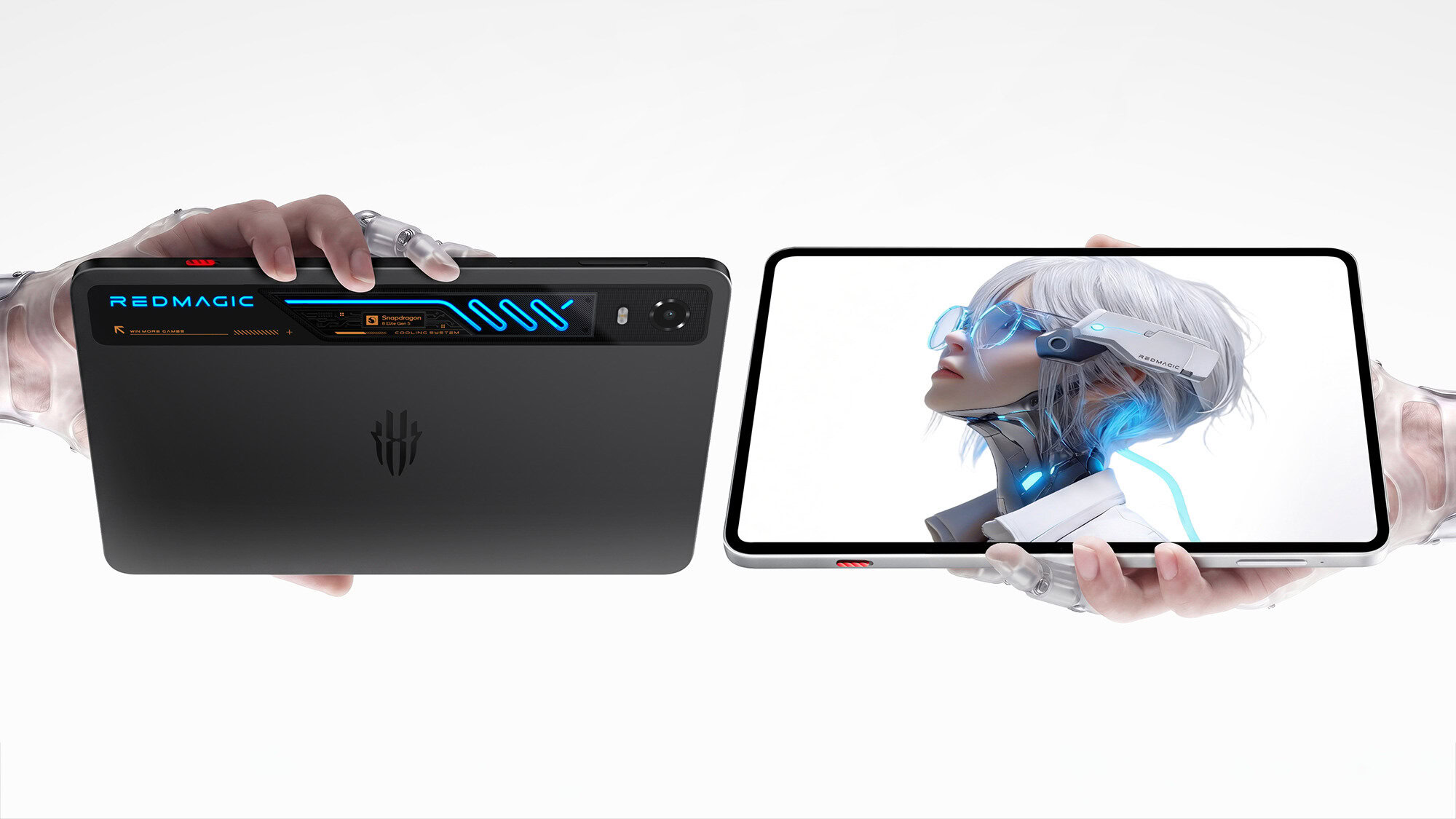
Meanwhile, new models boast faster chips and fresh buzzwords, yet fail to offer meaningful gains for basic use. The same user looks at a newer tablet with a much more powerful processor and sees a “massive performance jump” on paper—but no actual need for that jump in their daily tasks. Another analysis notes that you can already buy a powerful tablet for around USD 250 (approx. ₱14,000), making long‑term mileage a strong value proposition from day one. The narrative that you must upgrade on a schedule collapses once consumers realize their current hardware already exceeds their needs.
Durability, repair, and knowing when to upgrade
If you care for your tablet, durability and basic repairability can stretch its life far beyond common replacement timelines. Users report that hardware issues over several low‑cost tablets boiled down mostly to broken ports, which are often fixable. Since the hardware is generally the more dependable part, small repairs and battery care pay off with extra years of use. Take your tablet off charge occasionally, avoid deep discharges, and protect it from drops, and you can easily clear that three‑to‑five‑year mark.
The true end of life comes when the OS wall blocks essential apps or when the battery can no longer hold a charge. The Galaxy Tab owner who plans to keep their 2019 device until the battery gives out reflects this mindset. That is the sensible answer to how long do tablets last: until a concrete limitation—not a keynote slide—forces your hand. Until then, your older tablet is not a relic; it is a quiet rebuke to disposable tech culture.