
The Galaxy S26 Ultra Red Tint Problem, Defined
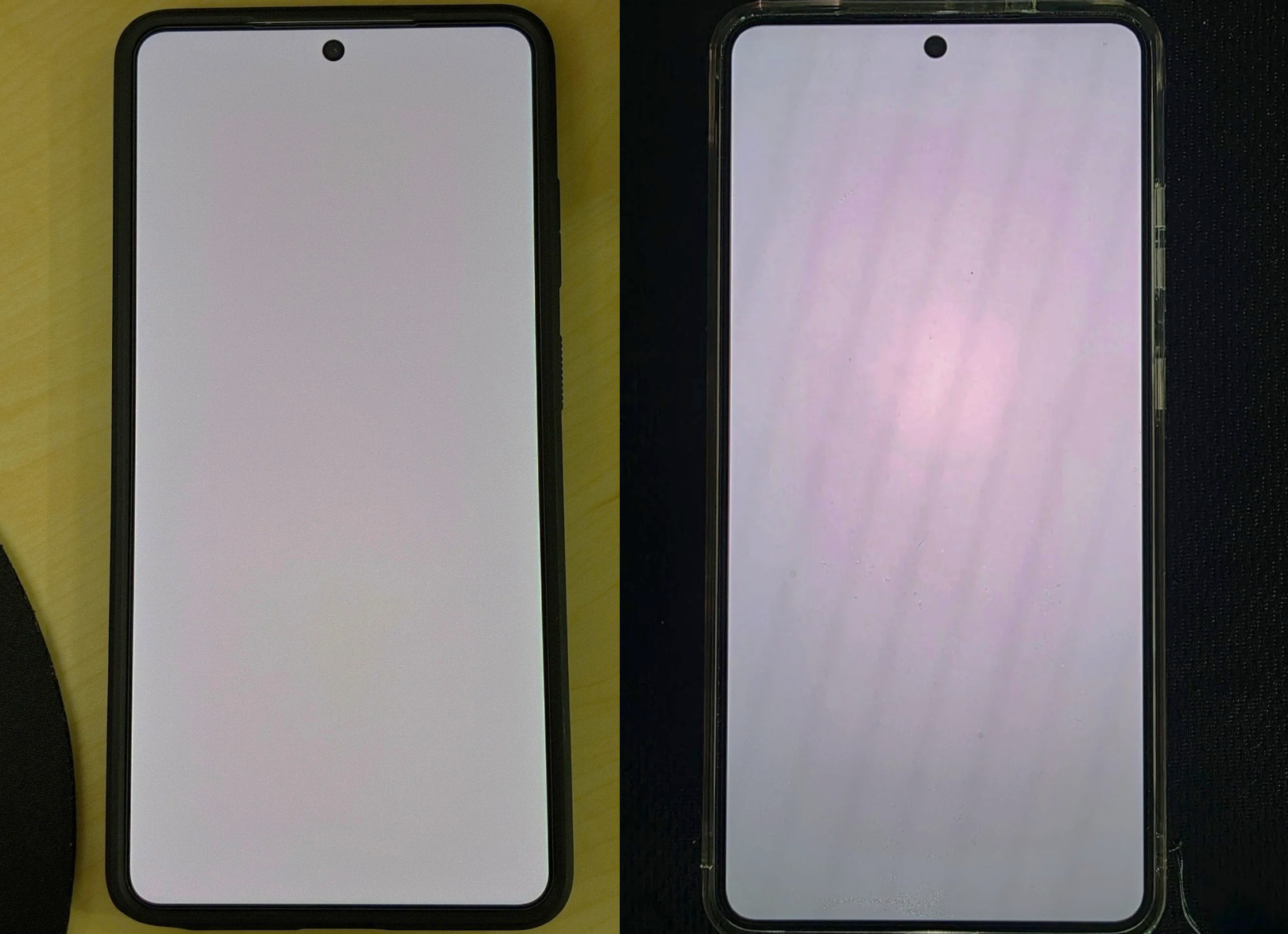
The Galaxy S26 Ultra red tint issue is a display problem where portions of some phones’ screens gradually shift toward a strong red or magenta hue, raising fears of premature OLED failure or burn‑in among owners who have had their devices for several months. The key takeaway is surprisingly positive: Samsung has now confirmed this is a software problem tied to color correction, not physical damage to the screen. In other words, your expensive OLED panel is not quietly dying; it is being misdriven by flawed color‑balance logic when the phone is pushed to high brightness in strong lighting. That distinction matters, because a software bug can be patched, while hardware decay would leave users facing replacements and repairs. The red screen issue is annoying and worrying, but it is not a death sentence for the Galaxy S26 Ultra display.
Not Burn-In: Samsung’s Diagnosis and Why It Matters
Samsung’s investigation has put to rest the scariest theory around the Galaxy S26 Ultra red tint: this is not OLED burn‑in or hardware deterioration. Instead, the company describes it as a "software optimization effort gone awry," where new screen optimization technology misbehaves when the phone is exposed to strong lighting at maximum brightness. A translated statement from a Samsung executive notes that "changes in color balance may occur when exposed to strong lighting at maximum brightness" and that "the problem can be resolved by optimizing the color correction software." That framing is more than a technical detail. It means affected users are dealing with a Samsung software bug fix scenario, not a defective batch of panels. The panic over permanent display damage was understandable, but the diagnosis should calm things down: the red screen issue is reversible through code, not a slow hardware failure.
How Samsung Plans to Fix the Color Correction Software
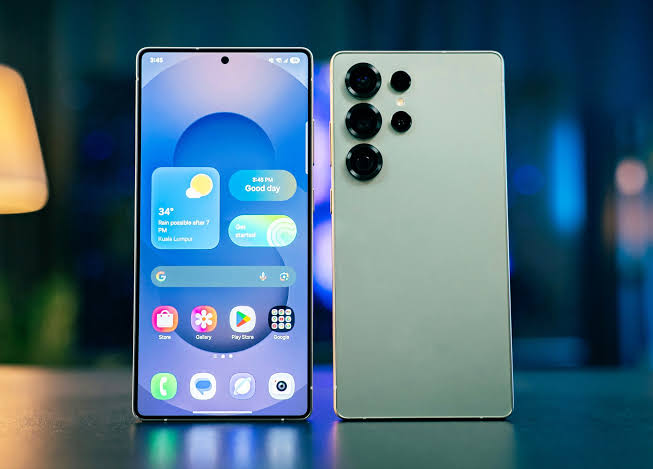
Samsung has already developed a software update aimed at correcting the flawed color‑balance behavior that causes the Galaxy S26 Ultra red tint. The fix focuses on optimizing the color correction software so that the phone no longer shifts toward an overwhelming magenta tone when pushed to high brightness under strong light. Right now, this update exists but is not widely distributed; owners dealing with the red screen issue must visit Samsung service centers to have it applied. That is an awkward stopgap for a modern flagship: an over‑the‑air patch would be far more reasonable for a bug that is clearly software‑driven. Samsung says the plan is to roll out the Galaxy S26 Ultra red tint fix more broadly, which should turn an alarming glitch into a background update that most users barely notice. Until then, access to the fix involves some inconvenience and waiting.
What Owners Should Do While Waiting for the Samsung Software Bug Fix
For Galaxy S26 Ultra owners seeing red discoloration, this is a situation where inaction is riskier than seeking help. Reports describe screens on some units "slowly turning red" after three to four months of use, fueling concerns that panels were "prematurely failing". Now that Samsung has acknowledged the issue and prepared a color correction software update, the most practical step is to visit a service center to get the fix applied while the broader rollout is still pending. This is not a cosmetic preference tweak; it is a bug that directly affects display fidelity, and tolerating it long‑term makes little sense when a solution exists. It is fair to criticize the limited distribution so far, but the company’s willingness to treat this as a software problem should give users confidence that their devices can be restored without display replacement.
Opinion: A Scary Glitch, But a Manageable One
The Galaxy S26 Ultra red tint saga is a reminder that even high‑end phones can ship with flawed screen optimization, but it is also an example of why clear communication matters. Owners went from worrying about permanent OLED burn‑in to learning that they are facing a fixable software bug, all based on a single confirmed diagnosis. That shift in narrative should ease anxieties: the red screen issue is a mistake in color correction software, not a ticking time bomb in the hardware. Still, requiring service center visits for an issue this visible feels out of step with how modern smartphones should be supported. A fast, wide, over‑the‑air release of the Samsung software bug fix would show the company takes display reliability as seriously as users do. Until that happens, the practical message is clear: the problem is real but manageable, and your Galaxy S26 Ultra screen is not doomed.