
Flex Titanium: The First Serious Answer to the Foldable Crease
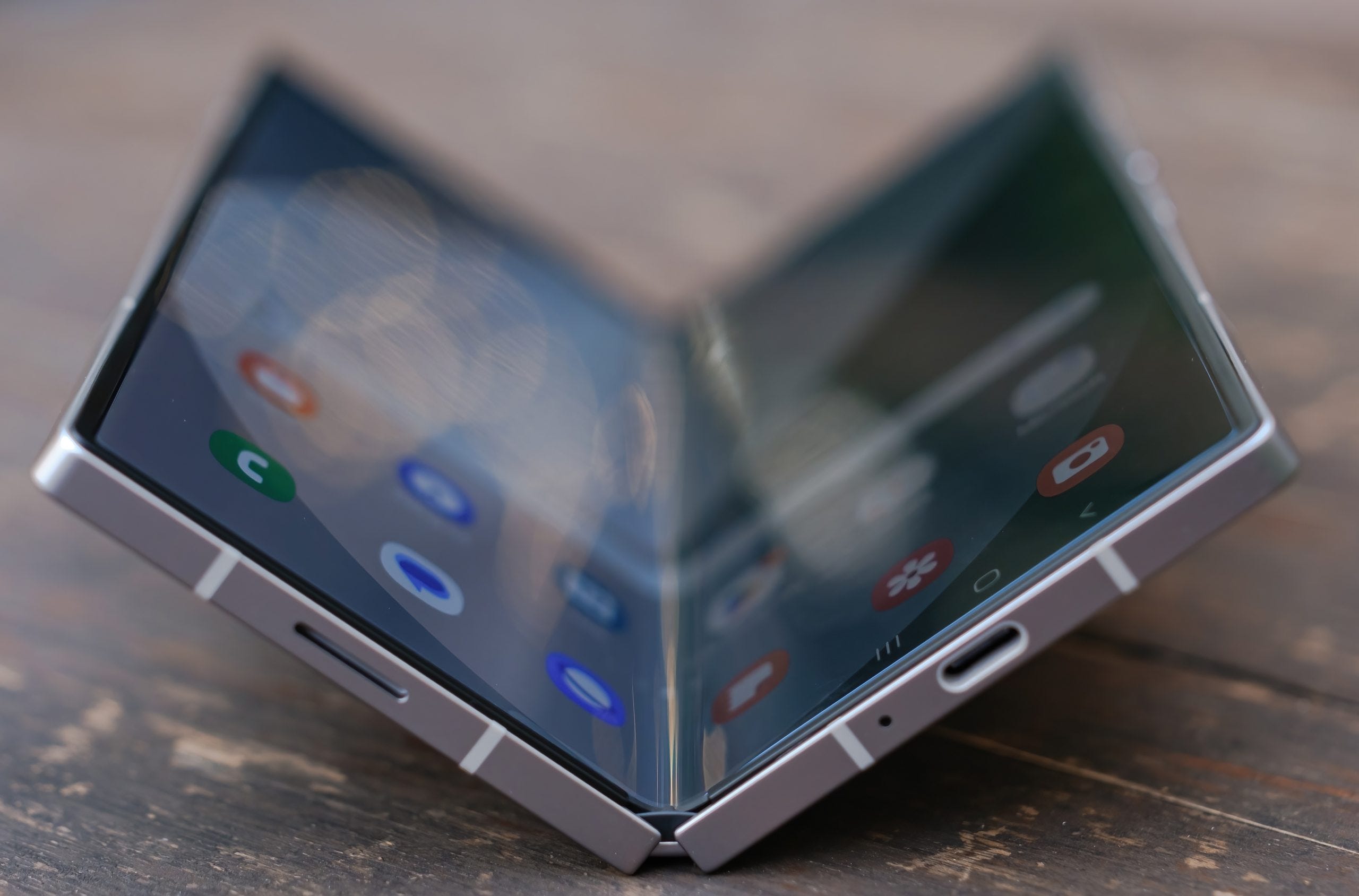
Flex Titanium is Samsung foldable display technology that combines aerospace-grade titanium components, stress-spreading OLED engineering and refined hinge support so that foldable phones gain near-glass feel, reduced crease visibility and stronger everyday durability without giving up the slim, flexible form factor that defines the category. This is not a minor tweak—it is Samsung’s first direct, structural assault on the crease problem that has kept mainstream buyers wary of foldables. For years, the visible line down the center of book-style and flip-style phones has screamed “compromise,” reminding users every time they opened the device that they were using a fragile experiment rather than a finished tool. By rebuilding the display stack around titanium and smarter stress distribution, Samsung is finally treating the crease as a design failure to be engineered away, not a quirk customers should learn to ignore.
Inside Flex Titanium: Film, Plate and Micro-Perforations
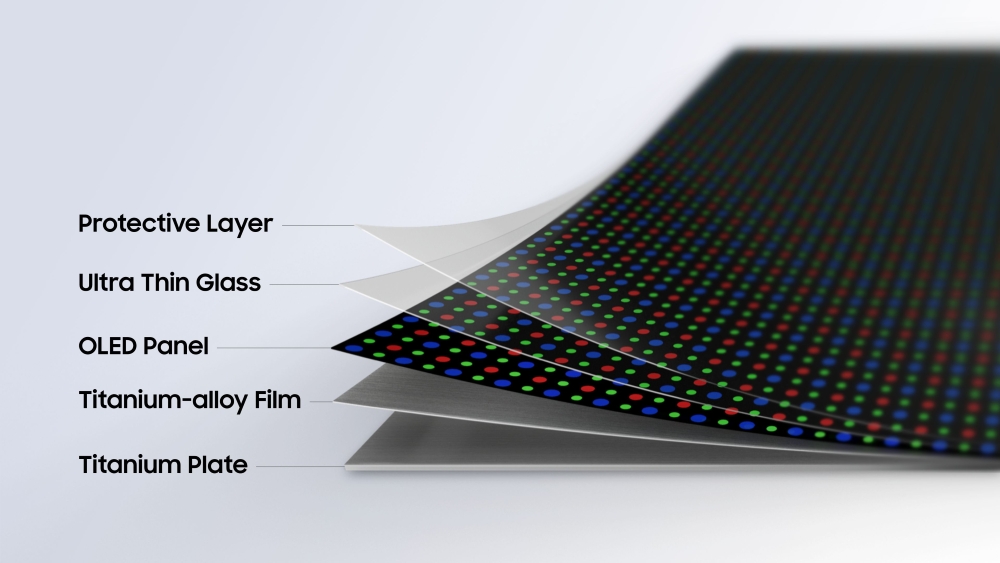
The core of Flex Titanium is a two-part titanium support system wrapped around the OLED stack. First comes the titanium-alloy film, a layer that sits directly under the OLED panel and replaces traditional polymer film with material that offers 20 times greater mechanical stiffness while still being exceptionally thin—about one-third the thickness of an average human hair—thanks to precision rolling. That stiffness makes the panel feel more like traditional glass while keeping it slim. Underneath, a titanium plate supports the display module from below and uses advanced hole processing technology to eliminate air gaps, tighten bonding and provide more stable support when the phone is unfolded. According to Samsung Electronics, “By introducing sophisticated micro-patterned holes to the folding section of the titanium plate, we have successfully secured flexibility with reliable durability,” which is exactly where earlier foldables used to fail.
How Stress-Spreading OLED Engineering Shrinks the Crease
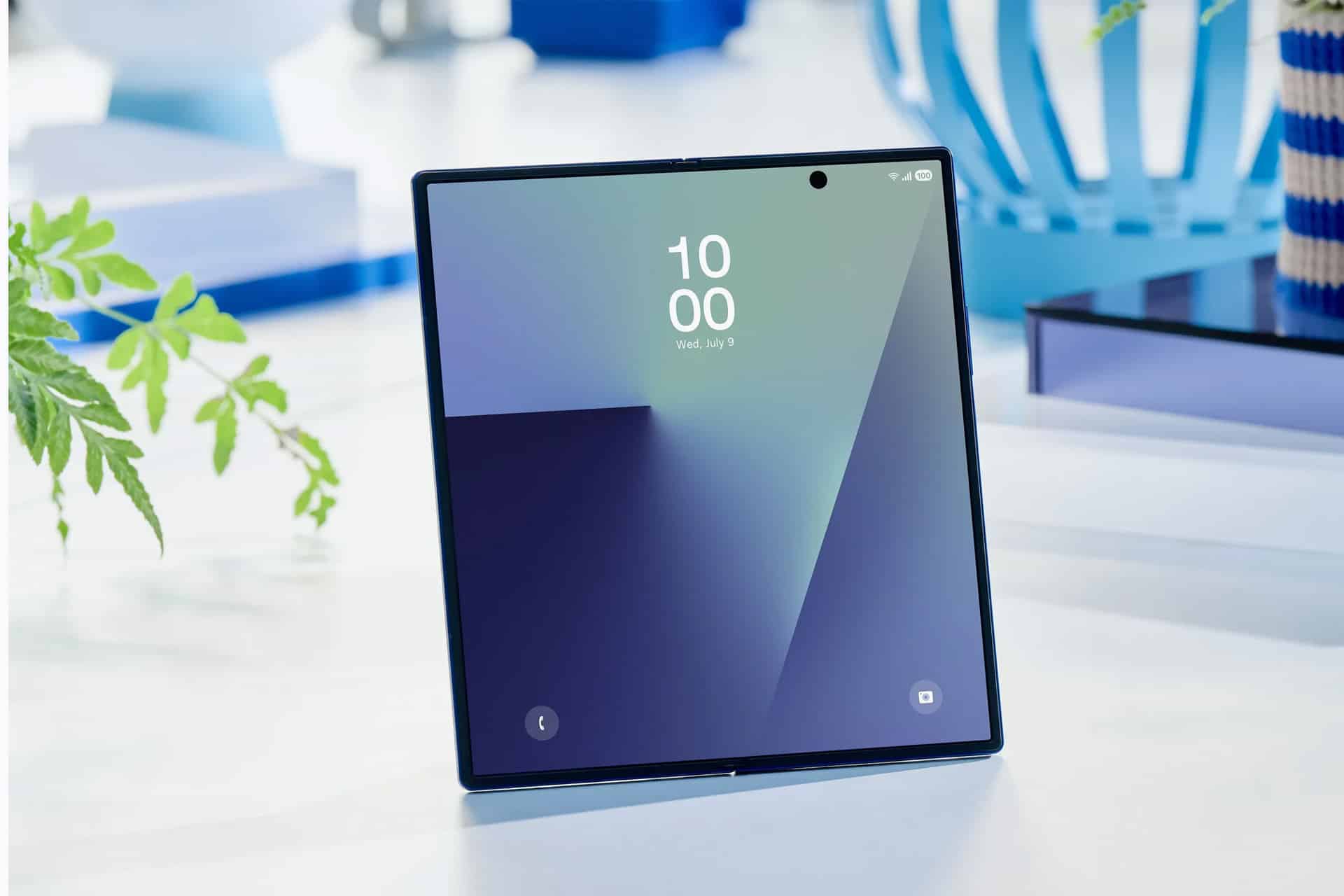
Crease formation is simple physics: repeated folding forces stress into a narrow line until the display shows a permanent groove. Samsung’s new approach spreads that stress instead of letting it pile up. Tiny laser-drilled micro perforations in the folding area give the materials more ways to flex, creating a wider, smoother curve rather than a harsh kink. The titanium plate’s micro-patterned holes reinforce this behavior, allowing the display to bend repeatedly while maintaining support underneath the panel. The result is less visible deformation where the screen folds and a viewing area that looks closer to a continuous sheet of glass than a hinged prototype. Combined with ongoing work on Ultra Thin Glass—still central because foldables need a surface that feels like glass yet survives thousands of bends—the stress-spreading design makes the inner display feel less fragile and more like a normal, premium smartphone screen.
Why Reduced Crease Visibility Finally Makes Foldables Make Sense
Foldable phone durability has never been only about not breaking; it has been about not looking broken in everyday use. The crease has always been the foldable’s confession: no matter how bright the OLED, how polished the software or how thin the chassis, that center line told users the screen was a compromise. Some people learned to ignore it; many never did. A near-creaseless panel changes the narrative. Instead of defending the compromise, the device can sell the benefit: tablet-like workspace, pocketable size, multitasking, reading, gaming, video and productivity without the feeling of a prototype. Because Flex Titanium maximizes content immersion on a more seamless screen while keeping the structure slim and strong, extended use—hours of scrolling, split-screen work or long video sessions—feels less distracting and more natural. A creaseless display is therefore not only a better screen; it is a more convincing foldable device.

What Flex Titanium Signals for the Next Galaxy Foldables
Flex Titanium is not arriving in isolation; it sits on top of seven generations of Galaxy foldable improvements that have made these devices thinner, stronger and more normal to use. Over those generations, Samsung has listened to persistent feedback: people want larger, more immersive inner displays with less visible crease and no trade-off in durability or portability. The new titanium-alloy film and plate structure, backed by stress-spreading micro perforations, is Samsung’s answer. It aims to deliver a next wave of Galaxy foldable improvements where the main screen finally looks worthy of the rest of the hardware. Because the hinge, support structure and display must work together, Flex Titanium suggests equally careful hinge refinement so the fold radius stays gentle and the OLED stack is under less pressure. Together, these upgrades promise Galaxy foldables that feel less experimental and more like the default choice for anyone who wants a big screen without carrying a tablet.