
The Galaxy S26 Ultra Pink Screen Defect, Defined
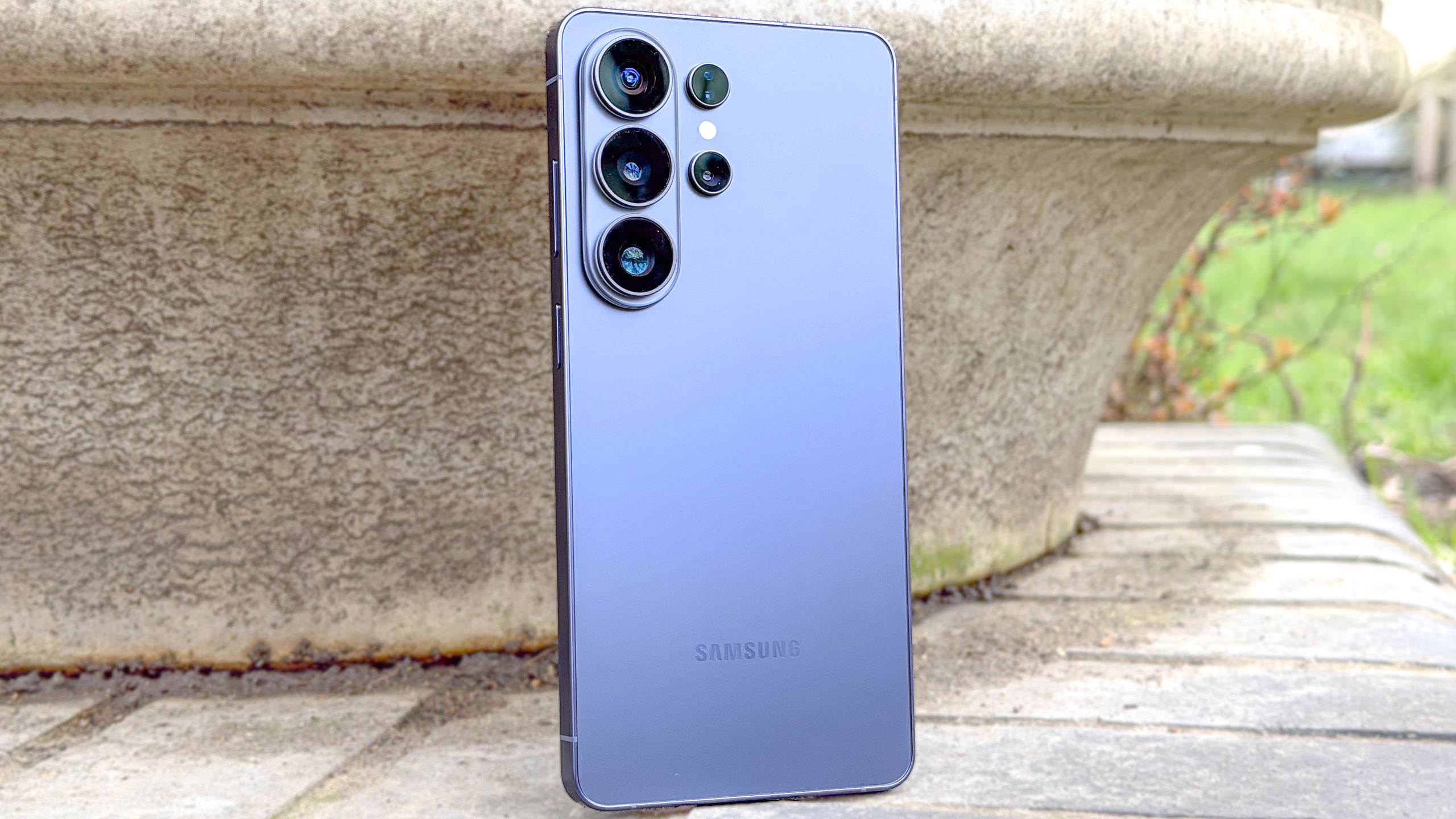
The Galaxy S26 Ultra display issue refers to a growing pink or red rectangle that appears in the center of some phone screens over time, creating a noticeable color imbalance that users describe as a display color malfunction, even though the panels continue to function and respond to touch normally. This is not a minor cosmetic quirk; it undermines the core promise of a premium OLED display on a flagship device that arrived with price increases of up to 10% and was meant to win back buyers after Samsung lost the top-selling smartphone title to a rival. When you pay top-tier money for a phone, a creeping pink screen defect feels less like an edge case and more like a broken trust in the brand’s quality control.
What Users Are Seeing: Pink Patches and a Red-Tinted Center
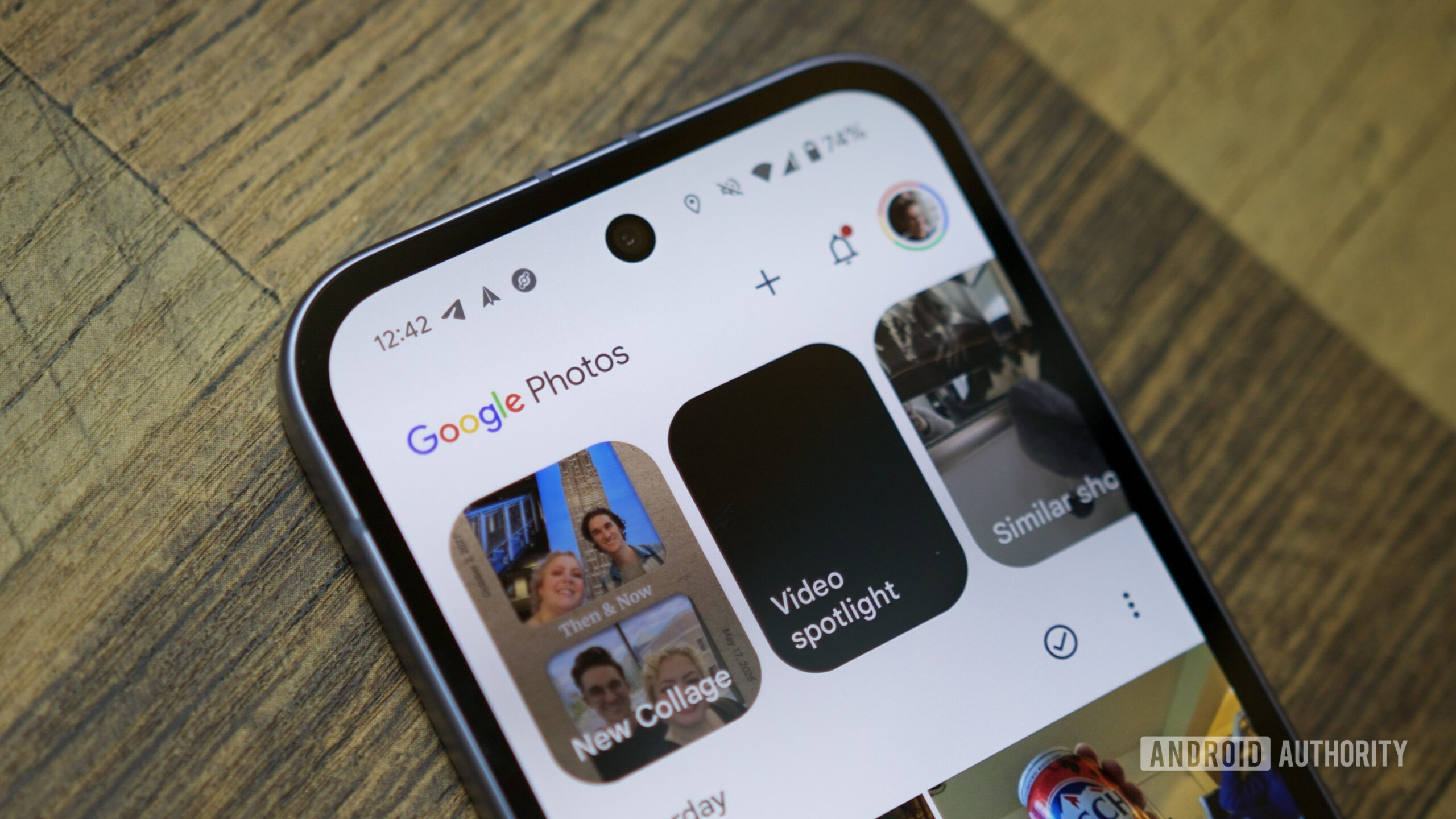
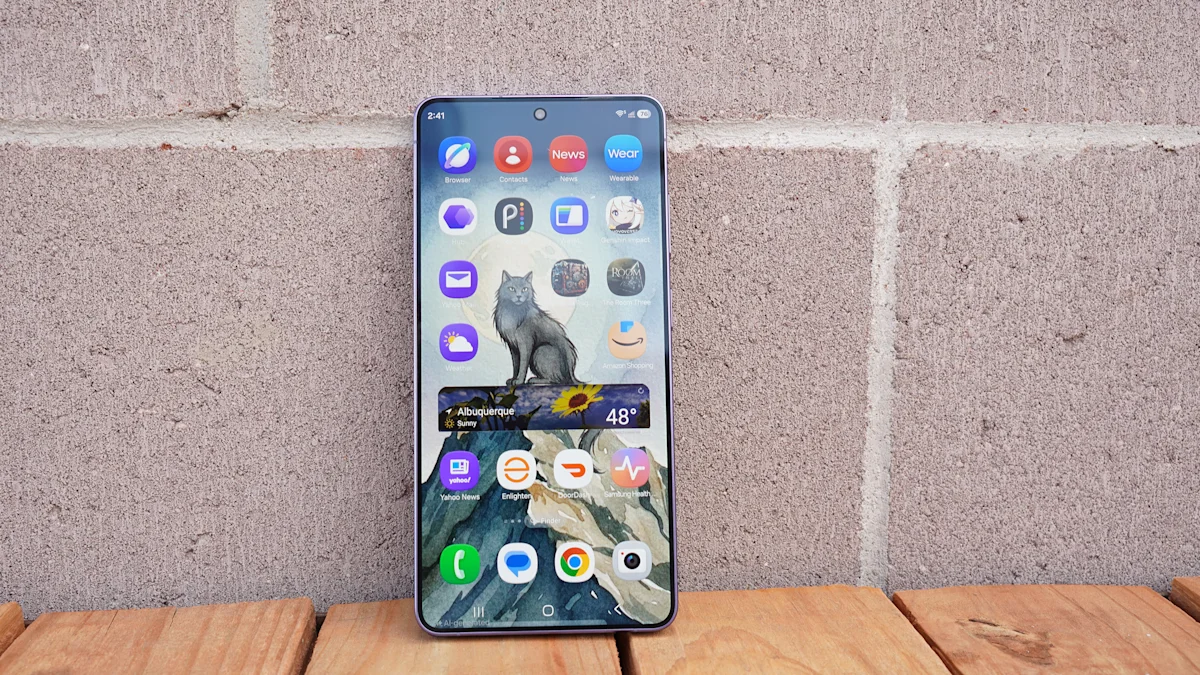
Across social platforms, multiple Galaxy S26 Ultra owners report their displays slowly turning red, often beginning as a subtle tint before becoming a clearly visible pink patch in daily use. The photos share a common pattern: a pink rectangle developing in the middle of the screen, while the edges look comparatively normal. Reports on Reddit and Naver describe a red or pink rectangle that shows up over time, with several users noting the same central region affected across units, suggesting a systematic display color malfunction rather than random burn-in. Some say the problem appears after three to four months, especially on demo units that run at high brightness all day, while others insist their phones remain unaffected, or that they might be “tricking” themselves into seeing a tint. This inconsistency makes the defect harder to quantify but no less frustrating for those clearly affected.
Privacy Display, Color Balance and Competing Theories
The contentious question is why the Galaxy S26 Ultra alone seems prone to this Samsung red tint problem. The phone is the only model to ship with Privacy Display, which dims pixels at the edges and boosts brightness in the center so onlookers at an angle see little of what’s on screen. The defect appears in that same boosted central area, which has led to a plausible theory: pixels driven harder for months are degrading unevenly, drifting toward red and producing the pink screen defect pattern users describe. Others argue it resembles an after-image more than classic burn-in, since the rectangle’s shape is consistent between devices, while a separate adhesive-based theory points to glue visible under UV light until it fully dries—an explanation many observers find unconvincing. Samsung, for its part, publicly says the issue is about display color balance, not hardware damage, and can be corrected through software-based color calibration.
Samsung’s Response: Investigation Now, Software Fix Later
Samsung has not tried to pretend the Galaxy S26 Ultra display issue is an illusion. The company has confirmed “something is happening,” even while admitting it does not yet know the root cause. In an earlier statement, it said it was “examining the matter internally to confirm the cause,” a tacit acknowledgment that the pink rectangle is real and needs a formal answer. More recently, Samsung told one tech outlet that the symptom is related to display color balance rather than a hardware defect, and that it can be solved with software-based color calibration instead of replacing panels. According to that statement, the problem can occur under specific conditions, such as prolonged exposure to strong lighting at maximum brightness, a description that neatly fits retail demo units that appear most affected. The company says an update is planned, but the timing remains “still being determined”; as of mid-July there is no announced fix, no recall and no concrete timeline.
What Owners Should Do Right Now
Until Samsung’s color calibration update arrives, Galaxy S26 Ultra owners are stuck balancing patience with self-protection. The display will continue to function, but you will have to live with the reddish hue for now if your device is affected. In my view, that is too big a compromise on a flagship that can cost around USD 1,300 (approx. ₱72,800), especially when some units show no issue at all. Anyone seeing a growing pink patch should document it thoroughly—take clear photos under consistent lighting and note when the defect first appeared—and contact Samsung support while the phone is still under warranty. Even if the company insists the Galaxy S26 Ultra pink screen defect is a software-level Samsung red tint problem, pushing for warranty service keeps pressure on the brand to take the display color malfunction seriously, rather than treating it as a minor nuance of Privacy Display behavior. Users should not be beta testers for a feature that shipped on a premium device.