
Ceramic 3D printing aerospace cores: from niche to necessity
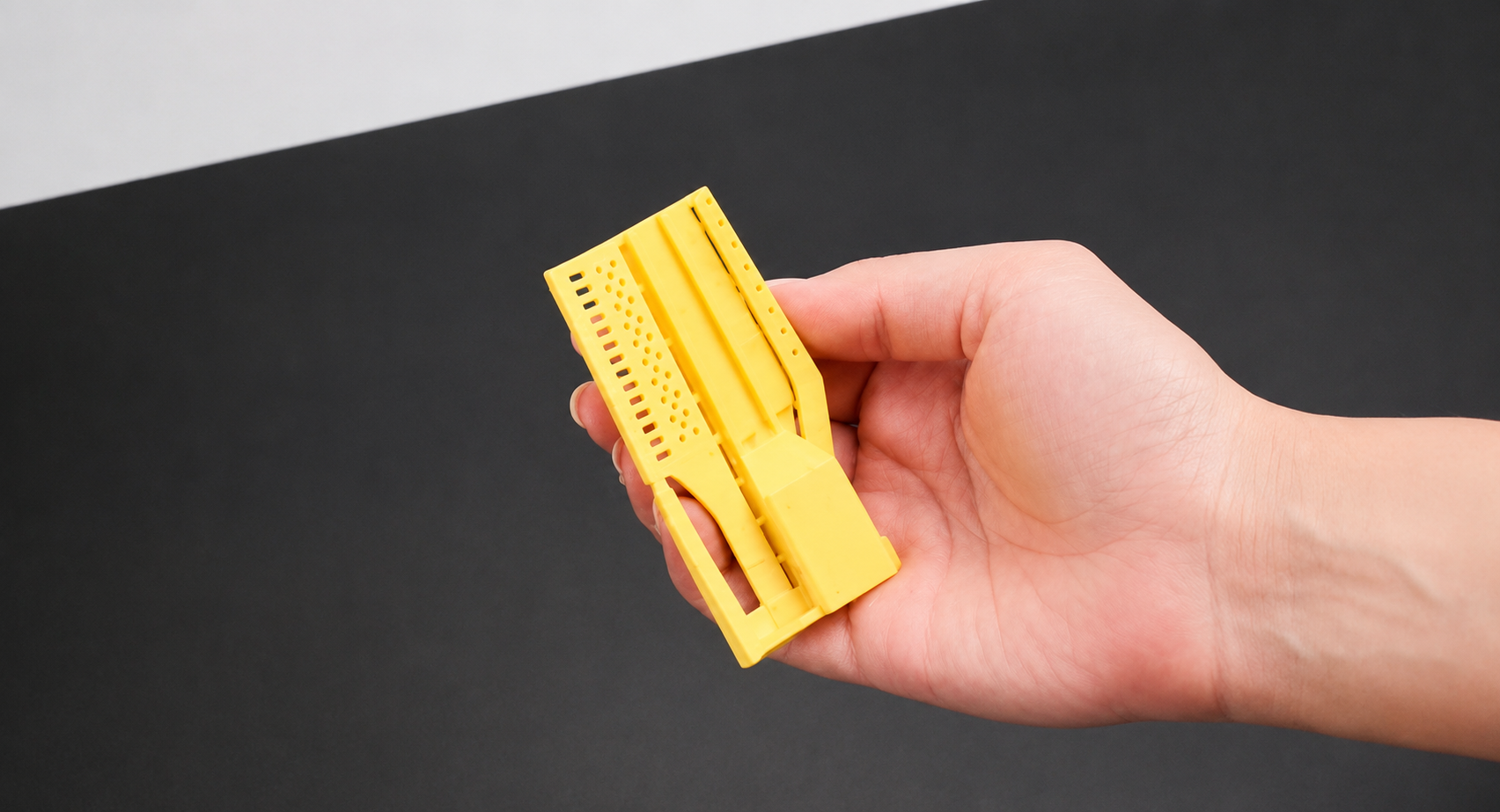
Ceramic 3D printing for aerospace cores is the use of stereolithography-based ceramic additive technology to manufacture investment-casting cores with intricate internal geometries, enabling faster design cycles, reduced tooling, and reliable production of shapes that conventional ceramic injection molding cannot achieve, especially for demanding turbine and engine applications.
Ceramic 3D printing aerospace projects are no longer experiments; they are starting to change how engines are designed. The partnership between 3DCeram Sinto and Avignon Ceramic, recently detailed in a joint video, is a clear signal that additive manufacturing cores are moving into the industrial mainstream. This collaboration focuses on ceramic 3D printing for aerospace investment casting, targeting cores that sit at the heart of turbine blades and other hot-section parts. The headline insight is blunt: if you are still relying only on conventional ceramic injection molding for advanced engines, you are accepting avoidable limits on geometry, lead time, and design freedom.
Why traditional cores are hitting a wall
The trigger for this aerospace manufacturing innovation is simple: ceramic injection molding cannot keep up with the geometry demands of modern engines. Avignon Ceramic, long a specialist in ceramic injection molding for cores used in investment casting, found that CIM could not produce increasingly complex shapes such as double- or triple-skin cores. Those are not cosmetic details; they are essential for advanced cooling strategies and performance gains. When you cannot make the core, you cannot make the blade, and therefore you cannot push the engine.
That bottleneck pushed Avignon Ceramic to start developing ceramic 3D printing capabilities in 2017, leading to its partnership with 3DCeram Sinto. Together, they developed a printable ceramic core paste for SLA tailored to directional solidification and single-crystal casting, the processes that underpin high-performance turbine components. In other words, ceramic additive technology is being built not as a side project, but as a direct replacement where injection molding fails.
Additive manufacturing cores: complexity on demand
The most powerful aspect of this partnership is the move from tooling-bound to tool-free core production. The jointly developed SLA-printable ceramic paste is run on 3DCeram’s C100 Easy printer, whose top-down stereolithography process delivers parts that closely match CAD models while avoiding delamination and warping. That accuracy matters: aerospace manufacturers do not buy "cool prints"; they buy repeatable, certifiable cores.
Designing and manufacturing a mold for injection molding used to take weeks or months. By contrast, the ceramic additive manufacturing workflow delivers a finished core—including printing, firing, and finishing—within two weeks, and design changes can be implemented within hours. One quotable takeaway is: design changes that once waited on new tooling can now be tested the same week, sometimes the same day. That level of agility is transforming how engineers think about iteration: instead of designing to please the toolroom, they can design to please aerodynamics and thermodynamics.
From pilot to production: proving ceramic AM can scale
Skeptics of ceramic 3D printing aerospace programs usually ask the same question: can it scale beyond prototypes? This partnership offers an early but important answer. According to the companies, the faster turnaround persuaded a major aerospace player to adopt the 3D-printed core approach for testing military parts in 2025, and that program has since moved into small-series production. That is not research-lab volume; it is the first step toward routine use of additive manufacturing cores in high-value hardware.
Equally important, the partners say their collaboration will continue with the aim of controlling the full production chain from raw material to finished part, with clear focus on mechanical strength, dimensional accuracy, and surface finish. Across this and similar efforts, the value of ceramic additive technology lies not only in printing complex shapes but in building repeatable workflows that can support aerospace production at scale. This is where "3D printing" ceases to be a buzzword and becomes process engineering.
The strategic message to engine makers
The strategic lesson from the 3DCeram Sinto–Avignon Ceramic partnership is pointed: engineering ambition is now limited more by process adoption than by physics. As engine designers push for tighter cooling passages and multi-skin architectures, ceramic injection molding alone will not deliver the necessary cores. The combination of SLA printers like the C100 Easy, tailor-made ceramic pastes, and on-demand production is turning ceramic 3D printing aerospace applications into a practical route for innovation, not a science project.
Aerospace manufacturing innovation has always followed the factories that could build the hardest parts. Ceramic additive technology is emerging as one of those decisive capabilities. The conclusion is clear: engine and turbine programs that integrate ceramic additive manufacturing cores into their development and production plans will be able to explore geometries—and therefore performance envelopes—that their tooling-bound competitors cannot reach.