

What This Trick Does (and Why Your Storage Numbers Don’t Add Up)
This guide explains how to free Android storage by cleaning hidden system files, offline downloads, and cached data so you reclaim gigabytes without deleting personal photos or videos.
If your phone keeps warning about low storage even after you cleared the gallery and uninstalled a few apps, you are not imagining it. When you open Settings, go to Device Care, and then Storage, the total used storage at the top often does not match what photos, videos, documents, and apps add up to. That missing chunk lives in an “Other files” bucket, filled with things like old backups, app leftovers, and temporary data that normal cleaners skip.
The upside: most of that space comes from hidden cache files, outdated offline maps, and old database backups that you can remove safely once you know where to look. The only real prerequisite is a few minutes of focus and a bit of care not to delete the one or two files that apps still need.
The One Ordered Sequence: From Biggest Wins to Fine‑Grain Cleanup
Follow this order once, and you will clear most of the waste before you start micromanaging individual apps. Think of it like cleaning from the attic down, not the other way around.
- On a Samsung phone, open Settings > Device Care > Storage and note how much space is in Other files; this is where a lot of hidden system files, cached data, app leftovers, and temporary files live.
- Still in Device Care > Storage, open Trash, then tap Gallery to review deleted photos and videos that are being kept for 30 days instead of being removed; restore anything important, then use the three‑dot menu and choose Empty to free that space.
- Back in Storage, tap Duplicate files, select All so your phone keeps the originals and marks the duplicates, then delete them and remember they move into Trash until you empty it.
- Open Google Maps, tap your profile picture, choose Offline maps, review every listed area, and delete map regions you no longer need, because offline areas can range from a few hundred megabytes to more than a gigabyte each.
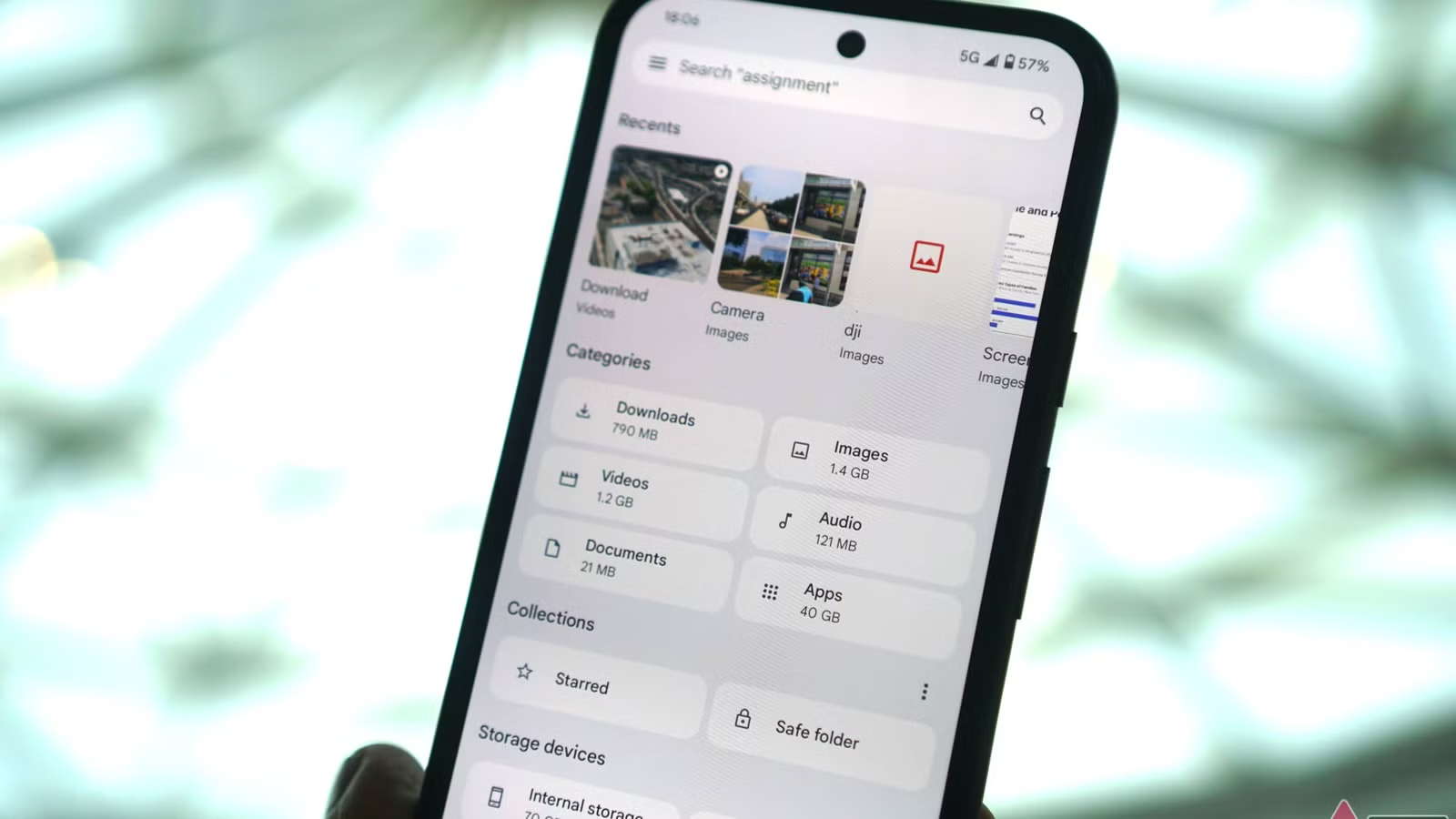
- Open your file manager, go to Internal storage > Android > media > com.whatsapp > WhatsApp > Databases, sort by date, keep the newest backup file only, and delete older WhatsApp database files that sit there consuming space.
- Still in Device Care > Storage, tap App cache, select All, and clear caches so temporary files from social media, streaming, and games stop hogging storage; this wipes cached data but not your logins or main app data.
The order matters. You start with Trash and duplicates, which are the safest wins, then remove oversized offline content, then tackle app‑specific leftovers and hidden cache files that can grow quietly into gigabytes.
Why These Spots Hide So Much Space (and the Gotchas to Avoid)
When you delete photos or videos, many phones move them to Trash for 30 days instead of wiping them, so your storage warning does not go away until you clear the Trash folder on Android. Likewise, duplicate files pile up from saving the same image through multiple apps, and each copy looks harmless until the total runs into gigabytes.
Offline maps are another classic culprit: an offline map area can occupy from a few hundred megabytes to well over a gigabyte, and old downloads stay until you manually delete them from Google Maps. WhatsApp database backups behave the same way; older backup files in the Databases folder are no longer used, but they still consume internal storage.
The two big mistakes to avoid are pressing Clear data instead of Clear cache in app settings, which erases login and app data, and deleting the most recent WhatsApp backup while cleaning that Databases folder; you must keep the newest, updated file because WhatsApp uses it to restore your account.
Clearing Hidden Cache and Temporary Files Safely
Temporary app data is useful until it grows unchecked. Each time you scroll through social feeds, watch videos, or play games, the apps store cache on your phone to speed things up. Over time, this cached data can grow into a major part of your used storage.
App cache is data the app keeps locally so it does not have to download the same content again, but it is safe to clear when space gets tight. On a Samsung phone, instead of going one app at a time, you can use Device Care > Storage > App cache, tap All, and then Clear caches to remove temporary files in bulk. This leaves your accounts and main content intact while cutting out the bloat.
According to one report, “digging a few steps deeper reveals items you can actually delete to reclaim storage,” which are often these hidden cache files and app leftovers. Clearing them will not stop cache from rebuilding over weeks, but it gives you immediate breathing room without touching personal media.
What You Can Expect After a Deep Clean
Once you have emptied Trash, removed duplicates, deleted old offline maps, cleared WhatsApp’s stale databases, and wiped app caches, the storage numbers finally begin to make sense. You are no longer wondering why the used storage bar is huge even though your photo gallery is under control.
Running out of storage space on a Samsung phone does not only restrict room for apps and photos; it can also slow the device down. The good news is that the built‑in tools in One UI are designed to free space without removing anything important, and removing hidden junk means you avoid aggressive photo deletion strategies that take away your memories.
Expect a noticeable chunk of space to return after this once‑through. To keep things smooth, repeat the routine every few months and pay attention whenever the Other files section grows faster than your photos and apps. The work is light, the gains are large, and your media stays untouched.