
Gaming tablet cooling is now the real performance story
Gaming tablet cooling refers to the advanced thermal management hardware and design strategies that allow high-performance tablets to sustain overclocked processor speeds, stable frame rates, and comfortable device temperatures during extended gaming sessions and demanding creative or professional workloads, rather than throttling performance once heat builds up across the compact chassis.
The most important shift in high-performance tablets today is not more cores or brighter OLED panels—it’s cooling. Lenovo’s upcoming Legion Y700 Infinite gaming tablet puts thermal design at the center of its identity, pairing an overclocked Snapdragon 8 Elite Gen 5 running up to 4.74 GHz with a purpose-built cooling architecture. Instead of treating heat as an afterthought, Lenovo treats it as the enabling technology that makes this Snapdragon 8 Elite tablet viable for sustained performance. We’re watching mobile hardware cross a line: the best tablet thermal management now looks closer to a tuned gaming laptop than a stretched-out smartphone, and that has real consequences for gamers and power users who have long been burned—sometimes literally—by thermal throttling.
Lenovo Legion Y700 Infinite: overclocked silicon demands serious cooling
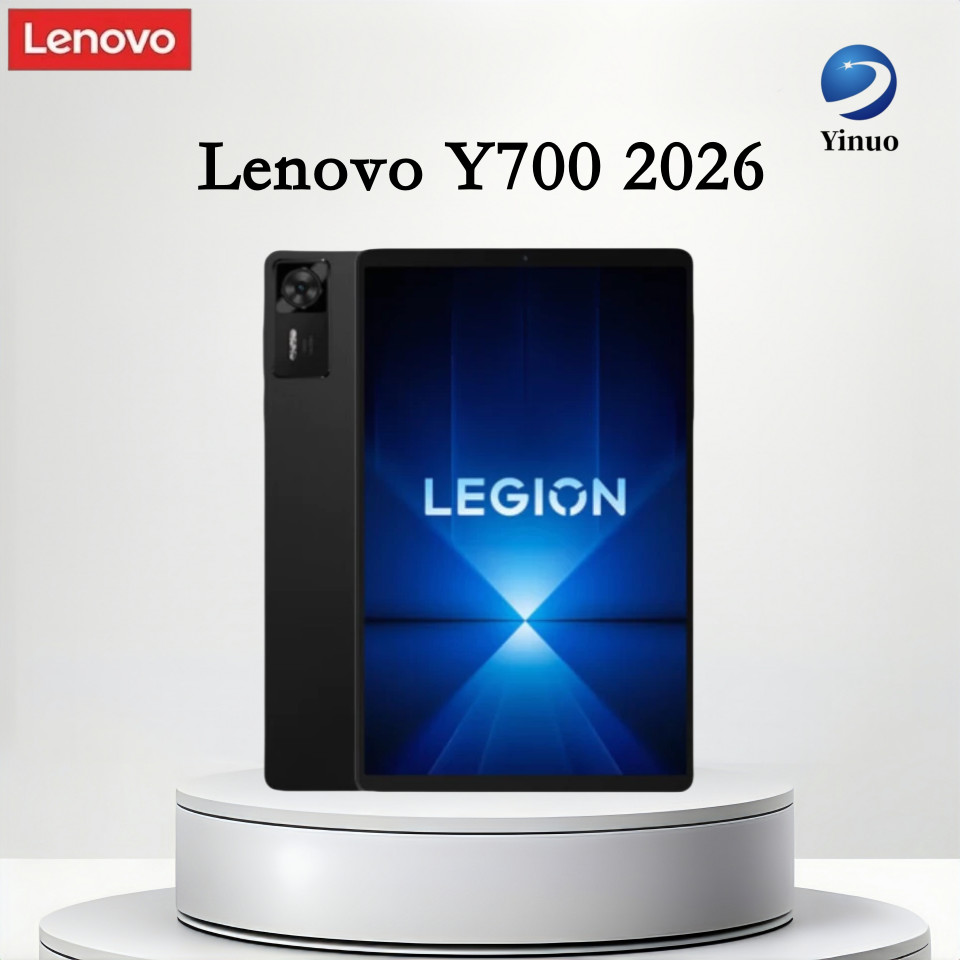
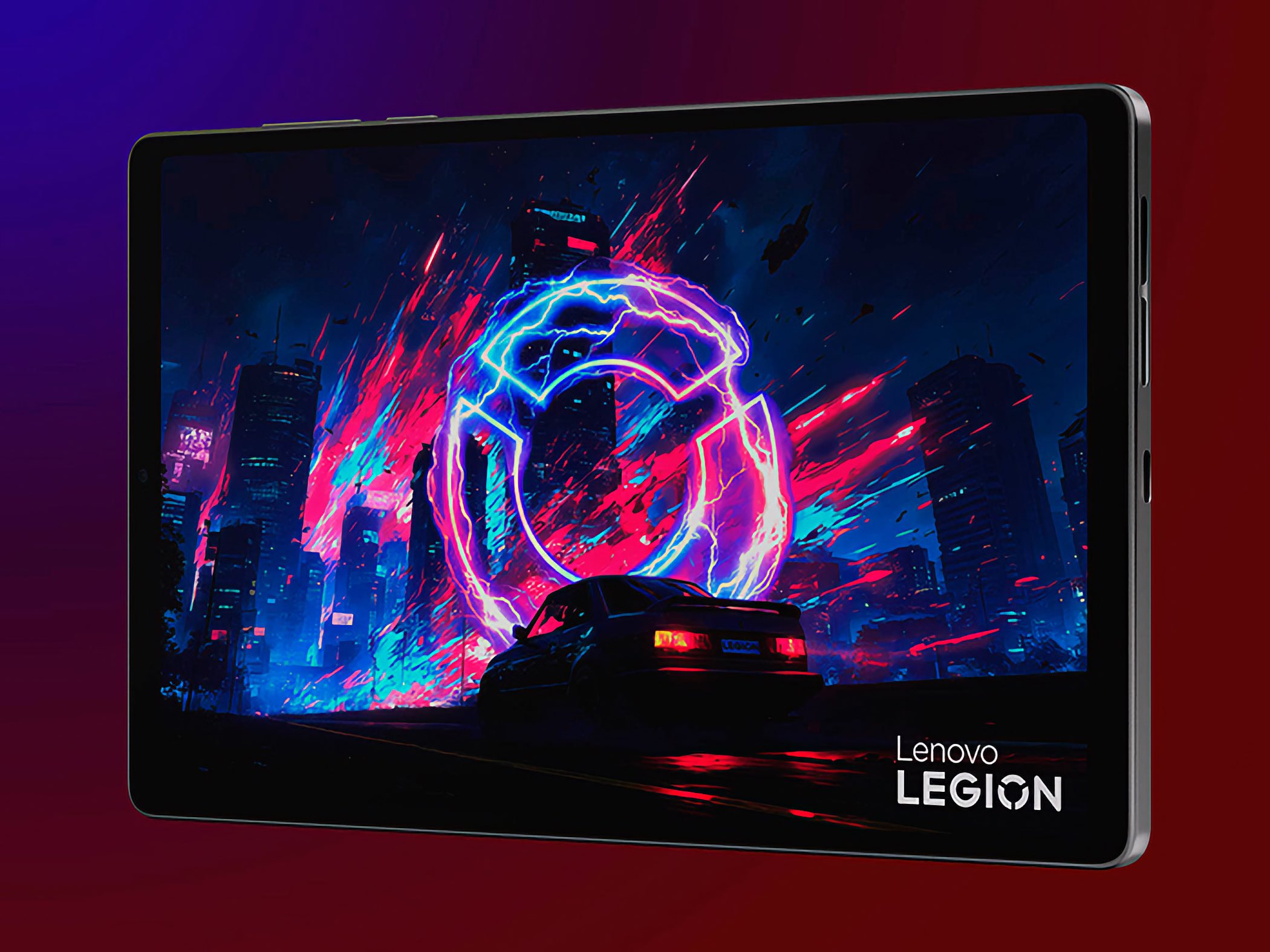
Lenovo’s Legion Y700 Infinite is set to arrive with an overclocked Snapdragon 8 Elite Gen 5 chipset that peaks at 4.74 GHz. That speed puts it beyond typical smartphone tuning and deep into territory where heat output becomes the limiting factor. According to company teasers, the tablet backs this silicon with LPDDR5T memory and UFS 4.1 Pro storage, plus an 8-inch high refresh rate OLED panel, up to 24GB of RAM and 1TB of storage. In other words, it’s configured like a tiny workstation, not a casual tablet. It’s also expected to weigh about 310g, roughly 50g lighter than the Legion Tab Gen 5, which currently sells for USD 699.99 (approx. ₱39,200). The message is clear: this is a compact performance machine, and without serious tablet thermal management, the overclocked Snapdragon 8 Elite tablet would cook itself—or your hands.
| Spec | Legion Y700 Infinite | Legion Tab Gen 5 |
|---|---|---|
| Processor | Overclocked Snapdragon 8 Elite Gen 5 (4.74 GHz) | Snapdragon 8 Elite Gen 5 (standard clocks) |
| Cooling | 15,000mm² vapor chamber | 17,353mm² vapor chamber |
| Display | ≈8" high refresh OLED | 8.8" IPS LCD |
| Weight | ≈310g | ≈360g (50g heavier) |
Vapor chambers and smarter layouts: tablet thermal management grows up
The Legion Y700 Infinite’s headline cooling feature is a large 15,000mm² vapor chamber designed for effective heat dissipation from its power-hungry Snapdragon 8 Elite Gen 5 SoC. A vapor chamber is essentially a flat heat pipe: it spreads heat quickly away from the processor, allowing the entire chassis to participate in cooling instead of concentrating heat in one hot spot. Lenovo’s previous 8.8-inch Legion Tab Gen 5 uses an even larger 17,353mm² vapor chamber, reinforcing that these are not minor additions—they are core to how modern gaming tablet cooling works. Equally important is layout. Lenovo positions the processor in the center of the chassis, away from the usual grip area, so heat does not accumulate where your fingers rest. This centrally mounted passive cooling system reportedly keeps the grip area 4°C cooler than a Snapdragon 8 Elite Gen 5 phone with an active fan-based system. That is a quotable reminder that smart design can beat noisy accessories.
What sustained performance means for gaming and creative work
All of this thermal engineering matters because performance without consistency is a bad user experience. When a gaming tablet spikes to high clock speeds but quickly throttles, frame rates stutter, touch input feels laggy, and competitive play suffers. By pairing its overclocked 4.74GHz Snapdragon 8 Elite Gen 5 with a cooling system built to keep excess heat in check, the Legion Y700 Infinite aims to sustain high performance rather than advertise it only on spec sheets. For extended gaming sessions, that should translate into steadier frame rates and fewer mid-match slowdowns. For professional workloads—editing video on an OLED screen, painting with pressure-sensitive stylus tools, or juggling multiple apps—the large vapor chamber and central thermal layout are the difference between a tablet that heats up and one that stays reliable under load. High-performance tablets are finally being engineered for the long haul, not just benchmark moments.
A new expectation: powerful tablets must be cool tablets
Lenovo plans to launch the Legion Y700 Infinite in China in August 2026, with a broader release expected afterward. Whenever it lands, it will carry a clear message for the industry: you cannot claim to build a high-performance tablet without investing in gaming-grade thermal management. RGB lighting, overclocked chips, and 24GB RAM configurations may grab marketing attention, but it is the 15,000mm² vapor chamber and thoughtful heat layout that make those specs meaningful in real-world use. Consumers should start judging gaming tablet cooling with the same scrutiny they bring to display refresh rates or storage speed. If a tablet promises high clocks and 5G-connected play but skimps on thermal design, it’s not a performance device—it’s a short-lived burst machine. The Legion Y700 Infinite marks a turning point: from now on, cool is not aesthetic, it is a requirement.