
Additive manufacturing grows up when it plugs into the factory, not the lab
Additive manufacturing automation refers to the use of interconnected machines, software, and data-driven workflows that turn 3D printing from isolated experiments into repeatable, digitally orchestrated production steps within wider manufacturing operations. BMW’s message is blunt: 3D printing only scales when it behaves like a grown-up production technology. That means automated, digitally networked process chains, not one-off hero parts built in a lab corner. After decades of using additive mainly for prototypes and niche components, BMW now treats it as a “relevant building block throughout the vehicle lifecycle,” with more than 1.6 million printed parts and thousands more produced each year across plants. The opinion here is clear: the barrier to series production scaling is no longer print physics alone, but the systems around it — scheduling, materials, data, and quality — and that is exactly where BMW is betting hardest.
Wire Arc Additive Manufacturing: from curiosity to series-ready tool
Wire Arc Additive Manufacturing (WAAM) has long been treated as an exotic option for big metal parts; BMW is trying to turn it into a dependable tool for series production. The company has explored WAAM since 2015 and started building test components with an MX3D production cell in 2021. Now it is gradually rolling WAAM into series workflows, with official production planned from 2027. This is not a casual side project: BMW sees WAAM as a path to large, functional components with improved properties, produced faster and more flexibly, without traditional tooling. In other words, WAAM is being judged by production metrics, not novelty. That shift in mindset—from “can we print this?” to “can we rely on this in series?”—is what will separate mature digital manufacturing networks from a museum of cool but isolated pilots.
Automated, digitally networked process chains are the real innovation
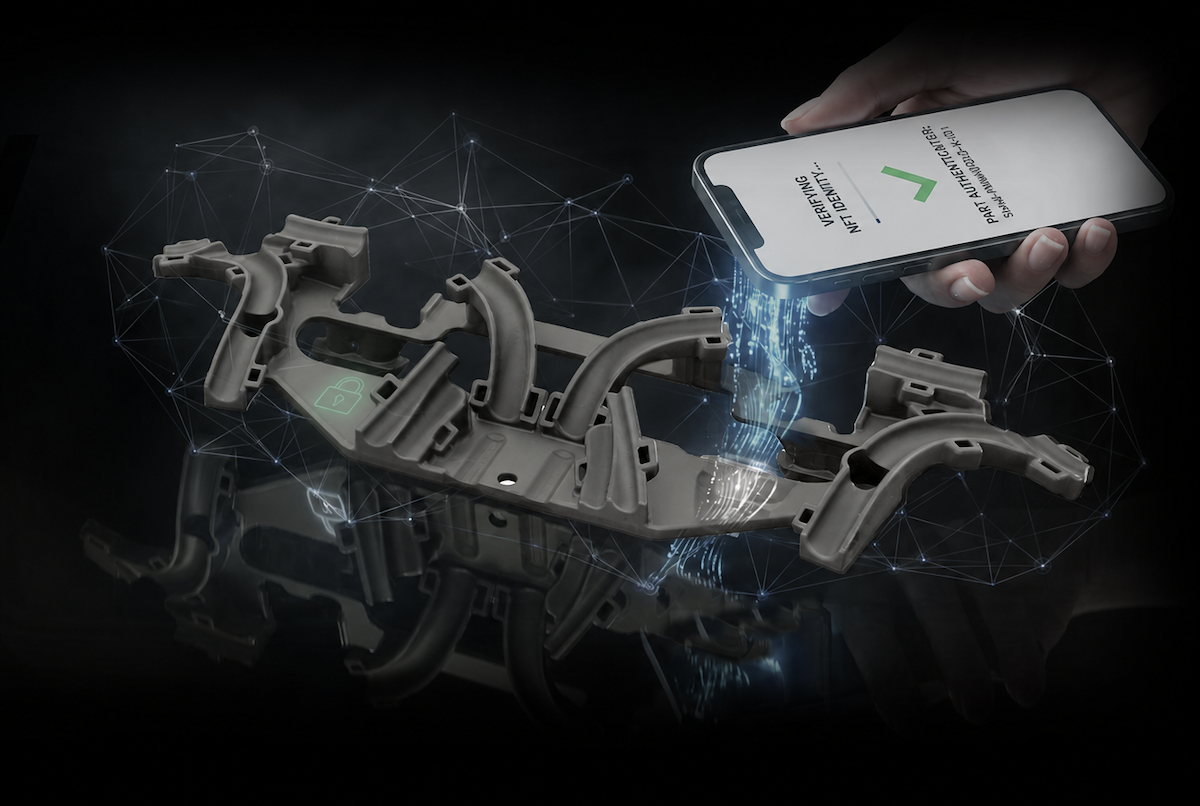
BMW’s most important move is not a new printer; it is the decision to treat additive as one node in a digital manufacturing network. According to BMW Group, “A key pillar of our scaling strategy is the use of automated, digitally networked process chains, and open-material systems as well as open interfaces, all of which allow seamless integration into our existing production structures.” That statement matters more than any single machine purchase. Automated handoffs, common data models, and open interfaces mean an additive job can be planned, executed, inspected, and logged like any other production step. This is how additive manufacturing automation becomes invisible—in the best sense—because it fits cleanly into established logistics, quality systems, and plant IT instead of demanding special treatment.
From scattered use cases to series production scaling
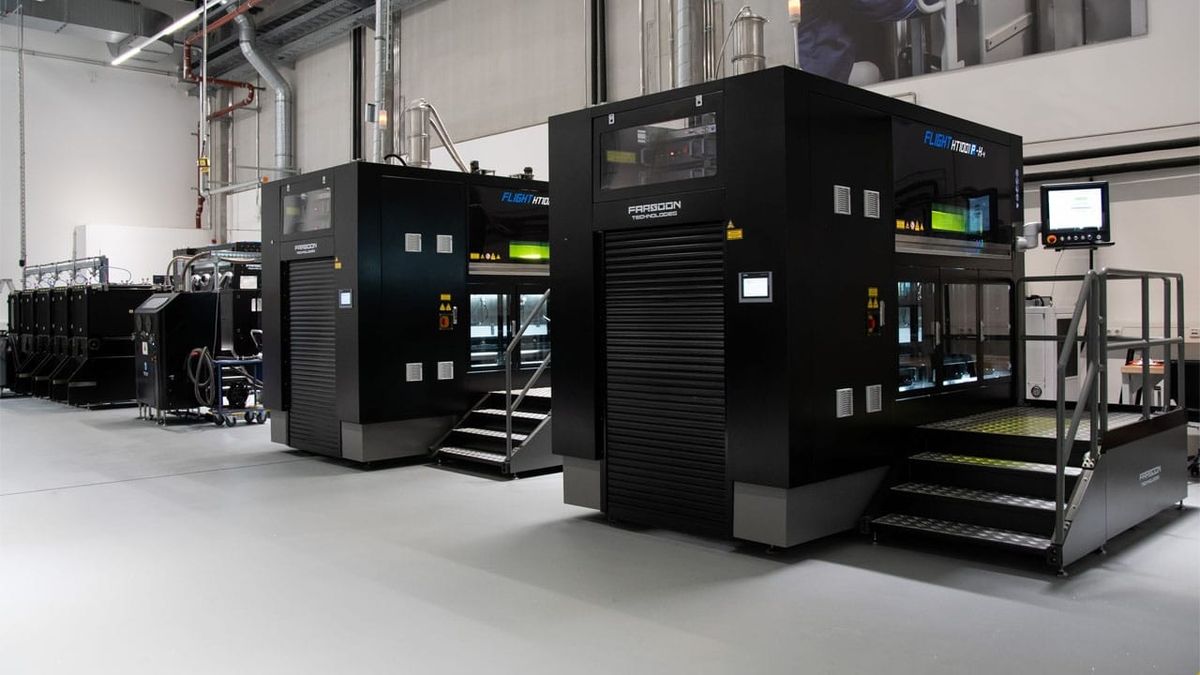
BMW’s Additive Manufacturing Campus, opened in 2020, shows what series production scaling looks like in practice: central expertise, shared standards, and then distributed execution across the production network. The campus has already produced over 1.6 million parts, while other plants make around 100,000 more each year, often for production accessories printed in-house and on-demand. This is how additive moves from “special solution” to everyday tool—used in development, validation of new vehicles, electric drive components, and aftersales. BMW argues that 3D printing has “developed from a technology with potential to a scalable reality in production.” The opinionated takeaway: series maturity is not a badge you award after a pilot; it is earned when multiple plants can run the same digital recipe and trust the output shift after shift.
Series maturity is the real milestone for additive manufacturing
The industry talks endlessly about faster printers and new alloys, but BMW is quietly making a more important point: production readiness is the milestone that matters. When additive workflows become resilient systems—automated, digitally linked, and supported by open-material and open-interface strategies—then wire arc additive manufacturing and other methods stop being risk projects and start being standard tools. Timo Göbel notes “strong growth in this technology across a wide range of applications at every stage of the product lifecycle, so we will continue to invest.” That is not hype; it is a recognition that series maturity is a system property, not a lab achievement. If other manufacturers want additive to move beyond prototypes, they will need to copy BMW’s focus on digital manufacturing networks, not just its choice of machines.