
Galaxy S26 Ultra’s Red Tint Problem, Explained
The Galaxy S26 Ultra display red tint screen issue refers to reports that some phones develop a reddish discoloration, often centered on the screen, after weeks or months of normal use, raising questions about the device’s headline Privacy Display feature and concerns over long-term durability for an expensive flagship phone.
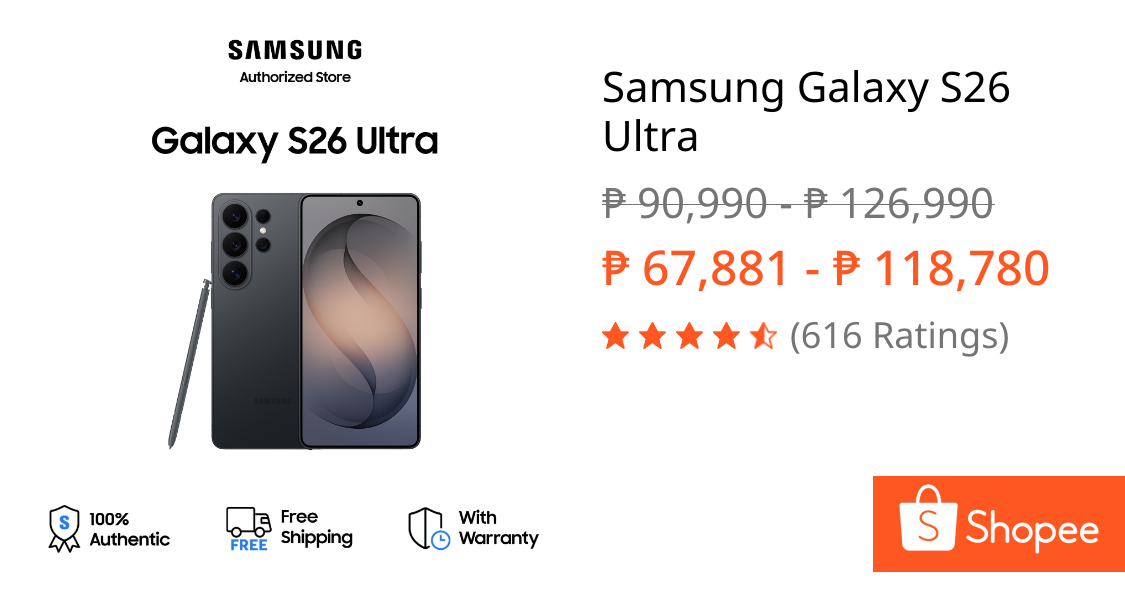
Owners of the Galaxy S26 Ultra have shared photos and complaints showing a red cast in the middle of their screens, often described as a rectangular patch that is hard to unsee once noticed. These posts have appeared on community forums and Reddit, and that pattern alone tells us something important: this is not a one-off defect but a recognizable symptom that multiple users can identify in each other’s photos. When a USD 1,300 (approx. ₱75,000) phone starts to look uneven only a few months in, that is more than a cosmetic annoyance. It undermines trust in the Galaxy S26 Ultra display at the exact moment Samsung is trying to sell it as a privacy-focused showpiece.
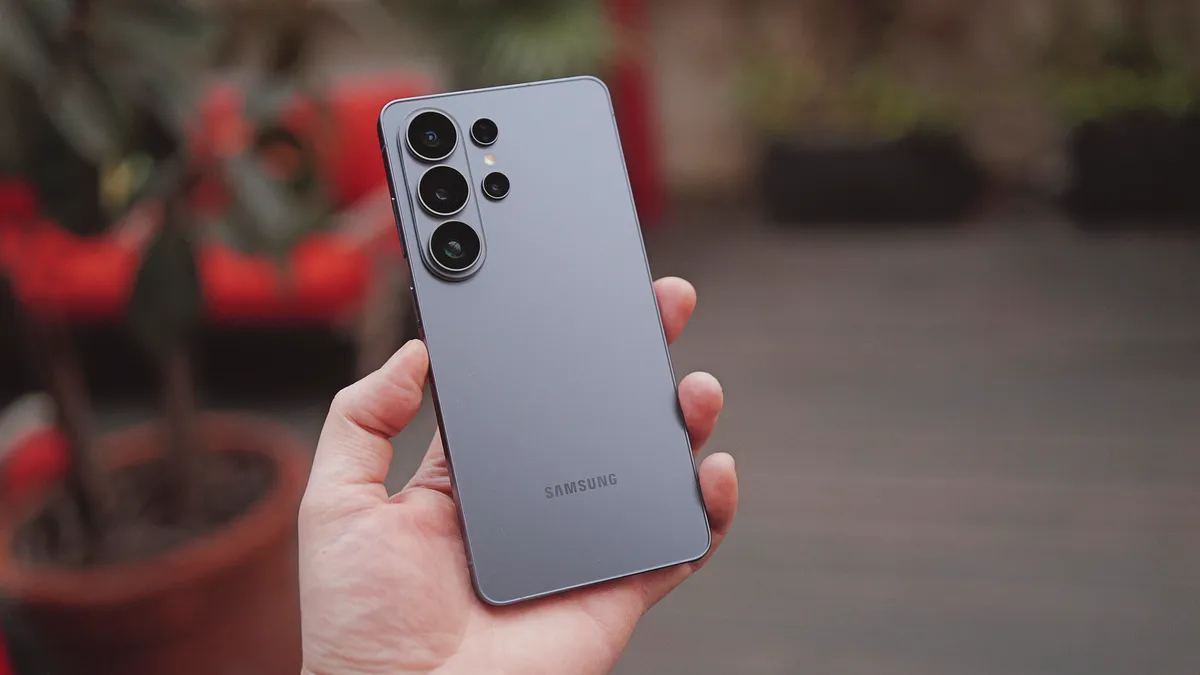
Is Privacy Display to Blame?
The most controversial theory is that this is a Privacy Display problem, not a random batch defect. The Galaxy S26 Ultra’s Privacy Display works by dimming pixels toward the sides and boosting those at the center so that content is easier to see straight on and harder to peek at from an angle. Conveniently—or worryingly—that is exactly where the red discoloration is showing up for affected users.
To be clear, Samsung has not confirmed any root cause; it is “currently examining the matter internally to confirm the cause.” Some reports say the red tint appears more noticeable with Privacy Display enabled, while others speculate about environmental or manufacturing factors. But when you combine a pixel-boosting algorithm in the middle of the panel with reports of a rectangular red mark emerging after two to three months of use, it becomes hard to treat this as coincidence. This looks less like random bad luck and more like the side effect of an aggressive display technology that may be pushing the hardware harder than expected over time.
Why This Matters for a $1,300 Flagship
This saga stings because the Galaxy S26 Ultra is supposed to be a statement device. It costs USD 1,300 (approx. ₱75,000) and was sold as a premium flagship with a standout Galaxy S26 Ultra display and a unique Privacy Display feature. The phone has already faced criticism for using an 8‑bit panel that emulates, but does not deliver, true 10‑bit color, along with noticeable screen flicker likely tied to that emulation or the privacy tech itself. Add a creeping red tint on top and the whole screen story starts to feel compromised.
The frustration is amplified by the fact that, on paper, this is a top-tier device: it even picked up a lab award for having the fastest wired charging among 33 phones tested in 2025 and 2026. When you pay this much, you expect the basics—color uniformity, consistent brightness, no strange patches—to be solved problems. Instead, Samsung now has to convince early adopters that the Privacy Display innovation is worth the growing list of trade-offs.
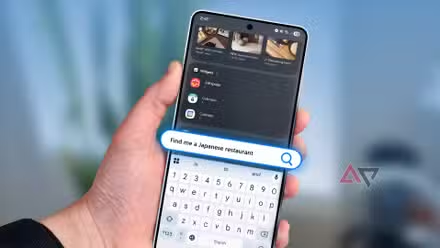
What Affected Users Can Do Right Now
Until Samsung delivers a clear Samsung display fix, owners have to be proactive. First, treat this as a potential warranty issue, not something you are expected to live with. According to coverage details, the Galaxy S26 Ultra includes a one‑year warranty, which means any phone bought at launch should be well within the repair window if the red tint appears.
- Turn off Privacy Display temporarily and see if the red tint is less visible in daily use.
- Capture clear photos of the discoloration on neutral backgrounds (white or gray) in good lighting.
- Back up your data, then test in Safe Mode to rule out app-related display tweaks.
- Contact official support, reference the known red tint screen issue, and request inspection or repair under warranty.
- Keep an eye on software updates in case a Samsung display fix is rolled into future patches.
You should not have to keep a privacy feature disabled on a flagship phone to avoid strange artifacts. If the tint is obvious, push for a repair or replacement instead of waiting for it to get worse.
Samsung’s Next Move Will Decide the Narrative
Right now, Samsung is investigating and has said only that it is examining the issue internally to confirm the cause. That cautious language is understandable, but the longer the red tint stories circulate on forums and social media, the more they risk defining the Galaxy S26 Ultra in the public mind. This is a phone that should be known for its speed, battery life, and award‑winning charging performance, not for a mysterious red halo.
The company has two jobs: find out whether the Privacy Display is implicated and deliver a clear, public Samsung display fix plan—software, repair, or both. Anything less starts to look like hoping the problem goes away on its own. For current owners, the sensible stance is firm but pragmatic: document the issue, use the warranty, and keep Privacy Display off if it appears to worsen the tint. For potential buyers, the Galaxy S26 Ultra is still a powerful device, but until Samsung finishes its investigation, the most important spec is one you cannot see on a spec sheet: how much risk you are willing to accept in exchange for a more private screen.