
On-demand manufacturing drones: from bottleneck to competitive edge
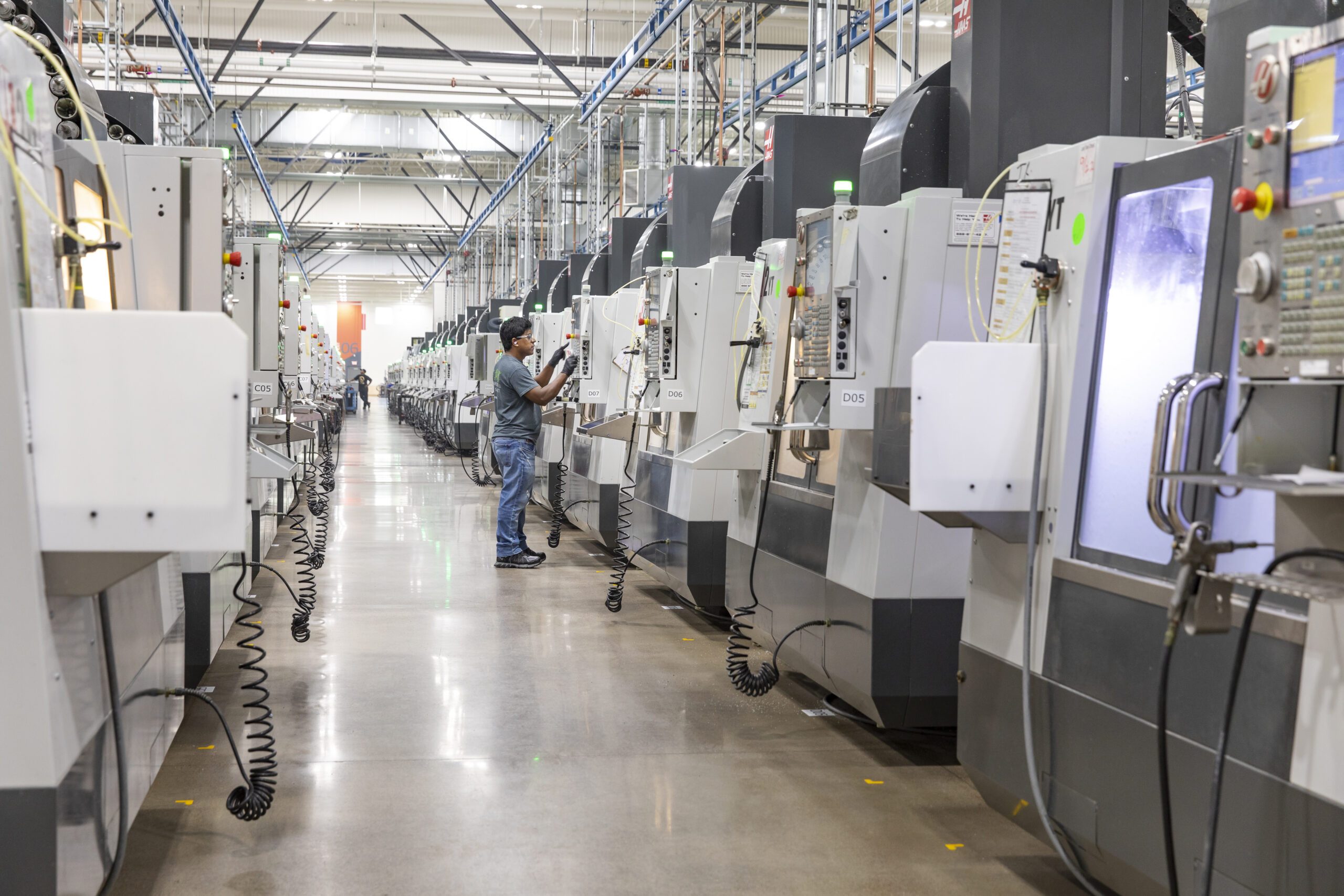
On-demand manufacturing for drones is a digitally driven production model where external providers deliver CNC-machined and 3D-printed aerospace-grade parts in days, so drone teams can iterate designs rapidly, avoid early investment in dedicated factories, and scale from prototyping to low-volume production as mission requirements and market demand change. That shift is now reshaping who has power in the drone economy. By expanding quick-turn CNC machining and Multi Jet Fusion (MJF) 3D printing for commercial and defense drone manufacturers, Protolabs is not just adding capacity; it is positioning its factories as a control layer in the drone value chain. Drone developers that used to be limited by their own machine shops can now move at the speed of software updates instead of hardware procurement cycles.
Why CNC and MJF 3D printing now sit at the heart of drone strategy
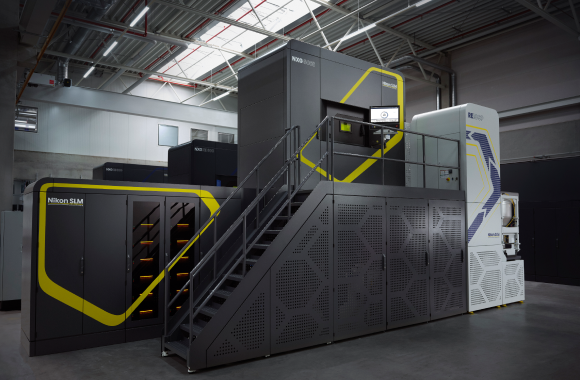
The core story is simple: drone demand is spiking faster than traditional manufacturing can keep up. As commercial and defense programs expand, manufacturers face pressure to shorten development cycles without sacrificing aerospace quality. That is pushing them toward 3D printing drone production and precision CNC services that can handle frequent design changes, customized hardware, and low-volume runs. Protolabs’ answer is more quick-turn CNC capacity for tighter-tolerance metal and plastic parts plus expanded MJF lines, supported by HP Additive, tuned for thin-walled, lightweight ducts, housings, brackets, and snap-fit avionics enclosures. This is not incremental. When a single provider can deliver flight-ready components “in a matter of days instead of weeks,” according to CEO Suresh Krishna, it turns manufacturing speed into a strategic weapon for drone programs competing on payload agility, endurance, and time to field.
From rapid prototyping aerospace parts to scaling: the new contract manufacturing playbook
What makes this expansion important is not any single machine, but the model behind it. Rather than investing in dedicated manufacturing lines early, drone developers can use rapid production services to iterate designs, test components, and scale manufacturing as demand grows. That is textbook rapid prototyping aerospace practice, now applied to entire drone platforms. Protolabs claims revenue from drone customers has risen by more than 90% since 2023, a compound annual growth rate of nearly 40%, driven by demand for rapid, on-demand production across the drone development cycle. In other words, contract manufacturing scaling is no longer only about cheap capacity; it is about elastic access to certified, high-mix, low-volume production that follows a program from concept model through flight-qualified hardware. Providers that can combine quick-turn CNC with MJF in a single, digital workflow will set the pace.
Defense, certification, and the power of compliant agility
The drone industry’s center of gravity is shifting toward missions where failure is not an option, and that raises the bar for any on-demand manufacturing drones strategy. Protolabs operates facilities registered under the International Traffic in Arms Regulations and runs machining and 3D printing sites certified to AS9100 and ISO 9001. That means its rapid prototyping aerospace work does not sit outside the compliance stack; it is embedded in it. For defense and high-end commercial customers, this matters as much as speed. The expansion also aligns with a broader move toward more resilient domestic supply chains and faster production cycles, where manufacturers need partners that can support rapid design changes, low-volume production, and later scaling without long lead times. In practice, agile, certified contract manufacturers are becoming extensions of drone OEM engineering teams, not mere job shops.
What comes next: service providers as gatekeepers of drone scale
The most telling metric here is not the new machines; it is the direction of influence. Protolabs will present its drone production capabilities at a major UAV expo in early September, where it plans to show how its digital manufacturing services support rapid prototyping and scaled production for commercial and defense drone applications. That is a signal: service providers intend to sit at the strategy table, not in the back room. As drone manufacturers increasingly use polymer powder bed fusion for lightweight, low-volume component production, the companies controlling that infrastructure will quietly arbitrate which designs can move from CAD to fielded systems fastest. The takeaway is clear: in the next phase of the drone boom, the winners will not only be those who design the smartest airframes, but those who lock in the most responsive, scalable, and compliant contract manufacturing pipelines.