
Additive manufacturing scaling: from clever prototype to core production tool
Additive manufacturing scaling is the shift from using 3D printing for limited prototypes and niche parts to embedding automated, digitally integrated additive processes into mainstream industrial production lines, so manufacturers can produce complex, custom components at high volumes with dependable quality and predictable costs. BMW’s latest moves make one point clear: the bottleneck is no longer print quality, it is how those prints are woven into production. The company says it is investing in new systems, larger build volumes and digitally connected process chains as it plans to take additive manufacturing “to the next industrial level.” That ambition signals a strategic change for the automotive sector. 3D printing is no longer the clever side project in the corner of a development lab; it is becoming a “relevant building block throughout the vehicle lifecycle” and an established part of daily operations.
BMW’s bet: automated 3D printing production or no scaling at all
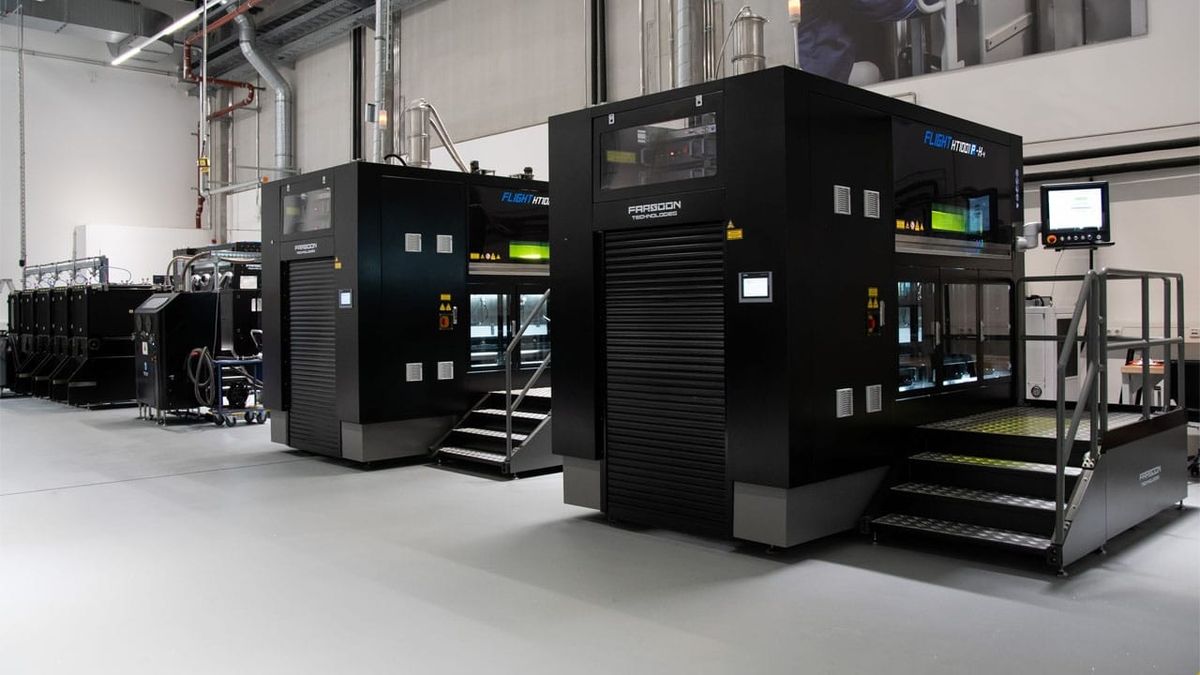
BMW’s message is blunt: without industrial 3D printing automation, additive manufacturing will stay stuck at the prototype stage. At its Additive Manufacturing Campus, more than 1.6 million 3D‑printed parts have already been produced, with another 100,000 parts made annually across other vehicle plants. That output is impressive, but the company is not celebrating; it is redesigning the process chain. Timo Göbel, Head of Additive Manufacturing, calls “automated, digitally networked process chains” a key pillar of BMW’s scaling strategy, along with open‑material systems and interfaces that allow seamless integration into existing production structures. This is a direct challenge to every plant still treating 3D printing as a manual craft. By giving plants the tools to print production accessories in‑house and on‑demand, BMW is turning additive into everyday infrastructure. The lesson for automakers is unforgiving: if your printers are not fully tied into your digital factory, they will not scale.
Wire Arc Additive Manufacturing: from experiment to series metal parts
The most revealing part of BMW’s plan is its push to mature Wire Arc Additive Manufacturing (WAAM) into full series production. WAAM has been on the company’s radar since 2015, and test components have been built with an MX3D production cell since 2021. Now BMW is focusing on scalable applications, enhancing automation and maturing newer technologies, particularly WAAM, into series manufacturing from next year, with official production set to begin in 2027. This is not a casual trial; it is a declared timeline. BMW believes WAAM will unlock larger, functional metal components with improved properties, produced more flexibly and in less time, without the need for traditional tooling. In other words, automotive metal parts—long considered the fortress of casting and machining—are being opened to additive manufacturing. This raises the stakes for competitors: ignoring WAAM now means ceding the future of large, complex metal structures.
Hyliion’s path: additive manufacturing as a business model pivot
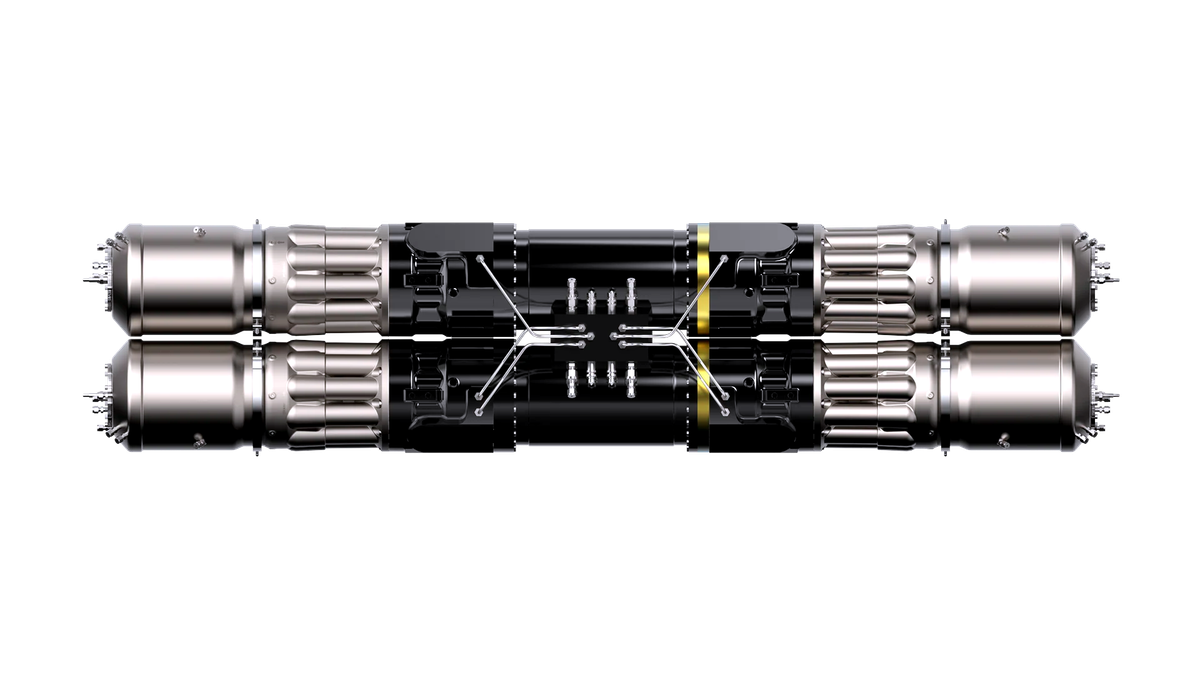
If BMW shows how incumbents industrialize 3D printing, Hyliion shows how additive can reshape an entire business model. In 2020, the company accelerated its “stereotypical start‑up journey” via a USD 1.5 billion (approx. ₱84.0 billion) SPAC‑enabled public listing, only to realise the electric vehicle space “was not heading in a good direction,” with peers going bankrupt, capital scarce, and fleet adoption slowing. Rather than double down, Hyliion acquired GE Aerospace’s KARNO power generation technology in 2022 for USD 37 million (approx. ₱2.1 billion) and went “all in” on it. The KARNO linear heat generator relies on metal additive manufacturing for complex heat exchangers that would be difficult to make otherwise. That choice is not cosmetic. It allows Hyliion to deliver on‑site power modules so data centres can bypass grid limits, shopping malls can make electricity cheaper than grid rates, and unmanned military ships can carry their own power plant. Here, additive manufacturing scaling is the engine of a new market, not a support tool.
What this means for the future of automotive manufacturing
The pattern is now visible: additive manufacturing will matter in automotive only when it is wired into automated, digitally networked process chains and treated as strategic, not experimental. BMW is “actively shaping the transition of additive manufacturing into a fully integrated and widely established production technology – both technologically and organisationally,” and its WAAM roadmap to 2027 underlines that commitment. Hyliion’s rapid commercialization of KARNO—taking a Stirling‑like engine concept and, through metal 3D printing, turning it into on‑site power modules and future megawatt‑scale solutions—shows what is possible when companies let additive define their products instead of merely decorate them. The takeaway for automakers is harsh but useful: those who still see 3D printing as an optional prototyping tool will fall behind. Those who invest in industrial 3D printing automation, digital integration, and scalable additive manufacturing workflows will own the next generation of complex, custom automotive components.