

Pixel 11 Pricing: A Higher Cost of Entry by Design
Google’s new Pixel 11 pricing refers to the leaked starting costs and storage tiers for its upcoming flagship lineup, where the base model now begins at 256GB for USD 899 (approx. ₱50,300) instead of 128GB at USD 799 (approx. ₱44,700), effectively raising the minimum amount buyers must spend to enter the Pixel ecosystem. Google has locked in its Made by Google event for August 12 in New York City, with pre-orders expected the same day and units reaching buyers around August 20. The headline change is simple but brutal: the 128GB option disappears, 256GB becomes the baseline, and the Pixel 11 joins a wider trend of smartphone price increase at the flagship level. This is less a technical tweak than a strategic declaration—Google wants its mainline phone treated, and priced, as a premium product.
| Model | Base Storage | Launch Price |
|---|---|---|
| Pixel 10 | 128GB | USD 799 (approx. ₱44,700) |
| Pixel 10 | 256GB | USD 899 (approx. ₱50,300) |
| Pixel 11 | 256GB | USD 899 (approx. ₱50,300) |

From Value Play to Premium Flagship: What Changed
The Pixel 10 vs Pixel 11 story is not only about specs—it is about a repositioning of Google’s flagship cost. The Pixel 11 family now spans the Pixel 11, Pixel 11 Pro, Pixel 11 Pro XL, and Pixel 11 Pro Fold, each sliding up the price ladder. The base Pixel 11 is expected at USD 899 (approx. ₱50,300), while leaked ranges put the Pixel 11 Pro between USD 1,099 (approx. ₱61,500) and USD 1,449 (approx. ₱81,100), up from USD 999 (approx. ₱55,900) to USD 1,399 (approx. ₱78,200) for the previous Pro. The Pro XL follows with USD 1,299 (approx. ₱72,800) to USD 1,649 (approx. ₱92,600), again about USD 100 (approx. ₱5,600) higher than its predecessor. According to one leak, “a leaked report on the Pixel 11 lineup's European pricing reveals an effective €100 price hike across the range,” underscoring that this is a deliberate premium shift, not a rounding error.
Google can argue that the Pixel 11 offers meaningful upgrades: a 6.3‑inch, 120Hz display, 12GB of RAM, 256GB storage, a 4,985mAh battery, plus Bluetooth 6 and Wi‑Fi 6E on the standard model. But by eliminating the cheaper 128GB tier, buyers who were happy living in the cloud lose a sub‑USD 800 (approx. ₱44,700) path into the lineup. That is the pivotal change—Pixel is no longer courting budget‑conscious flagship shoppers; it is unapologetically asking them to stretch.
Tensor G6 and Pixel Glow: Are the New Tricks Worth the Price?
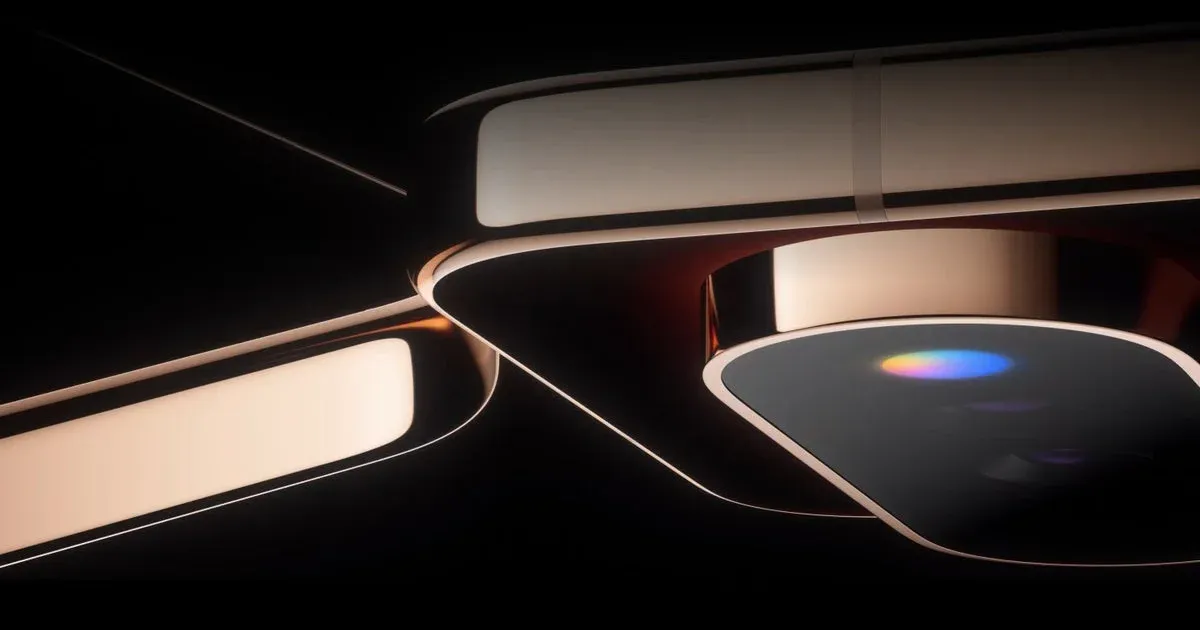
Under the hood, Google is betting that bleeding‑edge hardware and flashy design will make the higher Pixel 11 pricing feel justified. The new Tensor G6 chip is reportedly built on TSMC’s advanced 2nm process, potentially beating even the next iPhone to that node. That promises efficiency wins for on‑device AI, gaming, and battery life—areas where Pixel historically leans on software to stand out. On the outside, official teasers confirm “Pixel Glow,” a customizable RGB LED ring around the camera bar, and leaked images show a small, color‑shifting orb embedded in that bar. These touches aim to make Pixel feel less utilitarian and more like an aspirational object. Yet glamor and a faster chip only matter if they deliver a daily experience that beats similarly priced rivals. Without a clear, user‑facing payoff, the smartphone price increase risks looking like pure margin hunting.
Complicating things further, leaks suggest the Pixel 11 Pro and Pro XL could ship with 12GB and 16GB RAM configurations, likely shaped by a global RAM shortage. That is sensible for future‑proofing, but it also underlines how dependent value is on actual configurations buyers can get at each price tier. Right now, the Pixel 11 narrative is heavy on potential—2nm silicon, glowing hardware, and Gemini‑driven features tied into Google’s wider ecosystem, including a planned Googlebook launch in fall. Until reviews prove that this combination meaningfully outperforms cheaper options, it is hard to argue that higher Google flagship cost is consumer‑friendly.

Why Pixel 10 Looks Like the Smarter Buy—for Now
The most damning part of the Pixel 11 leaks is not the hardware—it is the conclusion many observers reach: the Pixel 10 is still the better value. Last year’s Pixel 10 launched at USD 799 (approx. ₱44,700) for 128GB and USD 899 (approx. ₱50,300) for 256GB, a pricing spread that let buyers choose between lower cost and extra headroom. With Pixel 11 set to start at the higher figure and no 128GB option, Google has “effectively raised the ‘price of admission’ to the Pixel family by USD 100 (approx. ₱5,600).” For many people who lean on cloud storage and want a reliable camera, clean Android, and decent performance, that missing entry tier is the real problem. The base Pixel 11’s spec bump is welcome, but not clearly transformative enough to erase the value gap.
One leak bluntly states that “the Pixel 11 won't be winning awards for best value on launch. Instead, the Pixel 10 will be the phone to buy in 2026.” That assessment reflects a broader pattern: in a market where each generation brings incremental gains, a higher launch price without a proportionate leap in everyday benefits makes the previous model look smarter. With leaks already framing Pixel 10 as the sweet‑spot purchase, Google risks its brand‑new flagship being overshadowed by last year’s phone the moment it goes on sale. If Google wants people to embrace Pixel 11, it must prove that the combination of Tensor G6, Pixel Glow, and updated connectivity makes life meaningfully better than what they can get for less.

The Bottom Line: Pay Up or Stick With Last Year’s Pixel
Pixel 11 pricing is more than a spreadsheet of numbers; it is a statement of intent. Google is steering Pixel out of the value‑flagship lane and into full premium territory, with a smartphone price increase built not on overt 256GB price hikes but on the quiet removal of the 128GB safety net. For buyers, the decision is blunt. If you want Google’s latest design, 2nm Tensor G6, Pixel Glow, and whatever Gemini‑powered tricks arrive at launch, you will pay at least what last year’s 256GB model cost—and likely more if you step into Pro territory. If you care more about balanced value than bleeding‑edge features, the leaks suggest that the Pixel 10 remains the sensible choice and may stay that way for a while. Google may win on prestige, but unless it proves the premium experience is worth the premium cash, your wallet is better served one generation behind.