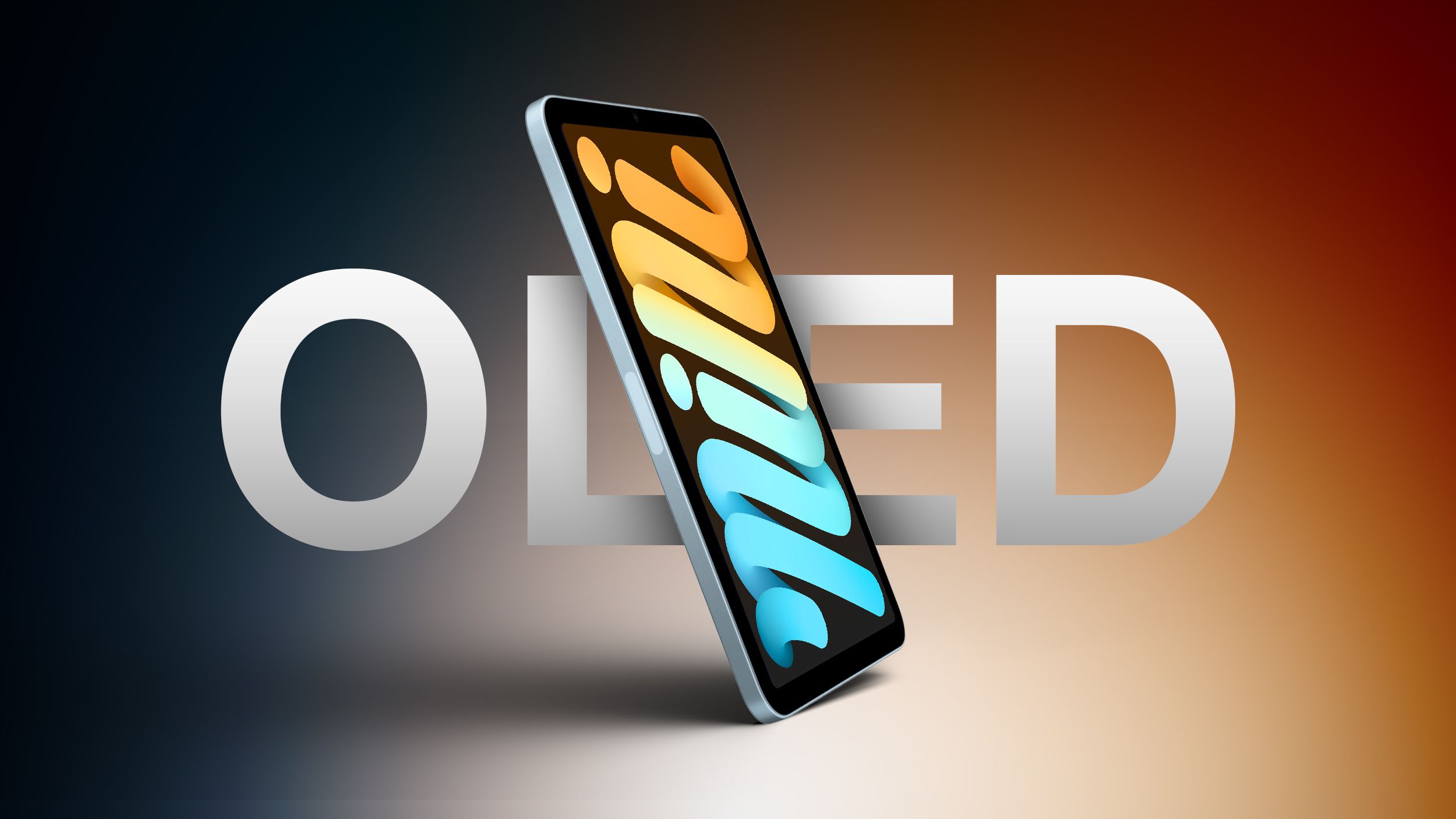

A sharper iPad mini, with an intentional ceiling
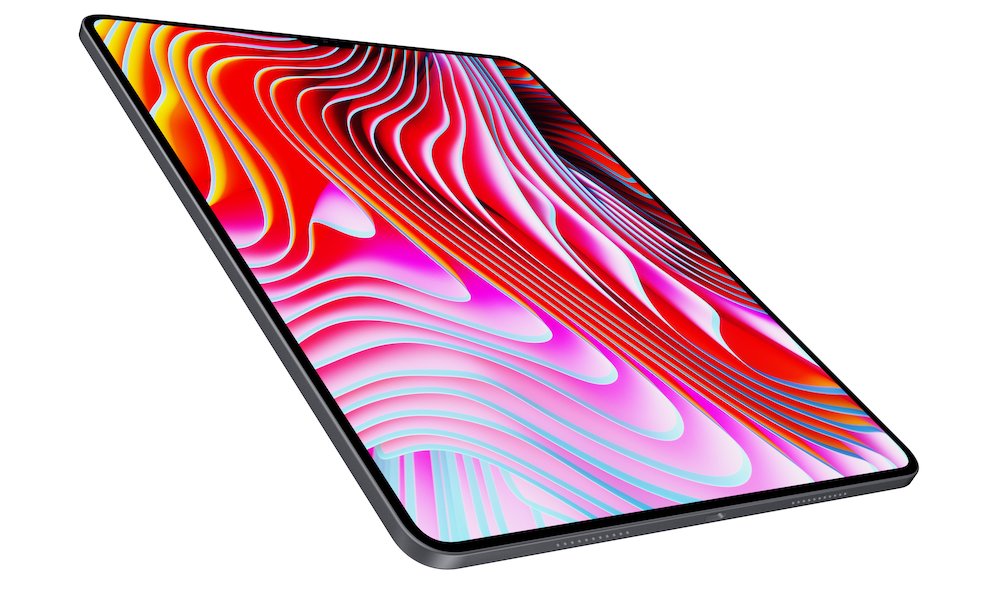
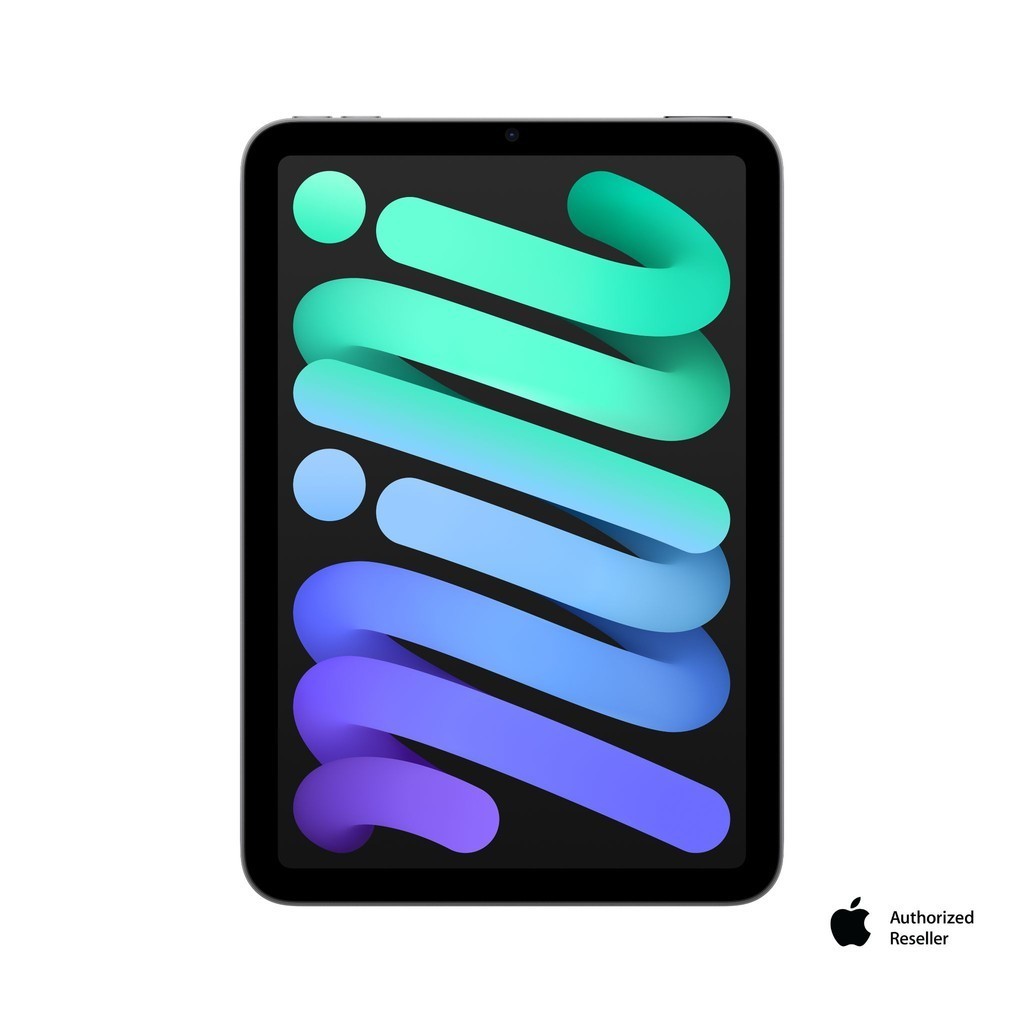
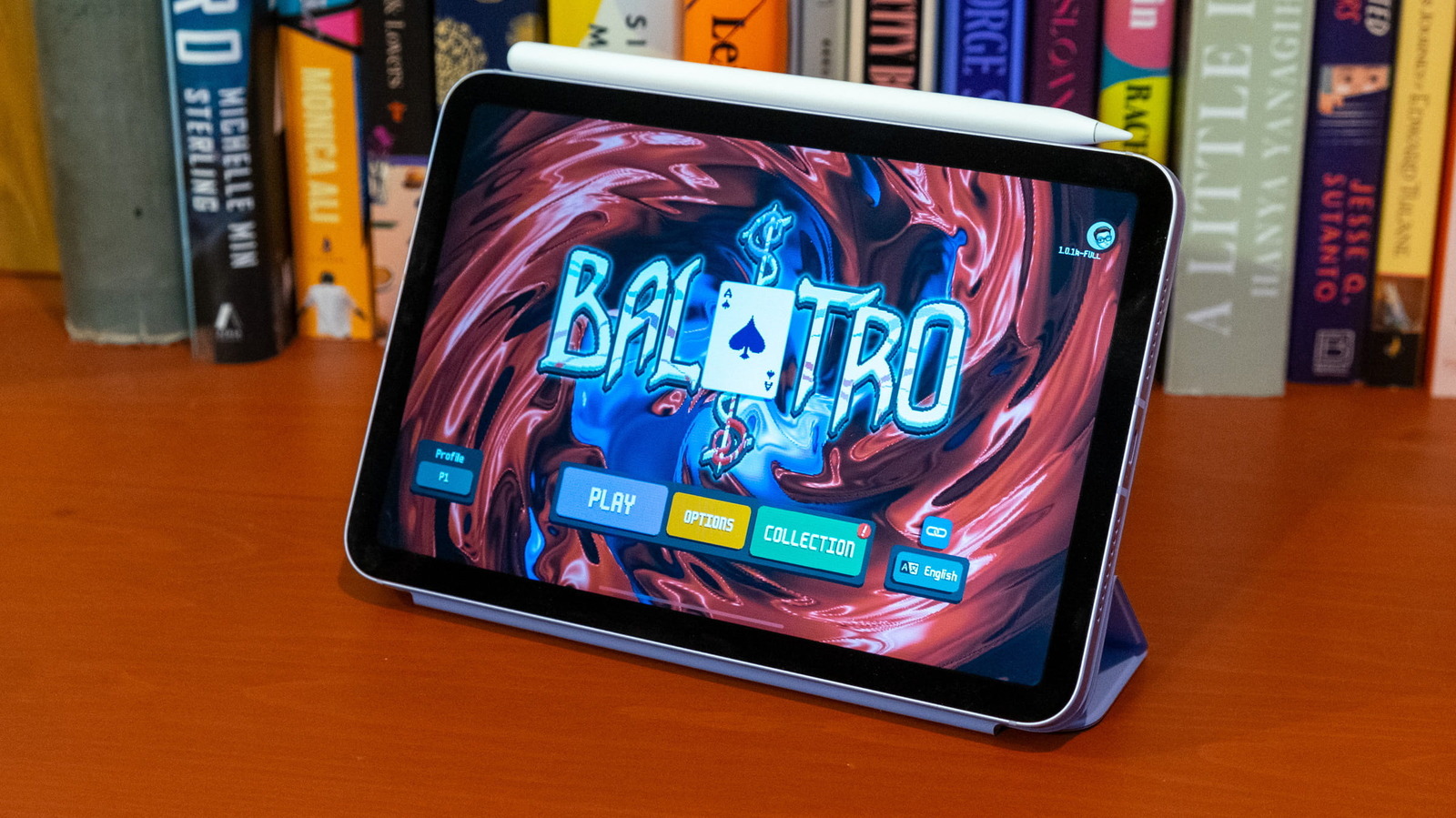
The iPad mini OLED display is a rumored upgrade that replaces the current LCD panel with an 8.4-inch OLED screen while remaining limited to a fixed 60Hz refresh rate, highlighting Apple’s deliberate choice to keep its smallest tablet below the high-end iPad Pro line in smoothness and perceived performance. According to a supply-chain leak, the upcoming iPad mini uses a low-temperature polycrystalline silicon (LTPS) hybrid OLED panel running at 60Hz, with mass production said to be underway at Samsung Display’s A2 line. If accurate, this means no ProMotion feature and no 120Hz scrolling on a product many users hoped would finally feel as fluid as Apple’s top tablets. It is a classic Apple move: give the mini a clear visual upgrade while stopping short of anything that might blur the line with the iPad Pro.
Why Apple is capping the iPad mini at 60Hz
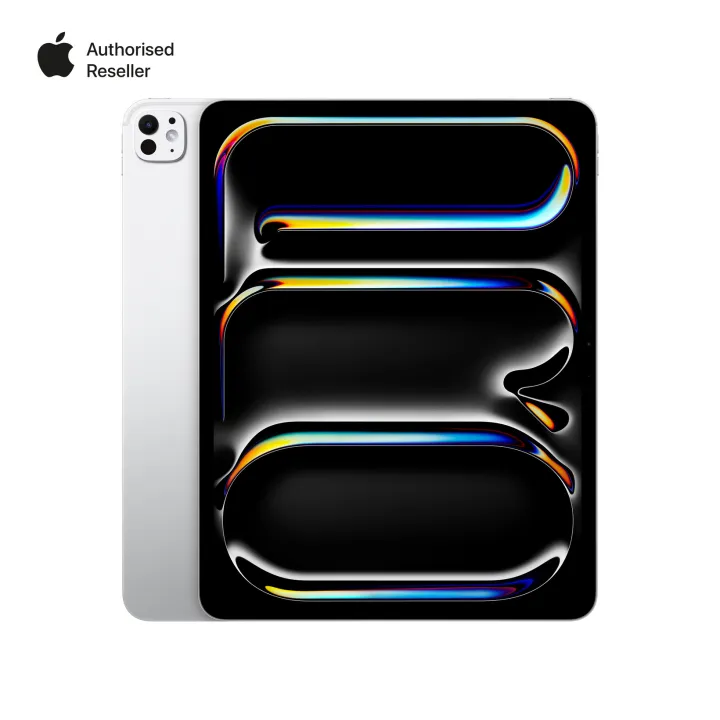
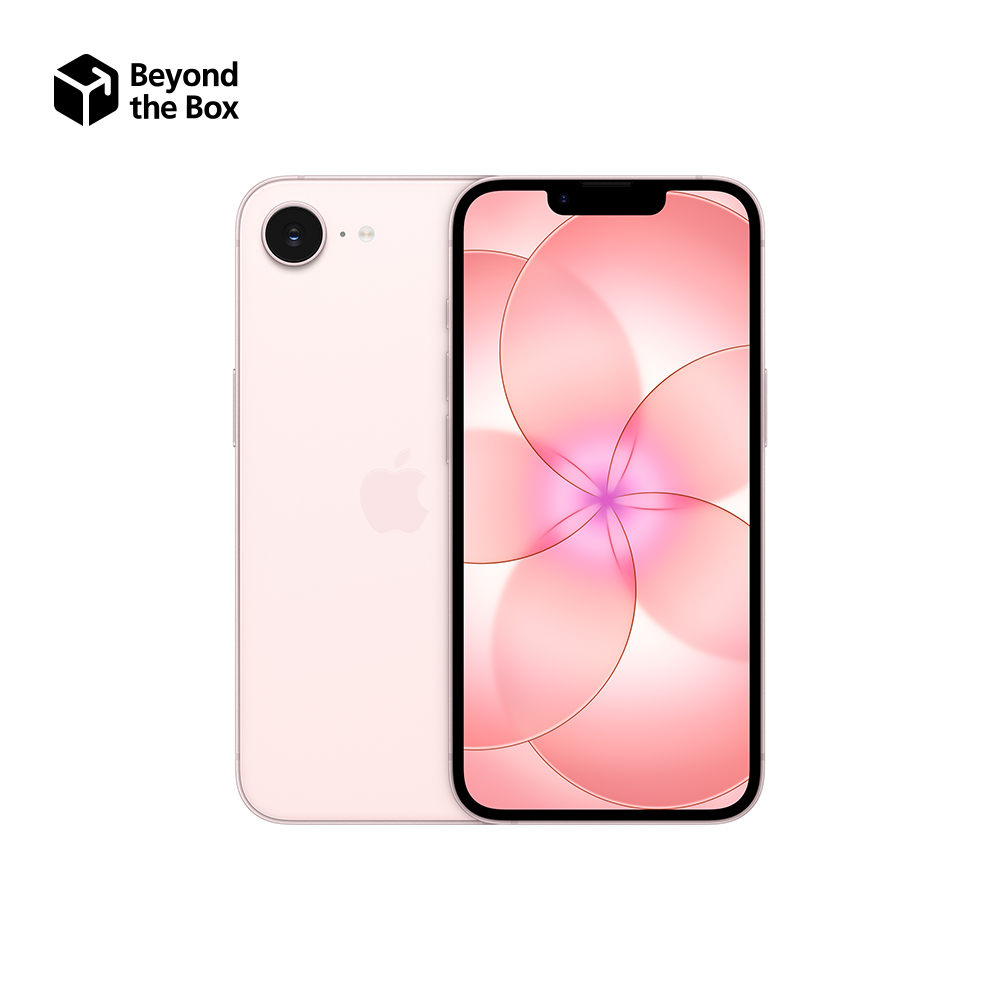
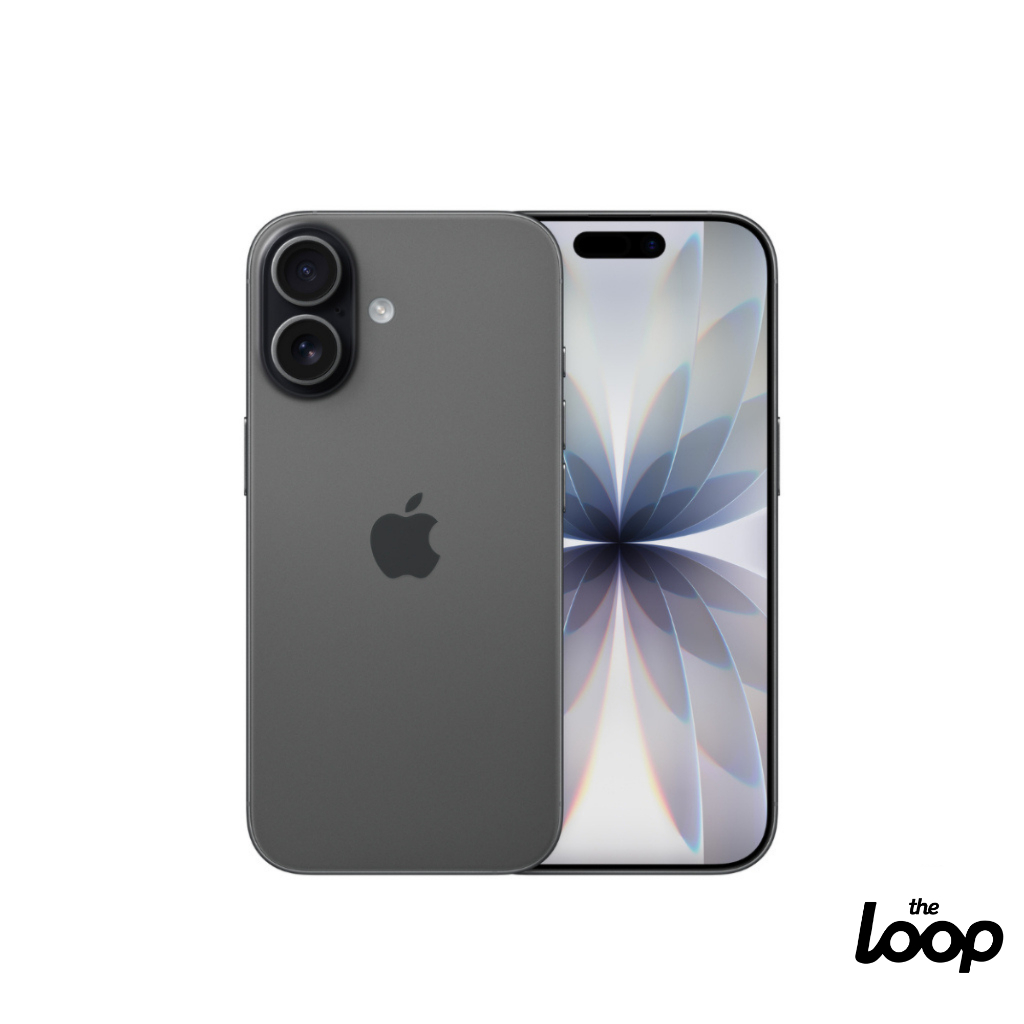
At first glance, a 60Hz refresh rate limitation on an OLED iPad mini looks like a missed opportunity. In practice, it fits neatly into Apple’s broader tablet and phone playbook. The iPad Pro line uses two-stack LTPO OLED panels that can vary from 10Hz to 120Hz, enabling the ProMotion feature and making those devices the obvious choice for buyers chasing smoothness. Meanwhile, reports suggest the mini and Air are aligned around single-layer LTPS OLED, the same family of tech that powered standard iPhones at fixed 60Hz for years. Apple has even kept a 60Hz OLED in the iPhone 17e while letting the base iPhone 17 step up to 120Hz, signaling that high refresh is still a deliberate upsell, not a default. In other words, the iPad mini’s ceiling is strategic, not technical.
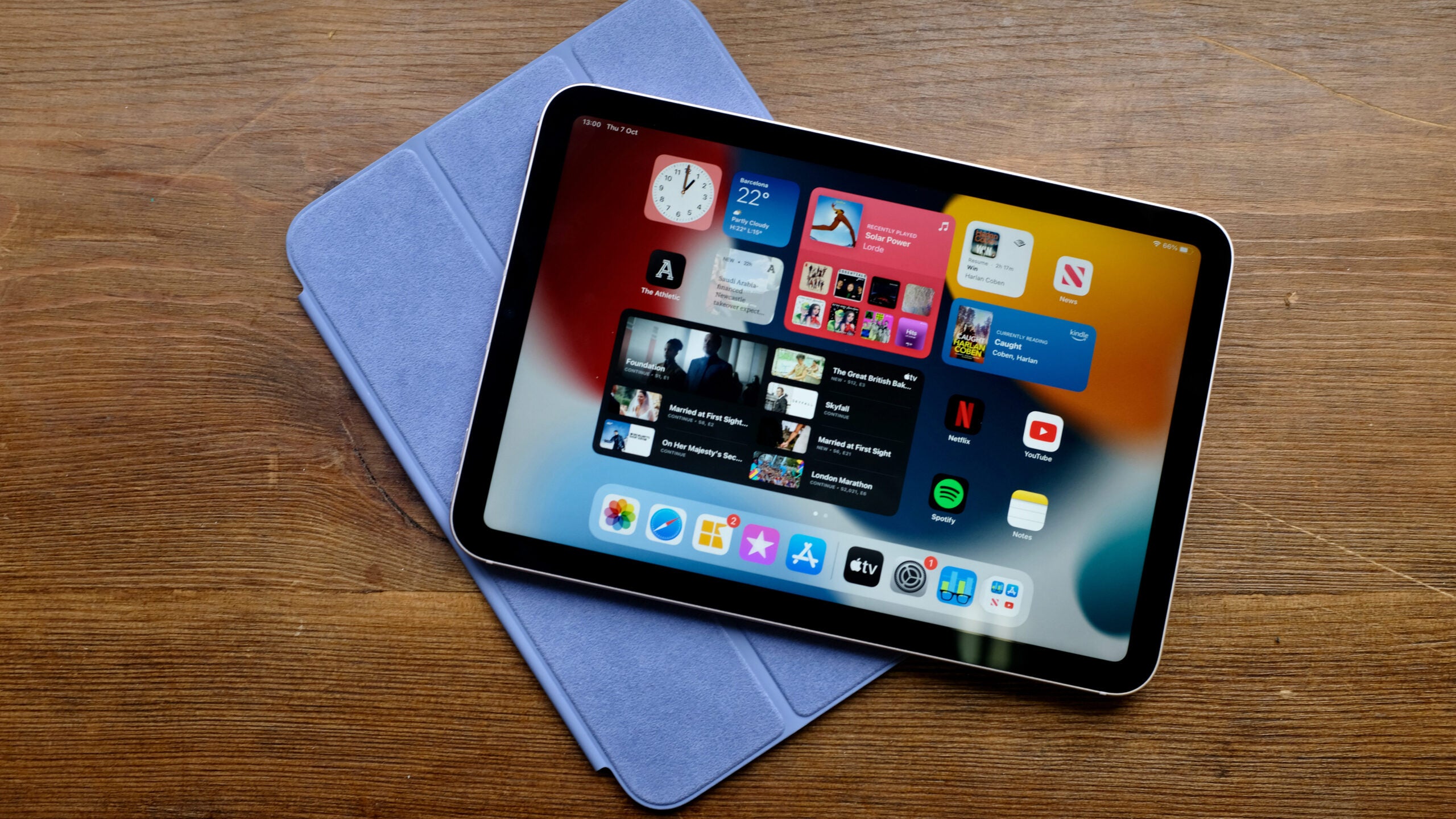
What 60Hz OLED means for everyday users
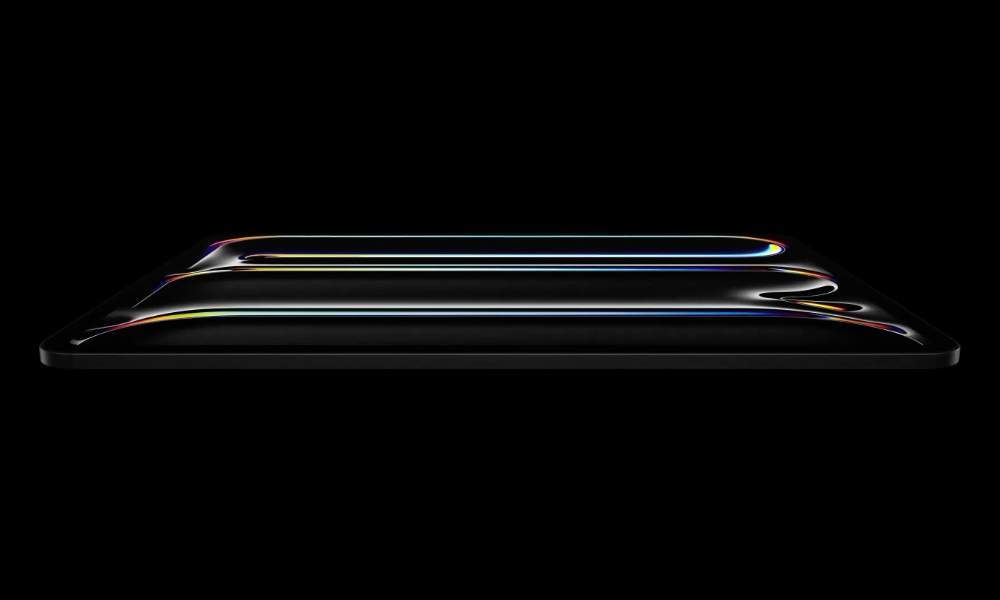
For most people, the iPad mini OLED display will feel like a meaningful upgrade even with the 60Hz refresh rate limitation. OLED brings deeper blacks, higher contrast, punchier colors, and better power efficiency than the LCD panel in the current iPad mini 7. Text will look cleaner, movies will pop, and battery life should benefit in mixed use. This is the kind of improvement that’s obvious when you watch a dark scene or read at night, not when you stare at spec sheets. That said, Apple is walking a narrow line. As one might fairly summarize from current reporting, "it could make the OLED iPad mini feel less of an upgrade than some had anticipated" for users who assumed ProMotion was finally coming along for the ride.
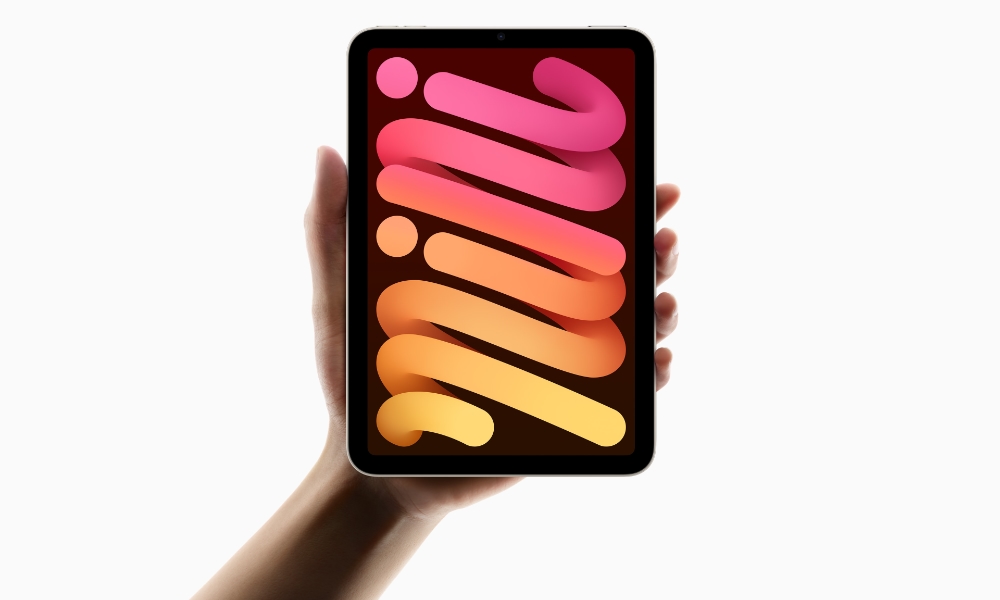
Where this leaves power users and Apple’s tablet roadmap
If the leak holds, iPad mini fans who care about screen smoothness will face a choice: accept the ProMotion feature missing on the mini, or move up the line. Apple appears unconvinced that the iPad mini’s market is large enough to justify LTPO panels and variable refresh on a small display, keeping those perks for the iPad Pro and pushing the mini into a clearly mid-tier role. That fits with reports that only the Pro range will keep advanced LTPO OLED for now, while any future OLED iPad Air remains on a slower timetable. There’s no firm launch date, but a late 2026 release window is widely expected, following reports that mass production of the iPad mini 8 is already underway at a Samsung factory. In short, the mini is finally getting modern visuals, but Apple still wants you to pay more if you want the full Pro display experience.
Conclusion: a better screen, and a reminder
The OLED iPad mini is shaping up as a textbook Apple compromise: a real upgrade framed by a deliberate constraint. The move to an 8.4-inch OLED panel should improve color, contrast, and efficiency, but the 60Hz cap makes clear that the smoothest experience remains reserved for higher-priced devices. For casual readers, video watchers, and note-takers, this is likely enough. For power users who care about drawing latency, ultra-fluid scrolling, or having one device that feels as responsive as an iPad Pro, it is a reminder that Apple still treats smoothness as a premium feature. Until Apple decides ProMotion belongs everywhere, the mini will stay in its lane: compact, capable, better-looking than before, but never quite allowed to feel Pro.