
On-demand manufacturing: from slow logistics to days-long lead times
On-demand manufacturing is a production model in which companies use digital, often 3D printing–driven services to fabricate parts only when needed, near the point of use, enabling rapid prototyping production, small-batch output, and localized inventory that can cut traditional supply chain lead times from weeks or months down to days. This shift matters because complex sectors like drones, aerospace, and marine defense have outgrown supply chains built around large, centralized factories and slow procurement cycles. They need hardware that moves at the speed of software updates. The key takeaway is blunt: organizations that treat 3D printing supply chain tools as core infrastructure, rather than as a side-stage for prototypes, will ship products faster, carry less inventory risk, and be far more resilient when demand spikes or equipment breaks in the field.
Drones show why speed forces a rethink of production
The drone sector is the clearest proof that slow manufacturing is becoming a competitive liability. As commercial and defense drone programs expand, manufacturers face pressure to shorten development cycles without sacrificing quality. Digital manufacturing company Protolabs says it is answering that pressure by expanding rapid manufacturing capabilities for drone developers, adding new CNC machining options and increasing production capacity for advanced 3D printing. This is not cosmetic growth: revenue from drone customers has risen by more than 90% since 2023, a compound annual growth rate near 40%. According to Protolabs, it can now deliver flight-ready parts in days instead of weeks, a timeline that matches how drone developers “innovate at the speed of software”. The message is clear for hardware teams everywhere: if your supply chain cannot keep up with your code, your product roadmap is already obsolete.
From prototyping to production: CNC and additive as a continuous pipeline
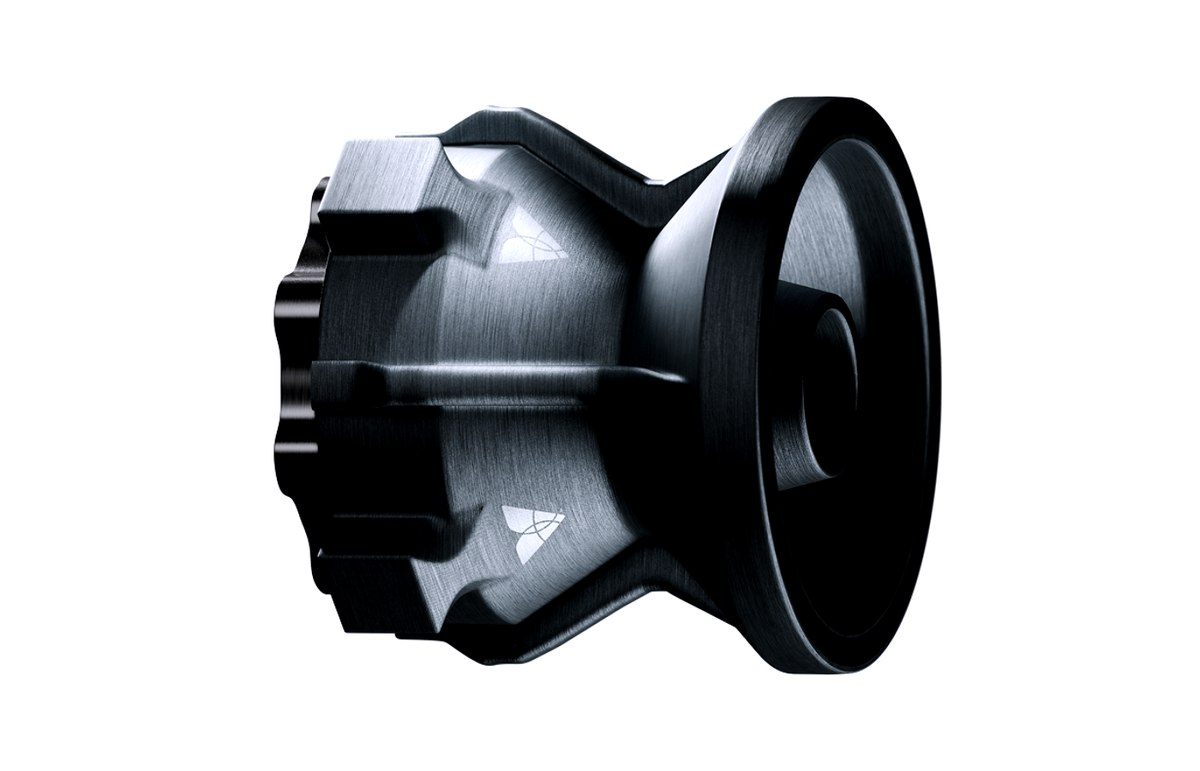
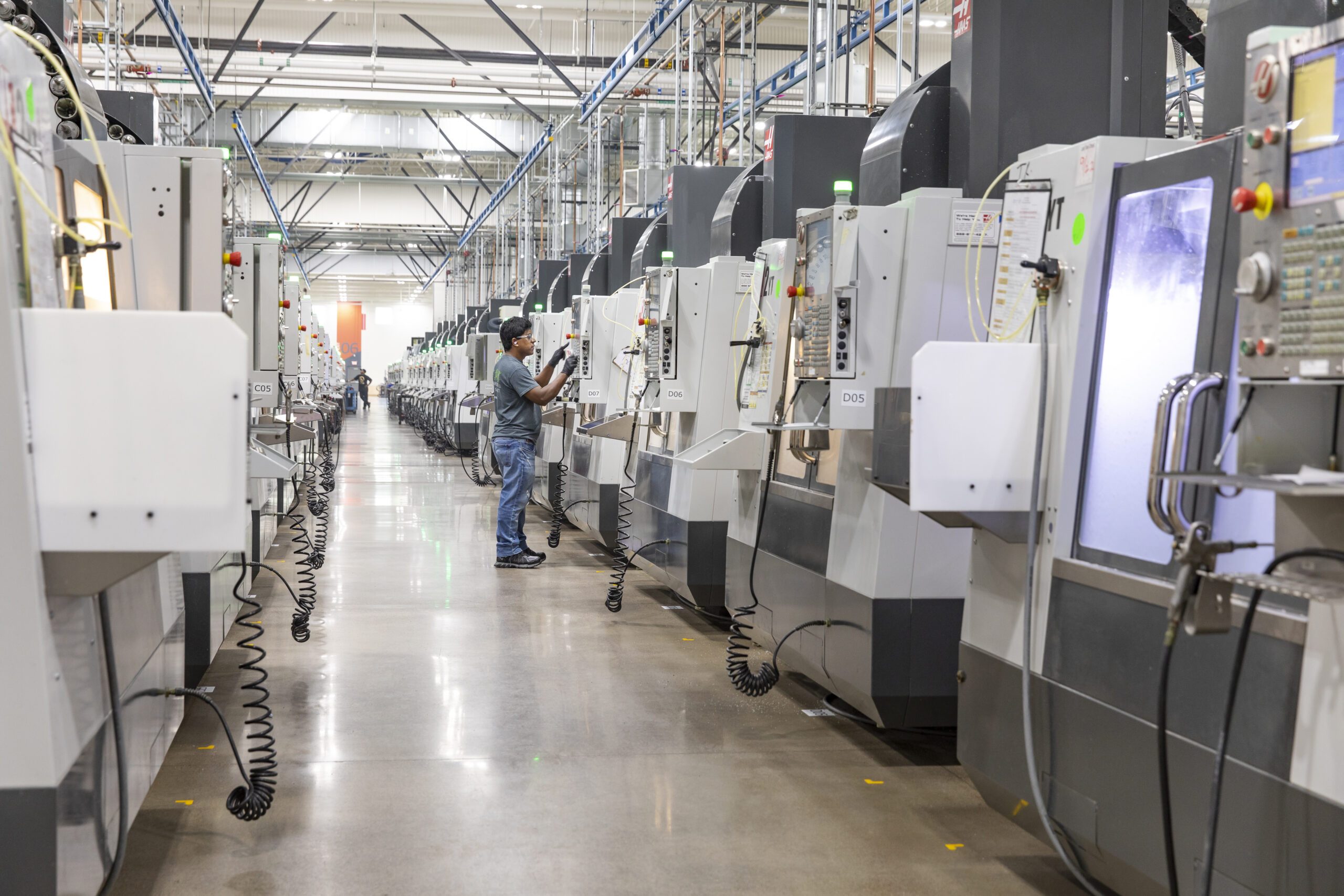
The most important shift in on-demand manufacturing is that rapid prototyping production is no longer a separate phase; it is the front end of a continuous pipeline into end-use parts. Protolabs has expanded quick-turn CNC machining services to produce metal and plastic components with tighter tolerances, higher precision, and a broader range of finishes, delivered within days to shorten engineering schedules. At the same time, its Multi Jet Fusion 3D printing capacity has grown via a partnership with HP Additive, allowing thin-walled yet strong drone components such as customized ducts, housings, brackets, and snap-fit enclosures built from durable Nylon PA-12 for harsh environments. Rather than investing in dedicated lines early, drone developers can use these on-demand manufacturing services to iterate, test, and then scale as demand grows. That is not a convenience; it is a structural change in how complex hardware gets designed and built.
Voltage Vessels and the rise of distributed manufacturing at the point of need
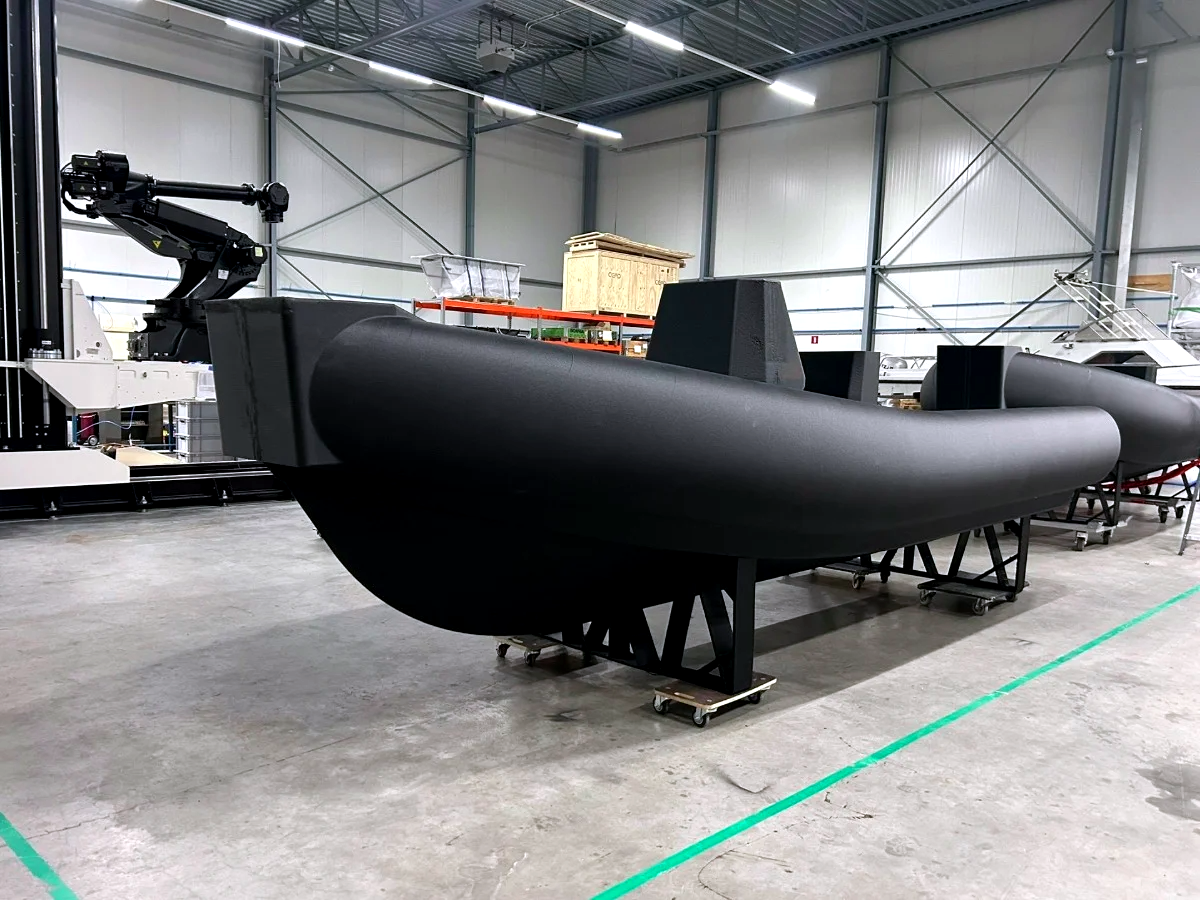
Marine defense shows the same pattern, but with even higher stakes. In that sector, supply chains with weeks- or months-long lead times create serious vulnerabilities when forward-deployed forces must replace damaged parts, systems, or vehicles. Voltage Vessels has set out to fix this by developing a distributed manufacturing approach for rigid hull inflatable boats, or RHIBs. Using composite material reinforced with basalt fiber and additive manufacturing, the company can produce a six-metre RHIB hull and deliver it on-demand at the point of need. This approach directly attacks the logistics problem: instead of waiting for a hull to move through a slow, centralized supply chain, units can rely on localized production. That cuts transport costs, trims inventory bottlenecks, and turns 3D printing supply chain nodes into tactical assets, not back-office curiosities.
Why localized, on-demand production is becoming the default
Taken together, drones and RHIBs show where complex manufacturing is headed. On-demand manufacturing services now cover certified machining and additive operations for high-requirement applications, and distributed manufacturing approaches are proving they can deliver large, mission-critical parts like a 6-metre hull on demand. The old assumption—that quality hardware requires long lead times and centralized factories—is being dismantled in real programs. For engineering teams, clinging to traditional supply chains is less about caution and more about missed opportunity. Localized production reduces logistics costs, removes the need to stockpile complex assemblies, and makes hardware development cycles as agile as software releases. The conclusion is straightforward: in aerospace, marine, drones, and beyond, organizations that invest now in distributed, on-demand manufacturing networks will define the next generation of fast-moving, resilient supply chains, while everyone else waits on backorders.