
OLED iPad Mini: A Big Redesign in a Small Package
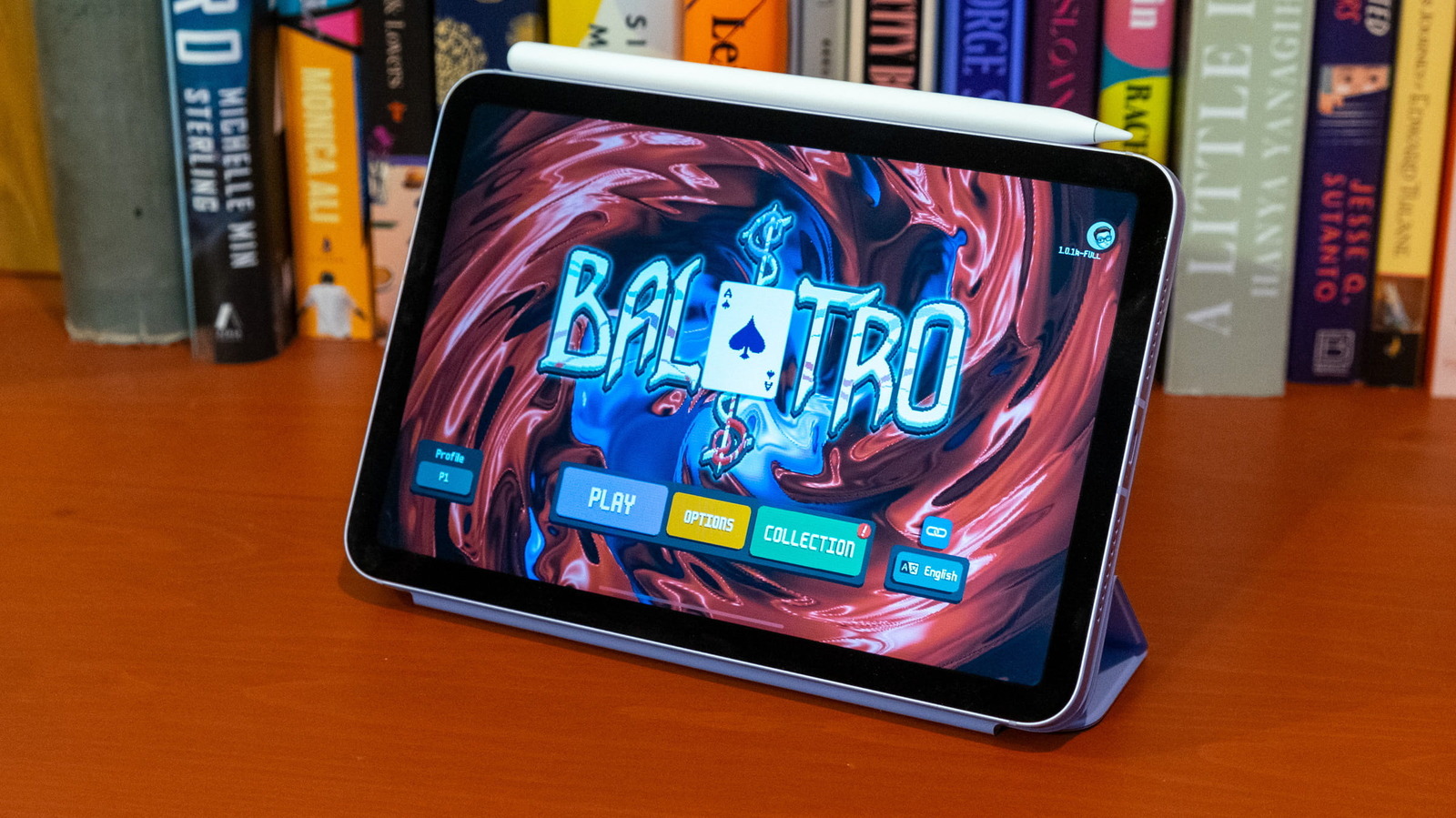
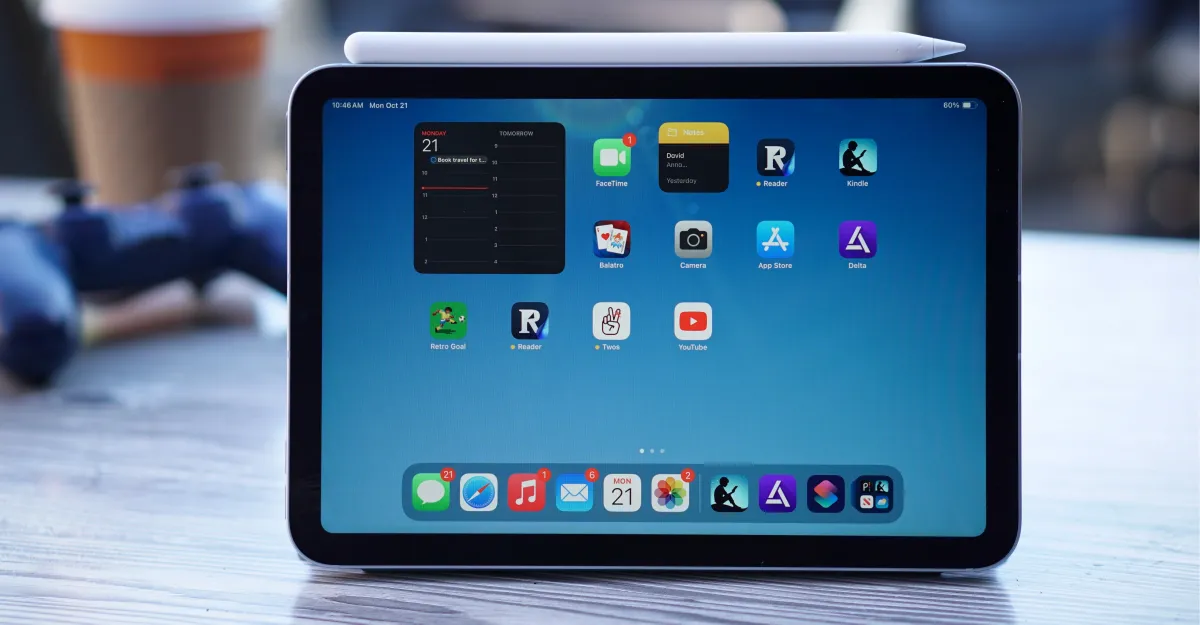
The OLED iPad Mini is a compact Apple tablet redesign that combines a new 8.4-inch OLED display, added durability features, and higher prices, reshaping the value proposition for students, professionals, and creative users who want portable productivity without moving to a full-size tablet. Apple plans to swap the current 8.3-inch LCD for an 8.4-inch OLED panel when the new iPad Mini arrives by October, described as the biggest redesign for this form factor in five years. At the same time, the iPad Mini’s starting price has already climbed to USD 599 (approx. ₱33,500), up USD 100 (approx. ₱5,600) in the latest round of Apple iPad pricing changes. With the OLED iPad Mini price expected to rise further, this update is not a simple spec bump—it is a strategic repositioning of the smallest iPad.
Why the OLED Screen Costs More—and Who Benefits
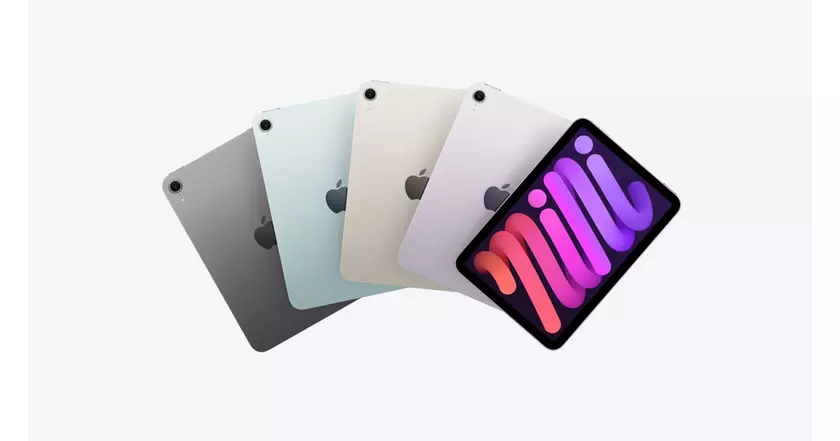
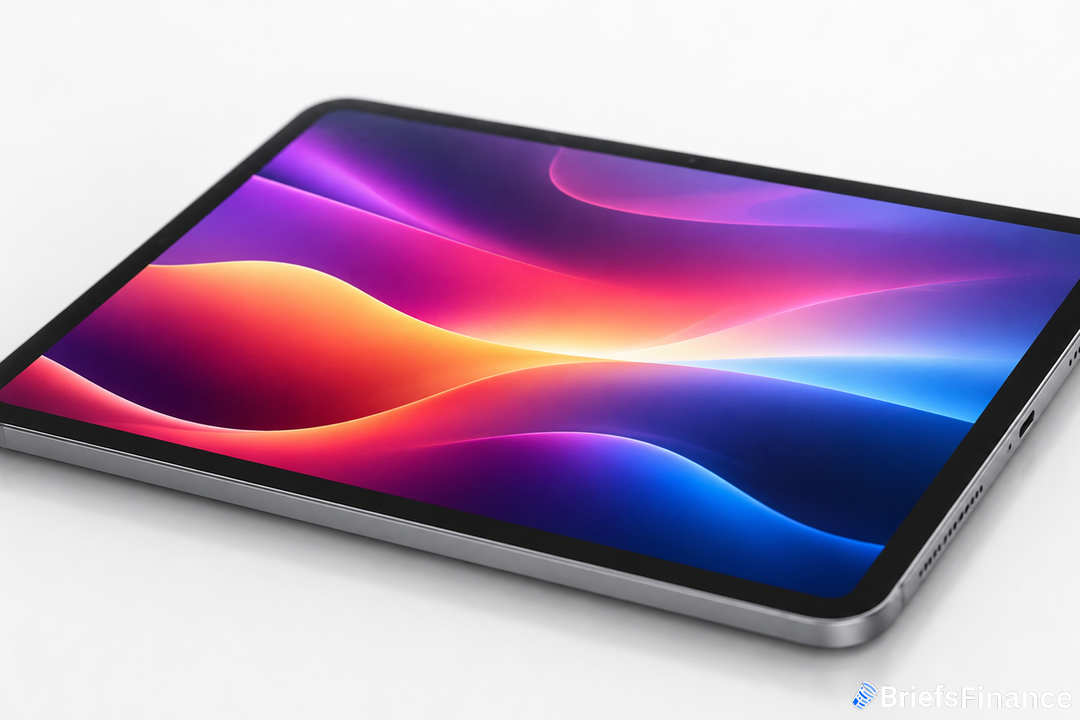
The core of the iPad Mini 2026 upgrade is tablet display technology: shifting from a basic LCD to OLED, a move that significantly improves image quality but adds component cost. OLED delivers richer colors, deeper blacks, and visibly better contrast than standard LCDs, and the visual difference is “immediately noticeable” in side‑by‑side use. For designers, illustrators, and video editors who rely on accurate color and fine detail, this can make the small screen far more usable for real work rather than just casual media consumption. The catch is that Apple is keeping the refresh rate at 60Hz, limiting motion smoothness and intentionally avoiding ProMotion so the Mini does not overlap too much with the iPad Pro line. In other words, you are paying for superior image fidelity, not a fully high‑end panel. That trade‑off will appeal more to people who care about color accuracy than to gamers or heavy multitaskers.
The Real Reason Prices Are Rising: Memory and Positioning
The jump in the iPad Mini OLED price is not only about fancier glass. Apple raised prices across its iPad lineup by USD 50–200 (approx. ₱2,800–₱11,200) per model due to a severe memory component shortage, pushing the current Mini to USD 599 (approx. ₱33,500). That shortage in high‑density DRAM and NAND flash—critical for tablets—started after factory disruptions and capacity cuts, forcing manufacturers to raise prices or delay shipments. On top of those increases, the OLED Mini is expected to land in the USD 599–699 (approx. ₱33,500–₱39,000) range, a bracket that makes it a harder sell for budget‑conscious buyers and narrows the gap with mid‑range models like the iPad Air. In the UK, for example, the new Mini is likely to sit above £599, approaching the iPad Air at £749. This price trajectory shows Apple is pushing the iPad Mini into a premium mid‑range slot, not entry‑level territory.
Compact Productivity vs. Budget Pain
For many users, the question is simple: does the iPad Mini 2026 upgrade earn its higher price? Compact tablet fans—students, professionals, and frequent travelers—get a lot of practical value. The slightly larger 8.4‑inch OLED screen improves readability and creative work without sacrificing portability, while new water resistance is a meaningful upgrade for a device often tossed into bags without a case. Better speakers also help the Mini stand in for a laptop during calls or streaming sessions. But the rising Apple iPad pricing means that budget buyers are squeezed: the Mini now overlaps more with larger models and loses its role as the obvious “small but affordable” option. If you mostly browse, read, and stream, the premium display may feel like an expensive luxury; if you sketch, edit, or mark up documents all day, the OLED upgrade starts looking like a smart investment rather than a splurge.
How the OLED Mini Fits into Apple’s Wider Tablet Strategy
The timing of the iPad Mini 2026 upgrade is not accidental. The OLED Mini arrives alongside Apple’s fall event with an iPhone 18 Pro lineup and a first foldable iPhone that could exceed USD 2,000 (approx. ₱112,000), reflecting a broader push toward higher‑margin devices. Nearly every iPad model is due for a refresh: a base iPad update is planned for early 2027, with new iPad Air and iPad Pro models following in spring. OLED is coming to the iPad Air in that window, while the entry‑level iPad is expected to keep its more basic screen. In this context, the OLED iPad Mini is a bridge product—positioned above the base iPad, below the Pro, and squarely in mid‑range territory for people who value portability and premium tablet display technology. If your budget can stretch, this compact OLED tablet is now the clearest expression of Apple’s strategy: smaller does not mean cheaper anymore; it means premium in a different shape.