
An Open Hardware Contest That Treats Makers as Co‑Designers
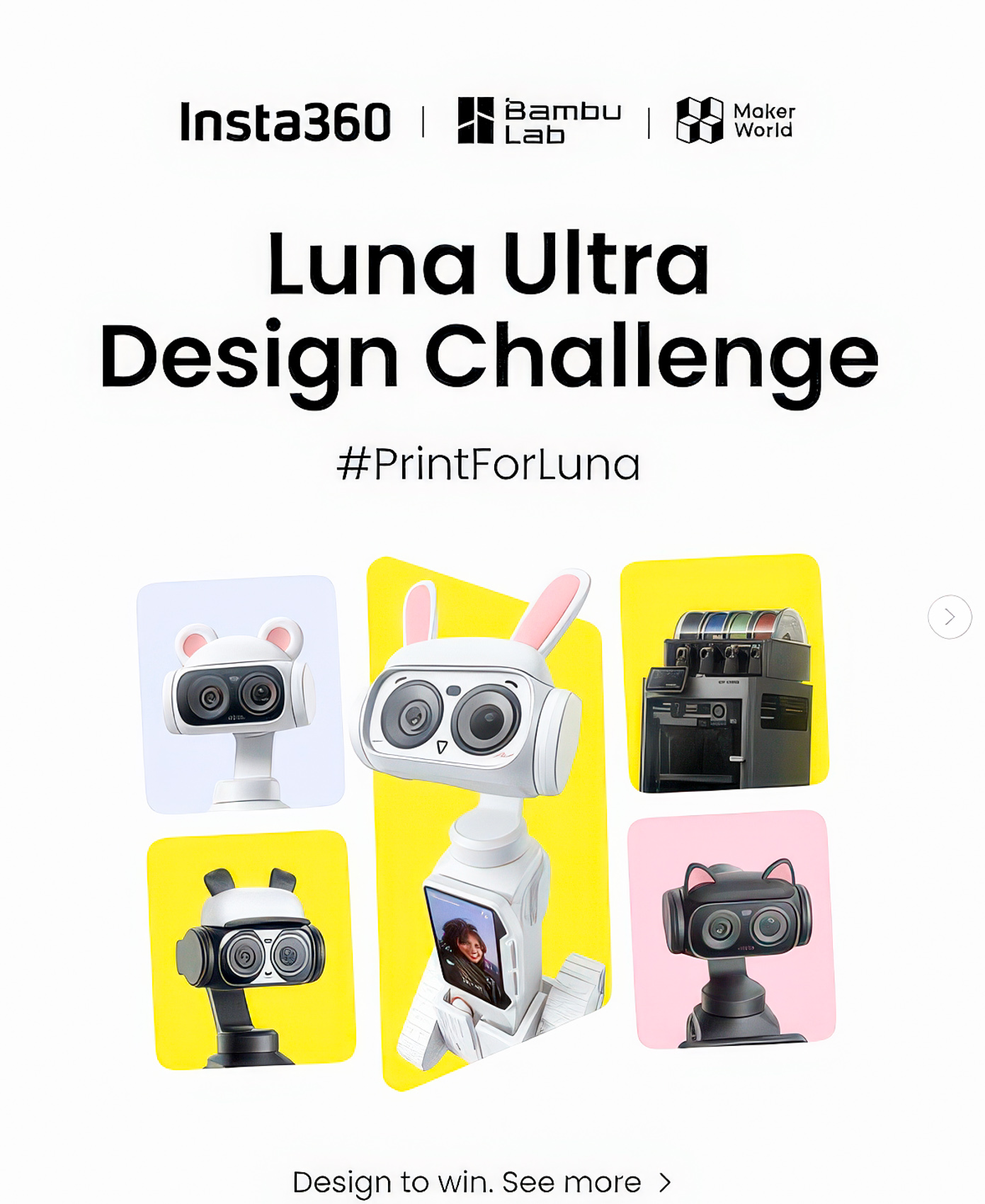
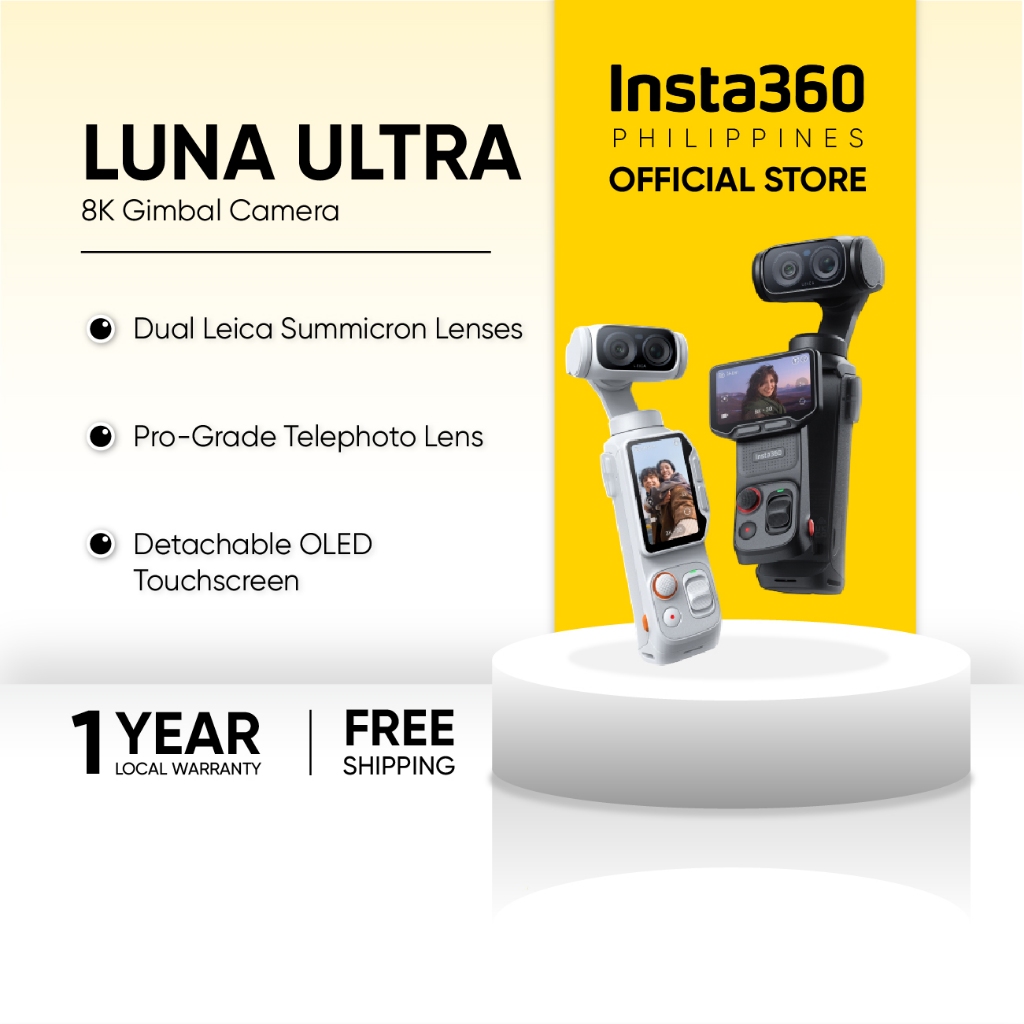
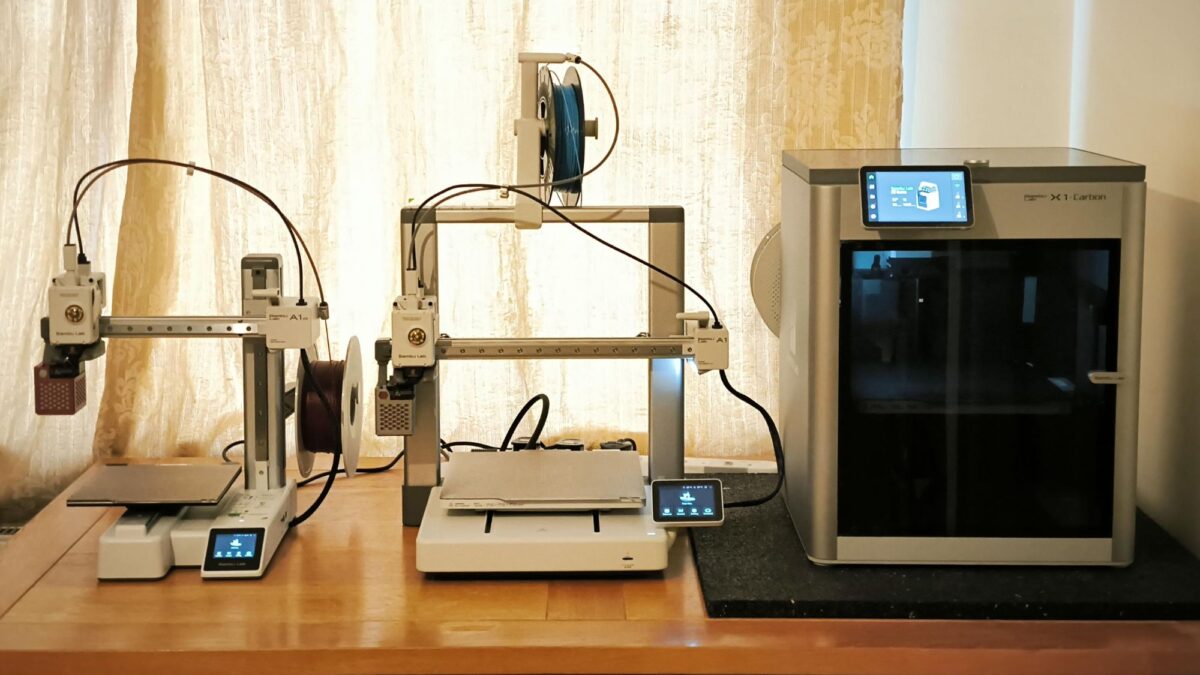
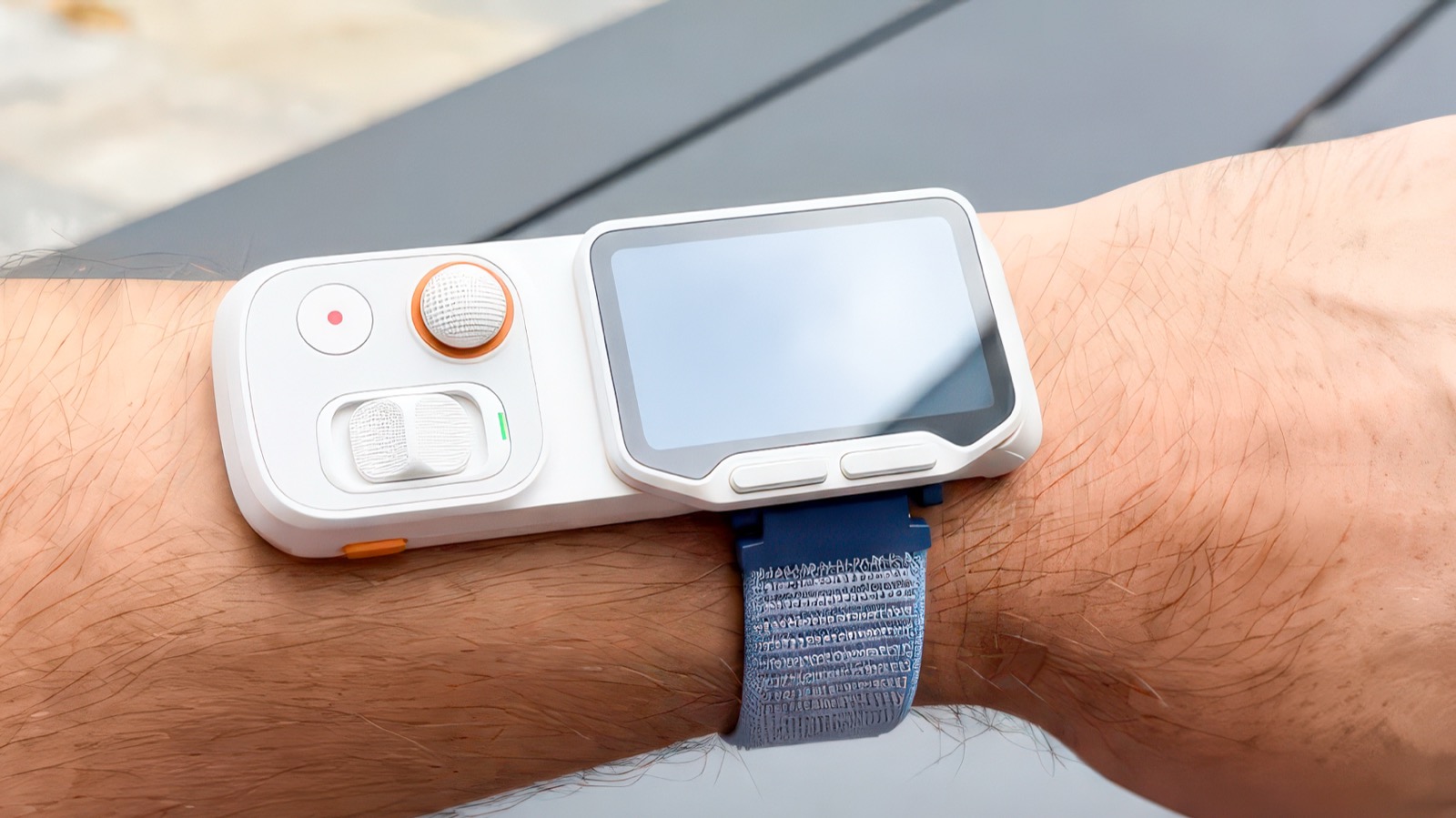
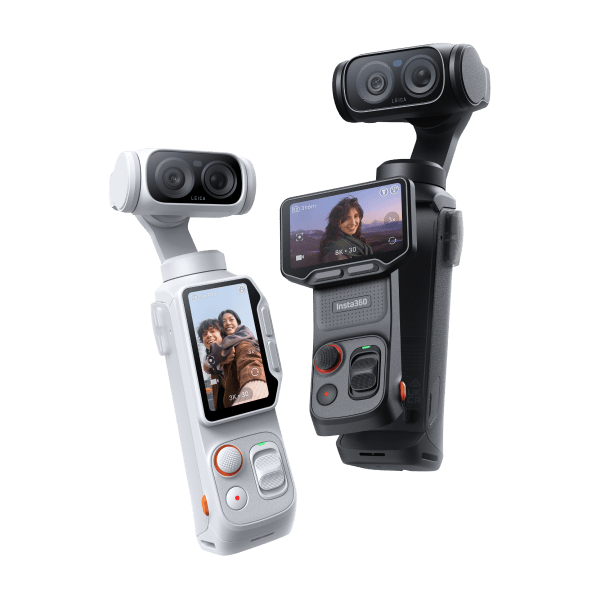
The Luna Ultra Design Challenge is a 3D printing design challenge where Insta360 and Bambu Lab invite the global maker community to use official CAD files of the Luna Ultra camera to design, 3D print, and share original accessories, mods, and creative concepts for prizes worth over USD 11,000 (approx. ₱616,000), turning customers into active collaborators in the product ecosystem. This isn’t a neutral marketing stunt; it is a deliberate experiment in open-hardware collaboration. Insta360 has released precise 3MF and STL geometry for its flagship dual-lens 8K gimbal camera, then paired that openness with a serious reward pool of USD 11,160 (approx. ₱620,000) spread across 40 awards hosted on Bambu Lab’s MakerWorld platform. In doing so, the company is betting that Luna Ultra accessories designed by the community will grow the ecosystem faster than any closed, in-house accessory line.
Inside the Maker Community Competition and Its Prize Structure
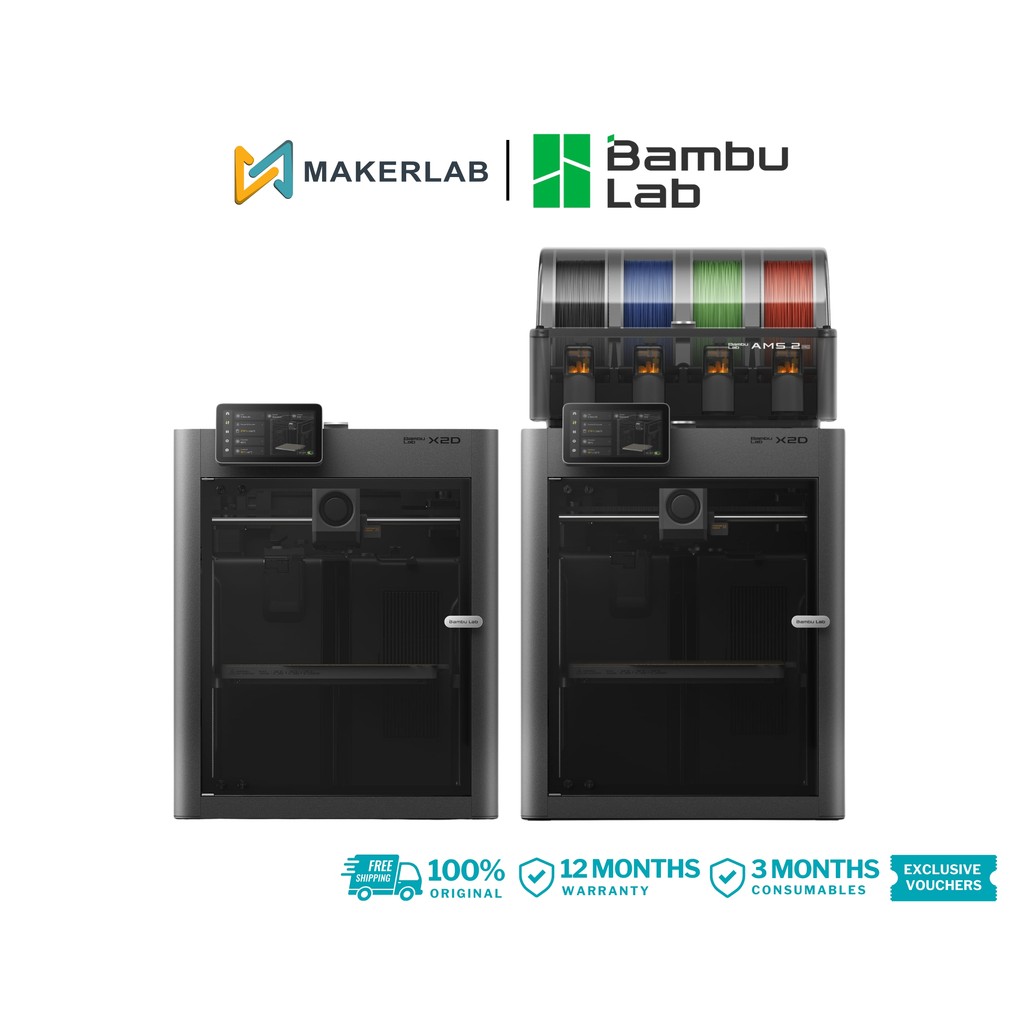
The Luna Ultra Design Challenge is structured as a maker community competition with real upside, not a token giveaway. Submissions are open from July 10 to August 9, with winners announced on August 20, and prize announcements dripping out throughout the month to keep momentum high. On the hardware side, top entrants in the 3D printing design challenge take home Luna Ultra camera bundles and Bambu Lab X2D or A2L printer combos, with the total prize pool hitting USD 11,160 (approx. ₱620,000) across 40 awards. One quotable line captures the stakes: “The company partnered with Bambu Lab on a design challenge hosted on MakerWorld, with a prize pool of $11,160 spread across 40 awards.” Beyond cash-equivalent rewards, the Mystery Grand Prize may turn a concept into an official product, a path from hobbyist experimentation to long-term collaboration attached to a USD 769.99 (approx. ₱42,600) camera that launched worldwide on June 10.
How Public CAD Files Turn Luna Ultra Into a Platform
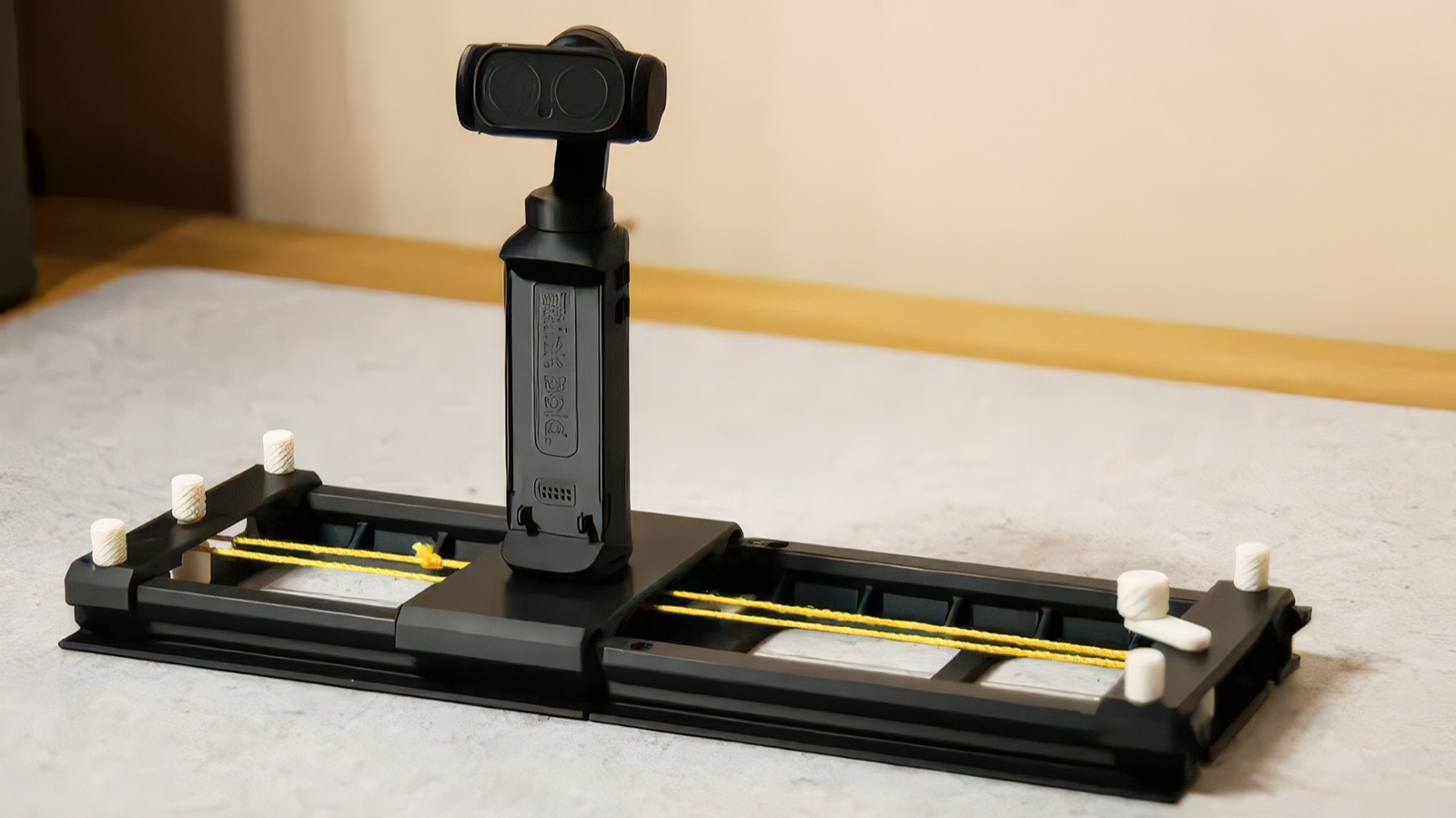
The bold move here is not the money; it is the decision to publish official design files and invite the crowd in. Insta360 has released 3MF and STL files for the Luna Ultra, so makers can design Luna Ultra accessories that fit the camera precisely instead of reverse-engineering dimensions by hand. This transforms the Luna Ultra from a sealed gadget into an open hardware contest, a platform others can build on. According to one report, “No major camera manufacturer has opened its product geometry to the public this way, and the precedent matters more than the contest.” Makers can now design and 3D print custom mods, protective gear, mounting hardware, and entirely new functional accessories, then publish them directly on MakerWorld for others to download, print, and remix. The Bambu Lab partnership matters because it supplies both the manufacturing platform and the distribution channel, closing the loop between CAD file, printed object, and community adoption.
Two Tracks: Builders, Dreamers, and the Real Value of Whimsy
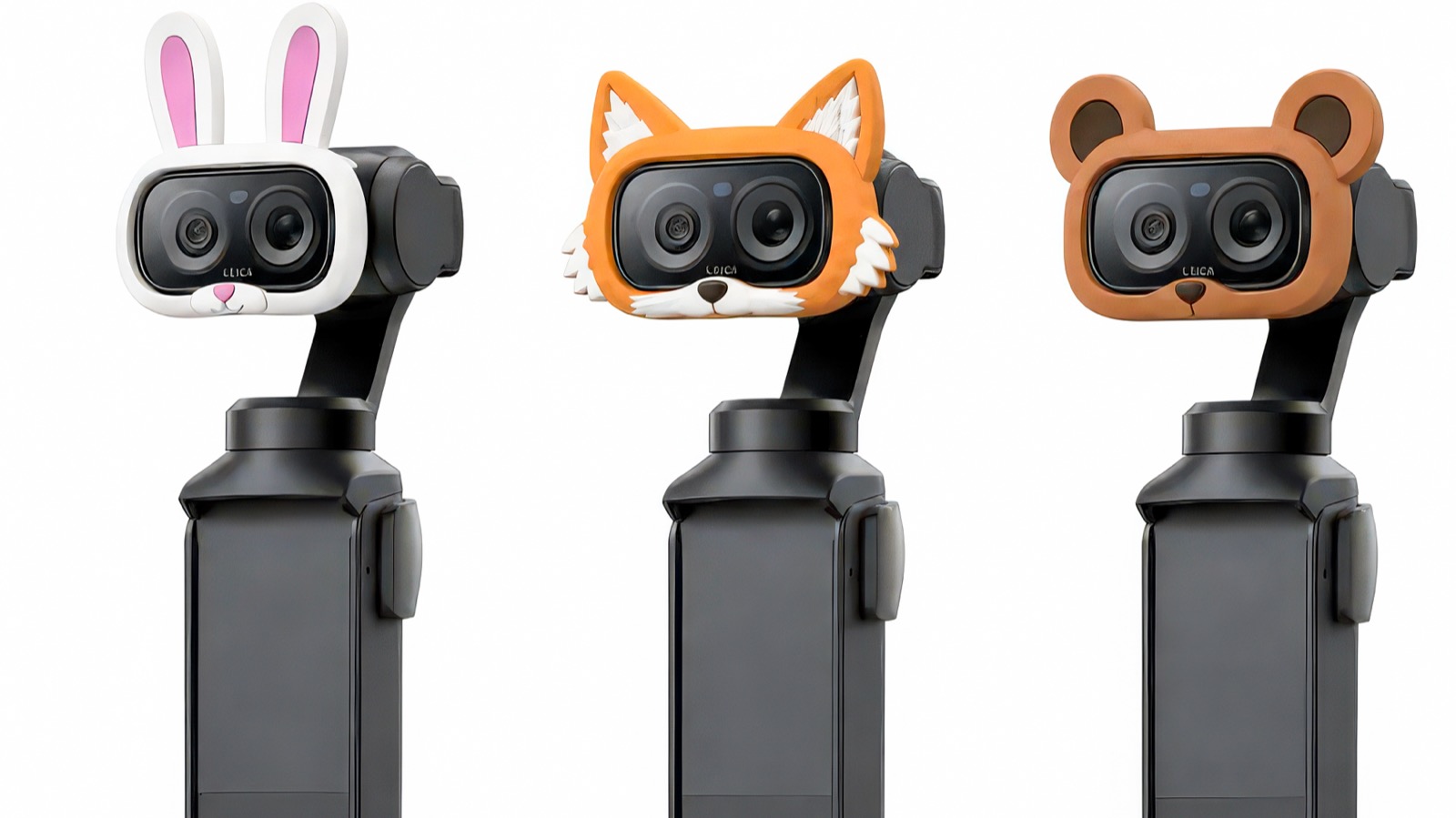
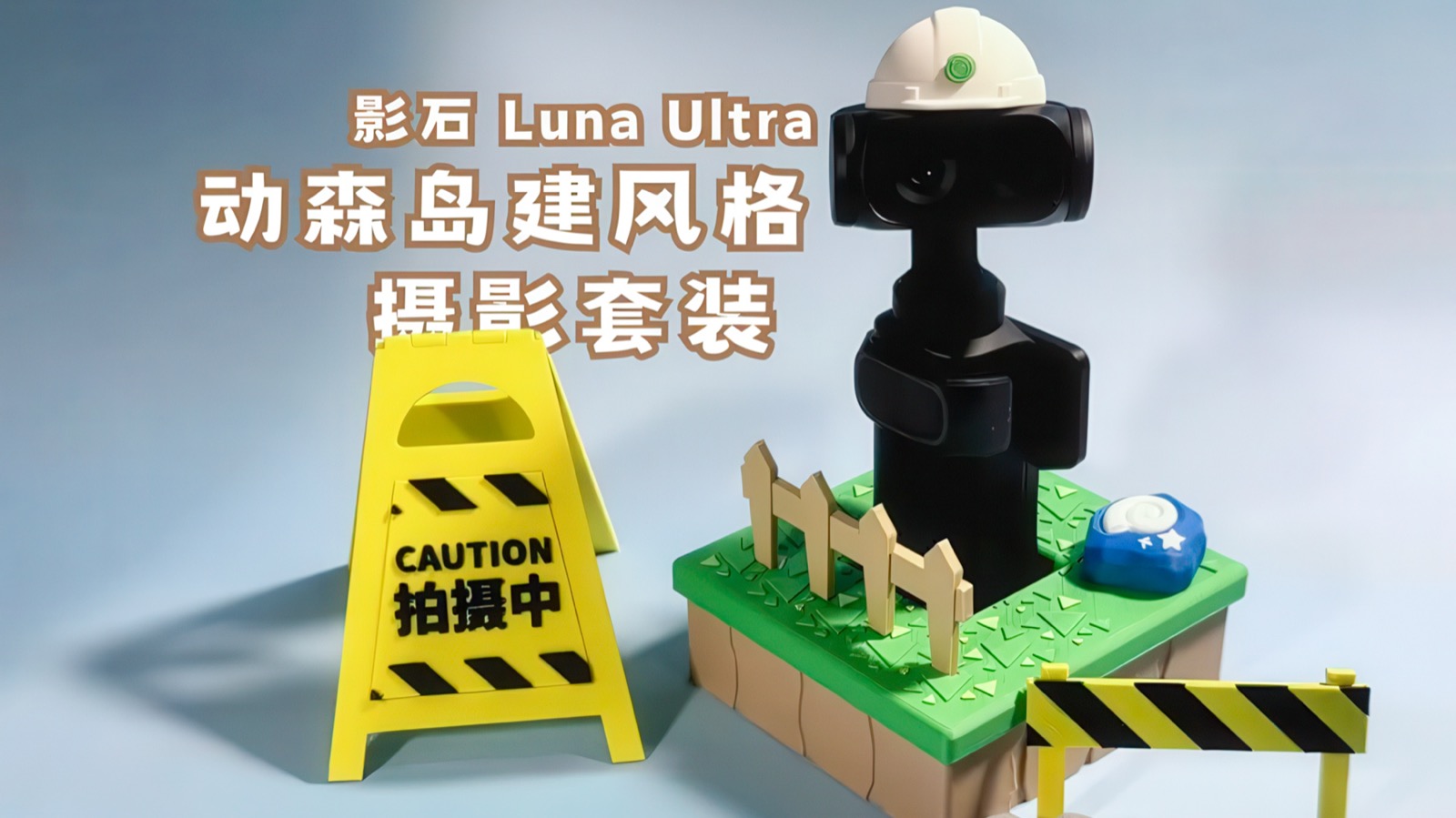
This maker community competition cleverly splits participation into two tracks, acknowledging that not every great idea comes from someone who already owns a printer. The Model Design Challenge asks entrants to design, 3D print, and upload original Luna Ultra accessories or mods to MakerWorld, judged on originality, functionality, and visual appeal. These can be practical add-ons like stability mounts, filming rigs, and protective cases, or more playful creative mods ranging from aesthetic shells to cat ears for the camera. The Social Content Challenge, meanwhile, opens the door to dreamers: anyone can post a concept—image, sketch, render, or written description—on major social platforms with the contest hashtags, no 3D printer required. It is telling that the brands explicitly celebrate whimsical ideas instead of treating them as noise; personality-driven Luna Ultra accessories are likely to drive more prints, shares, and sales than marginally better tripod threads.
Why This 3D Printing Design Challenge Points to the Future of Consumer Tech
The Luna Ultra challenge is a case study in how open hardware can accelerate ecosystem growth for consumer tech. Insta360 is not only giving away prizes; it is turning customers into co‑designers by treating the maker community as an extension of its own design team. Once official geometry is public, third-party Luna Ultra accessories will appear with or without the brand’s blessing, but here the company chooses to profit from the inevitable instead of ignoring it. Successful designs gain visibility, some win cameras and printers, and a few may be developed as official products, tightening the feedback loop between user need, maker ingenuity, and corporate product strategy. For makers, this open hardware contest is more than a chance to win USD 11,160 (approx. ₱620,000) in prizes—it is an invitation to help define what a flagship camera can do. For the wider industry, it is a clear signal: the next generation of consumer tech ecosystems will be built in public CAD repositories, not behind closed R&D doors.