
The entry-level iPad delay: a longer wait and a clearer message
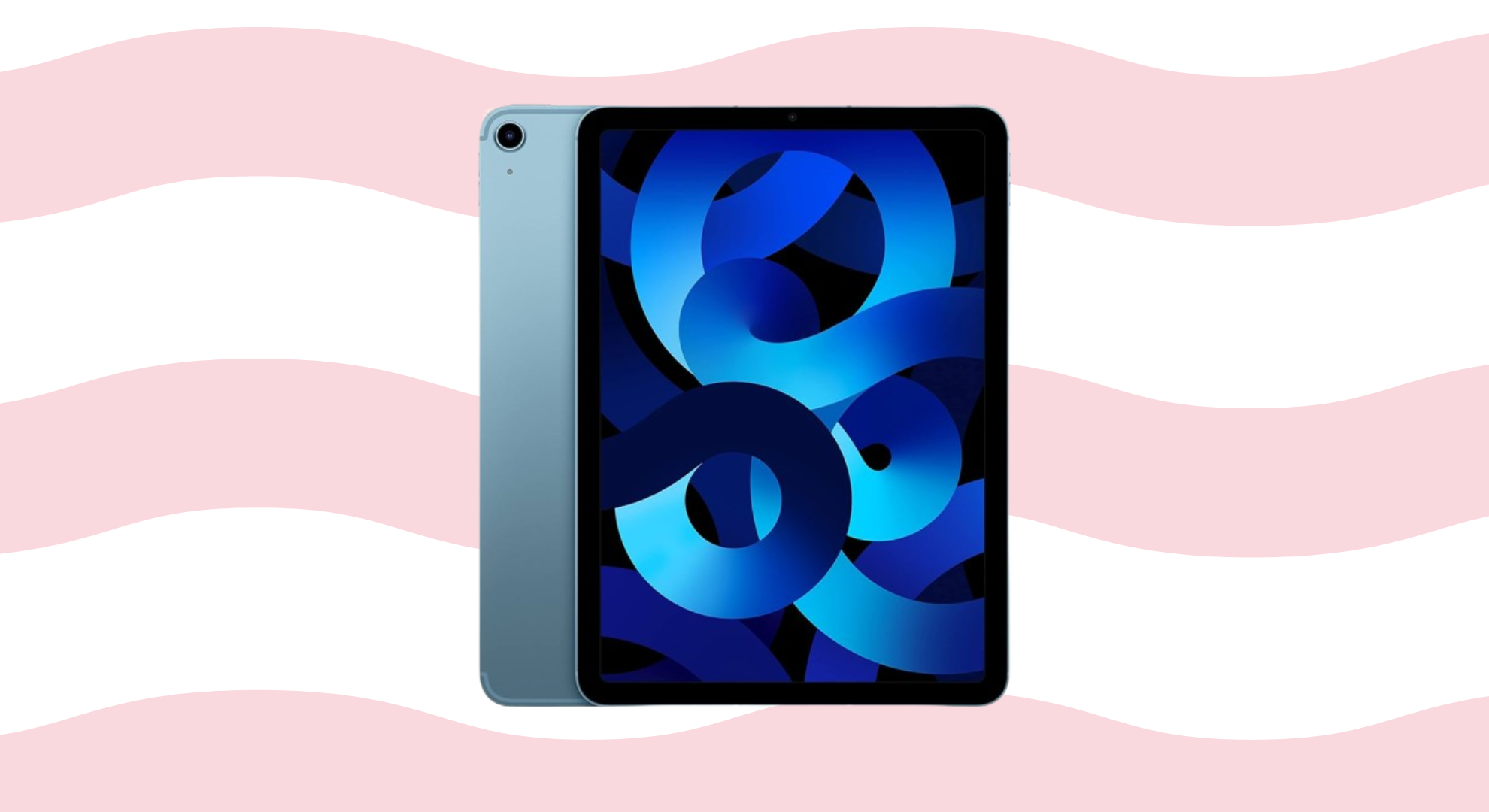
The entry-level iPad delay refers to Apple’s decision to postpone new versions of its cheapest iPad and mid-range iPad Air, extending their usual refresh cycle and leaving budget-conscious buyers with older hardware for longer than expected while Apple prioritizes other devices and technologies. This is not a minor scheduling slip; it is a statement about where Apple sees value and attention. According to Bloomberg, Apple now plans to start with a new iPad mini in October 2026, followed by a refreshed entry-level iPad in the first quarter of 2027, and updated iPad Air models in spring 2027. In plain terms, anyone waiting for a new affordable iPad this year has been pushed firmly into the “wait, or buy what’s already on the shelf” category.
Why Apple is dragging its feet on cheaper iPads
Apple’s decision to stretch the iPad Air refresh timeline and delay the new basic iPad is about focus and narrative, not technical limits. At the end of this year, the company is steering attention toward new iPhones and the first iPad mini with an OLED display, treating that compact model as the headline upgrade in the tablet family. It is also plausible that Apple wants to space product launches out so devices do not compete with one another for press and marketing space, giving each announcement its own clean window. The entry-level iPad and iPad Air sit in the less glamorous middle of the lineup, and this delay signals that Apple believes it can afford to keep them aging a bit longer without losing the core audience that quietly buys them for everyday work and study.
Aging hardware, Apple Intelligence, and the gap in the lineup
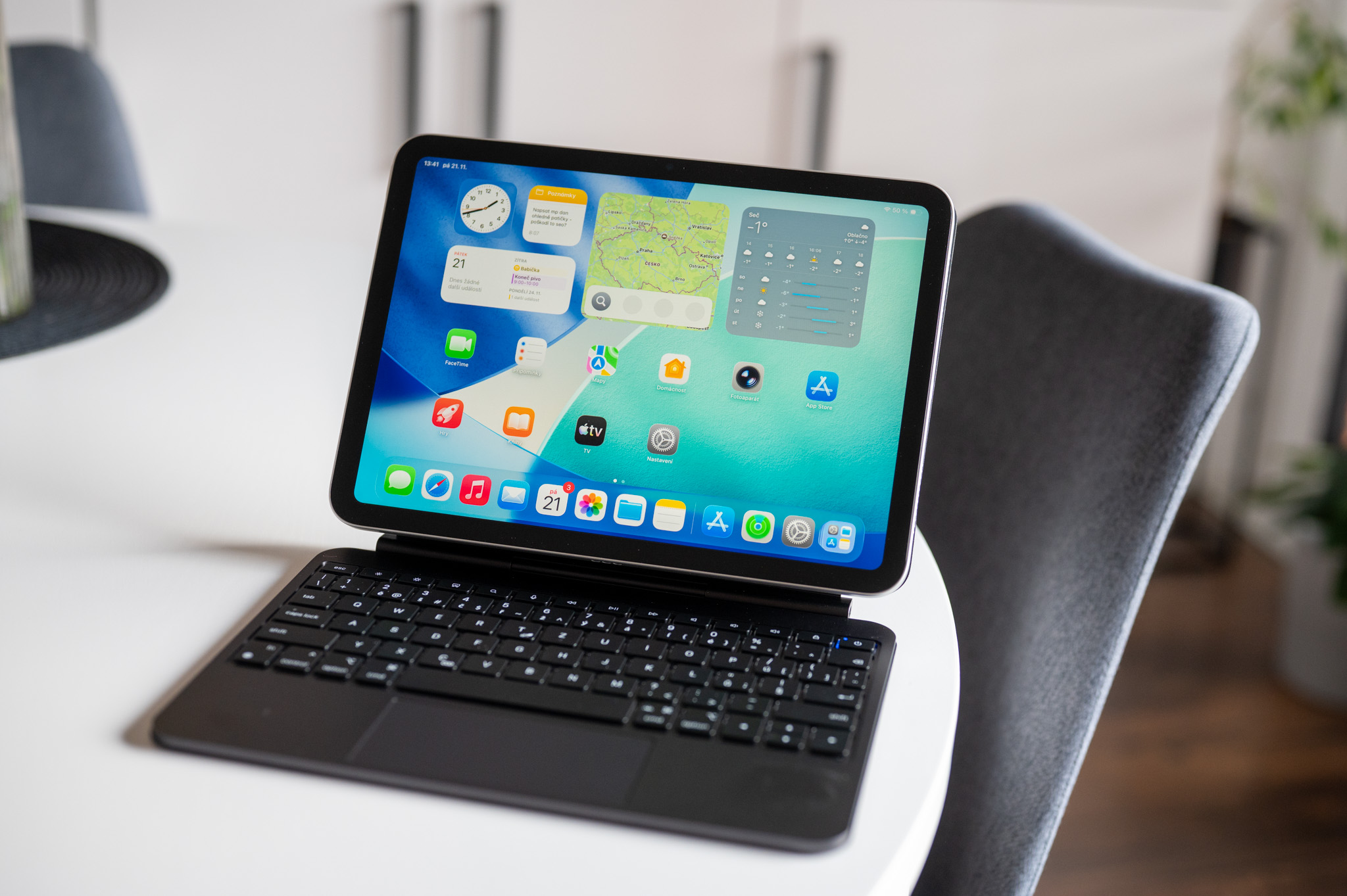
The postponed refresh leaves Apple’s most affordable tablet stuck with older silicon while the rest of the family moves ahead. The current basic iPad is built around an A16 chip, and the next model is expected to jump to an A19 processor, gaining support for Apple Intelligence and becoming the last iPad to join Apple’s AI feature set. Yet that upgrade is now pushed to the first quarter of 2027, turning a routine update into a drawn-out transition that highlights a growing gap between low-end and premium iPads. The irony is that the upcoming “12th generation” iPad does not appear to offer a dramatic redesign or an OLED display; it is evolutionary rather than transformational. In other words, buyers are waiting longer for a refresh that is more about catching up on AI support than about truly modernizing the look and feel of the entry-level device.
Should you buy now or wait for the delayed refresh?
For anyone eyeing an affordable tablet, the practical question is simple: buy the current base iPad or hold out through the entry-level iPad delay? The blunt answer is that the existing models still do solid work despite aging specs, and the upcoming refresh does not sound revolutionary enough to justify a multi-year wait for most people. As one source puts it, the expected iPad 12 “doesn't seem to be very interesting technically,” and the present generation “does a great job, even without support Apple Intelligence due to lower RAM memory.” If you care deeply about Apple Intelligence on every device, waiting may make sense. Everyone else should treat today’s entry-level iPad as a safe, if unexciting, buy rather than a lame duck stuck in limbo.
The broader impact of a stretched iPad Air refresh timeline
The delayed iPad Air refresh timeline underlines Apple’s strategic patience with mid-range hardware. Updated 11-inch and 13-inch iPad Air models are now expected in spring 2027, with no major visual overhaul on the cards. Previous reporting has pointed to OLED panels entering the Air line, with Samsung predicted to start mass-producing those displays in late 2026, which lines up with that spring window. Taken together, the postponed base iPad and slow-burning Air update show a company content to let its mainstream tablets age while it pours energy into flagship phones, OLED experiments, and premium iPad Pro features such as vapor chamber cooling for sustained performance. For budget-focused buyers, the conclusion is clear: Apple’s refresh cadence is no longer aligned with short upgrade cycles, and planning around longer ownership or exploring budget tablet alternatives outside Apple’s ecosystem will be the sensible default.