
Metal additive manufacturing shifts from experiment to industrial strategy
Metal additive manufacturing is the use of industrial 3D printing processes, such as laser powder bed fusion and electron beam melting, to build complex, high-performance metal components layer by layer for demanding applications like aerospace manufacturing, defense systems, energy infrastructure, and advanced medical devices, where precision, repeatability, and speed from design to part are critical to program success. The latest round of 3D printing capacity expansion by contract manufacturers shows a clear shift: leading suppliers no longer treat metal AM as a niche capability, but as core production infrastructure. Denver-based Beehive Industries has placed a multi-unit order for NXG 600E metal 3D printers from Nikon SLM Solutions, part of Nikon Advanced Manufacturing. Mears Machine Corporation has ordered its fifth Velo3D Sapphire XC metal additive manufacturing system, with options to purchase two additional units. Zenith Tecnica, a contract manufacturer that builds titanium parts using Electron Beam Melting (EBM), has confirmed a change of ownership and, in the same breath, kicked off a plan to enlarge its production capacity. These are not lab purchases; they are production bets aimed at contract manufacturing scale.
Beehive: ultra-large-format metal AM as a competitive moat
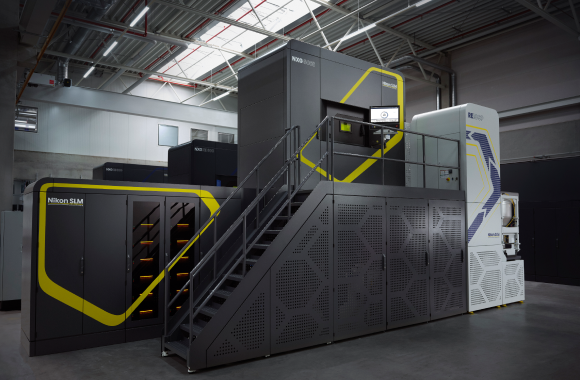
Beehive’s move is the clearest signal that outsized parts are becoming central to metal additive manufacturing in aerospace manufacturing and defense. The NXG 600E is the biggest machine in the Nikon SLM Solutions lineup, combining a 600 x 600 x 1500 mm build envelope with twelve 1 kW lasers for high-throughput serial production of large metal parts. That capacity is scarce and strategically important: the configuration allows the company to print entire vehicle bodies, large satellite substructures, and other oversized components in a single build. Beehive will dedicate one system to Constellium’s Aheadd CP1 aluminum and another to Titanium Ti 64 (Ti‑6Al‑4V), two alloys firmly established in defense, space, and aerospace additive manufacturing. By self-funding multiple NXG 600E systems, the company is buying capacity ahead of demand and selling it back as booked machine time, positioning scarce hardware as the moat. External customers can book time on the machines directly. That is 3D printing capacity expansion as a business model, not a side project.
Mears Machine: scaling repeatable production for demanding programs
If Beehive is betting on size, Mears Machine is betting on repeatable production at contract manufacturing scale. The Fremont-based printer maker said the investment supports Mears’ work with customers in aviation, defense, energy and space – sectors that have pushed manufacturers toward domestic, resilient supply chains. Mears Machine Corporation has ordered its fifth Velo3D Sapphire XC metal additive manufacturing system, with options to purchase two additional units, Velo3D has confirmed. The fifth Sapphire XC expands Mears’ production capacity in nickel superalloys and aluminum, including Inconel 718, Haynes 282 and CP1 aluminum and gives the company a platform to qualify additional materials as customer requirements evolve. Mears combines precision machining, metal additive manufacturing and engineering services. This combination matters: it turns metal AM from a prototyping tool into an integrated production route where design, printing, and finishing live under one roof. According to Velo3D, purchasing the fifth system while securing flexibility to expand the fleet helps Mears maintain responsiveness and lead times while supporting larger production programs and investing for long-term growth.
Zenith Tecnica: ownership change tied to titanium EBM growth
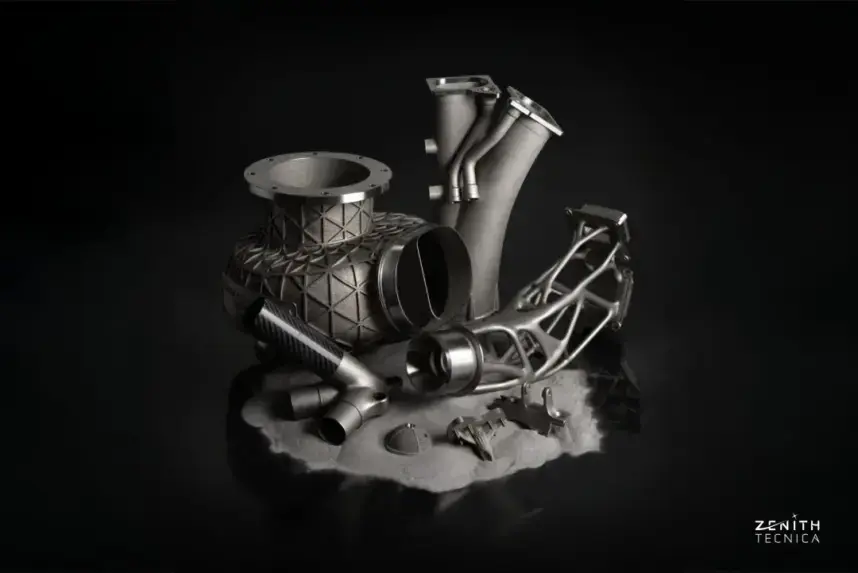
Zenith Tecnica shows another side of the 3D printing capacity expansion story: when demand exceeds installed metal additive manufacturing capacity, ownership itself becomes strategic. Zenith Tecnica, a contract manufacturer that builds titanium parts using Electron Beam Melting (EBM), has confirmed a change of ownership and, in the same breath, kicked off a plan to enlarge its production capacity. Since launching in 2014, Zenith long operated a fleet of five EBM machines, later adding a sixth, but incoming orders continue to exceed what those systems can deliver. To close the gap, the company is jumping straight to eight machines under this expansion, a move it says will keep it ranked among the world’s biggest EBM producers. The buyers, Andrew Burgess and Blair Jordan, arrive with a track record spanning aerospace manufacturing, including projects connected to Boeing and Amazon’s low‑earth‑orbit satellite work. The added EBM systems, larger premises, and broader capabilities are aimed at increasing output and taking on more complex programs for international clients. This is contract manufacturing scale being deliberately built to match the tempo of modern space and medical programs.
Why multi-unit AM orders matter for aerospace and defense
Across Beehive, Mears, and Zenith, the pattern is consistent: multi-unit orders reflect confidence in metal additive manufacturing for critical component manufacturing at scale. Beehive’s ultra-large-format machines target a specific gap where demand for very large printed aerostructures is outpacing available capacity. Mears is building a fleet designed for consistent output in nickel superalloys and aluminum, a practical response to aviation, defense, and energy customers that want domestic, resilient supply chains and shorter lead times. Zenith is expanding titanium EBM to keep up with orders that already exceed its prior six-machine fleet and to stay among the largest EBM producers. For engineers and program managers, the practical impact is simple: more suppliers can print larger, more complex, certified hardware on schedule. For the metal AM industry, the message is sharper: the next phase of growth will be won by those who invest in capacity—and prove they can keep precision and speed as they scale.