
Qi2 Magnetic Wireless Charging Finally Grows Up on Android
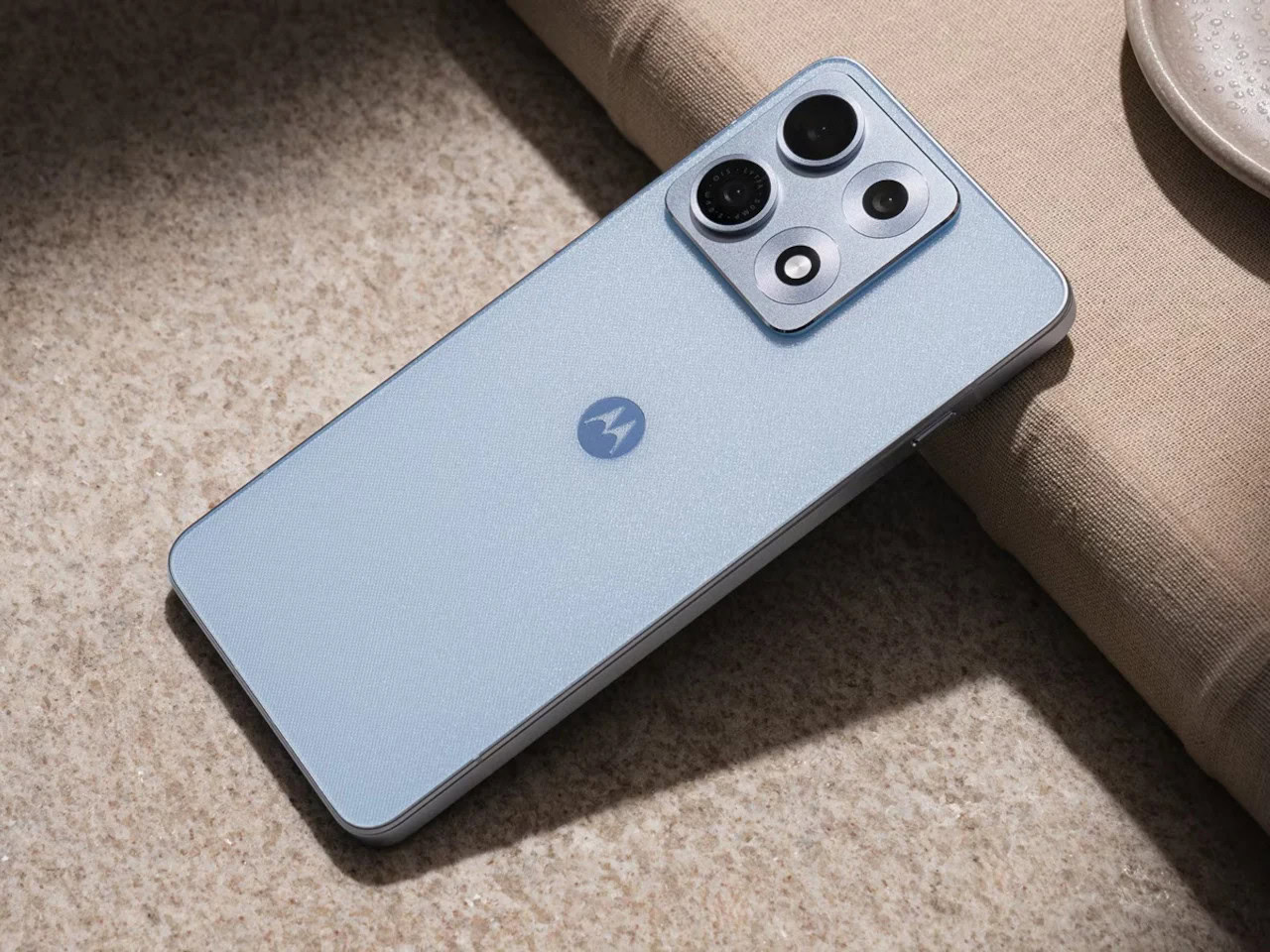
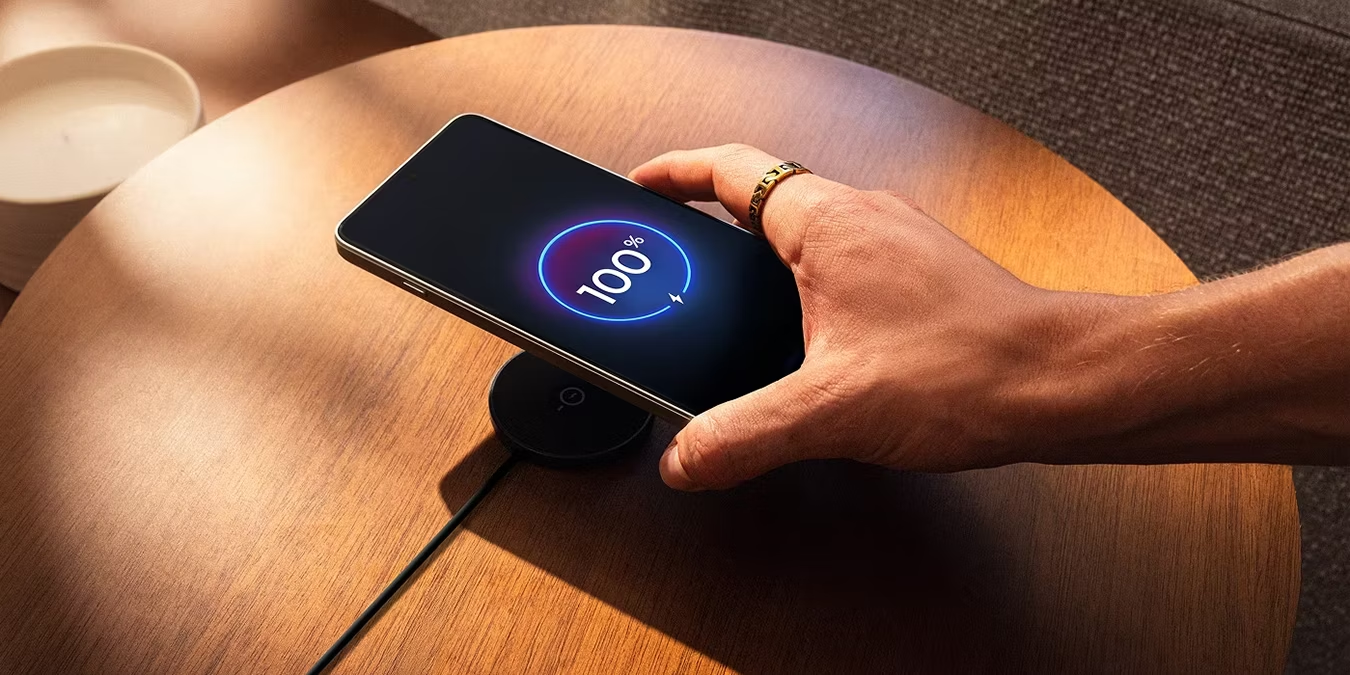
Qi2 magnetic wireless charging is a standardized system that combines faster wireless power delivery with built-in magnets so phones snap into perfect alignment on compatible chargers, solving the slow speeds, inconsistent positioning, and accessory dependence that have plagued traditional Android wireless charging setups for years. Motorola’s Edge 70 Max is the first mainstream Android phone outside Google’s Pixel line to embrace that system fully, with Qi2 magnets and support for the Qi 2.2.1 standard under the MPP25 profile. This is not a "Qi2 Ready" marketing trick; it is the real specification implemented in hardware and software. The headline change is simple but important: 25W magnetic wireless charging that works at full speed without a special case, glue-on ring, or brand-locked pad. In one move, Motorola turns a niche spec sheet line into a daily quality-of-life upgrade.
Why Edge 70 Max’s Qi2 Matters More Than Its Specs
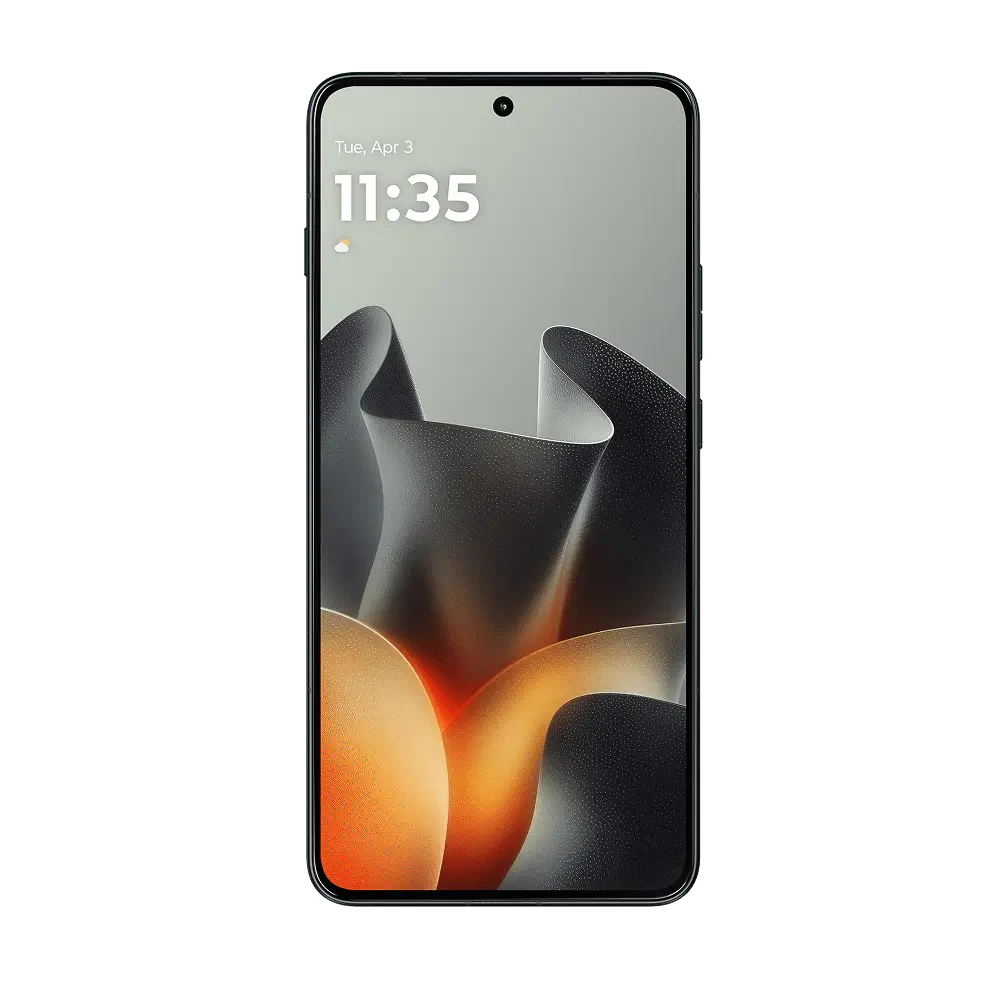
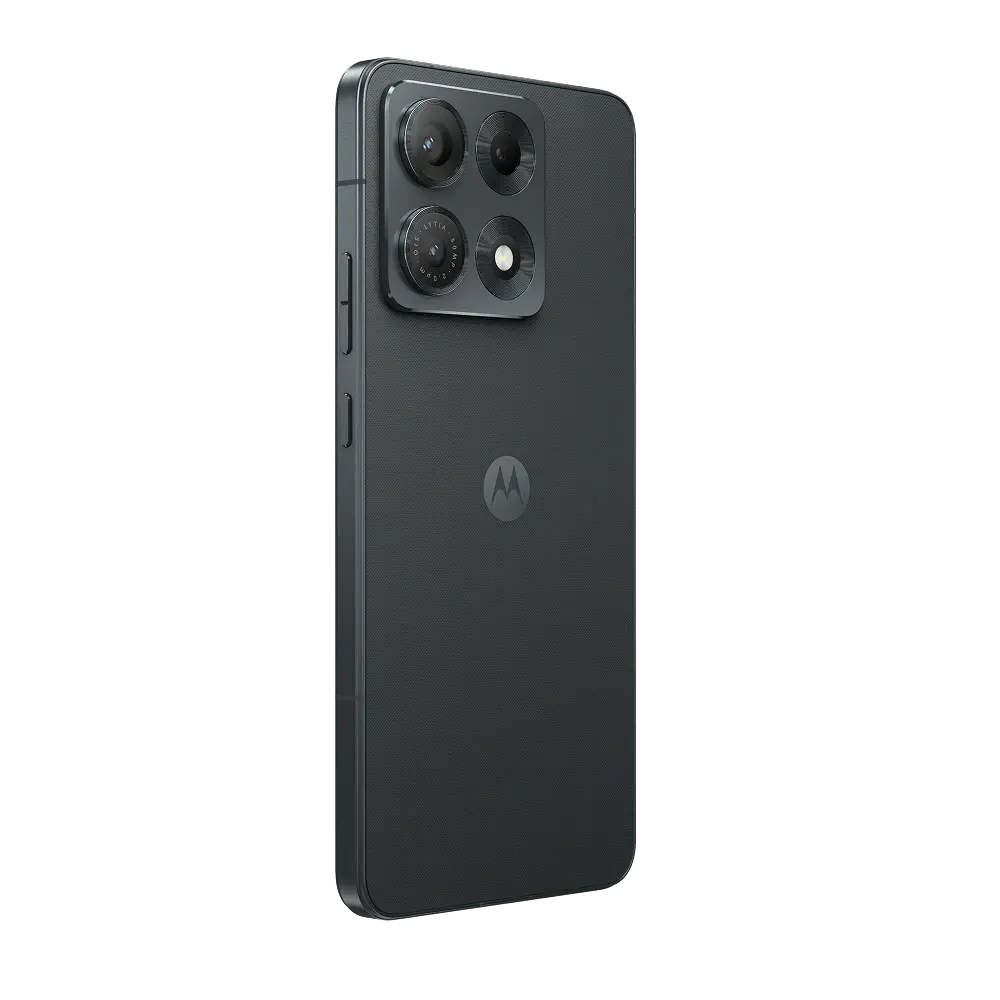
On paper, the Motorola Edge 70 Max looks like any modern step-down flagship: Snapdragon 8 Gen 5, up to 12 GB of memory, a terabyte of storage, a 6.82‑inch QHD+ AMOLED panel, and a 7,100 mAh silicon‑carbon battery that supports 90W TurboPower wired charging for a day’s power in six minutes. Those numbers are impressive, but they are not what makes this phone important. The significance is that its wireless charging experience is no longer an afterthought. Magnetic wireless charging at 25W means you drop the phone on a Qi2 pad and it snaps into the optimal position, avoiding the misalignment that has made Android wireless charging unreliable and slow. Built‑in magnets, much like Apple’s MagSafe, solve the problem elegantly and without extra accessories. The Edge 70 Max proves Android wireless charging can be fast, predictable, and accessory‑agnostic when a manufacturer stops cutting corners.
Fixing Android’s Fragmented Wireless Charging Landscape
For years, Android wireless charging has been defined by fragmentation: different speeds, proprietary charging modes, and hit‑or‑miss pad compatibility. Many phones have technically offered wireless charging, but they often suffer from slow performance and demanding alignment. While Apple pushed MagSafe into the mainstream, most Android brands dragged their feet on Qi2. Only Google’s Pixel 10 series adopted the standard in a meaningful way, while others leaned on "Qi2 Ready" labels that avoided full support. Even HMD’s Skyline added magnets but skipped the 25W speeds now possible. According to the Wireless Power Consortium listing, the Edge 70 Max is a true Qi2 smartphone that supports Qi 2.2.1 under the MPP25 profile. That is the difference between a logo and a real ecosystem play: chargers and phones speaking the same language, at the same speeds, without brand‑locked tricks. Motorola’s complete Qi2 commitment is a clear challenge to half‑measures.
User Impact: No More Cable Guilt or Pad Roulette
The Edge 70 Max’s Qi2 support matters because it changes everyday behavior, not just benchmarks. With magnetic wireless charging at 25W, you can rely on a single Qi2 pad to deliver consistent power without worrying about placement or whether a specific brand of charger unlocks a hidden fast mode. Drop the phone and it snaps into optimal alignment, avoiding the slow charging or complete failure that misalignment causes. No magnetic case, no adhesive ring, no proprietary dock. That encourages users to treat wireless charging as their default, not a backup novelty. In practical terms, the Edge 70 Max makes "no cables, no clutter" a realistic routine instead of marketing copy. Combined with its large battery, fast wired charging, and durable aluminum and glass build, it offers a power experience that feels coherent rather than pieced together from incompatible standards.
What Motorola’s Move Signals for Android’s Charging Future
Motorola’s Edge 70 Max is not just another flagship; it is a turning point in how Android phones treat wireless charging. Someone other than Google has finally put Qi2 magnets into an Android phone, answering the long‑standing question of when any other brand would commit. This move proves there is appetite for standardized, faster magnetic wireless charging that does not rely on proprietary ecosystems or superficial "ready" labels. It also puts pressure on rivals who have been content with fragmented solutions and partial support. The fact that this device is sold at £700 reinforces that Qi2 is ready for mainstream, not just niche experiments. If other manufacturers follow, Qi2 compatible phones could turn wireless charging into the same kind of universal expectation that USB‑C achieved for wired ports. The Edge 70 Max shows the path forward: Android wireless charging that is standardized, fast, and designed for everyday use rather than spec sheets.