
Pixel 11: A Higher Bar for Joining the Pixel Club
The Pixel 11 pricing shift refers to Google’s move to remove the 128GB base model, make 256GB the new default configuration, and in doing so raise the minimum amount buyers must pay to get into the Pixel 11 lineup while emphasizing premium hardware and AI features.
Google has set its next Made by Google event for August 12 in New York City, where the Pixel 11 family is expected to debut, with pre-orders likely opening the same day and shipments around August 20. That launch narrative was upended when the Pixel 11 appeared early in Amazon listings, revealing many of its specs, colors, and the now-inevitable price conversation. The headline change is clear: the standard Pixel 11 is expected to start at USD 899 (approx. ₱50,400), now tied to 256GB of storage instead of 128GB. Google is not only selling a phone; it is redefining what “entry level” means in its own ecosystem, and that matters for anyone considering an upgrade.

The Vanishing 128GB Tier and the Quiet Entry Price Increase
Google’s most controversial move is not the Pixel 11’s new features but the disappearance of the 128GB option. Google has reportedly dropped 128GB entirely, making 256GB the new base configuration. On paper, that sounds generous. In practice, it means the cheapest Pixel 11 now costs what last year’s 256GB Pixel 10 did: USD 899 (approx. ₱50,400).
Last year, the Pixel 10 started at USD 799 (approx. ₱44,800) for 128GB, while the 256GB version cost USD 899 (approx. ₱50,400). The new standard Pixel 11 is expected to start at USD 899 (approx. ₱50,400) with 256GB and 12GB of RAM, alongside a 6.3-inch 1080x2424 display and a 4,985 mAh battery. As one source puts it, this is a kind of “Schrodinger’s price hike”: the 256GB price has not changed, yet the cost of entry has risen by USD 100 (approx. ₱5,600) because the lower tier is gone. For buyers who were happy to rely on cloud storage and stay under USD 800 (approx. ₱44,800), that is a meaningful loss.

Specs, 2nm Tensor, and Pixel Glow: Premium Story, Premium Price
If Google is going to demand a higher entry price, it needs a story that feels premium, and the leaked Pixel 11 specs show how it plans to deliver that narrative. Amazon listings describe a 6.3-inch display at 1080x2424, 256GB of base storage, 12GB of RAM, and a 4,985 mAh battery, all for USD 899 (approx. ₱50,400). That base RAM figure undercuts rumors of an 8GB starting configuration and signals Google’s intent to position the standard model as anything but “basic.”
Under the hood, the new Tensor G6 chip is reported to be built on TSMC’s advanced 2nm process, promising major gains in efficiency and thermal behavior, and potentially beating Apple’s next iPhone to this manufacturing node. On the outside, Google has confirmed a new design flourish called Pixel Glow, a customizable RGB LED ring around the camera bar that pulses with Gemini’s colors during AI tasks and acts as a notification light. None of this is supposed to imply the Pixel 11 does not justify its price; the question is whether these features matter enough to users who mainly see a higher bill.
Colors, Personality, and the New Face of a Costlier Pixel
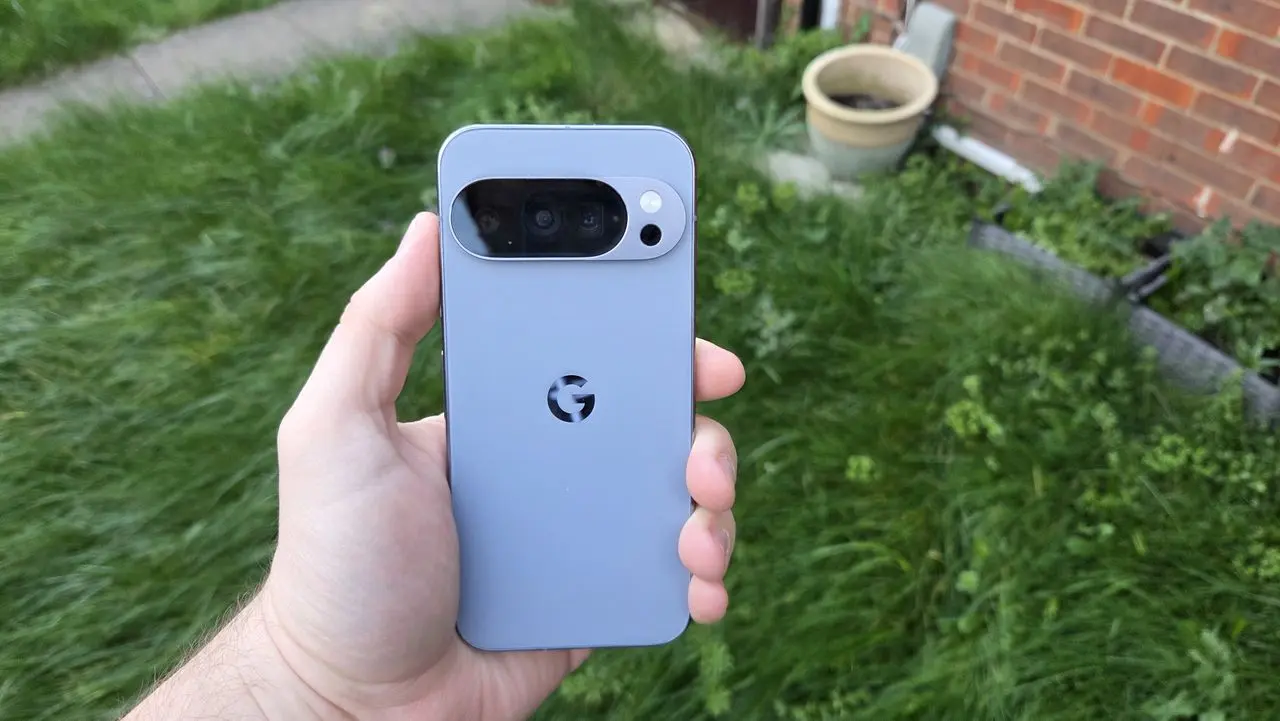
Google’s color and design choices are doing as much work as the spec sheet to sell the Pixel 11’s higher status. The phone appeared on Amazon in Obsidian, Hibiscus, and Pistachio, with descriptions that match earlier names like Midnight, Fuchsia, and Moss, visually reading as blue, lavender or purple, and green. Listings for the Pixel 11 Pro and Pixel 11 Pro Fold mention other shades such as Dune, Light Fog, Pine, Sterling, and a separate gold tone teased on Google’s own site. These playful variations, combined with Pixel Glow’s animated light ring, show a company leaning into visual personality as part of its premium pitch.
At the same time, the leaked configurations suggest confidence in a feature-first approach: 256GB across the board, 12GB RAM on the Pixel 11 and even the Pro listing, plus higher-capacity batteries for the larger Pro XL and Pro Fold models. Google appears to be betting that a slightly higher entry cost will be forgiven if buyers feel they are getting a well-equipped, distinctive phone from day one. It is a bold move; if the Pixel’s identity was once the “smart alternative” to pricier rivals, that gap is now narrower.
Should You Still Upgrade at the New Entry Price?
All of this leads to the core question for would-be buyers: does the raised entry price make sense for you? With the cost of admission climbing by USD 100 (approx. ₱5,600) compared with last year’s 128GB Pixel 10, the Pixel 11 is no longer the obvious value pick it once might have been. On August 12, Google will lay out its final case, but the outline is already clear: more storage, a 2nm Tensor G6, Pixel Glow, long battery life, and the same USD 899 (approx. ₱50,400) tag that previously belonged to the higher storage tier.
For heavy on-device AI users, photo and video enthusiasts, and people who burn through storage, the new base configuration may feel like overdue common sense. For others who depended on a sub-USD 800 (approx. ₱44,800) entry point, it is a warning sign that the Pixel line is moving upmarket. One source cautions buyers to remain skeptical until Google confirms everything: the Amazon listings even mention Android 16, despite Android 17 already being available on Pixel phones, which casts some doubt on the leak details. But unless Google surprises everyone with a cheaper model, the direction is set: the Pixel 11 is the moment when “entry-level Pixel” stopped meaning “budget.”