
From brittle plastic parts to living-friendly tools
Flexible biocompatible resins for 3D printing are medical-grade polymers that can bend, stretch, and survive sterilization while remaining safe for contact with human tissue, enabling customized surgical tools, tissue engineering scaffolds, and implantable devices that rigid plastics or traditional elastomers cannot provide efficiently.
The key shift in regenerative medicine manufacturing is simple: the limiting factor is no longer geometry but material. Rigid biocompatible resins made clean digital workflows normal in dental and surgical guide labs, yet they categorically fail where softness, compression, or repeated bending matter. That gap has held back surgical guides that must flex around anatomy, soft implant shells, and realistic anatomical models. Biocompatible resins 3D printing is now moving beyond brittle parts and toward soft, sterilizable medical parts that behave more like tissue than acrylic. This is not a marginal tweak; it is a change in what kind of medical product can be born straight out of a printer rather than a cleanroom molding line. The manufacturers who embrace this will define the next decade of regenerative medicine manufacturing, not those clinging to rigid photopolymers.
Liqcreate’s Bio-Med Flex shows why softness plus sterility matters
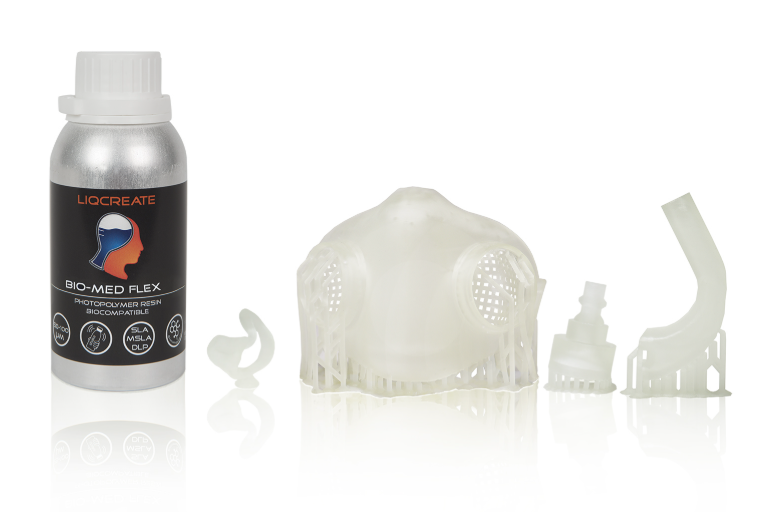
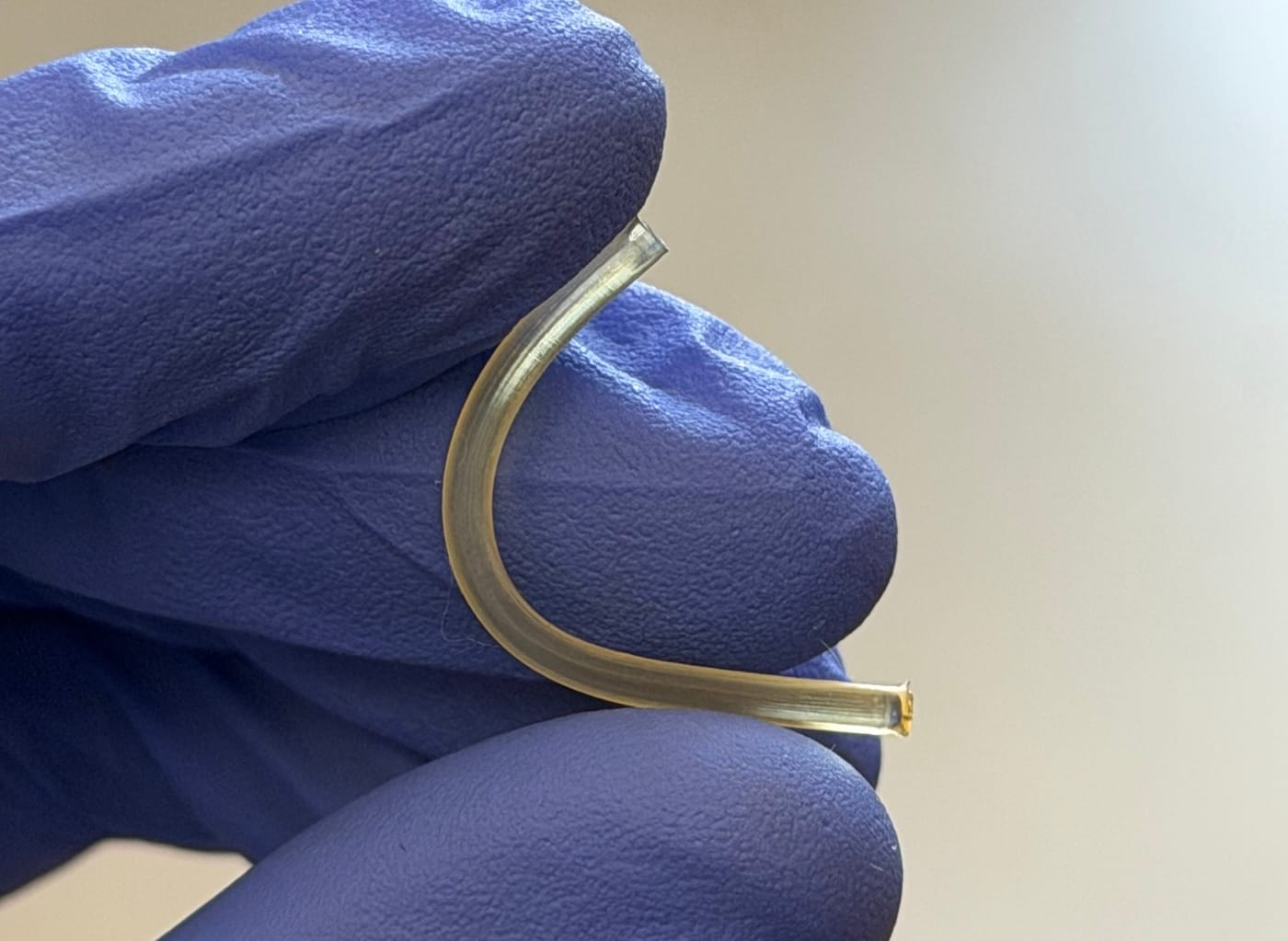
Liqcreate’s Bio-Med Flex is the clearest sign that material science has finally caught up with the promises of biocompatible resins 3D printing. It is a clear flexible photopolymer resin designed for sterilizable, biocompatible medical and biomedical applications. Until now, meeting that full checklist—flexible, skin- or mucosa-safe, and reliably sterilizable—has been difficult in clinical prototyping labs. Bio-Med Flex was created as the flexible counterpart to a well-established rigid biocompatible resin, Bio-Med Clear, and that pairing matters: it lets engineers choose hardness like they choose layer thickness. With a Shore A hardness of 73, tensile strength of 5.0 MPa, elongation at break between 180–250%, and tear strength between 20–28 kN/m, the material can bend and stretch as flexible medical components actually need, instead of snapping like typical photopolymers.
Critically, the resin holds up under the brutal realities of sterilization. After steam sterilization at 121°C, tensile strength drops from 5.0 to 3.7 MPa, elongation shifts from 240 to 183%, and Shore A hardness moves from 73 to 70, while alcohol disinfection has almost no meaningful effect on mechanical performance. That makes sterilizable medical parts printed on everyday DLP, LCD, and SLA machines viable instead of experimental, especially since the resin runs on open-material desktop systems operating between 385 and 405 nm. The catch—and it is an important one—is that biocompatibility is workflow-dependent: the full ISO 10993 cytotoxicity, sensitization, and irritation profile only holds if users follow the exact wash, dry, UV, and thermal cure cycle specified by the manufacturer. Skip a step and your part is no longer the same part that passed testing, no matter how good it looks on the bench.
Genesis Tissue and the rise of scaffold-first reconstruction
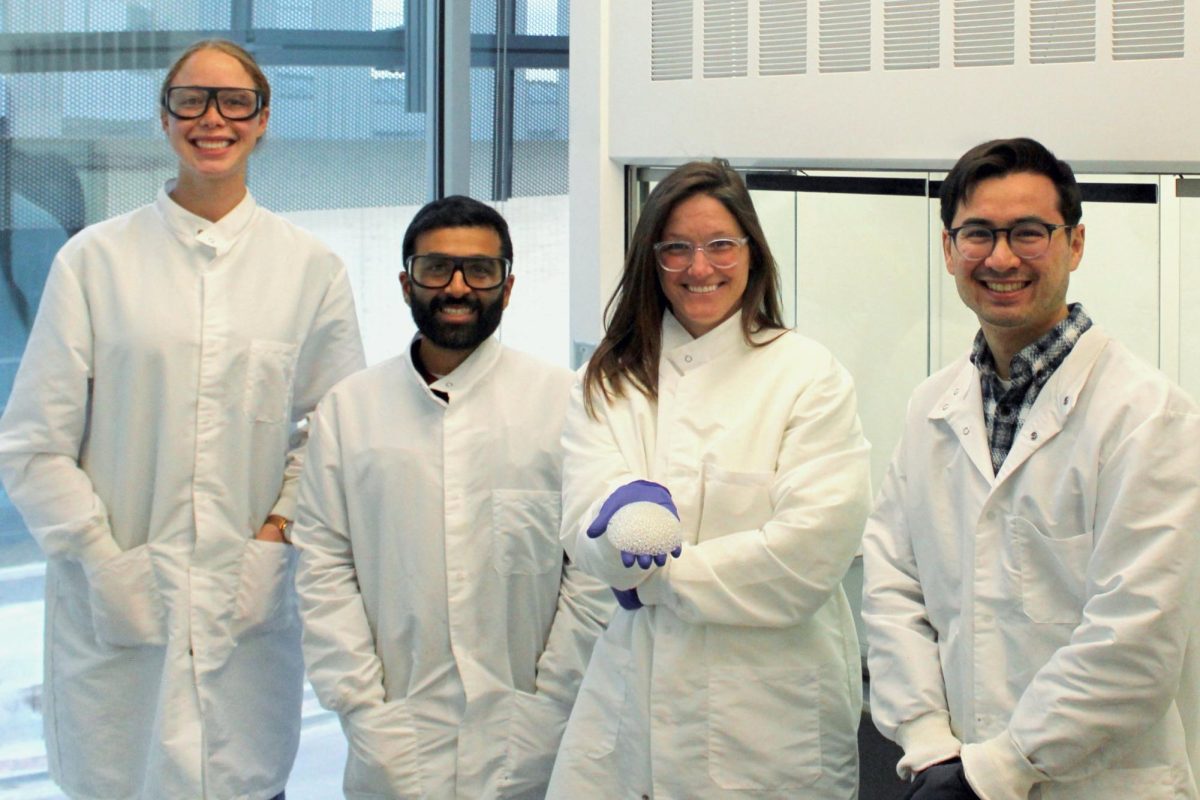
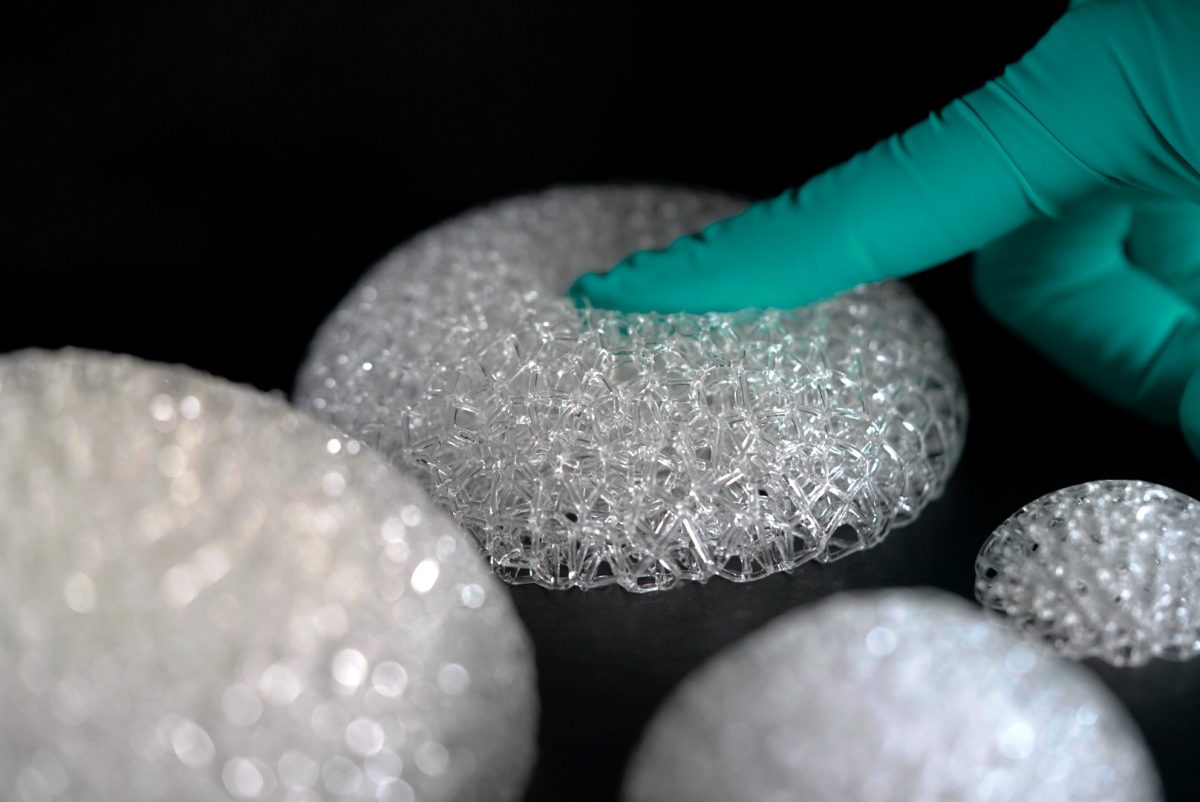
If flexible, biocompatible resins are the new clay, startups like Genesis Tissue are the sculptors shaping what regenerative medicine manufacturing will become. After 17 years building healthcare applications at a major 3D printing company and its predecessor, Katie Weimer refused to let a regenerative breast tissue project be shelved and instead spun it out as Genesis Tissue, a startup developing a 3D printed scaffold to help patients regenerate their own breast tissue after cancer surgery. Her bet is bold because it challenges a standard that has dominated for decades: silicone implants still account for roughly 80–90% of breast implants placed each year. They work, but at a cost—about one-third of breast reconstruction patients develop complications and tens of thousands of implants are removed every year.
Genesis Tissue’s answer is to treat the body itself as the bioreactor. After tumor removal, a patient-specific tissue engineering scaffold is implanted and then filled with the patient’s own fat, harvested via a small liposuction procedure. The fat brings stem cells and biological components that support tissue growth, while a soft, degradable material provides structure as new tissue forms and then gradually breaks down as the body heals. In Weimer’s words, the goal is to replace permanent implants with tissue generated by the patient’s own body. The company is still in the preclinical phase and is running large-animal studies, but the direction is clear: regenerative medicine manufacturing is shifting from making finished implants to making smart, patient-specific tissue engineering scaffolds that guide the body to build its own replacement. Without advanced, soft, biocompatible materials, that entire strategy would collapse.
Microgravity bioprinting proves that environment is a manufacturing parameter
The most provocative example of where flexible biocompatible materials can take regenerative medicine manufacturing is not in a hospital lab but in orbit. Kidney and liver tissues have been successfully bioprinted in space for the first time, produced on the International Space Station with Auxilium Biotechnologies’ AMP-1 orbital 3D bioprinter and returned to Earth on Mission AXLM-3 via a SpaceX flight. During that single spaceflight, the platform fabricated kidney, liver, and cartilage tissues along with 28 nerve repair implants, marking the first time three different tissue types were printed on a single autonomous manufacturing system. According to Auxilium’s leadership, this milestone “opens the door to a new way of developing regenerative medicine,” because microgravity enables life science products that cannot be manufactured on Earth and can often be produced faster.
The physics explains why: under gravity, cells sink in a bioink; in microgravity, they stay suspended, so engineers can control the spatial distribution of cells in 3D and print layered structures that better mimic natural tissue architecture. As the company notes, cell biology can progress faster in space, and tissue manufactured there can reach maturity sooner than it would on Earth. This is not a sideshow—it is a proof that environment is now a design variable in regenerative medicine manufacturing. Auxilium is already working with next-generation station builders to lay the foundation for space-based biomedical laboratories and ultimately aims to manufacture medical devices and tissues at commercial scale in orbit. Pair microgravity-enabled bioprinting with materials engineered for tissue compatibility, and “factory in space” stops sounding like science fiction and starts looking like a clinical supply chain.
The next competitive edge: mastering soft, safe, printable matter
When you zoom out, a pattern emerges: whether it is Bio-Med Flex in desktop printers, Genesis Tissue’s breast scaffolds, or Auxilium’s space bioprinter, the innovations that matter are built on material properties, not machine specs. Flexible anatomical models, wearable sensor housings, and soft fixtures that deform under load without cracking reveal a gap that rigid resins cannot fill and that industrial elastomers fill only expensively, slowly, and usually not in-house. Flexible, sterilizable biocompatible resins close that gap for surgical guide production and custom implant manufacturing, turning everyday printers into platforms for credible medical fabrication instead of mere prototyping tools.
The winners in regenerative medicine manufacturing will be the teams that treat material workflows as carefully as they treat CAD models. That means respecting the exact wash, cure, and sterilization sequences that underpin biocompatibility data, and designing tissue engineering scaffolds or surgical parts around the true mechanical behavior of these materials, not wishful thinking. It also means recognizing that new environments—operating rooms, point-of-care labs, even microgravity—are openings for new product classes when paired with the right resin or bioink. The conclusion is blunt: investing in flexible biocompatible resins is no longer optional for serious players in regenerative medicine. It is the price of admission to a world where printers turn out living-ready scaffolds, sterilizable medical parts, and soft, custom implants that rigid plastics could never match.