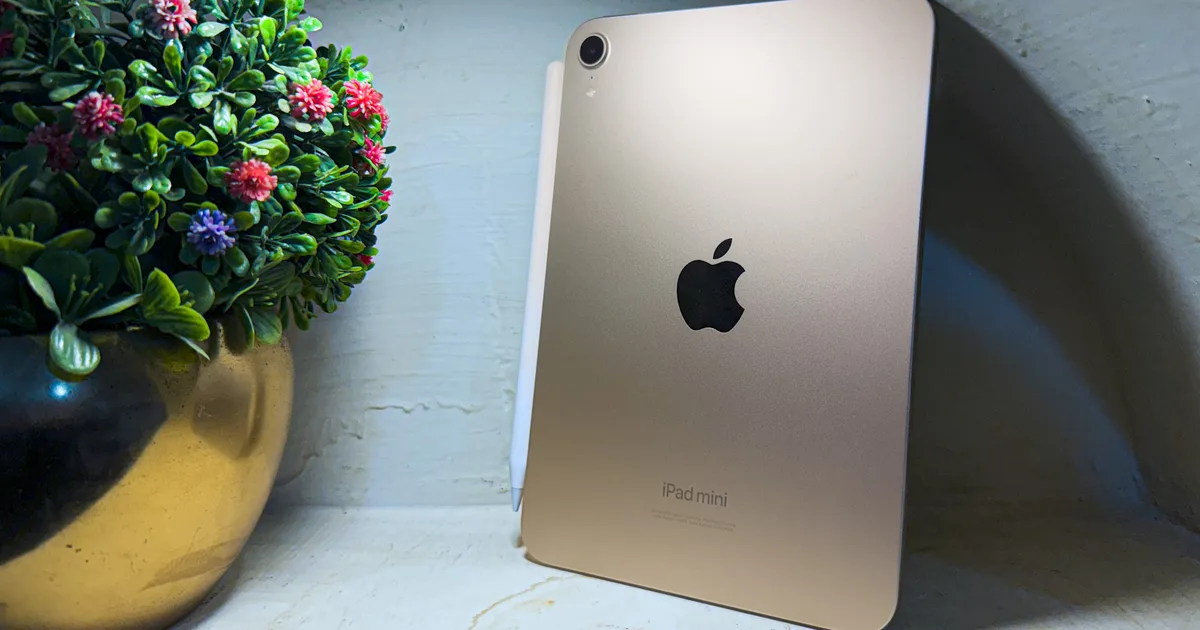

The Big Picture: An iPad Lineup in Motion
Apple’s iPad refresh timeline is a staggered plan to update the mini, entry-level iPad, Air, and Pro models with new displays and faster chips over the next few seasons, starting with an OLED iPad mini in the fall and continuing with broader hardware upgrades into early spring, rather than a single, one-day overhaul of the entire Apple iPad lineup 2026 and beyond. This strategy matters because it forces buyers to think in terms of timing: purchasing now locks you into today’s specs, while waiting a few months could mean better screens, faster silicon, or lower prices on existing stock. The key takeaway: if you are not in a rush, it is smarter to align your next tablet purchase with this refresh wave. Apple is clearly teeing up a generation shift, and jumping in too early could mean paying more for hardware that is about to be superseded.
OLED iPad mini Leads the Charge—and Sets Expectations
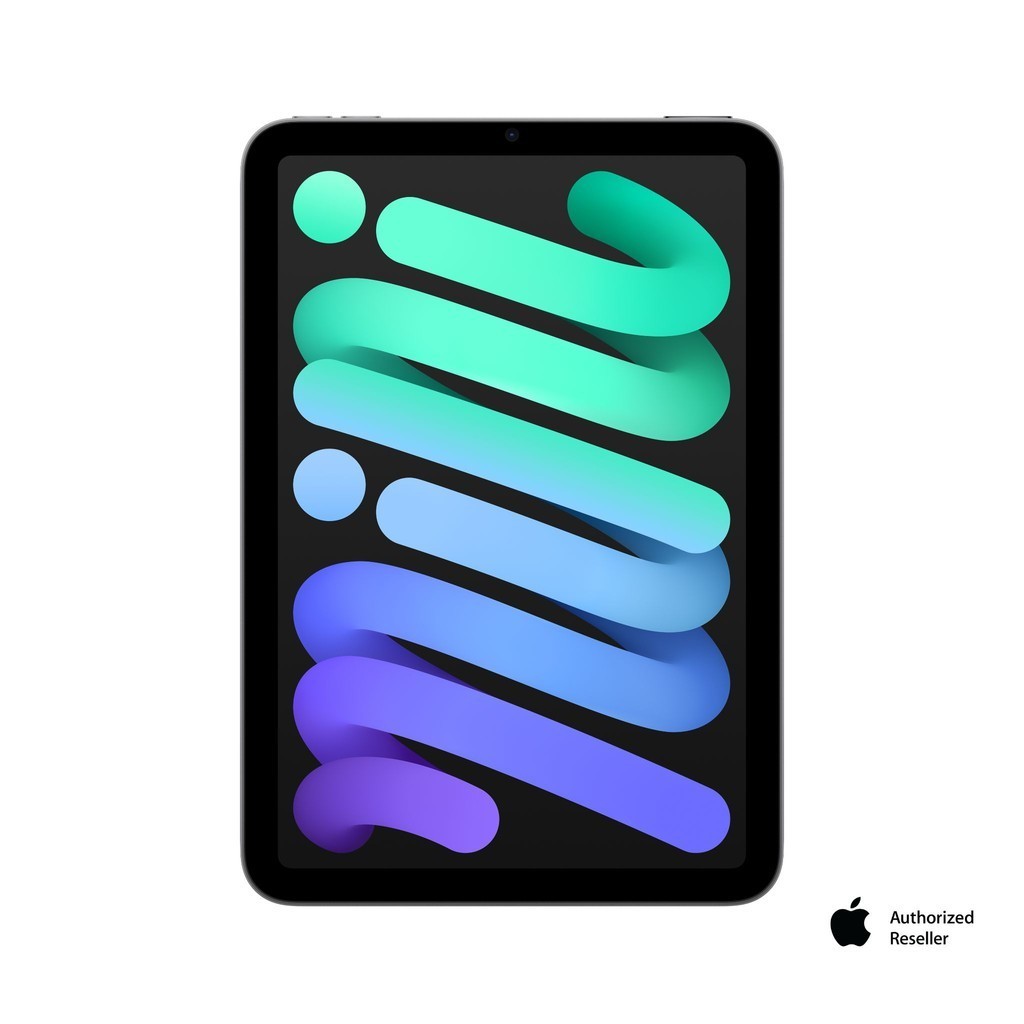
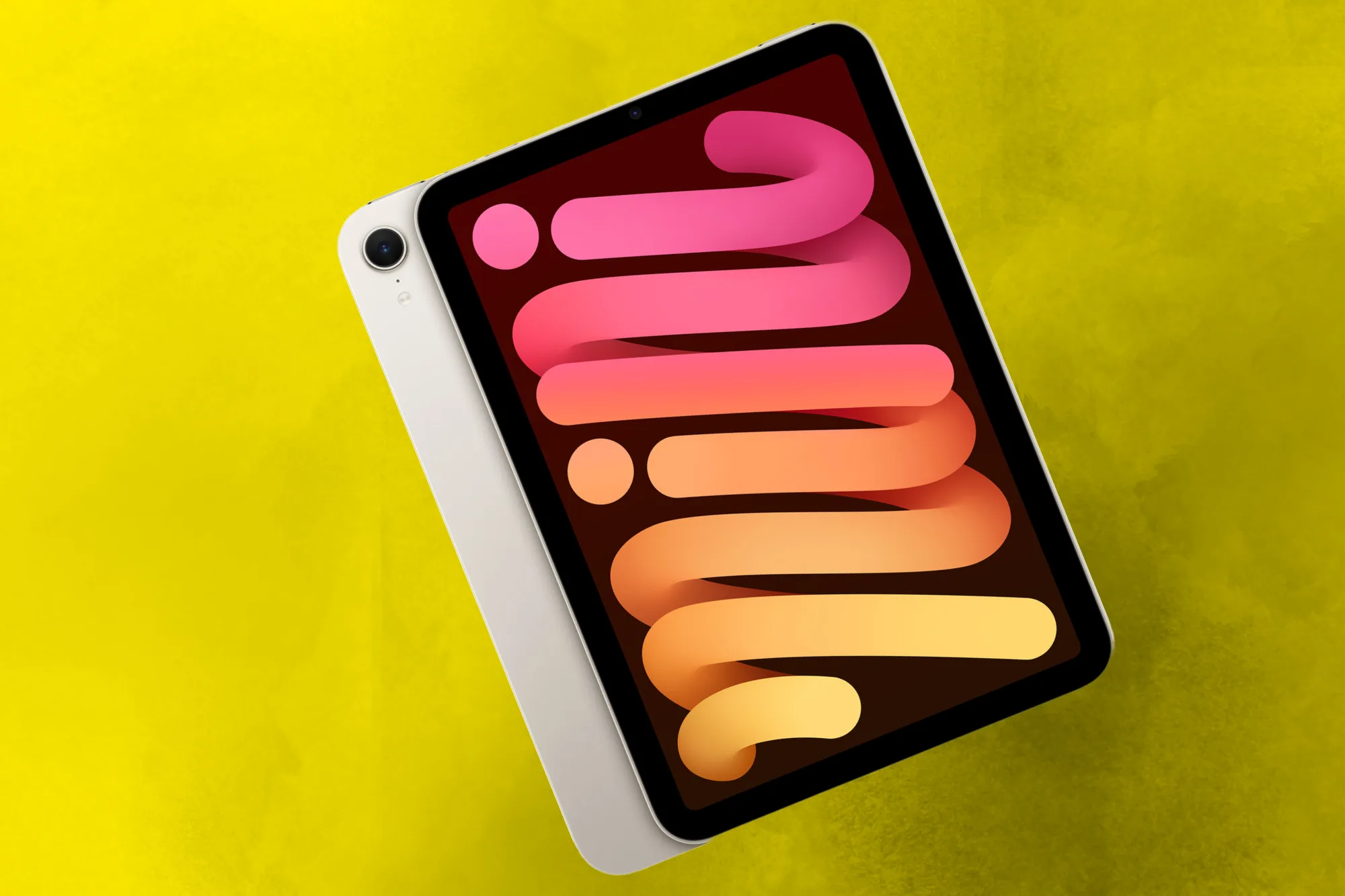
The iPad mini is about to become the tone-setter for the entire iPad OLED models story. A redesigned iPad mini with an OLED display, codenamed J510, is reportedly the first new tablet out the door, arriving as soon as October. This will be the first iPad mini with an OLED display, with a release planned by October according to a noted Apple watcher. In other words, Apple is starting its new iPad era at the small end of the lineup—and likely at a higher price. There are catches. Leaks point to the mini’s OLED panel being locked to 60Hz, not the 120Hz ProMotion used on iPad Pro, meaning smoother scrolling and high-refresh gaming remain a Pro perk. At the same time, Apple recently raised prices, pushing the current iPad mini up USD 100 (approx. ₱5,600) to USD 599 (approx. ₱33,500), and the OLED refresh "may land with an even steeper price tag". For buyers, the smart move may be to watch for discounts on the outgoing mini once the new model appears.
Entry-Level iPad: Faster, Still LCD, and Firmly Budget
Not every device in the Apple iPad lineup 2026 is headed to OLED glory, and that is intentional. The base iPad, with lineage back to the original model, "will not receive an OLED update for the foreseeable future and will stick with LCD tech". This is Apple drawing a clear line: if you care about deeper blacks and contrast, you move up the range; if you care about price, you stay on LCD. The standard iPad is not being ignored, though. A hardware refresh, codenamed J581, is expected in the first quarter, with the main change being a faster processor rather than a major redesign. That reflects how Apple sees this product: a workhorse that needs to stay responsive and compatible, not a flagship that showcases the latest panel technology. For ordinary users, this keeps the entry-level iPad as the cheapest route into the ecosystem, while nudging display snobs toward the mini, Air, or Pro.
Air and Pro: Spring Hardware Wave for Power Users
If the fall is about the mini, spring is about the middle and high tiers. New 11-inch and 13-inch iPad Air models are expected to arrive in the spring, alongside refreshed iPad Pro units. Apple is also "working on an eventual OLED upgrade for the iPad Air", which would pull the mid-range tablet closer to the Pro experience and widen the gap with the entry-level iPad. This timing matters because it shapes how power users should plan upgrades. Creatives, students, and professionals who depend on pencil support, bigger screens, and more premium features will face a choice: hold out for the spring wave or settle for current hardware. With new Apple Pencils tipped to arrive in the same window, it is clear Apple wants that moment to feel like a meaningful platform step, not just a spec bump. Anyone eyeing an Air or Pro today should weigh whether a few months’ patience could yield more capable devices—or better deals on existing ones.
What Buyers Should Do Now: Wait, Watch Prices, and Pick a Tier
The emerging iPad refresh timeline carries a simple but unpopular conclusion: unless you need a tablet immediately, do not buy one right now. As one report bluntly puts it, "If you’ve been eyeing a new iPad, you may want to push your purchase by a few months". Waiting lets you either grab the new OLED mini or Air/Pro models, or capitalize on discounts when retailers clear out current stock. Production realities such as memory and storage shortages have already reshaped pricing across the industry and pushed Apple to raise iPad and Mac prices. That is unlikely to reverse overnight. The smart play is strategic: decide whether your priority is screen quality, raw performance, or price, then map that to the mini, base iPad, Air, or Pro, and time your purchase to the refresh that targets your tier. Apple’s staggered rollout is not just a logistics story—it is a way of nudging you toward clearer trade-offs.