
Why Satellite Messaging and Native Flight Tracking Matter
Satellite messaging travel safety means using your phone’s built-in satellite connectivity and native flight tracker to keep communicating, check flight status, and access emergency help even when normal cellular coverage fails, so you are less dependent on public Wi‑Fi or extra apps during trips.
If you travel for work, take long road trips, or love hiking far from cell towers, your phone can be more than a camera and map. Modern devices can connect to satellites so you can stay online in places where traditional networks fall apart, using services like T-Satellite that switch between ground networks and StarLink satellites to keep you covered as much as possible. At the same time, your iPhone hides a native flight tracker that lives inside Messages and Spotlight, so you can see delays, cancellations, gates, and baggage info without installing anything new. Think of these as emergency communication features and trip-planning tools rolled into one safety net.

Set Up Satellite Messaging for Safer Travel
Before you rely on satellite messaging travel tools, you need to confirm your phone can talk to the satellites in the first place. T-Satellite is a satellite connectivity service that uses newer StarLink satellites and LTE spectrum so supported phones can switch between regular T-Mobile coverage and satellite service automatically. According to one report, this combination can extend coverage to over 500,000 miles that traditional cell networks miss. That kind of reach turns your phone into a far more dependable safety device when you leave dense urban areas.
The key caveat: not every phone supports this. T-Mobile notes that many phones from the last few years can use T-Satellite, but support is not universal. If your phone does not support satellite connectivity, you will not see satellite options in the settings menu. You should also remember that even satellite links need a clear view of the sky; trees, buildings, and signs can still block the signal.
- Open your phone’s system settings and scroll to the About Phone section to find your IMEI and EID numbers.
- Go to T-Mobile’s official compatibility tool and enter the IMEI and EID to check whether your phone supports T-Satellite.
- If the tool confirms compatibility, enable the satellite connectivity option in your phone’s settings; if there is no satellite option, your device is not supported.
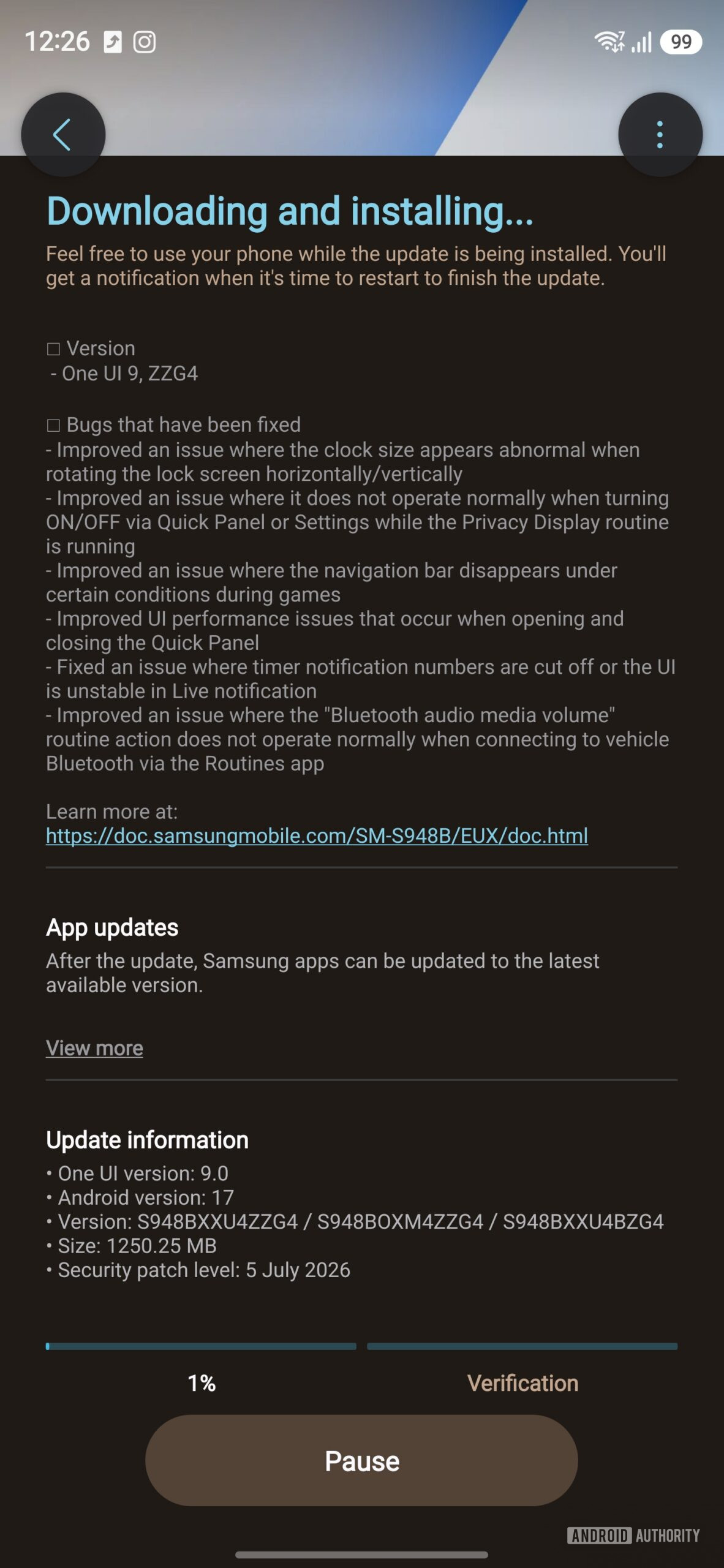
- Once enabled, look for indicators like “T-Mobile SpaceX” or “T-Sat+Starlink” in your phone’s status bar to confirm you are connected via satellite rather than a regular tower.
- To test emergency phone features, open a supported messaging app such as WhatsApp and confirm you can place a voice call, and note that you can text 911 from anywhere through T-Satellite if local rules allow it.
When everything is configured, you should be all set for advanced satellite connectivity anywhere you can see the sky. It is smart to test in a safe environment before relying on it on a remote trail: walk into a park or open area, confirm the satellite indicator appears, and try sending messages through supported apps like WhatsApp or sharing your location on a maps app. These emergency communication features are slower than a strong 5G signal, but they are designed to keep lifelines like voice calls, texts, and essential mapping tools working when nothing else does.
Use the Hidden iPhone Flight Tracker for Real-Time Updates
While satellite tools handle emergencies, the iPhone flight tracker keeps the boring but important details under control. Most travelers do not realize their iPhone includes a flight tracker built into iOS that avoids third-party apps and endless browser refreshes, but you have to trigger it the right way. It works through the Messages app and Spotlight Search, so you can pull flight details right from a conversation or your home screen.
Before using this tool, there are a few must-haves: iMessage needs to be turned on because the tracker does not work over standard SMS or MMS, and your flight number must appear in a text in the format “[Airline] [Flight number]”, such as “American Airlines 9707”. If your flight is too far in the future or already finished, you may see a warning that flight information is unavailable. Airlines also recycle flight numbers, so in some cases the tracker may show a different flight than yours.
- Enable iMessage in your iPhone settings, then send your flight details to yourself or someone else using the format “[Airline] [Flight number]”, for example “American Airlines 9707”.
- Open the Messages app, tap the conversation with your flight number, and look for the text to appear underlined so you can tap it.
- Tap the underlined flight text; a quick-action menu appears with options like Preview Flight and Copy Flight Code.
- Select Preview Flight to open a real-time map with a line between departure and arrival cities and a moving airplane showing the flight’s current position.
- Scroll below the map to see details such as status (on time, delayed, canceled), terminal and gate, arrival and departure times, duration, and baggage claim carousel. For even faster access, swipe down on the home screen, enter your flight number in Spotlight Search, and tap the result.
When the feature works correctly, you are only a tap away from fresh flight stats before you leave for the airport. This built-in iPhone flight tracker shows a real-time map plus status labels like delayed or canceled, specific gates, terminals, and baggage claim numbers. That means fewer app installs and fewer announcements to decode at a noisy gate. These travel connectivity tips can spare you from surprises, but remember the two common mistakes: using SMS instead of iMessage and relying on a flight number that is too far in the future, has already landed, or belongs to a reused route.
Putting It Together: A Practical Safety Net for Every Trip
On a practical level, satellite messaging travel tools and the iPhone flight tracker give you two layers of protection: one for when you are off-grid and another for when airport plans change. T-Satellite uses StarLink satellites so supported phones can keep talking to the network even when you move outside normal cellular coverage. Because it connects through an LTE channel instead of a one-direction emergency ping, you can use selected apps for full voice and data, including WhatsApp calls, mapping tools, weather apps, and even multimedia messages.
At the same time, the iPhone’s native flight tracker means you do not need extra apps or subscriptions to monitor delays, cancellations, gate changes, or baggage carousels. It lives inside the software you already use every day and works through Messages and Spotlight without any downloads. The biggest gotcha is assuming these emergency phone features will “just work” without preparation; instead, check device compatibility in advance, confirm satellite connectivity shows up in your status bar, and practice pulling up flight previews so you are not learning under pressure.
If you travel often, this setup is worth it. One check with the compatibility tool, a five-minute flight tracker test, and you gain a quiet kind of confidence. You know that when the signal bars vanish or the departures board flickers to delayed, your phone still has ways to call for help, share your plans, and keep you oriented. Pay attention to clear-sky requirements, iMessage formatting, and the possibility of recycled flight numbers, and these built-in tools will do the heavy lifting for your safety and peace of mind.